
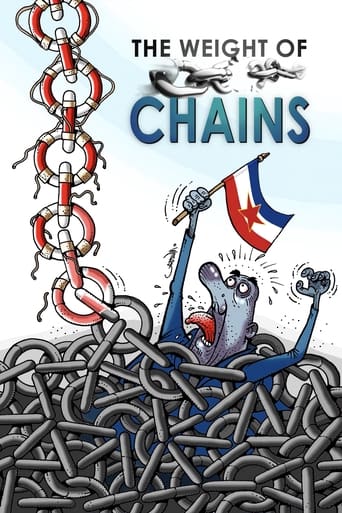
The Weight of Chains
2010-12-17 · 125 min · ★ 7.3
The Weight of Chains is a Canadian documentary film that takes a critical look at the role that the US, NATO and the EU played in the tragic breakup of a once peaceful and prosperous European state - Yugoslavia. The film, bursting with rare stock footage never before seen by Western audiences, is a creative first-hand look at why the West intervened in the Yugoslav conflict, with an impressive roster of interviews with academics, diplomats, media personalities and ordinary citizens of the former Yugoslav republics. This film also presents positive stories from the Yugoslav wars - people helping each other regardless of their ethnic background, stories of bravery and self-sacrifice.
Trailers are previews, not full movies.
No authorized playback source configured. Use the legal watch options below.
Production details
- Directors
- Boris Malagurski
- Production companies
- Malagurski Cinema
- Countries
- Canada, Serbia
- Status
- Released
Top Cast
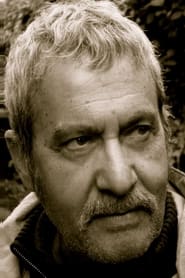 Michael ParentiSelf
Title information and images are supplied by TMDb. Explore our discovery guide for advice on comparing metadata and legal viewing options.
Where to watch
Availability provided by JustWatch via TMDb. Offers can change. Provider links are listed on TMDb; full playback requires a separately authorized source.
Streaming
Brew
Rental
Amazon Video, Apple TV Store, Brew
Purchase
Amazon Video, Apple TV Store, Brew
Free
Hoopla, Filmtap
With ads
The Roku Channel, YouTube Free, Plex, Tubi TV
View authorized watch options on TMDbSeasons & episodes
Recommendations

The history of cinematic sound, told by legendary sound designers and visionary filmmakers.

Oliver Stone charts the history of the United States from the Second World War to the present.

Amid the failing counteroffensive, a journalist follows a Ukrainian platoon on their mission to traverse one mile of heavily fortified forest and liberate a strategic village from Russian occupation. But the farther they advance through their destroyed homeland, the more they realize that this war may never end.

“The Soviet Story” is a story of an Allied power, which helped the Nazis to fight Jews and which slaughtered its own people on an industrial scale. Assisted by the West, this power triumphed on May 9th, 1945. Its crimes were made taboo, and the complete story of Europe’s most murderous regime has never been told. Until now...

Decades after her untimely death, Princess Diana continues to evoke mystery, glamour, and the quintessential modern fairy tale gone wrong. As a symbol of both the widening fissures weakening the British monarchy and the destructive machinery of the press, the Princess of Wales navigated an unparalleled rise to fame and the corrosive challenges that came alongside it. Crafted entirely from immersive archival footage and free from the distraction of retrospective voices, this hypnotic and audaciously revealing documentary takes a distinctive formal approach, allowing the story of the People’s Princess to unfold before us like never before.

Director Michael Apted revisits the same group of British-born adults after a 7 year wait. The subjects are interviewed as to the changes that have occurred in their lives during the last seven years.

Prelude to War was the first film of Frank Capra's Why We Fight propaganda film series, commissioned by the Pentagon and George C. Marshall. It was made to convince American troops of the necessity of combating the Axis Powers during World War II. This film examines the differences between democratic and fascist states.

Through deeply personal interviews with her siblings and an examination of the photographs, letters, and belongings left behind, Mariska assembles a new portrait of her mother Jayne Mansfield, an extraordinary and complex woman.
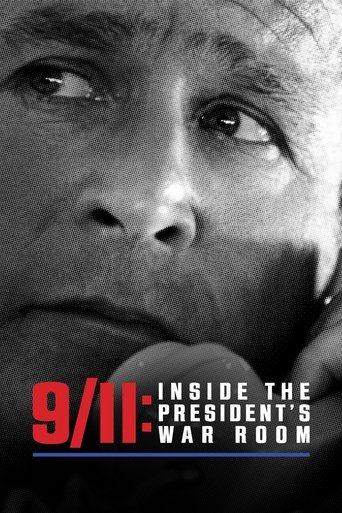
Experience the events of September 11, 2001 through the eyes of President Bush and his closest advisors as they personally detail the crucial hours and key decisions from that historic day.

When Sgt. First Class Brian Eisch is critically wounded in Afghanistan, it sets him and his sons on a journey of love, loss, redemption and legacy.

In an intimate and joyful story of love in the face of loss, celebrated poets Andrea Gibson and Megan Falley find strength—and unexpected hilarity—in what might be their final year together.

A documentary about World War I with never-before-seen footage to commemorate the centennial of Armistice Day, and the end of the war.

A tribute to Italian filmmaker Sergio Corbucci (1926-90), presented by American filmmaker Quentin Tarantino.

A documentary about the making of season five of the acclaimed AMC series Breaking Bad.

A compilation of over 30 years of private home movie footage shot by Lithuanian-American avant-garde director Jonas Mekas, assembled by Mekas "purely by chance", without concern for chronological order.
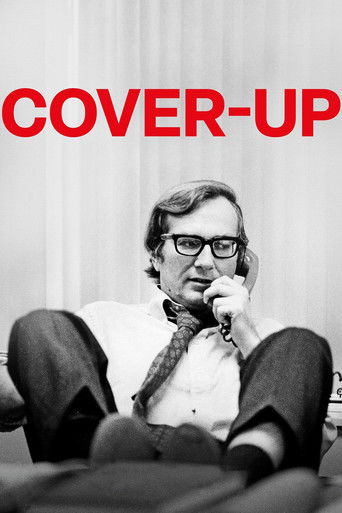
He's devoted his career to uncovering stories the powerful want buried. From My Lai to Abu Ghraib, dig into the life's work of journalist Seymour Hersh.

Over 35 years after Bob Lazar's revelations, this documentary exposes secrets of a facility the government still denies. Featuring Lazar's testimony, recreations, and new evidence, it reopens a case that continues to spark global curiosity

A documentary highlighting the Soviet Union's legendary and enigmatic hockey training culture and world-dominating team through the eyes of the team's Captain Slava Fetisov, following his shift from hockey star and celebrated national hero to political enemy.
Cameramen and women discuss the craft and art of cinematography and of the "DP" (the director of photography), illustrating their points with clips from 100 films, from Birth of a Nation to Do the Right Thing. Themes: the DP tells people where to look; changes in movies (the arrival of sound, color, and wide screens) required creative responses from DPs; and, these artisans constantly invent new equipment and try new things, with wonderful results. The narration takes us through the identifiable studio styles of the 30s, the emergence of noir, the New York look, and the impact of Europeans. Citizen Kane, The Conformist, and Gordon Willis get special attention.

A documentary about the life and films of director John Ford.
Similar titles
Documentary about war photographer James Nachtwey, considered by many the greatest war photographer ever.
The Happy Child is a story of "New Wave" rock genre predominant in the ex-Yugoslavia during the socialist 70's and 80's.
During the Battle of Sutjeska, partisan troops must endure 24 hours of big and heavy attacks on German units Ljubino grave, to the main Partisan units, with the wounded and the Supreme Headquarters, pulled out the ring that is tightened around them.
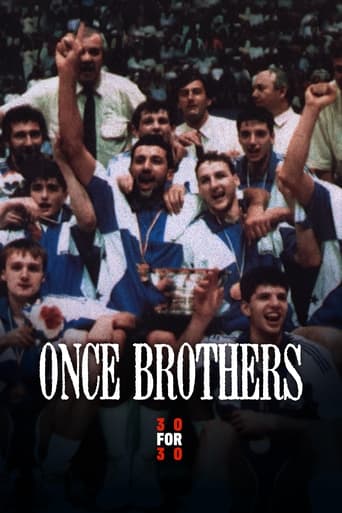
Drazen Petrovic and Vlade Divac were two friends who grew up together sharing the common bond of basketball. Together, they lifted the Yugoslavian National team to unimaginable heights. After conquering Europe, they both went to USA where they became the first two foreign players to attain NBA stardom. But with the fall of the Soviet Union on Christmas Day 1991, Yugoslavia split up. A war broke out between Petrovic's Croatia and Divac's Serbia. Long buried ethnic tensions surfaced. And these two men, once brothers, were now on opposite sides of a deadly civil war. As Petrovic and Divac continued to face each other on the basketball courts of the NBA, no words passed between the two. Then, on the fateful night of June 7, 1993, Drazen Petrovic was killed in an auto accident. This film will tell the gripping tale of these men, how circumstances beyond their control tore them apart, and whether Divac has ever come to terms with the death of a friend before they had a chance to reconcile.

A documentary that explores the events of the disrupted football match between Dinamo (Zagreb) and Crvena Zvezda (Beograd) on May 13th 1990. As fighting broke out the match was cancelled and the events are explored with testimonies from members of Bad Blue Boys and the police of the time. The event is considered by many as the start of the Croatian war for independence (Domovinski rat).
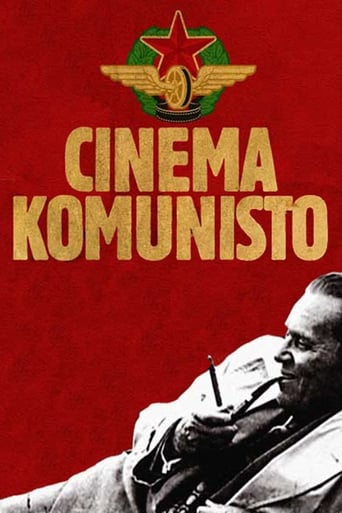
This eye-opening and bittersweet chronicle of the Yugoslavian film industry recounts how the cinema was used—often with direct intervention from President Josip Broz Tito—to create and recreate the young nation’s history, replete with heroes and myths that didn’t always hew closely to reality.
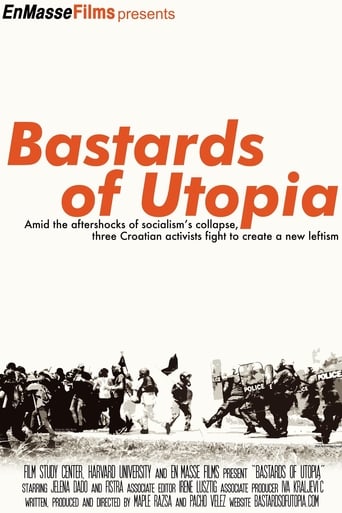
Three Croatian activists struggle to change the world. As children, they lived through the violent collapse of Yugoslavia. But now, amid the aftershocks of socialism's failure, they fight in their own way for a new leftism. In the middle of the struggle, a skeptical American is won over by their cause and even goes to jail with them. The activists, whether clashing with police or squatting in an old factory, risk everything to live their politics. But as the setbacks mount, will they give up the fight? The film, shot during years of fieldwork with a Croatian anarchist collective, applies EnMasseFilm's unique blend of observation, direct participation and critical reflection to this misunderstood political movement. Its portrayal of activism is both empathetic and unflinching -- an engaged, elegant meditation on the struggle to re-imagine leftist politics and the power of a country's youth.
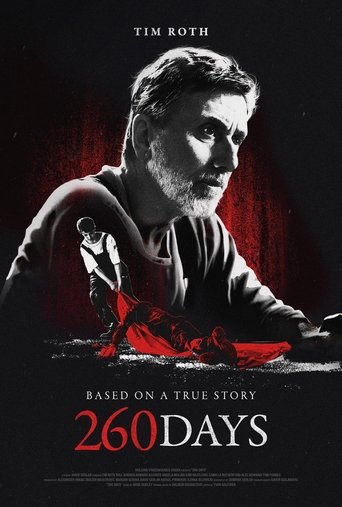
The carefree and somewhat idyllic life of a ten year old boy named Marijan is violently interrupted when war ravages his small town of Dalj and his families closest friends and neighbors turn on them purely because they are Croatian. Marijan is forced to witness and experience things an adult would have an incredibly difficult time dealing with. He is nevertheless faced with the inexplicably horrid events war brings out in people. The story centers on a present day Marijan- now the very successful owner of a wood manufacturing business. On one random day a man walks into his store and all of the memories he wishes he could long forget come flooding back, forcing him to relive them. Despite his immense hardships, Marijan lives on in forgiveness, always seeking the positives that lay in the future rather than rehashing and remaining in the past.
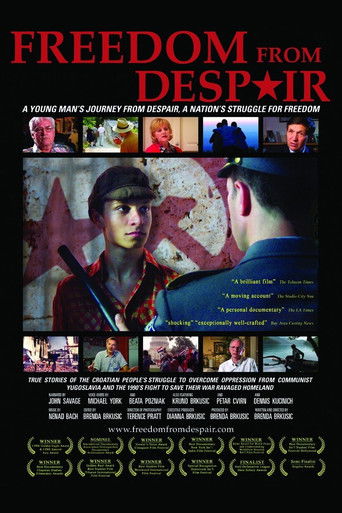
True stories of the Croatian People's struggle to overcome oppression from communist Yugoslavia and the 1990's fight to save their war ravaged homeland.
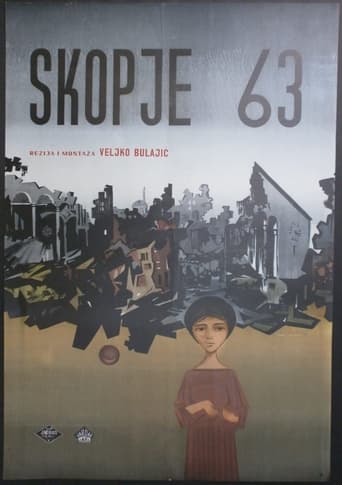
"Skoplje '63" is a 1964 Yugoslavian documentary film directed by Veljko Bulajić about the 1963 Skopje earthquake (Skoplje, per film title, is the Serbo-Croatian spelling of Skopje). The filming started three days after the earthquake and lasted for four months. After that, Bulajić spent 12 months editing the footage at Jadran Film studios.

A loving portrait of a pirate radio stations, which is run by the rural population with plenty of passion and talent in the face of opposition from the authorities.

A documentary following Yugoslav migrant workers on special trains to West Germany, documenting their journey and the bureaucratic realities of labor migration.
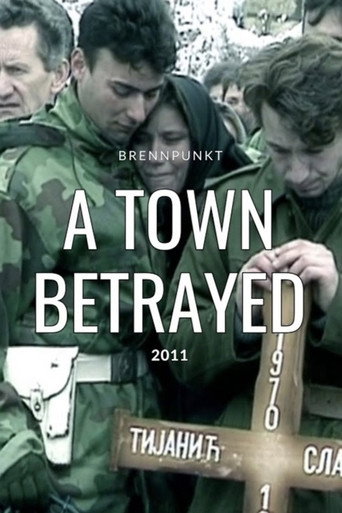
SARAJEVO RICOCHET - A TOWN BETRAYED This documentary exposes the callous betrayal of the massacred men of Srebrenica - how they were sacrificed by their own government for a political objective. The widows, mothers and sisters of the men and boys who died near Srebrenica will never let the world forget the events of July 1995. The Serbs pulled the trigger, but the reasons for their brutal action has not been investigated. Now Bosnian Muslims themselves expose what really happened before, during and after what is been called `the European genocide of our time`. The Bosnian Muslim government was negotiating with the Serbs to exchange territory - Srebrenica for the suburbs of Sarajevo.
A research-based essay film, but also a very personal perspective on the history of socialist Yugoslavia, its dramatic end, and its recent transformation into a few democratic nation states.
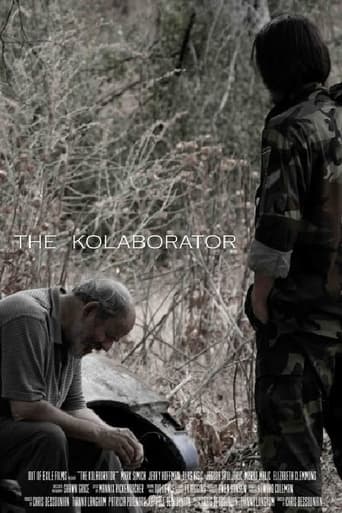
During the conflict in the former Yugoslavia many soldiers were convinced to kill fellow citizens including friends and relatives in the name of patriotism. The Kolaborator follows the story of Goran, 24, a promising young soccer player who is forced to become a soldier. Goran goes from being a talented athlete to an executioner virtually overnight. Following orders, Goran lines up civilians, shoots them and drags them into mass graves. Justifying his role as a protector of his people, Goran becomes increasingly detached from the task until his soccer coach and life-long friend, Asim, is led in front of him. As a familiar face stands defeated before him, Goran must reconsider his actions and choose between his own life and that of his dear friend.
Shot in various villages throughout Yugoslavia, this is a disturbing document of a time when people were stabbing each other with knives without any real reason. Murderers, people who witness these murders and the families of victims all talk about the senseless violence and the human condition.
A documentary about punk and subculture scene of Pula, Croatia from 1978 to 1991, the city that gave birth to one of the most vivid punk and alternative rock scenes in former Yugoslavia, despite having population of just over 60,000 residents.
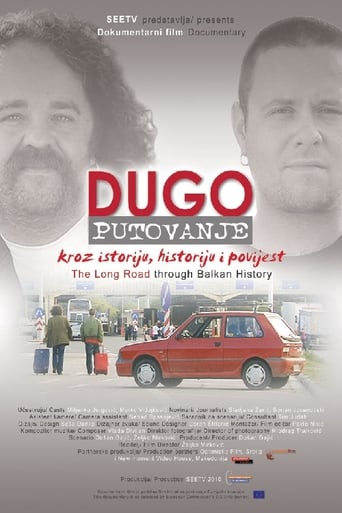
Bosnian Croat writer Miljenko Jergović and Serbian writer Marko Vidojković replace one another by the steering wheel of Yugo, a symbol of their common past while driving on the Brotherhood and Unity Highway that stretched across five of six republics of Yugoslavia.
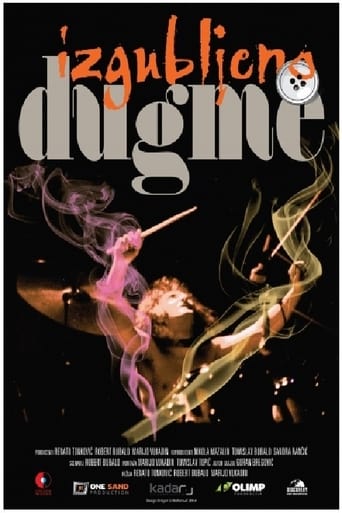
A documentary about Goran Ivandic 'Ipe', the drummer of most popular Yugoslav rock band of all time, Sarajevo-based "Bijelo dugme" (White Button). Ivandic's fatal jump from the balcony of hotel Metropol in Belgrade in 1994 sparked much controversy around his fate.
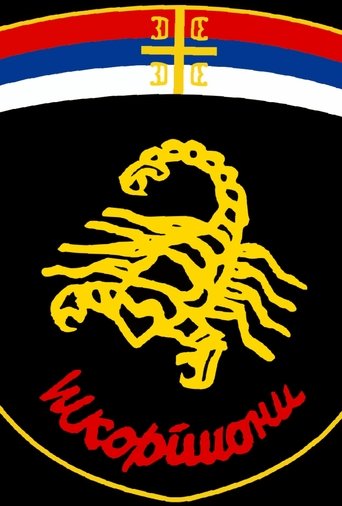
The Scorpions were a Serbian paramilitary unit that gained notoriety for their involvement in war crimes during the Yugoslav Wars of the 1990s. By using the statements of former members of the Scorpions unit, and the materials recorded by the unit itself in the course of its campaignes, this film demonstrates the functioning of a typical combat unit organized by the security service to do dirty jobs in the Balkan wars. Including their treatment of Bosnian Serbs; from refusing them water to the stomach-wrenching murders of six Bosnian Muslim men, some of whom were minors, in Srebrenica in July 1995. Archival footage used in this film includes materials of Humanitarian Law Center, International Criminal Tribunal for Former Yugoslavia.