
Duvarlar-Mauern-Walls
2000-10-07 · 83 min · Not rated
In 1991, both two years after the fall of the Berlin Wall and the 30th anniversary of the guest worker agreement, Turkish filmmaker Can Candan interviewed members of Berlin's Turkish community about their experiences around German reunification and the racist violence that came along with it at the beginning of the 90s.
Trailers are previews, not full movies.
No authorized playback source configured. Use the legal watch options below.
Production details
- Directors
- Can Candan
- Production companies
- Unavailable
- Countries
- Turkey, United States of America
- Status
- Released
Top Cast
Cast unavailable.
Title information and images are supplied by TMDb. Explore our discovery guide for advice on comparing metadata and legal viewing options.
Where to watch
Availability provided by JustWatch via TMDb. Offers can change. Provider links are listed on TMDb; full playback requires a separately authorized source.
Seasons & episodes
Recommendations

The history of cinematic sound, told by legendary sound designers and visionary filmmakers.

Cameramen and women discuss the craft and art of cinematography and of the "DP" (the director of photography), illustrating their points with clips from 100 films, from Birth of a Nation to Do the Right Thing. Themes: the DP tells people where to look; changes in movies (the arrival of sound, color, and wide screens) required creative responses from DPs; and, these artisans constantly invent new equipment and try new things, with wonderful results. The narration takes us through the identifiable studio styles of the 30s, the emergence of noir, the New York look, and the impact of Europeans. Citizen Kane, The Conformist, and Gordon Willis get special attention.

A documentary on the expletive's origin, why it offends some people so deeply, and what can be gained from its use.

Oliver Stone charts the history of the United States from the Second World War to the present.
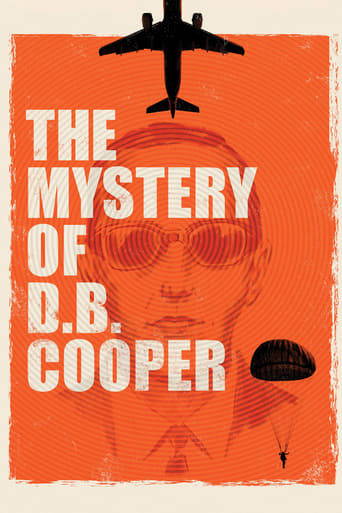
This documentary brings to life the stories of four people believed by their family and friends to be “DB Cooper,” a man who hijacked a 727 flying out of Seattle and jumped from the plane over the wilds of Washington State with a parachute and $200,000, never to be heard from again.
In 1972, a seemingly typical shoestring budget pornographic film was made in a Florida hotel: "Deep Throat," starring Linda Lovelace. This film would surpass the wildest expectation of everyone involved to become one of the most successful independent films of all time. It caught the public imagination which met the spirit of the times, even as the self-appointed guardians of public morality struggled to suppress it, and created, for a brief moment, a possible future where sexuality in film had a bold artistic potential. This film covers the story of the making of this controversial film, its stunning success, its hysterical opposition along with its dark side of mob influence and allegations of the on set mistreatment of the film's star.

Director Michael Apted revisits the same group of British-born adults after a 7 year wait. The subjects are interviewed as to the changes that have occurred in their lives during the last seven years.

In an intimate and joyful story of love in the face of loss, celebrated poets Andrea Gibson and Megan Falley find strength—and unexpected hilarity—in what might be their final year together.

Through deeply personal interviews with her siblings and an examination of the photographs, letters, and belongings left behind, Mariska assembles a new portrait of her mother Jayne Mansfield, an extraordinary and complex woman.
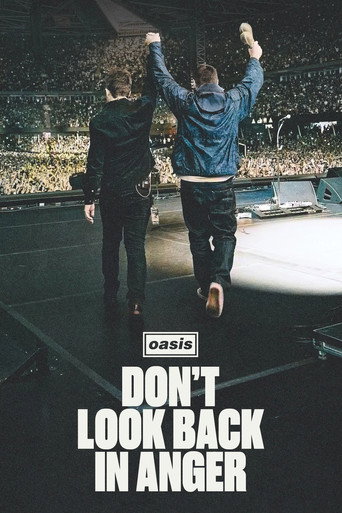
Experience the meteoric rise of Oasis through rare footage and untold stories as the band reunites for Oasis Live '25, chronicling their journey from Manchester streets to global rock stardom.

A tribute to Italian filmmaker Sergio Corbucci (1926-90), presented by American filmmaker Quentin Tarantino.
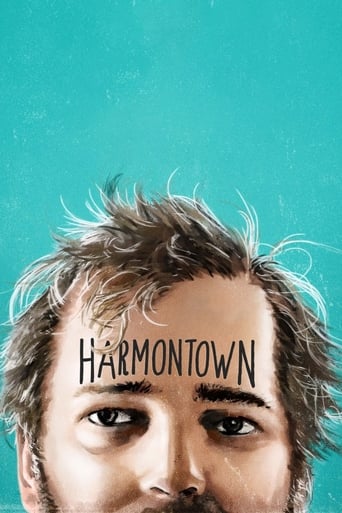
A comedic, brutally honest documentary following self-destructive TV writer Dan Harmon as he takes his live podcast on a national tour.

A compilation of over 30 years of private home movie footage shot by Lithuanian-American avant-garde director Jonas Mekas, assembled by Mekas "purely by chance", without concern for chronological order.

A documentary about the life and films of director John Ford.
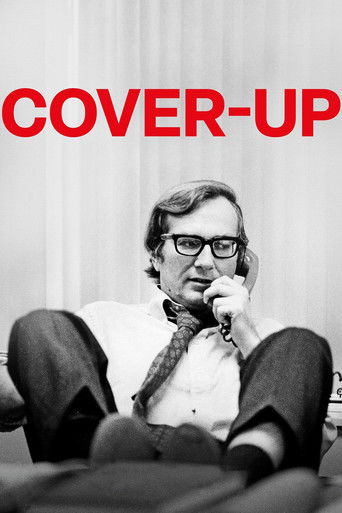
He's devoted his career to uncovering stories the powerful want buried. From My Lai to Abu Ghraib, dig into the life's work of journalist Seymour Hersh.

A behind-the-scenes documentary about the Clinton for President campaign, focusing on the adventures of spin doctors James Carville and George Stephanopoulos.
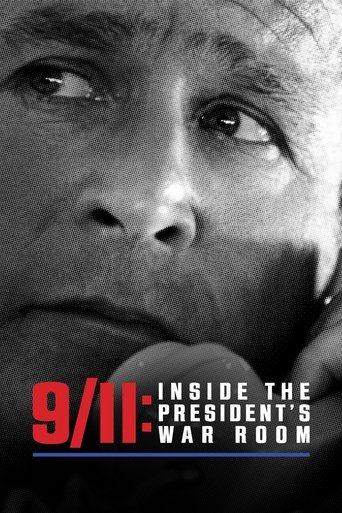
Experience the events of September 11, 2001 through the eyes of President Bush and his closest advisors as they personally detail the crucial hours and key decisions from that historic day.
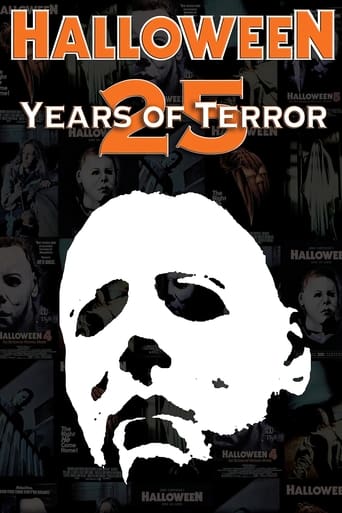
Follow the evolution of the 'Halloween' movies over the past twenty-five years. It examines why the films are so popular and revisits many of the original locations used in the films - seeing the effects on the local community. For the first time, cast, crew, critics and fans join together in the ultimate 'Halloween' retrospective.

As a visually radical memoir, CAMERAPERSON draws on the remarkable footage that filmmaker Kirsten Johnson has shot and reframes it in ways that illuminate moments and situations that have personally affected her. What emerges is an elegant meditation on the relationship between truth and the camera frame, as Johnson transforms scenes that have been presented on Festival screens as one kind of truth into another kind of story—one about personal journey, craft, and direct human connection.

When Allied forces liberated the Nazi concentration camps in 1944-45, their terrible discoveries were recorded by army and newsreel cameramen, revealing for the first time the full horror of what had happened. Making use of British, Soviet and American footage, the Ministry of Information’s Sidney Bernstein (later founder of Granada Television) aimed to create a documentary that would provide lasting, undeniable evidence of the Nazis’ unspeakable crimes. He commissioned a wealth of British talent, including editor Stewart McAllister, writer and future cabinet minister Richard Crossman – and, as treatment advisor, his friend Alfred Hitchcock. Yet, despite initial support from the British and US Governments, the film was shelved, and only now, 70 years on, has it been restored and completed by Imperial War Museums under its original title "German Concentration Camps Factual Survey".
Similar titles
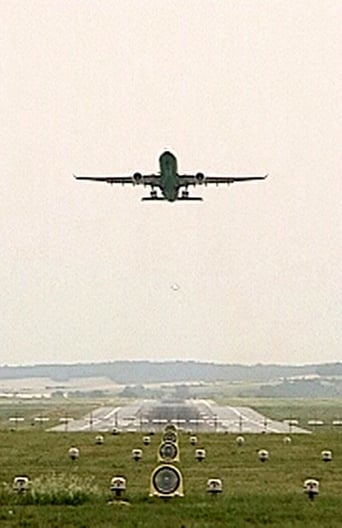
Flight Number 884 is a film about the wishes and desires of Muslim immigrants. Every year thousands of bodies of Turkish immigrants are flown back from Europe to small villages - villages they had left long ago. The film follows the dead body of a Muslim on its last journey from Vienna to a graveyard in Turkey.

An eleven-year-old Turkish boy, two young men from a small town, and a cuckolded policeman from the sticks all find their way to Berlin on May Day, where, in the district of Kreuzberg, emotions come to the boil every year.

This is the story of Isa, who grows up in a Hamburg suburb. It might be one of the world's richest cities but every beast has its belly and here, in the very underbelly, Chiko lives in a world where violence, staking and keeping a claim, and drug taking are the norm. Where down is not an option, Chiko is determined to rise to the top, whatever and whomever it costs.

The three friends Ertan, Kemal and Mehdi live in Kiel. They are foreigners, "Kanaks", as they proudly call themselves. For them, this term is an expression of their attitude to life. The trio keeps their heads above water with small-time crooks, but over time they are drawn deeper and deeper into a maelstrom of violence and crime. On a whim, Erkan acts as the protector of two prostitutes and makes enemies of two unscrupulous pimps. After a failed robbery, Ertan ends up in prison for a short time and Kemal is deported to Turkey. However, the two proud "Kanaks" don't let this get them down, on the contrary: together, the friends now want to build a drug air bridge between Istanbul and Germany. But the dream of quick money ends in death and grief for Kemal and Ertan.
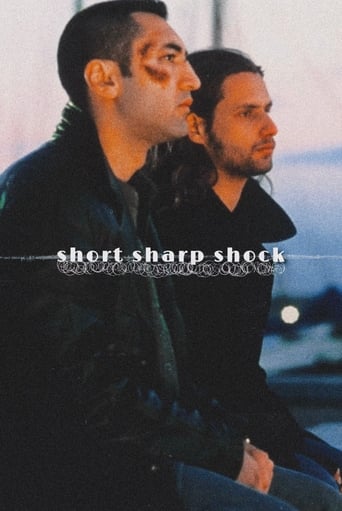
Gabriel, Bobby and Costa are old friends from Altona, a multicultural hood in Hamburg. Just out of prison, Gabriel wants to turn his back on crime, but the others continue to operate as petty criminals. Friendships are tested as the trio navigate a dark world of mafia bosses and deals gone wrong.
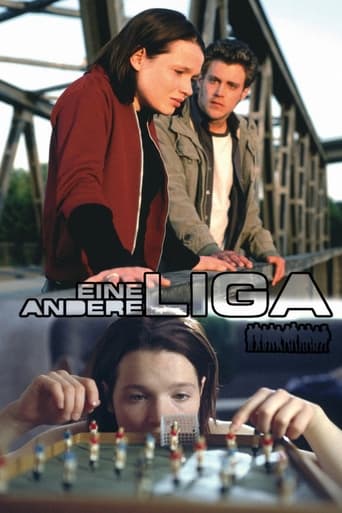
Hayat, a soccer fanatic from Hamburg, has breast cancer. After the operation, the 20-year-old feels disfigured and is no longer allowed to play football because of her medication. But a life without soccer? Unimaginable! For Hayat, the motto now is: after the game is before the game. The motley group of girls from FC Schanze, who neither have a jersey nor can dribble, take Hayat in. Her lousy coach Toni, who sees his main task as certifying that his girls are free of talent, also takes a liking to her. The way the roughneck courts her, first out of vanity and then out of genuine affection, and discovers his sensitivity in the process, is one of the film's great moments.

After living 45 years in Germany, the Turkish Hüseyin Yilmaz, seventy, announces to his family that he has bought a house in Turkey and they should return to make the necessary reforms. The idea is unwelcome and causes very heated discussions. In addition, Canan, a granddaughter of Hüseyin, announces she is pregnant and the father is her English boyfriend, and no one knew anything.
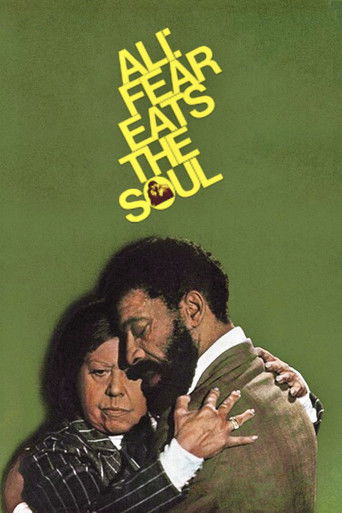
Emmi Kurowski, a cleaning lady, is lonely in her old age. Her husband died years ago, and her grown children offer little companionship. One night she goes to a bar frequented by Arab immigrants and strikes up a friendship with middle-aged mechanic Ali. Their relationship soon develops into something more, and Emmi's family and neighbors criticize their spontaneous marriage. Soon Emmi and Ali are forced to confront their own insecurities about their future.

In the wake of Greta Thunberg, the youth has been fighting for several months to save our planet. Leading the marches, on the front pages of the media as well as on social networks, young women have become, sometimes unintentionally, the key figures of this movement. Who are these women? Why are they so cheered and criticized at the same time? To better understanding of the commitment of Anuna and Adelaide (Belgium), Luisa (Germany), Lena (France), Leah (Uganda) and Artemisia (Brazil), we decided to follow them, but also to compare their struggle with that of another extraordinary woman who preceded them: Julia Butterfly. Twenty years ago, after spending 738 days on top of a majestic sequoia, this young American activist managed to save a thousand-year-old forest from being cut down. The film tells the story of the journey of these committed young women, each in their own way, but all driven by a unique energy, these "sisters in arms" tell their doubts and their desire.

The poet Eirik Havnes performs a self-written poem as 50 filmmakers, dancers, extras and musicians are in action. Livet av Havnes is a hybrid between poetry, theater and concert. A live existential journey through Oslo's streets over the course of 45 minutes on 12 September 2020 between 19:02 and 19:47.
British director Peter Brook talks about his theatre experience from his first directing gigs of Oxford to the foundation of a company of international actors coming from different acting schools and cultures.
1945 documentary directed by Paul Zils. The film explores the history and development of Bombay (now Mumbai), highlighting its transformation from a collection of seven islands into a major urban center.
A film about the life and work of 19th-century Georgian writer Egnate Ninoshvili. Biographical moments from the writer's life are closely intertwined with the plots and characters of his own works.
"Child" is a 1948 short documentary directed by Paul Zils. Unfortunately, specific details about the film's content are scarce, and it appears that the film may be lost.

Follows the evolution of the female fronted superhero characters in comics from the 1940s and up to today. Detailing the influences of what made the characters and how they impacted on the comic book world.
A unique look inside over 70 signal boxes taken from Video 125's archive filmed over a period of 30 years. Features 'boxes of all shapes and sizes, all kinds of operating methods from 19th century mechanical lever frames to 20th century panels to 21st century state-of-the-art Rail Operating Centres.

Bob Dylan "Odds and Ends" is composed of archival interviews, promotional videos and documentary shorts. It tells the story of some of the most important moments in the legendary artist's career.

Performances by Poland's most acclaimed jazz bands, punctuated by short interviews conducted by German music journalist Joachim-Ernst Berendt. Appearing consecutively are: Warsaw Stompers, Namysłowski Quartet, Andrzej Trzaskowski Quintet, Krzysztof Komeda Quintet, Bossa Nova Combo and Wróblewski Quartet. The concerts are crowned by the All Star Session, a joint finale with all the performers and the song Family Blues.

Leonard is serving a life sentence in a Florida prison for the murders of Patricia and Chris. Agnes—the victims’ mother and grandmother—decided to contact him in the hope it would help her heal from this tragedy and give it meaning. As the law didn’t allow her to meet Leonard, she wrote to him instead. Their exchange led them to join in a mutual fight to promote restorative justice—an alternative stance on justice based on prevention and victim/offender dialog. Their struggle echoes those of others families, bringing us to examine what restorative justice means and the hopes it sparks.

German shepherd named Brutus got into concentration camp and turned from a harmless pet into a killer.