

Afghan Cameleer in Australian from 1860-1920
2013-07-01 · 61 min · ★ 10.0
This documentary is about the Afghan cameleer who came to Australia more than a century ago, and travelled across some of the harshest parts of the country. The film explores the historic relationship between the desert and Afghani immigrants in Aboriginal Australia by looking at the role they played in the development of the country and how they helped to set up the railway lines, overland Telegraph line and provided supplies to remote mission stations and farms. By the mid–1800s, exploration in Australia was at its peak with expeditions setting out almost monthly. The race to map the continent, locate natural resources or find new places to settle moved away from the coast and further into the inhospitable heart of Australia. It was soon obvious that the traditional horses and wagons used for such expeditions were not suitable in this strange and foreign land.
Trailers are previews, not full movies.
No authorized playback source configured. Use the legal watch options below.
Production details
- Directors
- Sayed Fahim Hashemy
- Production companies
- Unavailable
- Countries
- Unavailable
- Status
- Released
Top Cast
Cast unavailable.
Title information and images are supplied by TMDb. Explore our discovery guide for advice on comparing metadata and legal viewing options.
Where to watch
Availability provided by JustWatch via TMDb. Offers can change. Provider links are listed on TMDb; full playback requires a separately authorized source.
Availability not listed for this country.
Seasons & episodes
Recommendations

The history of cinematic sound, told by legendary sound designers and visionary filmmakers.
Oliver Stone charts the history of the United States from the Second World War to the present.

A visual montage portrait of our contemporary world dominated by globalized technology and violence.

The epic life story of Alice Guy-Blaché (1873–1968), a French screenwriter, director and producer, true pioneer of cinema, the first person who made a narrative fiction film; author of hundreds of movies, but banished from history books. Ignored and forgotten. At last remembered.
An unprecedented and intimate look at the life, work and enduring legacy of British actress Audrey Hepburn (1929-1993).
Documentary about the art of film editing. Clips are shown from many groundbreaking films with innovative editing styles.

Camp Confidential: America's Secret Nazis, is a documentary short featuring animation that focuses on the story of a top secret POW camp that was classified for over 5 decades. In the midst of WWII, a group of young Jewish refugees are assigned to guard a top secret POW camp near Washington D.C. The Jewish soldiers soon discover that their prisoners are no other than Hitler's top scientists - What starts out as an intelligence mission to gather information from the Nazis, soon gets a shocking twist when the Jewish soldiers are tasked with a very different mission altogether. A mission that would question their moral values - exposing a dark secret from America's past.
Cameramen and women discuss the craft and art of cinematography and of the "DP" (the director of photography), illustrating their points with clips from 100 films, from Birth of a Nation to Do the Right Thing. Themes: the DP tells people where to look; changes in movies (the arrival of sound, color, and wide screens) required creative responses from DPs; and, these artisans constantly invent new equipment and try new things, with wonderful results. The narration takes us through the identifiable studio styles of the 30s, the emergence of noir, the New York look, and the impact of Europeans. Citizen Kane, The Conformist, and Gordon Willis get special attention.

In an intimate and joyful story of love in the face of loss, celebrated poets Andrea Gibson and Megan Falley find strength—and unexpected hilarity—in what might be their final year together.
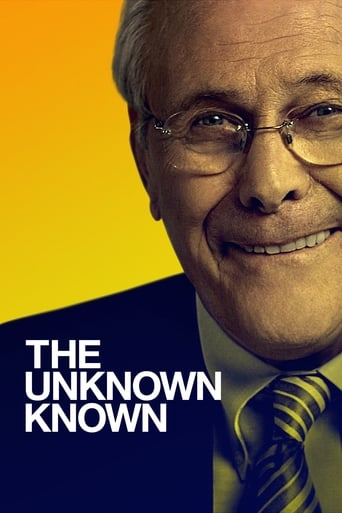
Former United States Secretary of Defense Donald Rumsfeld discusses his career in Washington D.C. from his days as a congressman in the early 1960s to planning the invasion of Iraq in 2003.

“The Soviet Story” is a story of an Allied power, which helped the Nazis to fight Jews and which slaughtered its own people on an industrial scale. Assisted by the West, this power triumphed on May 9th, 1945. Its crimes were made taboo, and the complete story of Europe’s most murderous regime has never been told. Until now...
The evolution of the depiction of the various Native American peoples in cinema, from the silent era to the present day: how their image on the screen has changed the way to understand their history and culture.
Nine filmmakers each profile a young girl from a different part of the world to weave a global tapestry of youth in the 21st century.

Decades after her untimely death, Princess Diana continues to evoke mystery, glamour, and the quintessential modern fairy tale gone wrong. As a symbol of both the widening fissures weakening the British monarchy and the destructive machinery of the press, the Princess of Wales navigated an unparalleled rise to fame and the corrosive challenges that came alongside it. Crafted entirely from immersive archival footage and free from the distraction of retrospective voices, this hypnotic and audaciously revealing documentary takes a distinctive formal approach, allowing the story of the People’s Princess to unfold before us like never before.
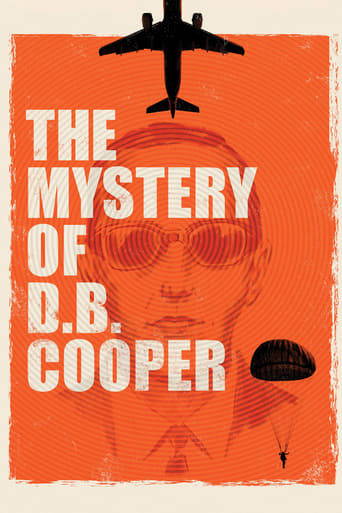
This documentary brings to life the stories of four people believed by their family and friends to be “DB Cooper,” a man who hijacked a 727 flying out of Seattle and jumped from the plane over the wilds of Washington State with a parachute and $200,000, never to be heard from again.
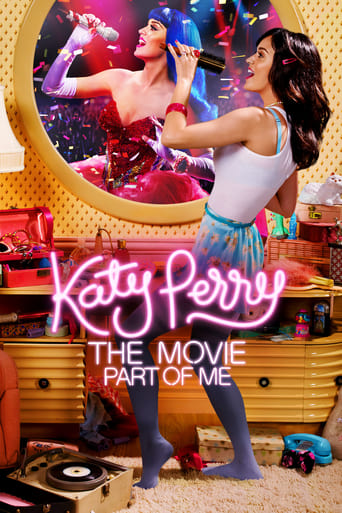
Giving fans unprecedented access to the real life of the music sensation, Katy Perry: Part of Me exposes the hard work, dedication and phenomenal talent of a girl who remained true to herself and her vision in order to achieve her dreams. Featuring rare behind-the-scenes interviews, personal moments between Katy and her friends, and all-access footage of rehearsals, choreography, Katy’s signature style and more, Katy Perry: Part of Me reveals the singer’s unwavering belief that if you can be yourself, then you can be anything.
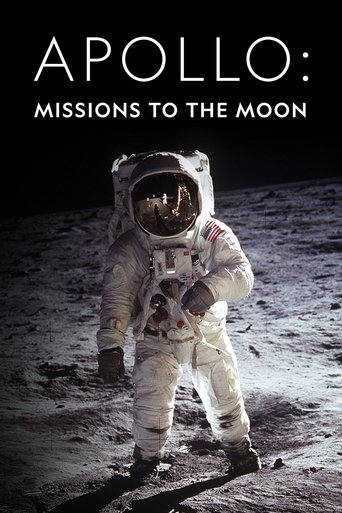
National Geographic's riveting effort recounts all 12 crewed missions using only archival footage, photos and audio.
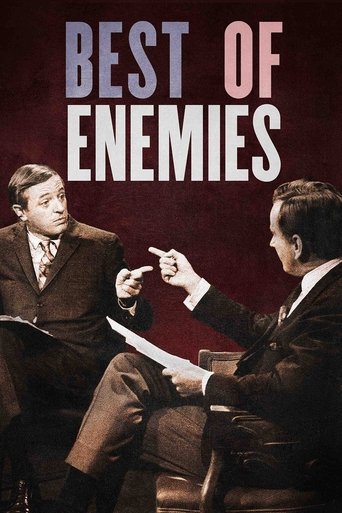
A documentary about the legendary series of nationally televised debates in 1968 between two great public intellectuals, the liberal Gore Vidal and the conservative William F. Buckley Jr. Intended as commentary on the issues of their day, these vitriolic and explosive encounters came to define the modern era of public discourse in the media, marking the big bang moment of our contemporary media landscape when spectacle trumped content and argument replaced substance. Best of Enemies delves into the entangled biographies of these two great thinkers, and luxuriates in the language and the theater of their debates, begging the question, "What has television done to the way we discuss politics in our democracy today?"
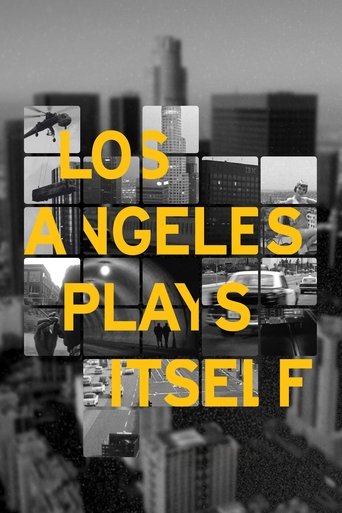
From its distinctive neighborhoods to its architectural homes, Los Angeles has been the backdrop to countless movies. In this dazzling work, Andersen takes viewers on a whirlwind tour through the metropolis' real and cinematic history, investigating the myriad stories and legends that have come to define it, and meticulously, judiciously revealing the real city that lives beneath.

When Sgt. First Class Brian Eisch is critically wounded in Afghanistan, it sets him and his sons on a journey of love, loss, redemption and legacy.
Similar titles
In 1931, three Aboriginal girls escape after being plucked from their homes to be trained as domestic staff, and set off on a trek across the Outback.
After getting threatened by Kelly's friends and family, Constable Fitzpatrick places the blame on Ned Kelly and exaggerates what happened. With the biggest ever award available, Kelly and his gang set into the wild, to remain hidden from everyone who seeks them. Even if it means having his family arrested, the members of the Kelly Gang stay hidden and plan a way to get their names cleared.

Packed with drama, high emotions and cliff-hanger moments, Australia Says Yes is the intimate and personal history of struggle and perseverance that propelled Australia to say Yes to marriage equality. The film shows how a group of determined individuals fought tirelessly against unjust laws that treated LGBTIQ people as second-class citizens, creating a movement that saw them go from criminals to legally equal over the course of five decades.
The Ripple Effect is a powerful documentary primarily centred around St Kilda legend and proud Noongar Nicky Winmar's generation-defining stand against racism at Victoria Park in 1993.
Somewhere in Australia in the early 20th century outback, an Aboriginal man is accused of murdering a white woman. Three white men are on a mission to capture him with the help of an experienced Indigenous man.
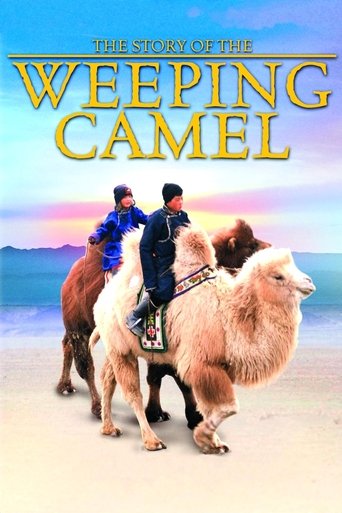
When a Mongolian nomadic family's newest camel colt is rejected by its mother, a musician is needed for a ritual to change her mind.
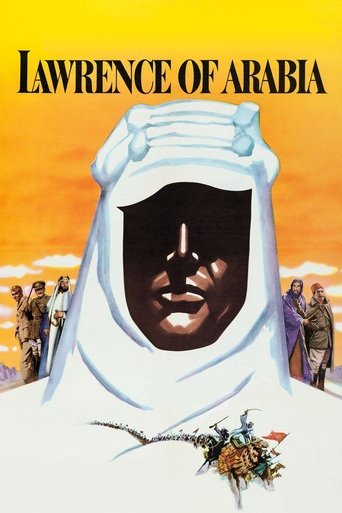
During World War I, English officer Thomas Edward 'T.E.' Lawrence sets out to unite and lead the diverse, often warring, Arab tribes to fight the Turks.

On November 15, 1938 the steamship Dalfram berthed at No. 4 jetty Port Kembla to load pig iron for Kobe, Japan. Ted Roach, Branch Secretary, addressed the men at the labour pick up for the Dalfram. He told the men of the destination of the pig iron and the use of the pig iron in the use of weapons – first to be used against the Chinese and they feared that eventually - against Australia. At 11 am the men walked off the ship declaring they refused to load pig iron for Japan to turn into weapons. It led to an eleven week lock-out, with incredible pressure being applied by the government of the day. On the 11th of January 1939, Robert Menzies Attorney General at the time, came to Wollongong to sort out the dispute. He met with an angry crowd where a lady screamed out Pig Iron Bob for the first time. It lasted his lifetime.
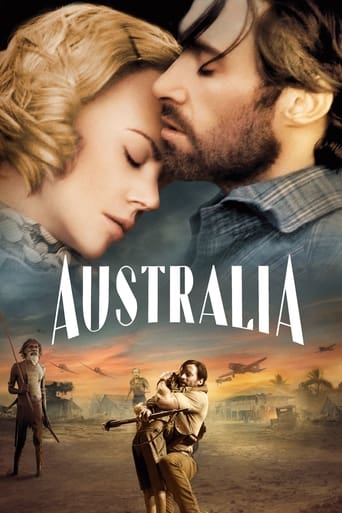
Set in northern Australia before World War II, an English aristocrat who inherits a sprawling ranch reluctantly pacts with a stock-man in order to protect her new property from a takeover plot. As the pair drive 2,000 head of cattle over unforgiving landscape, they experience the bombing of Darwin by Japanese forces firsthand.
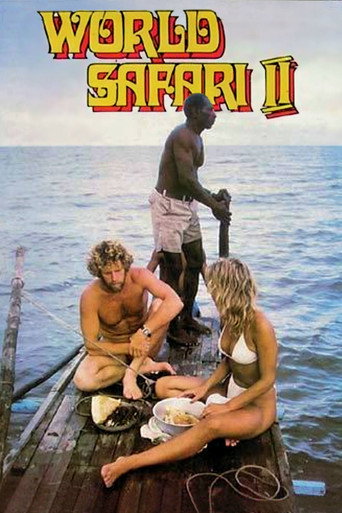
Six years in preparation & three years in filming, World Safari 2 covers one of the largest Australian cattle musters, the wild New Guinea highlands and finally discover the terrorist controlled jungles of South America.
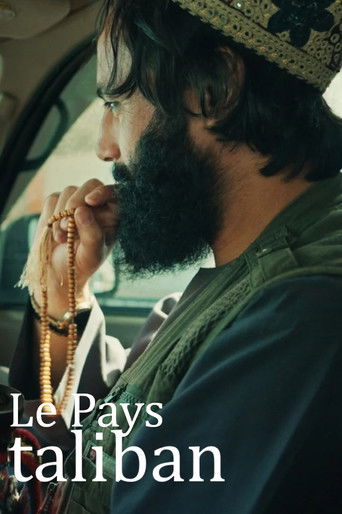
Almost five years after their return to power, a new era has dawned under the yoke of the Taliban, an inflexible fundamentalist regime. Under their rule, the former republic has disappeared, replaced by an ultra-rigid power structure closed off from the rest of the world and the foreign press. An "Islamic Emirate of Afghanistan", largely unrecognised, even by Islamic theocracies. After four shoots, mainly carried out outside the official framework, "The Taliban Country" offers a glimpse into the heart of this new Afghan reality. Through the eyes of the men and women facing these upheavals, the film paints a portrait of a paradoxical and radical system. It offers an in-depth look at the workings of a state characterised by extreme rigour, unparalleled in the contemporary world.

This documentary explores one of the most extraordinary chapters in Australia's history - the attempts by successive Australian governments to fortress the nation with atomic weapons.

A journey thru the backbone of the continent, from south to north, the challenging center discovering the landmarks, the Great Ocean Road, K.I., Coober Pedy, Uluru-Kata-Tjuta, Nitmiluk, and Kakadu. Nature and history.
For the Honour of Australia is a 1916 film composed of footage from two 1915 Australian silent films, For Australia and How We Beat the Emden, plus the documentary How We Fought the Emden.
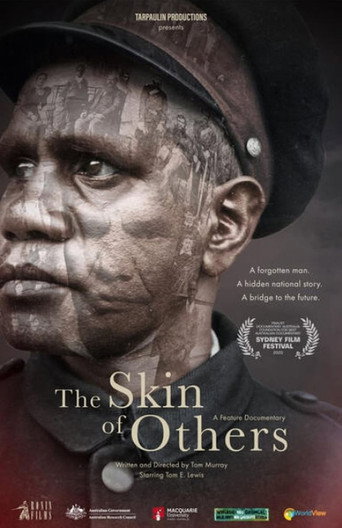
Douglas Grant (c. 1885–1951) was an Aboriginal man who became widely known in his own lifetime: an intellectual, a journalist, a soldier in the First World War, a reader of Shakespeare and a bagpipe player who could hold a convincing Scottish accent. His path ran from Australia to Britain and Europe and back, crossing those of Henry Lawson and Archduke Franz Ferdinand along the way. Balang Tom E. Lewis retraces that life in reflections by turns thoughtful and playful, and through it the longer history of colonial Australia and its relationship with First Nations people.

Robyn Davidson, famous for her solo expedition across the west Australian deserts by camel in the 1970s, presents this documentary telling the story of Australia's camels and the people who brought them here.
Jazmin Theodora, 83 is A Nimbin Local Legend and Tarot reader. Jazmin uses her physic abilities to get people in touch with who they are. Her story is about always being yourself. Own who you are and be proud of who you are, regardless of your age. A strong, passionate woman, Jazmin’s zest life shines through inspiring others to live their very best life.
An exploration into the early history of Australian herding

Ray Martin goes on a grand quest to locate a mysterious outback rock formation he spotted and photographed from an airliner 37,000 feet in the air.

Nestled deep in the Australian Outback is the town of Larrimah and its 11 eccentric residents. When one of them mysteriously disappears into thin air, the remaining residents become suspects and a long history of infighting is unveiled.