The Brighton Bomb
2004-09-14 · 60 min · Not rated
It was the most notorious terrorist incident since the Gunpowder Plot - an attempt by the IRA to wipe out the entire UK government on 12 October 1984 as it convened on the south coast. Award-winning journalist Peter Taylor remembers the carnage as special effects and emotional testimony from survivors combine in a tense reconstruction. Followed by The Hunt for the Bomber.
Trailers are previews, not full movies.
No authorized playback source configured. Use the legal watch options below.
Production details
- Directors
- Sandy Smith
- Production companies
- BBC
- Countries
- United Kingdom
- Status
- Released
Top Cast
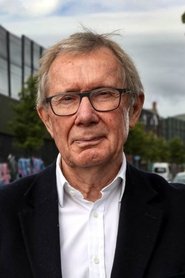 Peter TaylorSelf
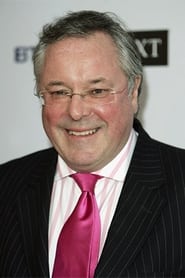 Richard WhiteleySelf
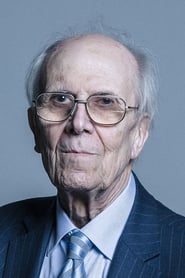 Norman TebbitSelf
Title information and images are supplied by TMDb. Explore our discovery guide for advice on comparing metadata and legal viewing options.
Where to watch
Availability provided by JustWatch via TMDb. Offers can change. Provider links are listed on TMDb; full playback requires a separately authorized source.
Availability not listed for this country.
Seasons & episodes
Recommendations

A string of threatening emails escalates into a revenge plot involving a newly married US marshal and his ex-girlfriend.

Director Michael Apted revisits the same group of British-born adults after a 7 year wait. The subjects are interviewed as to the changes that have occurred in their lives during the last seven years.

Director Michael Apted revisits the same group of British-born adults after a 7 year wait. The subjects are interviewed as to the changes that have occurred in their lives during the last seven years.

In an intimate and joyful story of love in the face of loss, celebrated poets Andrea Gibson and Megan Falley find strength—and unexpected hilarity—in what might be their final year together.

A compilation of over 30 years of private home movie footage shot by Lithuanian-American avant-garde director Jonas Mekas, assembled by Mekas "purely by chance", without concern for chronological order.
Unravel the case of Utah therapist Jodi Hildebrandt, whose child abuse arrest with parenting YouTuber Ruby Franke exposed a twisted tale of manipulation.

A documentary on the expletive's origin, why it offends some people so deeply, and what can be gained from its use.

A real-life undercover thriller about two ordinary men who embark on an outrageously dangerous ten-year mission to penetrate the world's most secretive and brutal dictatorship: North Korea.

Over 35 years after Bob Lazar's revelations, this documentary exposes secrets of a facility the government still denies. Featuring Lazar's testimony, recreations, and new evidence, it reopens a case that continues to spark global curiosity

Documentary filmmaker Amy Berg investigates the life of 30-year pedophile Father Oliver O'Grady and exposes the corruption inside the Catholic Church that allowed him to abuse countless children. Victims' stories and a disturbing interview with O'Grady offer a view into the troubled mind of the spiritual leader who moved from parish to parish gaining trust ... all the while betraying so many.
Legendary journalist Gay Talese unmasks a motel owner who spied on his guests for decades. But his bombshell story soon becomes a scandal of its own.

A 1993 documentary film about Bruce Lee. The film includes interviews from some of his fellow students and opponents who worked alongside him in his movies.
After another 7 year wait, director Michael Apted revisits the same group of British-born children from Seven Up! and 7 Plus Seven. The subjects are interviewed as to the changes that have occurred in their lives during the last seven years.
A documentary on legendary movie-poster artist Drew Struzan.

A detailing of the rise to prominence and global sporting superstardom of six supremely talented young Manchester United football players (David Beckham, Nicky Butt, Ryan Giggs, Paul Scholes, Phil and Gary Neville). The film covers the period 1992-1999, culminating in Manchester United's European Cup triumph.
A sexual wellness company gains fame and followers, then members come forward with shocking allegations.

An inside look at one of the most anticipated movie sequels ever with James Cameron and cast.
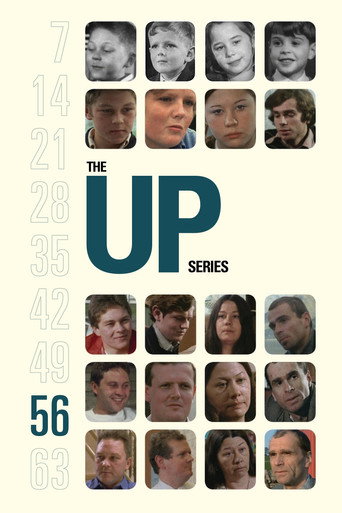
When a cross-section of seven-year-olds were interviewed for 7 Up in 1964 it was immediately evident that their social backgrounds influenced their attitudes towards life. While the upper class children were confident and self-assured, those from middle and working class backgrounds were resigned to a challenging life of hard work. This premise was put to the test every seven years when the same group were interviewed about the progression of their lives. 49 years in the making, the changes that occurred to the original 14 make for fascinating television and are in many ways the stories of all our lives. From success and disappointment, marriage and childbirth, to poverty and illness, nearly every facet of life has been captured on film. Now, at the age of 56, the group are once more brought together and, with the benefit of hindsight, assess whether their lives have been ruled by circumstance or self-determination.
Serial killer Dennis Nilsen narrates his life and horrific crimes via a series of chilling audiotapes recorded from his jail cell.

The film follows adventurer Jeff Johnson as he retraces the epic 1968 journey of his heroes Yvon Chouinard and Doug Tompkins to Patagonia.
Similar titles
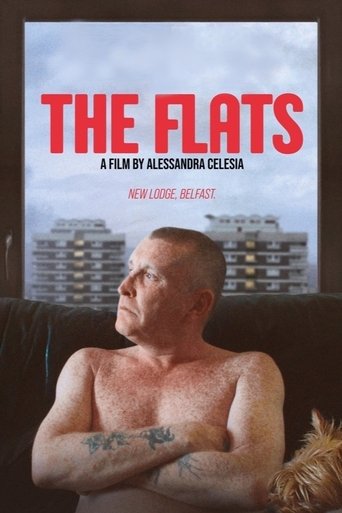
In his tower-block apartment in New Lodge, Joe reenacts memories from his childhood amidst the “Troubles”. In this Catholic area of Belfast, the number of deaths was tragically significant. Joe is joined by neighbours Jolene, Sean, Angie, and others, all willingly participating in this process of revisiting the collective memories that shaped their lives and the district they live in.
Belfast-born actor Stephen Rea explores the impact of Brexit and the uncertainty of the future of the Irish border in a short film written by Clare Dwyer Hogg.
The story of Father Alec Reid’s complex and controversial peace plan to bring an end to violence in Northern Ireland, which eventually led to the historic Good Friday Agreement.
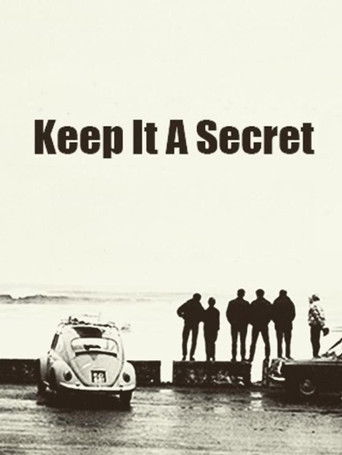
In the early 1970s, the world-class waves of Ireland were uncharted waters for the international surfing community. Amidst the ongoing conflict of the Troubles, pioneers in both Dublin and Belfast transcended political hostilities to host the 1972 Eurosurf championship. This look into the unsung history of the Emerald Isle’s now world-renowned surf scene details the power of sport to bridge any divide.
A poetic, intimate account of the Troubles in Northern Ireland, told through the stories of a handful of people who lost loved ones during the conflict. It’s not the story of the politicians or the terrorists. It’s the story of the mothers, sisters and daughters who kept life going when everything around them was crumbling.
America's democracy feels more divided than ever - but what if the problem lies in how we vote? "American Troubles" explores whether proportional representation could break the cycle of dysfunction, drawing comparisons from two striking case studies: Portland, Oregon, where a bold new voting system is reshaping local politics, and Northern Ireland, where proportional elections helped end decades of violent conflict. Blending history, reform, and human stories, the film shows how electoral rules can entrench division - or create space for compromise.
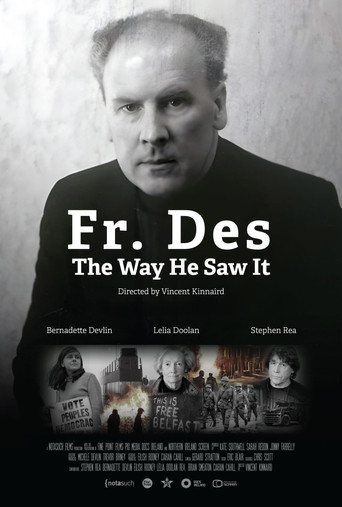
Father Des Wilson was a priest with a socialist outlook. In trouble-torn Belfast he embedded himself in a community that needed help, where he lived and worked from 1969 onwards. An extraordinary man in extraordinary circumstances.
The women of Belfast played a unique role in holding together their families and communities during the Troubles in Northern Ireland. Filmed during the fragile 17-month paramilitary cease-fire, Daughters of the Troubles: Belfast Stories looks at the challenges facing women trying to put their direct experience of grassroots problems on the agenda of the established political parties. Their strength, first exhibited on the community level, started to reach a wider public.
During the winter of 1969, young boys started to disappear off the streets of Belfast, never to be seen again.

Documentary which examined the killing of three Provisional Irish Republican Army (IRA) members in Gibraltar in March 1988 by the British Special Air Service (codenamed "Operation Flavius"). "Death on the Rock" presented evidence that the IRA members were shot without warning or with their hands up. It was condemned by the British government and denounced in the press as sensationalist. After one of its witnesses retracted his statement, "Death on the Rock" became the first individual documentary to be the subject of an independent inquiry, in which it was largely vindicated.
Made on the cusp of the 1998 Good Friday Agreement, a film retracing the conflict in Northern Ireland from 1968 to the present day - notably the civil rights movement of the late '60s, the outbreak of war in 1969, the birth of a peace process in the early 1990s that ultimately led to the IRA cease-fires of 1994 and 1997, and the current all-party negotiations that today offer the best chance for peace to the people of Northern Ireland in over a generation. Explores the complexities of the conflict through archival footage and portraits of political leaders who lived these events and played an important role in the search for a peaceful resolution to the seemingly interminable Irish “troubles”.
This feature-length documentary investigates the role the British government played in the murder of over 120 civilians in Counties Armagh and Tyrone from July 1972 to 1978.

While the overt violence and conflict associated with the Troubles may have subsided since the Good Friday Agreement, it is true that many people in Northern Ireland continue to be affected by the legacy of the conflict. This includes individuals who were directly impacted by the violence, as well as those who continue to struggle with the social, economic, and political consequences of the conflict. While the actual violence and conflict may have ended, the legacy of the Troubles still lingers on in Northern Ireland; many are still struggling to come to terms with what happened and find a way to move forward.
The story of the Northern Ireland Troubles through the unflinching testimony of two men who played key roles on opposite sides of that bloody conflict. Nearly ten years ago the two paramilitary leaders told their stories on condition that they could never be revealed while they were still alive. The stories told by the Irish Republican Army's Brendan Hughes and Ulster Volunteer Force's David Ervine tell us of the motivations of the participants, the planning of campaigns of violence, the misery of a hunger strike, the tracking and killing of informers and the duplicity that ended a conflict that had lasted too long. It is also a narrative of the fate of combatants when their wars are over.
Over fourteen days in March 1988, a sequence of traumatic events shook Northern Ireland to its core and shocked the world. But it was also 14 days that compelled one man, Redemptorist priest Fr Alec Reid, to find a way out of the deadly cycle of violence.
The painful story of Ireland and the Irish people, who struggled for centuries to free themselves from the tyrannical clutches of the British Empire; an epic tale of poverty, hunger, despair, violence and unyielding courage.
Brighton bomber Patrick Magee talks exclusively to Peter Taylor about how and why he planted a bomb in the Grand Hotel, while intelligence experts and bomb specialists speak for the first time about how they foiled a follow-up campaign on an even more devastating scale.

The testimony of the men who unwittingly became war photographers on the streets of their own towns in Northern Ireland, when violence erupted around them. Instead of photographing weddings and celebrities, as they expected, they produced the images that crudely show the suffering of ordinary people between 1968 and 1998, the worst years of the conflict.
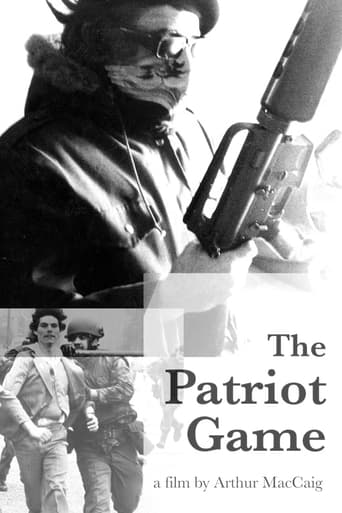
Recounts Ireland's history from British colonization to the territory's division in 1922, then from 1968 details a decade of events through images and eyewitness accounts of killings and such massacres as the infamous "Bloody Sunday" as the IRA argues their cause.
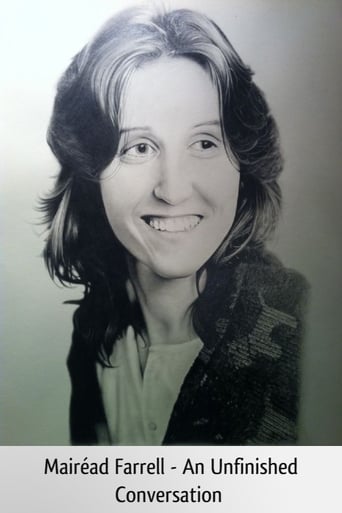
Mairéad Farrell was shot dead by the SAS in Gibraltar in 1988 along with two other unarmed members of the IRA in one of the most controversial incidents arising from the Troubles in Northern Ireland. She had just been released from prison the year before after serving ten years for causing an explosion at an hotel near Belfast. The killing of the three provoked an international outcry and eventual enquiry. Due to her youth, her gender and her stature within the IRA, Mairéad Farrell was, unsurprisingly, quickly subsumed into the pantheon of Irish republican martyrs. But behind the mythologizing and demonisation of the time, there was also a real person, a flesh and blood young woman who was prepared to kill and die for her beliefs.