
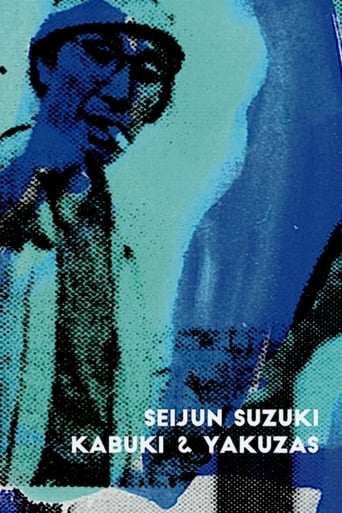
Seijun Suzuki: kabuki & yakuzas
2002-01-10 · 37 min · ★ 6.0
Film director and screenwriter Seijun Suzuki (1923-2017), who in the sixties was the great innovator of Japanese cinema; and his collaborator, art director and screenwriter Takeo Kimura (1918-2010), recall how they made their great masterpieces about the Yakuza underworld for the Nikkatsu film company.
Trailers are previews, not full movies.
No authorized playback source configured. Use the legal watch options below.
Production details
- Directors
- Carles Prats
- Production companies
- Prats Works
- Countries
- Spain
- Status
- Released
Top Cast
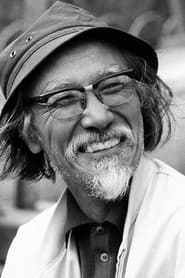 Seijun SuzukiSelf - Filmmaker & Screenwriter
 Takeo KimuraSelf - Art Director & Screenwriter
Title information and images are supplied by TMDb. Explore our discovery guide for advice on comparing metadata and legal viewing options.
Where to watch
Availability provided by JustWatch via TMDb. Offers can change. Provider links are listed on TMDb; full playback requires a separately authorized source.
Availability not listed for this country.
Seasons & episodes
Recommendations
An account of the life and work of legendary Japanese actor Toshirō Mifune (1920-97), the most prominent actor of the Golden Age of Japanese cinema.
An intimate conversation between filmmakers, chronicling De Palma’s 55-year career, his life, and his filmmaking process, with revealing anecdotes and, of course, a wealth of film clips.
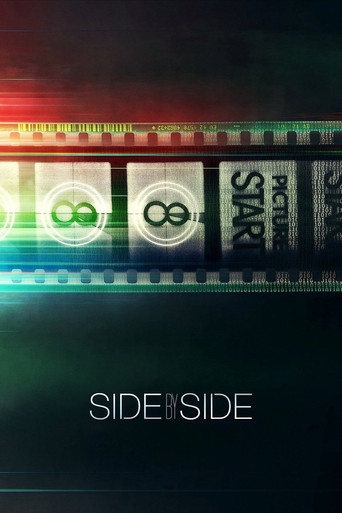
Since the invention of cinema, the standard format for recording moving images has been film. Over the past two decades, a new form of digital filmmaking has emerged, creating a groundbreaking evolution in the medium. Keanu Reeves explores the development of cinema and the impact of digital filmmaking via in-depth interviews with Hollywood masters, such as James Cameron, David Fincher, David Lynch, Christopher Nolan, Martin Scorsese, George Lucas, Steven Soderbergh, and many more.
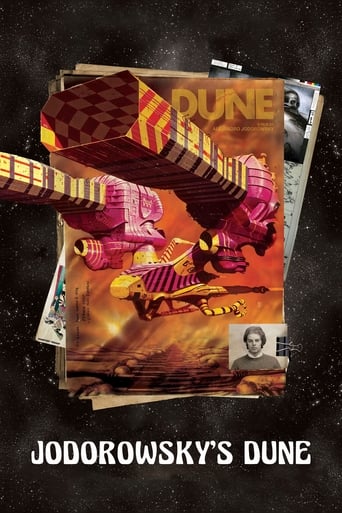
In 1974, Chilean-French director Alejandro Jodorowsky embarked on the quixotic project of adapting Frank Herbert's influential novel Dune (1969) for the big screen. After investing two years, and millions of dollars, the gigantic project ended in failure; but the artists Jodorowsky brought together to carry it out continued to work together, and ended up laying the foundations for modern science fiction cinema.
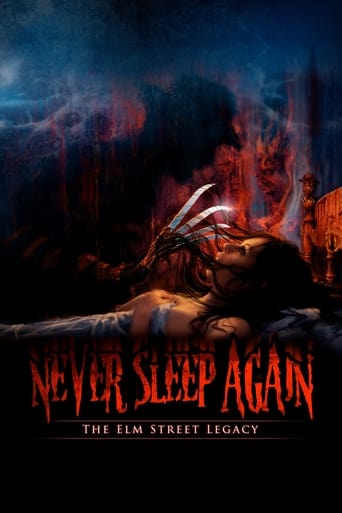
For decades, Freddy Krueger has slashed his way through the dreams of countless youngsters, scaring up over half a billion dollars at the box office across eight terrifying, spectacular films.
From a prolific career in film and television, Anton Yelchin left an indelible legacy as an actor. Through his journals and other writings, his photography, the original music he wrote, and interviews with his family, friends, and colleagues, this film looks not just at Anton's impressive career, but at a broader portrait of the man.
Robert Altman's life and career contained multitudes. This father of American independent cinema left an indelible mark, not merely on the evolution of his art form, but also on the western zeitgeist. With its use of rare interviews, representative film clips, archival images, and musings from his family and most recognizable collaborators, Altman is a dynamic and heartfelt mediation on an artist whose expression, passion and appetite knew few bounds.
An intimate documentary delving into Rian Johnson's process as he comes in as a director new to the Star Wars universe.

Bruce Lee is universally recognized as the pioneer who elevated martial arts in film to an art form, and this documentary will reveal why Bruce Lee's flame burns brighter now than the day he died over three decades ago. The greatest martial artists, athletes, actors, directors, and producers in the entertainment business today will share their feelings about the one who started it all. We will interview the people whose lives, careers, and belief systems were forever altered by the legendary "Father of Martial Arts Cinema". Rarely seen archival footage and classic photos will punctuate the personal testimonials. Prepare to be inspired.
As his life comes to its end, famous Hollywood director Orson Welles puts it all on the line at the chance for renewed success with the film The Other Side of the Wind.
An intense portrait of the iconic filmmaker, writer, actor, comedian and musician Woody Allen: his life, family and friends; his writing and directing habits, and his relationship with performers.
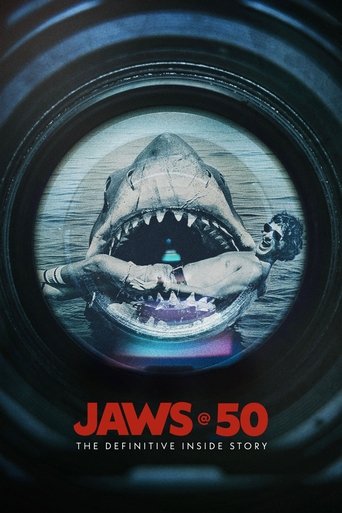
The authorized documentary celebrating the film that redefined Hollywood, 50 years after its premiere. Featuring rare archival footage and interviews with acclaimed Hollywood directors alongside Steven Spielberg, top shark scientists, and conservationists, the film uncovers the behind-the-scenes chaos and how the film launched the summer blockbuster, inspired a new wave of filmmakers, and paved the way for shark conservation that continues today.
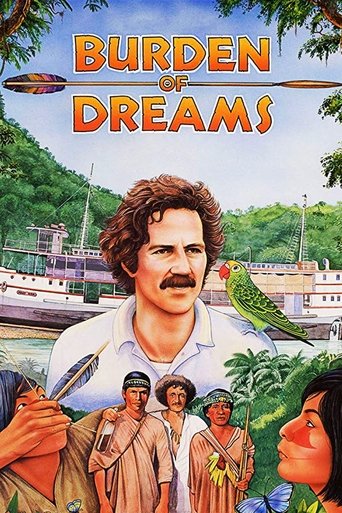
The Amazon rain forest, 1979. The crew of Fitzcarraldo (1982), a film directed by German director Werner Herzog, soon finds itself with problems related to casting, tribal struggles and accidents, among many other setbacks; but nothing compared to dragging a huge steamboat up a mountain, while Herzog embraces the path of a certain madness to make his vision come true.

Cameramen and women discuss the craft and art of cinematography and of the "DP" (the director of photography), illustrating their points with clips from 100 films, from Birth of a Nation to Do the Right Thing. Themes: the DP tells people where to look; changes in movies (the arrival of sound, color, and wide screens) required creative responses from DPs; and, these artisans constantly invent new equipment and try new things, with wonderful results. The narration takes us through the identifiable studio styles of the 30s, the emergence of noir, the New York look, and the impact of Europeans. Citizen Kane, The Conformist, and Gordon Willis get special attention.

One-man armies, meet-cutes, casual strolls away from huge explosions — stars and industry insiders toast and roast these cinematic chestnuts and more.
Documentary about the art of film editing. Clips are shown from many groundbreaking films with innovative editing styles.
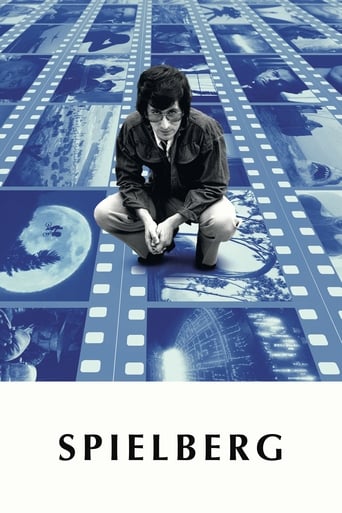
A documentary on the life and career of one of the most influential film directors of all time, Steven Spielberg.

The fantastic story of how an ancient martial art, Chinese kung fu, conquered the world through the hundreds of films that were produced in Hong Kong over the decades, transformed Western action cinema and inspired the birth of cultural movements such as blaxploitation, hip hop music, parkour and Wakaliwood cinema.
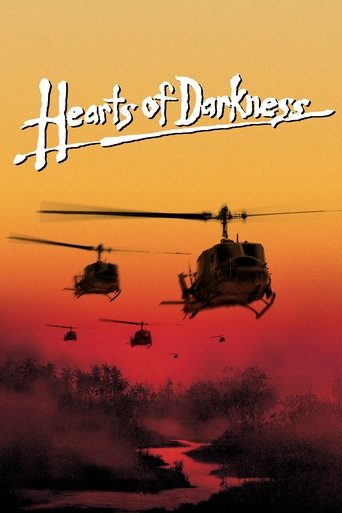
A chronicle of the production problems — including bad weather, actors' health, war near the filming locations, and more — which plagued the filming of Apocalypse Now, increasing costs and nearly destroying the life and career of Francis Ford Coppola.

This revealing documentary honors the legendary Sidney Poitier—iconic actor, filmmaker, and civil rights activist. Featuring interviews with Denzel Washington, Spike Lee, Halle Berry, and more.
Similar titles
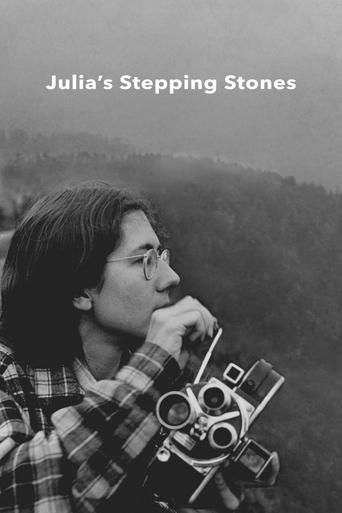
Oscar-winning filmmaker Julia Reichert reflects on the social, economic and personal forces that led to her career as a pioneering documentarian.

The story, hidden by historians and biographers, of Jeanne, a black woman, whose real name is unknown, who was the muse and companion of the mythical French poet Charles Baudelaire (1821-1867).

Film critic Alejandro G. Calvo traces an audiovisual journey through the work of David Lynch trying to find clues to decipher his enigmatic universe.

At a pivotal moment for gender equality in Hollywood, successful women directors talk about their art, lives and careers.
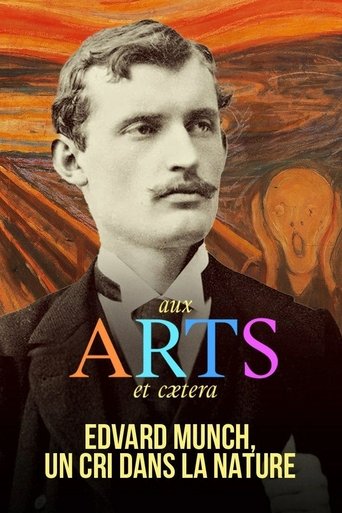
The Norwegian painter Edvard Munch is the author of a powerful body of work that is rooted in symbolism and expressionism. His most famous painting, "The Scream", painted in 1893, has become the symbol of existential anguish. He obsessively sought to express his most violent emotions in the face of death and love, bringing them together in a great whole, the "Frieze of Life". Nature, in perpetual movement, the bearer of vital momentum, helped him to exalt his anguish of living through its colors and undulating lines.
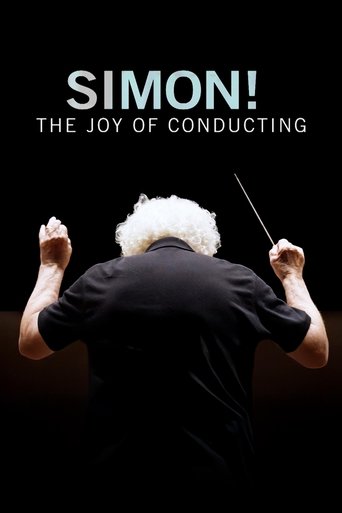
“As I child, I always had music in my head. I thought everybody did,” the legendary conductor Sir Simon Rattle recalls. His charming and humorous reflections on the unifying magic of conducting are complemented by interviews with well-known contemporaries and accompanied by thrilling concert footage. His music is a joy to all those who listen to it!
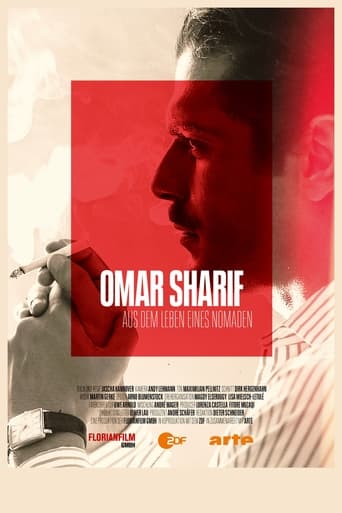
Several high-budget epic films became Omar Sharif (1932-2015) a film star. He was an actor, but also a bridge player, a womanizer, a bon vivant; he was a man full of contradictions, who enjoyed card games more than movies; he was an eternal nomad who spent half his life in a hotel.

Exploring the edits to receive an R rating from the MPAA.

An appreciation of Dressed to Kill by Keith Gordon

At his Long Island beach house, and on the occasion of the publication of his masterful nonfiction novel In Cold Blood, reporter Karen Dennison interviews celebrated writer Truman Capote, who displays his exuberant personality, makes witty jokes, shares his thoughts on writing, reflects on various aspects of the book and, in a sweet and endearing voice, reads and explains some of its highlights.

The extraordinary life of Orson Welles (1915-85), an enigma of Hollywood, an irreducible independent creator: a musical prodigy, an excellent painter, a master of theater and radio, a modern Shakespeare, a magician who was always searching for a new trick to surprise his audience, a romantic and legendary figure who lived only for cinema.

An account of the short life and the astonishing and provocative work of the Austrian painter Egon Schiele (1890-1918), seen through the peculiar point of view and the critic voices of the women who defined the paramount milestones of his existence: Gerti, his sister; Wally, his main model and lover; and Edith, his wife. A brief story of love, hate, betrayal and misfortune.

Documentary about the Swedish artist and painter Philip von Schantz.

In 1936, the sound film had already been around for a decade. Nevertheless, Charlie Chaplin (1889-1977) made another silent film, "Modern Times", which only used sound effects as a dramaturgical device. Speaking is reserved for the apparatus alone. The film became a monument in the history of cinema for this very reason.
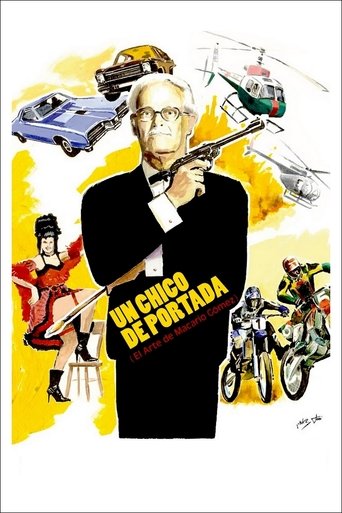
Macario 'Mac' Gómez talks about his long career as a film poster designer.
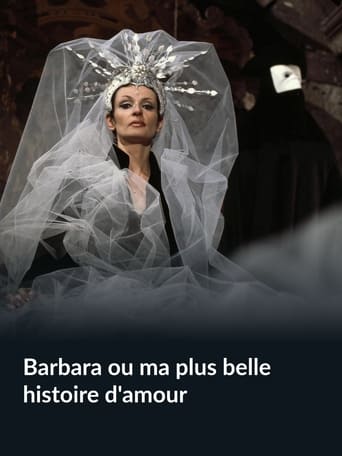
In the early 70s, Barbara discovered herself backstage on her French tour. The artist plays with intimacy and camera glances. Between concerts, she talks to herself and the men in her life.
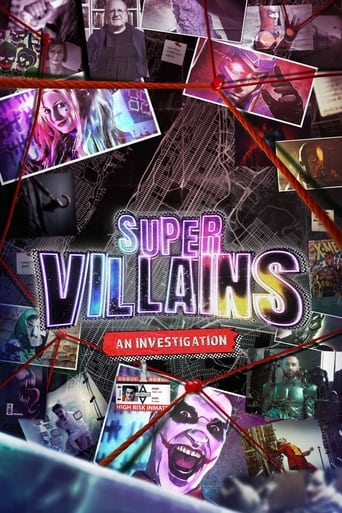
An in-depth exploration of supervillains across comic book history, this French documentary zooms in on the complex motivations, origins, and morals behind these sinister yet fascinating characters.

The story of iconic Spanish artist Susana Estrada's struggle against censorship and sexual repression during the turbulent years following the death of dictator Francisco Franco.
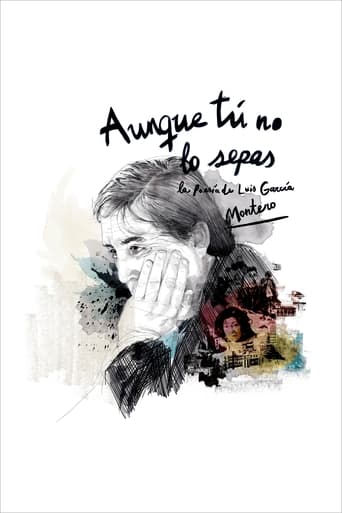
An account of the life and work of the Spanish poet Luis García Montero; a journey through his experiences, his mentors, his influences and his contact with other artists, both from the literary world and from other disciplines.
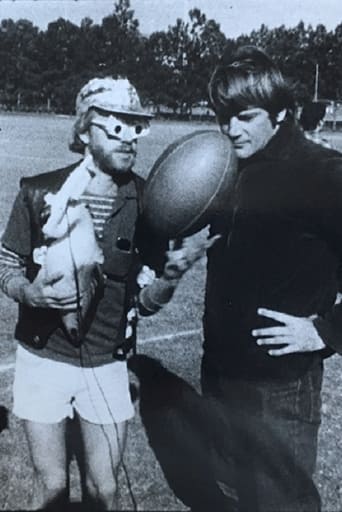
A peculiar homage to the things that go wrong, this film is purportedly about rugby. The self-explanatory title for this jumpy “documentary” is less concerned with the filmed subject (the game, the field, the players) than a comic editing style and the complete acknowledgement given to the technical aspect of gathering and manipulating raw footage.