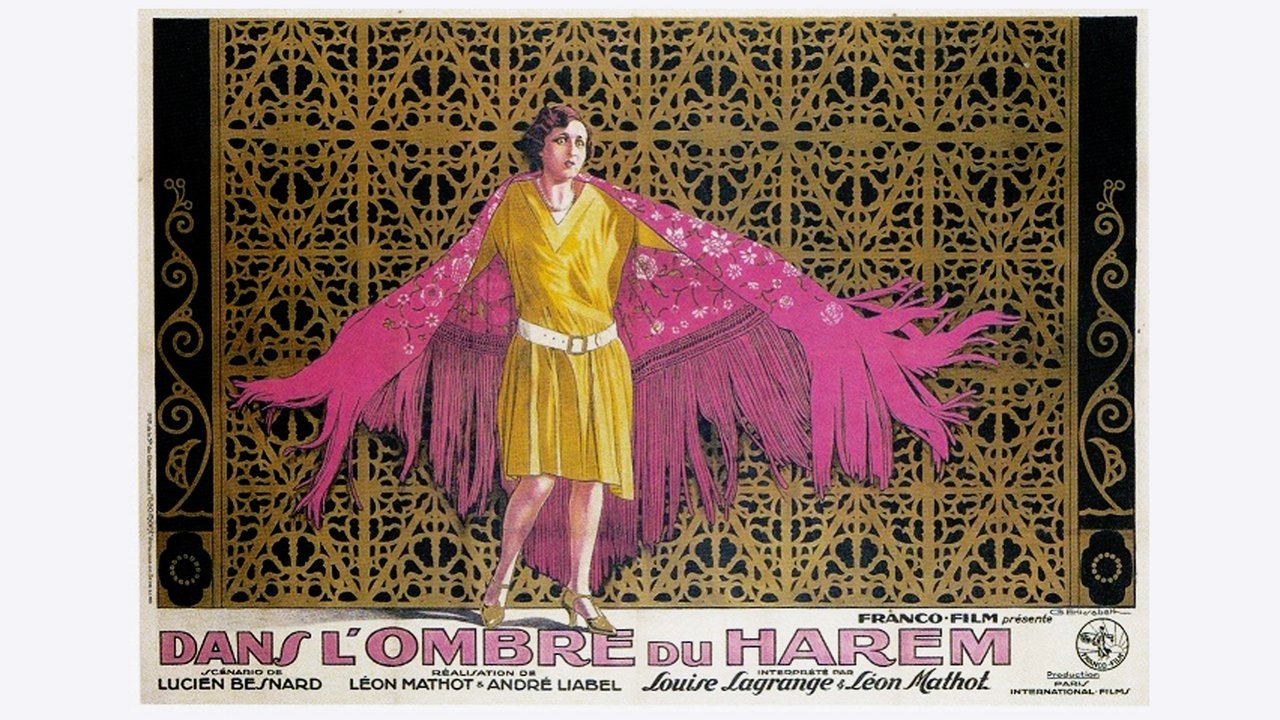
In the Shadow of the Harem
1928-07-06 · Runtime unavailable · ★ 7.0
An emir wants revenge on a secretary who posed as a rival to a beautiful woman. He holds in his palace which refers to himself as a trap, the wife of the secretary, and thinks of becoming her lover. The charm and nobility of the young woman end up softening the emir. He bows, returns her to her husband, and forgives the beauty.
Trailers are previews, not full movies.
No authorized playback source configured. Use the legal watch options below.
Production details
- Directors
- Léon Mathot, André Liabel
- Production companies
- Paris International Film (PIF)
- Countries
- France
- Status
- Released
Top Cast
 Léon MathotL'Émir Si Abd El Nasser
 Jackie MonnierPrincesse Djebellen Nour
 Louise LagrangeSimone de Montfort
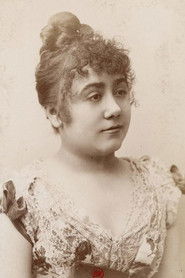 Thérèse KolbServante Habida
 André VolbertLe gouverneur
Title information and images are supplied by TMDb. Explore our discovery guide for advice on comparing metadata and legal viewing options.
Where to watch
Availability provided by JustWatch via TMDb. Offers can change. Provider links are listed on TMDb; full playback requires a separately authorized source.
Availability not listed for this country.
Seasons & episodes
Recommendations

A young woman becomes entangled with a successful businessman, but her ex tries to win her back, provoking intense jealousy that leads her to reconsider her choice. Ultimately, one man's actions force a resolution to her dilemma.
A novelist is blinded in a car crash that killed his wife and several years later rediscovers his passion for life and writing when he embarks on an affair with the neglected wife of an indicted businessman.

When a young woman meets an aspiring saxophonist in her father’s record shop in 1950s Harlem, their love ignites a sweeping romance that transcends changing times, geography, and professional success.
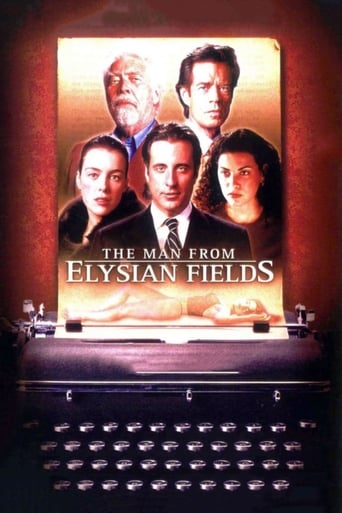
A failed novelist's inability to pay the bills strains relations with his wife and leads him to work at an escort service, where he becomes entwined with a wealthy woman whose husband is a successful writer.

Vivien, an accomplished student with a passion for physics, and Roy, a troubled young man, are involved in an accident that forces them to reclaim their lives one minute at the time.

Bridger is a young outsider who's always wanted more. He and his mother flee an abusive home, eventually finding a small town in the middle of nowhere. Once there, Bridger finds true acceptance with another misfit.

A U.S. soccer star suffers a career-threatening injury in the run-up to the World Cup, and during his recovery, embarks on an epic romance with a Russian single mom.

A widow with three children hires a handyman to fix her house during a major storm. When not doing home repairs, he shares his philosophy of believing in the power of the universe to deliver what we want.

Elegant, retired architect Shauna (70) crosses paths with Pierre, a happily married doctor in his 40s, who first made an impression on her in a brief meeting 15 years previously. Both are quite troubled to meet again and begin an affair. While Pierre’s family life is soon turned upside down, Shauna struggles with feelings she thought belonged to the past.

Lucas has invented a new computer language but at the same time he has been informed about his strange terminal illness during which he has been gradually losing his memory. Shortly after that he meets Blanche who acts as a medium in a bizarre traveling show. Dying Lucas follows her to the sea resort where they spend together several days and nights.

In contemporary Los Angeles, two millennials navigating a social media–driven hookup culture begin a relationship that pushes both emotional and physical boundaries.

A tough, street-smart kid serving a sentence in a state youth reformatory meets a beautiful, innocent girl studying at a nearby convent. When forbidden love blossoms between them, they must fight the prison authorities, their parents and the law.

An intriguing and sinful exploration of seduction, forbidden love, and redemption, Gabriel's Inferno is a captivating and wildly passionate tale of one man's escape from his own personal hell as he tries to earn the impossible--forgiveness and love.

Clare and Aidan make a pact to break up before college — no regrets, no broken hearts. But will one epic goodbye date offer them a last chance at love?

Algeria, the 1930s. Younes is nine years old when he is put in his uncle's care in Oran. Rebaptized Jonas, he grows up among the Rio Salado youths, with whom he becomes friends. Emilie is one of the gang; everyone is in love with her. A great love story develops between Jonas and Emilie, which is soon unsettled by the conflicts troubling the country.

A man and a woman meet to fulfill her sexual fantasy.
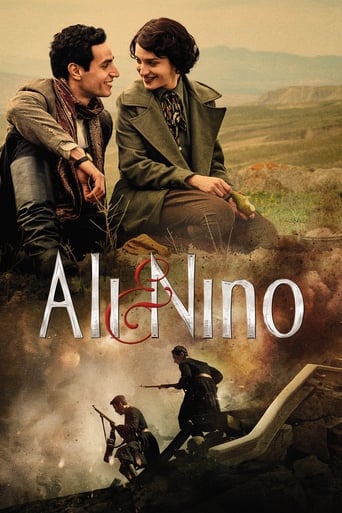
Muslim prince Ali and Georgian aristocrat Nino have grown up in the Russian province of Azerbaijan. Their tragic love story sees the outbreak of the First World War and the world’s struggle for Baku’s oil. Ultimately they must choose to fight for their country’s independence or for each other.

A philosophy professor has an illicit affair with one of his students, a bright yet troubled girl who lives alone.

Trying to put her life back together after the death of her husband, Libby and her children move to her estranged Aunt's goat farm in central Texas.

A group of mourners travels by train to bury a recently deceased artist in Limoges. As they journey, secrets and desires unfold, with relationships shifting, past loves resurfacing, and personal connections revealed. At the funeral and afterward, tensions rise among the group, leading to further emotional complexities at the artist’s family home.
Similar titles
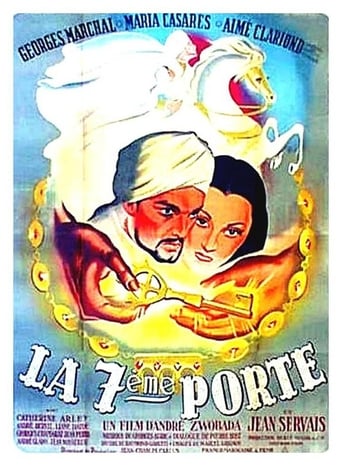
An old man about to die gives all his fortune to a young beggar he meets in an Arabian town. He takes him to his house (now the poor man's property) and he strongly advises him not to open one of the doors, the seventh door. "I could throw the key into the sea" says the young lad" No use, you'd dive to get it back". The young man is curious and he cannot resist temptation: he opens the forbidden door. A strange world is waiting for him where a girl, Leila, will be his guide .

The collected work known as "One Thousand and One Nights" survived for centuries through generations of Arab storytellers, and is now recognized as an integral part of world literature. In this filmed performance, storyteller/filmmaker Nacer Khemir sits on chair in the middle of a dimly lit stage and deploys the magic of words to take us on a journey of the imagination. This simple set-up may not seem like much, but it offers the listener an extraordinarily colorful experience and brilliantly emphasizes the oral nature of the work. As we listen to the expertly told stories, we are equally charmed by their intricacies and entranced by their interconnectedness. Even though Khemir illustrates some of the stories with beautifully filmed sequences, the audience's ability to listen is paramount here. Sheherazade used words to avoid impending death, Khemir uses the art of storytelling to breathe a new life into this ancient masterwork.
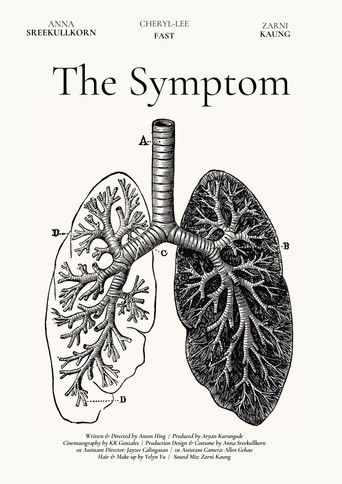
A middle-aged woman comes down with a mysterious illness that causes her to lose her breath and faint. She attempts to travel to a far hospital but must find a passenger to keep her awake.
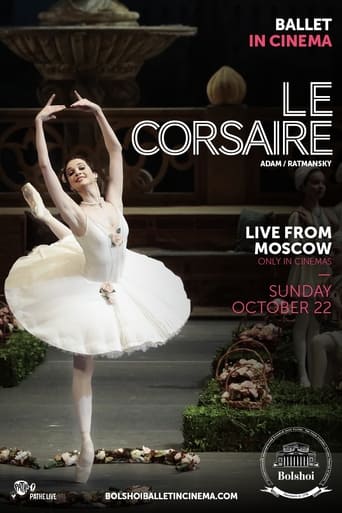
Inspired by Lord Byron’s epic poem, this jewel of the repertoire boasts a lavish production complete with a shipwreck, pirates, and some of ballet’s most renowned scenes.

A reflection on tourism assembled out of amateur videos filmed by tourists during their trips.
The beautiful Shahrazad told many stories to the ruler during the 1000 and 1 Nights, in order to save her life with the help of her wisdom and imagination. In this ruler, she opened the way to the knowledge of the strongest feeling - love. It is the story of the longed-for son of a powerful caliph, who falls in love with a princess who hates all men. After many adventures, he discovers that it is because of a dream in which he saw the betrayal of a pigeon towards a faithful dove. The strength of the caliph's son's love for the inaccessible princess convinces the wise people around him, even the princess's nanny, to help him show the truth hidden in the dream and meet his love.

Focusing on key Arab films produced in the last 20 years. Férid Boughedir traces the development of the film-makers' concern to produce more socially aware cinema. Themes include the issue of Palestinian homeland rights and the nature of Arab identity. The film-makers also share a desire to develop a strong poetic tradition.

Omar and his friend, Ali, returning to Moorish Granada after several years in the Middle East, discover that an evil usurper is now in power. With the help of a female genie, Omar sets about restoring freedom and justice.
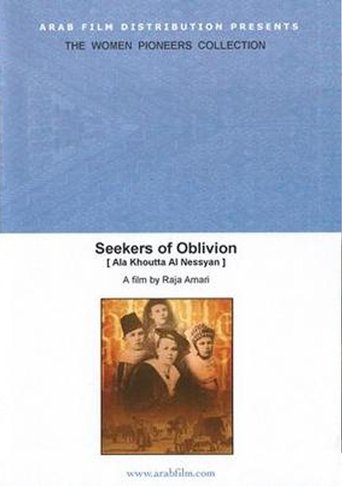
Seekers of Oblivion explores the exciting life and adventures of Isabelle Eberhardt. Born in Geneva, Switzerland in 1877, Isabelle left Europe for North Africa at a young age. While there, she consorted with tramps, prostitutes, soldiers, murderers and thieves, at times masquerading as a man in orde.
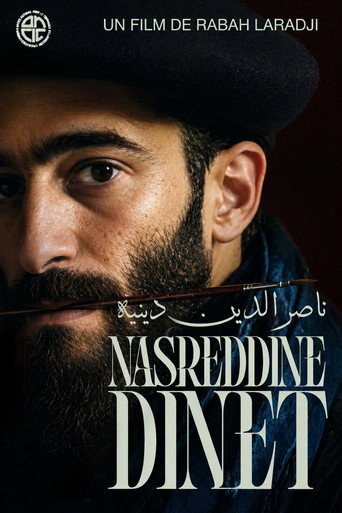
Étienne Dinet (إتيان دينيه), born March 28, 1861 in Paris, where he died on December 24, 1929, was a French painter and lithographer. He was one of the leading representatives of Orientalist painting at the turn of the 19th and 20th centuries. Obtaining a scholarship in 1884, Dinet undertook his first trip to southern Algeria in the region of Bou-Saâda, the Naili culture having a profound impact on him, as he would return there many times until he settled in his first Algerian studio in Biskra in 1900. In 1905, he bought a house in Bou-Saâda to spend three-quarters of the year there. In 1907, on his advice, the Villa Abd-el-Tif was created in Algiers, modeled on the Villa Medici in Rome. Having lived much of his life in Algeria, he called himself Nasreddine Dinet (نصر الدين ديني) after converting to Islam. On January 12, 1930, he was buried in the Bou-Saâda cemetery, where a museum that houses many of his works bears his name.

A wizard summons Ali Baba to transport a sacred crown to a nearby country. An evil ruler has taken over the land, and the crown is needed to free the people from his influence.
Edward Said, Professor of English & Comparative Literature at Columbia University, was one of the most prominent literary critics of the late 20th century and a leading spokesperson for the Palestinian cause in the US. In this episode, Said examines Western attitudes to the Arabs and finds their origins in the Crusades, Hollywood and European empire building. He sees the Palestinian fate as the result of years of Western interference. One of the ten episodes of The Arabs: A Living History.
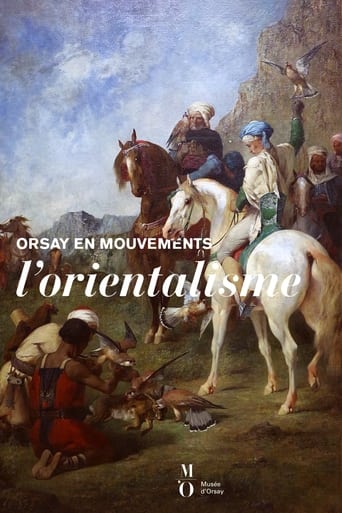
Orientalism is a literary and artistic movement born in Western Europe in the 18th century. Through its scale and popularity, throughout the 19th century, it marked the interest and curiosity of artists and writers for the countries of the West (the Maghreb) or the Levant (the Middle East). Orientalism was born from the fascination of the Ottoman Empire and followed its slow disintegration and the progression of European colonizations. This exotic trend is associated with all the artistic movements of the 19th century, academic, romantic, realistic or even impressionist. It is present in architecture, music, painting, literature, poetry... Picturesque aesthetics, confusing styles, civilizations and eras, orientalism has created numerous clichés and clichés that we still find today in literature or cinema.
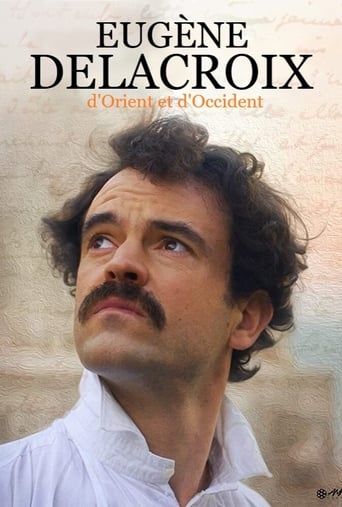
A fairy tale based on the tales of the Thousand and One Nights, about what else but greed, good and evil and finally love.
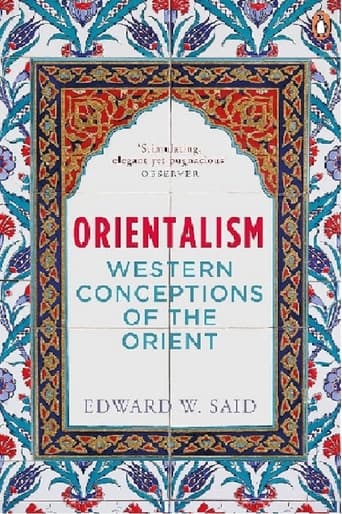
Edward Said's book Orientalism has been profoundly influential in a diverse range of disciplines since its publication in 1978. In this engaging and lavishly illustrated interview he talks about the context within which the book was conceived, its main themes, and how its original thesis relates to the contemporary understanding of "the Orient" as represented in the mass media. "That's the power of the discourse of Orientalism. If you're thinking about people and Islam, and about that part of the world, those are the words you constantly have to use. To think past it, to go beyond it, not to use it, is virtually impossible, because there is no knowledge that isn't codified in this way about that part of the world." -Edward Said
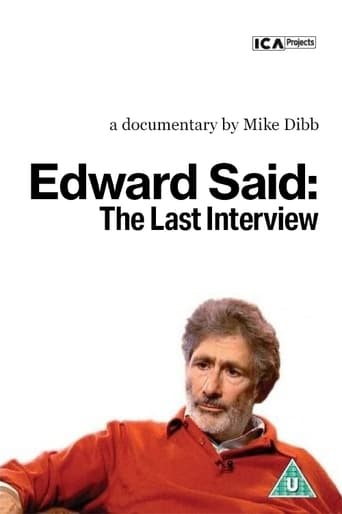
Edward Said, Professor of English & Comparative Literature at Columbia University, was a prominent literary critic of the late 20th century and a leading spokesperson for the Palestinian cause in the US. Born to a Palestinian family in Al-Quds (Jerusalem) in 1935, he and his family were dispossessed in 1948 and settled in Cairo. Educated in the US, he lived in New York for many years. Said was a member of the Palestine National Council. After resigning from the PNC in 1991, Said wrote critically about the post-Oslo peace process, the political failures of Yasser Arafat and the PLO. Said was diagnosed with leukemia in 1991 and struggled with the disease while continuing to write and teach. He stopped giving interviews but made an exception less than a year before his death in 2003, speaking about his illness, work, Palestine, politics, life, and education. The last interview is the final testament of this passionately committed intellectual.