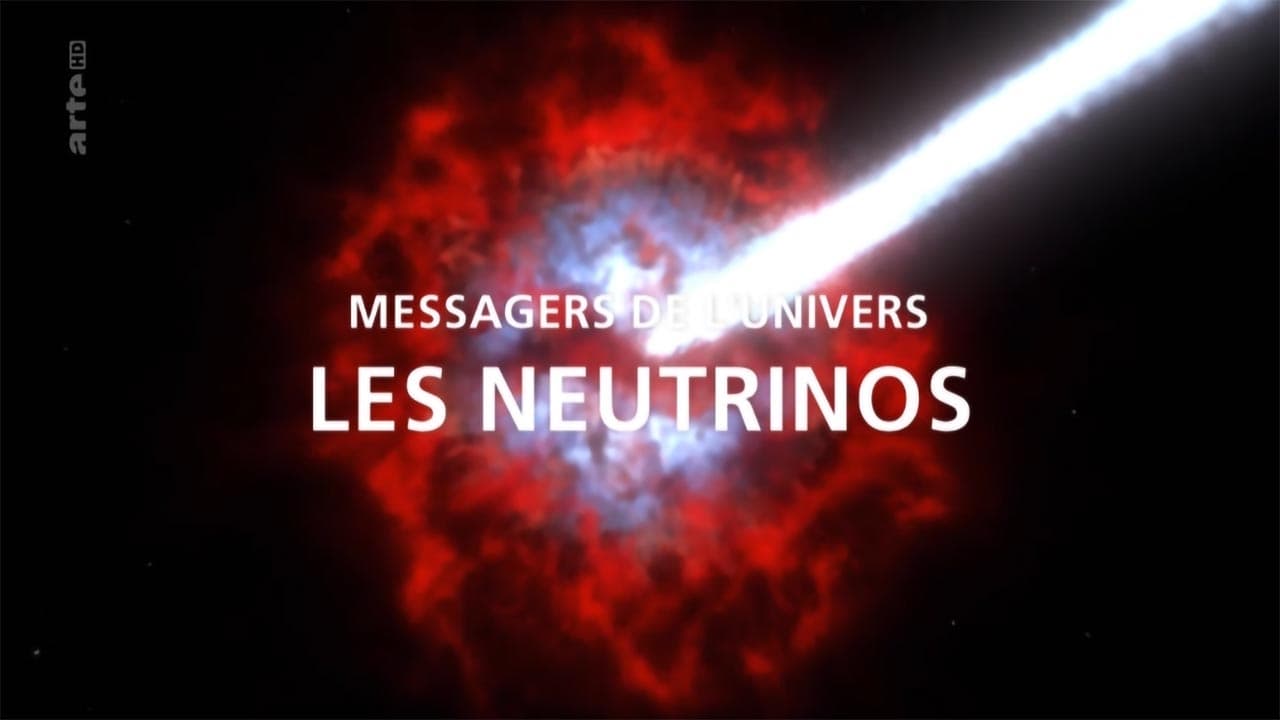

Black Holes: Messages from the Edge of the Universe
2017-05-06 · 52 min · ★ 5.0
It is the birth of neutrino astronomy. For the first time, astrophysicists can detect extra-terrestrial neutrinos in ice on the South Pole. The fundamental questions of science remain unanswered., how did the universe come to be? What keeps our world together? The newly discovered extra-galactic neutrinos may hold the keys to answering these questions.
Trailers are previews, not full movies.
No authorized playback source configured. Use the legal watch options below.
Production details
- Directors
- Martina Treusch
- Production companies
- Hoferichter & Jacobs, RBB, ARTE
- Countries
- Germany
- Status
- Released
Top Cast
 Sven PhilippNarrator
Title information and images are supplied by TMDb. Explore our discovery guide for advice on comparing metadata and legal viewing options.
Where to watch
Availability provided by JustWatch via TMDb. Offers can change. Provider links are listed on TMDb; full playback requires a separately authorized source.
Streaming
Curiosity Stream, CuriosityStream Apple TV channel, CuriosityStream Amazon Channel
Rental
Amazon Video
Purchase
Amazon Video
With ads
Tubi TV
View authorized watch options on TMDbSeasons & episodes
Recommendations

Al Pacino's deeply-felt rumination on Shakespeare's significance and relevance to the modern world through interviews and an in-depth analysis of "Richard III."
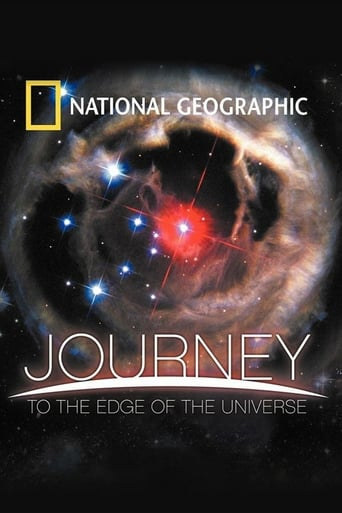
In one single, epic camera move we journey from Earth's surface to the outermost reaches of the universe on a grand tour of the cosmos, to explore newborn stars, distant planets, black holes and beyond.
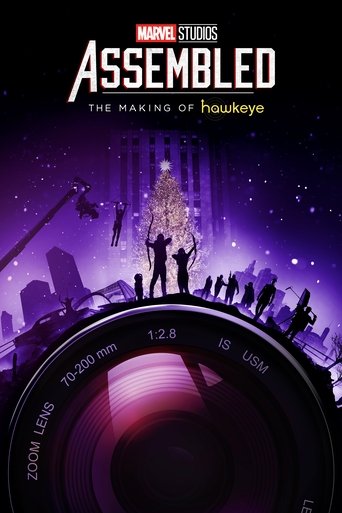
Join the likes of Jeremy Renner, Hailee Steinfeld, Florence Pugh, and Vincent D’Onofrio as they reveal how Marvel Studios’ “Hawkeye” was conceived and created. Witness firsthand what it took to pull off the show’s pulse-pounding action set pieces, and discover how iconic characters from the pages of Marvel Comics such as Kate Bishop were adapted and brought to life for the six-episode series.
Does infinity exist? Can we experience the Infinite? In an animated film (created by artists from 10 countries) the world's most cutting-edge scientists and mathematicians go in search of the infinite and its mind-bending implications for the universe. Eminent mathematicians, particle physicists and cosmologists dive into infinity and its mind-bending implications for the universe.
The Captains is a feature-length documentary film written and directed by William Shatner. The film follows Shatner as he interviews the other actors who have portrayed starship captains in the Star Trek franchise.

Part jazz history, part true-crime tale, Kasper Collin’s new documentary employs extensive archival footage and new interviews to tell the tragic story of the magnificently talented trumpeter Lee Morgan and his common-law wife Helen, who murdered him in a New York bar in 1972.

A detailing of the rise to prominence and global sporting superstardom of six supremely talented young Manchester United football players (David Beckham, Nicky Butt, Ryan Giggs, Paul Scholes, Phil and Gary Neville). The film covers the period 1992-1999, culminating in Manchester United's European Cup triumph.
The life of Mr. Spock, as well as that of Leonard Nimoy, the actor who played him for almost fifty years, written and directed by his son: Adam.
Astrophysicists show how black holes might hold answers to how the universe evolved, leading to life on Earth and, ultimately, the human race.

What does it take to be the fastest? From award-winning filmmaker Mark Neale, comes Fastest, a spectacular maximum-speed, full-length documentary delving deep into the world of MotoGP™. This thrilling documentary, narrated by Ewan McGregor, highlights the thrills, spills and incredible commitment and courage the sport demands of it stars. With unprecedented behind-the-scenes access and never before seen angles, interviews and insight, this truly cinematic experience charts the exhilarating highs, crushing lows, career-threatening crashes and spectacular comebacks, including Rossi’s 41 days turn around to race following a leg shattering crash.

Pina is a feature-length dance film in 3D with the ensemble of the Tanztheater Wuppertal Pina Bausch, featuring the unique and inspiring art of the great German choreographer, who died in the summer of 2009.
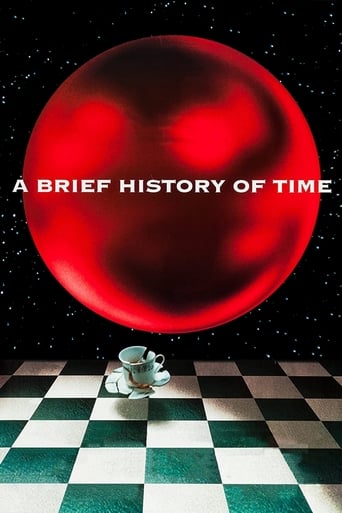
Partly adapted from cosmologist Stephen Hawking's popular book about his theories of the universe, this in-depth documentary also presents Hawking's daily life as he deals with the ALS that renders him virtually immobile and unable to speak without the use of a computer. Hawking's friends, family, former classmates and peers are interviewed about not only his theories but the man himself.
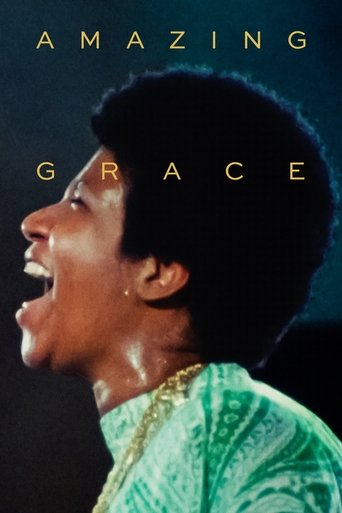
A behind-the-scenes documentary about the recording of Aretha Franklin's best-selling album finally sees the light of day more than four decades after the original footage was shot.

An inside look at one of the most anticipated movie sequels ever with James Cameron and cast.

Embrace follows body image activist Taryn Brumfitt's crusade as she explores the global issue of body loathing, inspiring us to change the way we feel about ourselves and think about our bodies.
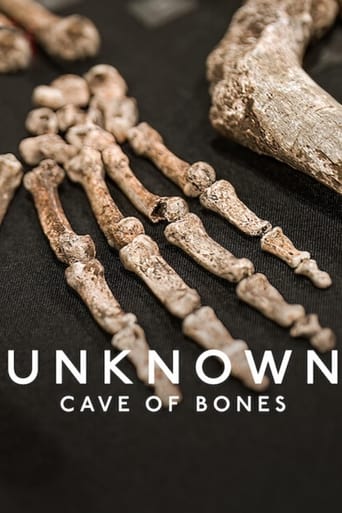
Scientists examine underground clues from over 250,000 years ago that raise questions about our early relatives — and what it truly means to be human.
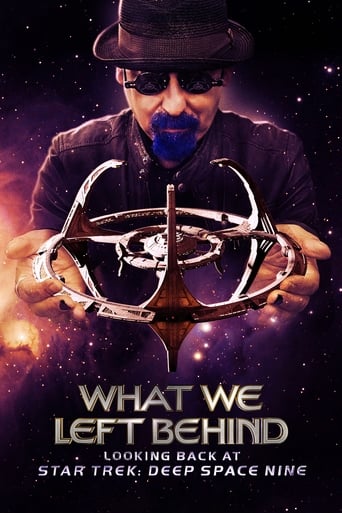
A documentary exploring the legacy of Star Trek: Deep Space Nine, the reasons it went from the black sheep of Star Trek to a beloved mainstay of the franchise, and a brainstorm with the original writers on what a theoretical eighth season of the show could look like.
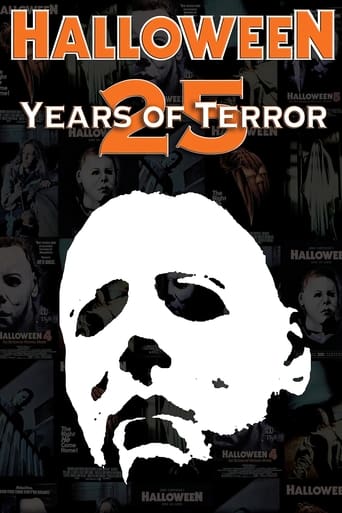
Follow the evolution of the 'Halloween' movies over the past twenty-five years. It examines why the films are so popular and revisits many of the original locations used in the films - seeing the effects on the local community. For the first time, cast, crew, critics and fans join together in the ultimate 'Halloween' retrospective.

The life and career of an actor, artist, and icon. His own journey through his own camera.
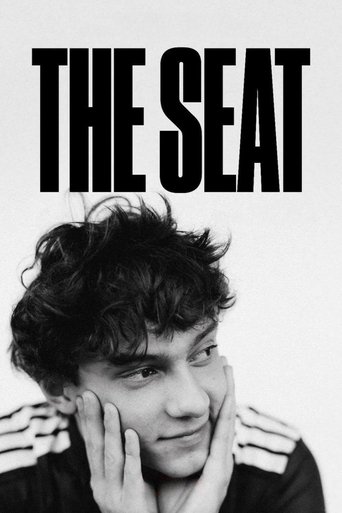
'The Seat' is an unprecedented inside look that led to a once-in-a-generation driver change in Mercedes and F1 history. It reveals the private conversations that led the Mercedes team and Toto Wolff, its Team Principal and CEO, to its decision to promote 18-year-old Italian-born Kimi Antonelli to a Formula 1 Driver, making him the third-youngest rookie in the sport's history. The film follows Kimi, in the lead up to his first Formula 1 season as he takes on his destiny.
Similar titles
At Arcata, California, testing technology for landing planes in fog. Also: a high-tech barber shop in Westwood Village, California; manufacture of precision steel gauge blocks in Eskilstuna, Sweden.
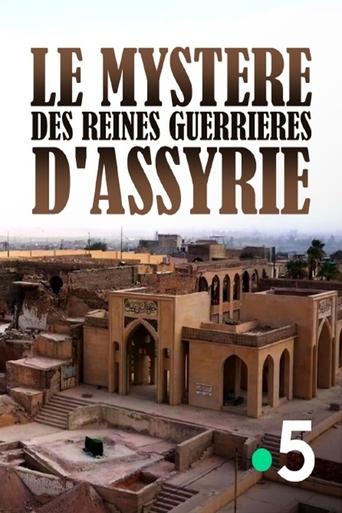
In northern Iraq lie the ruins of a 3,000-year-old city, Nimrud, once the capital of the powerful Assyrian Empire. In 1988, archaeologists conducted excavations beneath one of the palaces and uncovered a vaulted room filled with bronze cups, lamps, and ceramic jars, which led to an untouched chamber laden with precious objects. A stone sarcophagus, still intact, contained an impressive amount of jewelry: the treasures of this burial site surpassed those found in Tutankhamun’s tomb. The bodies of two women, placed one on top of the other, were also exhumed. Presumably of high rank, who were they?
For more than 30 years, scientist, broadcaster and environmental activist David Suzuki has served as the host of The Nature of Things, a CBC program that is seen in more than forty nations. Suzuki Speaks is an hour of thought-provoking television. David Suzuki delivers one of the most powerful messages of his career - the relationship between the four "sacred" elements and their influence on the "interconnectedness" we feel individually, with each other and with the rest of the world.
Cave paintings and lunar calendars exist in the caves and remains of prehistoric hunters studied recently. What if Prehistoric Man were clever enough to develop in depth scientific knowledge? As unlikely as it may seem, new data tend to prove that Prehistoric Man actually invented Astronomy!
In this two-part Channel 4 series, Professor Richard Dawkins challenges what he describes as 'a process of non-thinking called faith'. He describes his astonishment that, at the start of the 21st century, religious faith is gaining ground in the face of rational, scientific truth. Science, based on scepticism, investigation and evidence, must continuously test its own concepts and claims. Faith, by definition, defies evidence: it is untested and unshakeable, and is therefore in direct contradiction with science. In addition, though religions preach morality, peace and hope, in fact, says Dawkins, they bring intolerance, violence and destruction. The growth of extreme fundamentalism in so many religions across the world not only endangers humanity but, he argues, is in conflict with the trend over thousands of years of history for humanity to progress to become more enlightened and more tolerant.

An educational film about the nervous system produced by Encyclopædia Britannica Films, an educational film production company in the 20th century owned by Encyclopædia Britannica Inc.

An educational film about frogs produced by Encyclopædia Britannica Films, an educational film production company in the 20th century owned by Encyclopædia Britannica Inc.

This feature-length documentary is a portrait of eclipse chasers, people for whom solar eclipses - among nature's more spectacular phenomena – are a veritable obsession. The film follows 4 of them as they travel incredible distances to witness the last total eclipse of the millennium as it sweeps eastward across Europe to India. At various points along the way enthusiasts Alain Cirou in France, Paul Houde in Austria, Olivier Staiger in Germany and Debasis Sarkar in India offer their impressions of the historic event.
The discovery of neuroplasticity, the fact that thoughts can change the structure and function of our brains, even into old age, is one of the most important breakthroughs in our understanding of the brain in recent times. In The Brain That Changes Itself, Dr Norman Doidge explores the profound implications of the changing brain in a way that will permanently alter the way we look at human possibility and human nature. The documentary examines a blind man who sinks a basketball; a woman with half a brain who leads a normal life; learning disorders, strokes and brain traumas that are improved and cured; and chronic pain that is alleviated. The vast expanse of the brain's possibility is still unrealized.
“Ramón y Cajal: drawings on the retina” is a documentary about the Nobel Prize winner that explores, from a contemporary perspective, his fascination with images as a bridge between the reality of the physical world and that created in the brain, with a new integrative approach to his artistic and scientific facets and his legacy, told through the experiences and points of view of researchers, artists, historians, family members, and other experts who consider Cajal a visionary who transcended his own science. In one of the laboratories, a machine answers Cajal's last question: how are images formed in the brain?
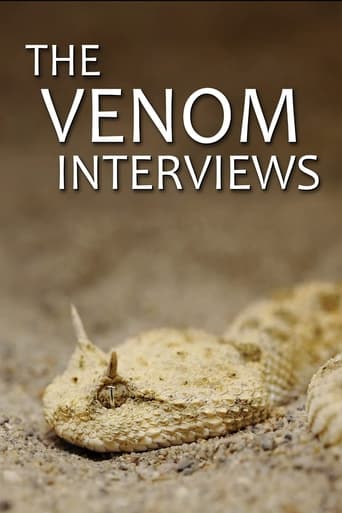
A crash course in the professional and scientific work related to the field of venomous herpetology. The film covers diverse topics, including biochemistry, biology, law and public policy, conservation, venom collection, animal husbandry, antivenom production, emergency medicine, veterinary medicine, toxicology and toxinology. The film follows the personal and working lives of prominent experts in the field, beginning with their childhood interest through their professional careers, with particular emphasis on the sciences related to their work.
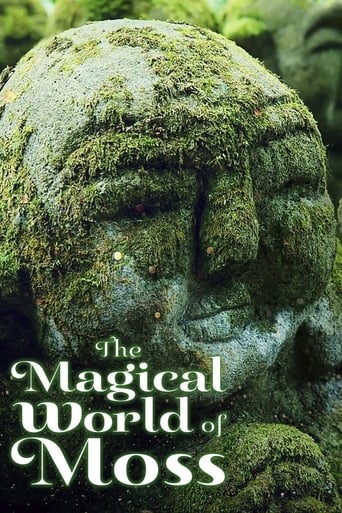
They have no roots, no seeds, no flowers, but mosses show immense survival capacities and can suspend their biological activity for long periods. Today, researchers are exploring the exceptional resistance of these archaic organisms. British ecologists have even resurrected a "zombie" moss that has been trapped in the permafrost for 1,500 years. Associated with decay and disliked in Europe, mosses are deified in Japan. With 25,000 species worldwide, bryophytes - their scientific name - are the seat of real ecosystems, and can develop in inhospitable landscapes, through an extravagant reproduction cycle.
Mexico, San Cristobal de Las Casas, 1982. Ana Olalde replaces the city, science, and pollution with people, art, and nature.

European Space Agency astronaut Alexander Gerst and his NASA colleague Reid Wiseman are launched into space from the Baikonur Cosmodrome in Kazakhstan. Gerst and Wiseman spend six months in humanity's outpost in space and film many of their activities.
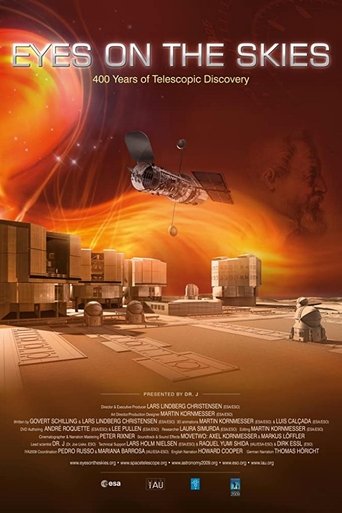
This movie explores the saga of the telescope over 400 years - the historical development, the scientific importance, the technological breakthroughs, and also the people behind this ground-breaking invention, their triumphs and failures.
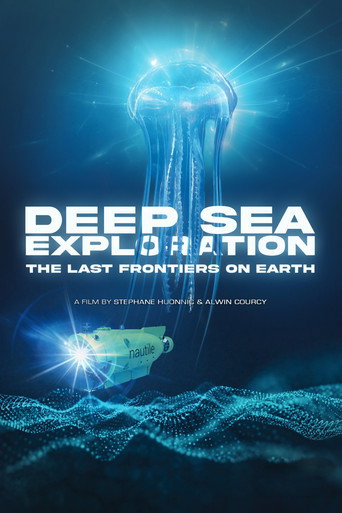
In the deep ocean, where darkness reigns, scientists uncover a hidden world that sustains life on Earth. From extraordinary creatures to invisible microbial processes, the abysses play a crucial role in regulating the climate and ocean balance. But as the race for deep-sea minerals intensifies, this fragile ecosystem is under threat. A breathtaking journey into the largest, and least known, environment on our planet.

Documentary, first broadcast in 1966, that tells the history of the superbomb, exploring the race by scientists to imitate the nuclear reactions of the sun and build the first thermonuclear weapon. The film reveals how the careers and reputations of some of the scientists involved were seared in the process.

William Vennard's collaboration with Janwillem van den Berg resulted in his film Voice Production: the Vibrating Larynx. Winning several awards, including best medical research film from a festival in Prague in 1960, it shows the anatomy and physiology of voice production in the excised larynx. He was a pioneer in the science of singing and in voice pedagogy and was instrumental in fostering collaborative efforts between singers, physicists, psychologists and voice scientists.