
Francis Bacon: Fragments of a Portrait
1966-07-18 · 44 min · Not rated
Francis Bacon: Fragments of a Portrait explores the recurring themes in Bacon’s work, his influences and his life. The documentary is accompanied by a haunting score specially composed by Edwin Astley for the production.
Trailers are previews, not full movies.
No authorized playback source configured. Use the legal watch options below.
Production details
- Directors
- Michael Gill
- Production companies
- BBC Worldwide
- Countries
- United Kingdom
- Status
- Released
Top Cast
 Francis BaconSelf
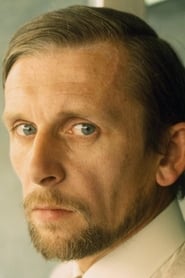 Alan DobieSelf
Title information and images are supplied by TMDb. Explore our discovery guide for advice on comparing metadata and legal viewing options.
Where to watch
Availability provided by JustWatch via TMDb. Offers can change. Provider links are listed on TMDb; full playback requires a separately authorized source.
Availability not listed for this country.
Seasons & episodes
Recommendations
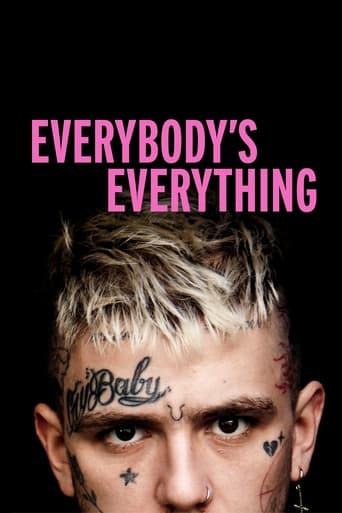
The story of artist Lil Peep from his birth in Long Island and meteoric rise as a genre blending pop star & style icon, to his death due to an accidental opioid overdose in Arizona at just 21 years of age.

Through deeply personal interviews with her siblings and an examination of the photographs, letters, and belongings left behind, Mariska assembles a new portrait of her mother Jayne Mansfield, an extraordinary and complex woman.
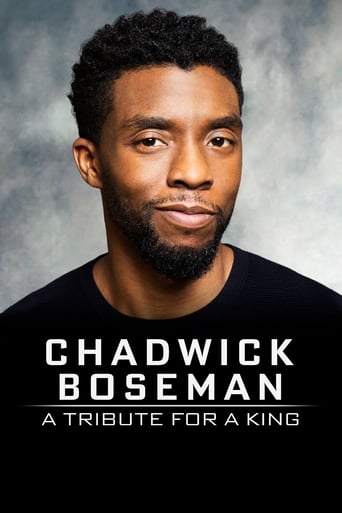
A tribute to Chadwick Boseman, celebrating his life and legacy.
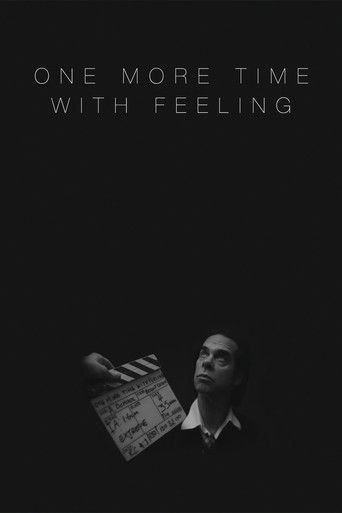
Andrew Dominik's One More Time With Feeling is a remarkable black and white documentary which chronicles the creation of Nick Cave & The Bad Seeds' album Skeleton Tree. Originally a performance based concept, the film evolved into something much more significant as Dominik delved into the tragic backdrop of the writing and recording of the album. The result is stark, fragile and raw, and a true testament to an artist trying to find his way through the darkness. It documents the writing, recording and performing of Nick Cave & the Bad Seeds’ sixteenth studio album, Skeleton Tree.

A visual montage portrait of our contemporary world dominated by globalized technology and violence.
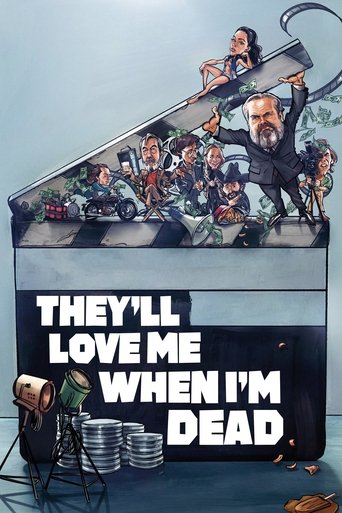
As his life comes to its end, famous Hollywood director Orson Welles puts it all on the line at the chance for renewed success with the film The Other Side of the Wind.

Using the book 'Fragments', which collects Marilyn Monroe's poems, notes and letters, and with participation from the Arthur Miller and Truman Capote estates who have contributed more material, each of the actresses will embody the legend at various stages in her life.
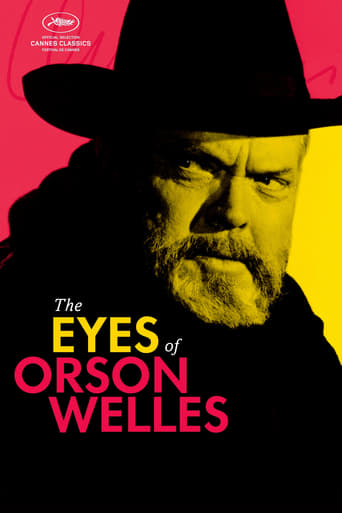
A poetic journey into the visual world of the legendary filmmaker and actor Orson Welles (1915-85) that reveals a new portrait of a unique genius, both of his life and of his monumental work: through his own eyes, drawn by his own hand, painted with his own brush.
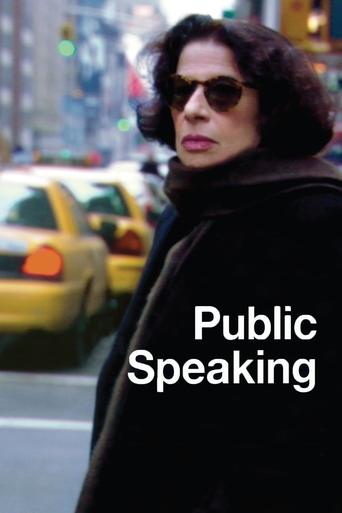
Martin Scorsese’s portrait of writer and social commentator Fran Lebowitz, celebrated for her sharp wit and observations on modern life. Filmed at New York’s Waverly Inn and intercut with archival footage and interviews, the documentary captures Lebowitz’s distinctive worldview through her spontaneous monologues and public appearances.
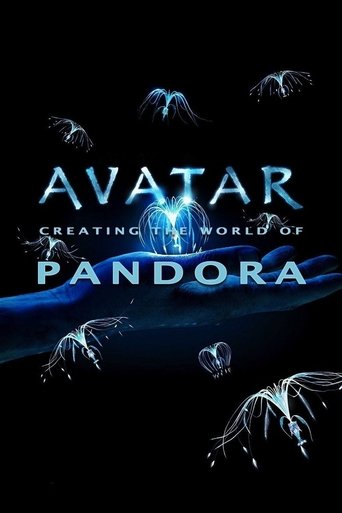
The Making-of James Cameron's Avatar. It shows interesting parts of the work on the set.

In the Realms of the Unreal is a documentary about the reclusive Chicago-based artist Henry Darger. Henry Darger was so reclusive that when he died his neighbors were surprised to find a 15,145-page manuscript along with hundreds of paintings depicting The Story of the Vivian Girls, in What is Known as the Realms of the Unreal, of the Glodeco-Angelinnian War Storm, Cased by the Child Slave Rebellion.
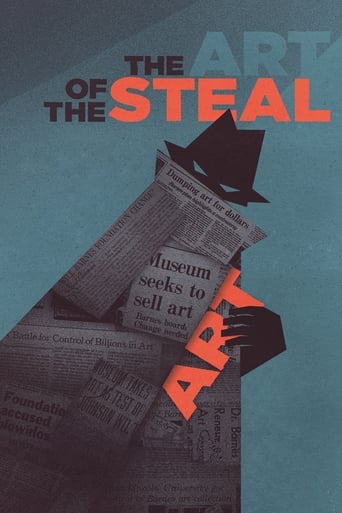
A gripping tale of intrigue and mystery in the art world, this film traces the history of a collection of Post-Impressionist paintings - worth billions - which became the subject of a power struggle after the death of its owner. Dr. Albert Barnes.
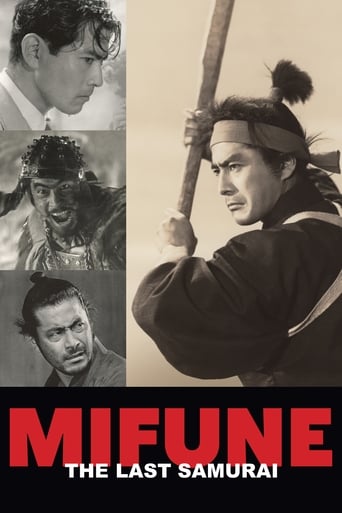
An account of the life and work of legendary Japanese actor Toshirō Mifune (1920-97), the most prominent actor of the Golden Age of Japanese cinema.
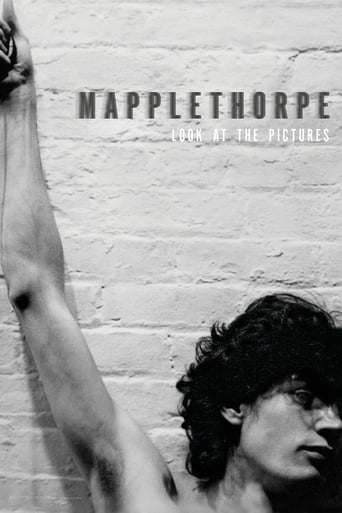
Nude men in rubber suits, close-ups of erections, objects shoved in the most intimate of places—these are photographs taken by Robert Mapplethorpe, known by many as the most controversial photographer of the twentieth century. Openly gay, Mapplethorpe took images of male sex, nudity, and fetish to extremes that resulted in his work still being labelled by some as pornography masquerading as art. But less talked about are the more serene, yet striking portraits of flowers, sculptures, and perfectly framed human forms that are equally pioneering and powerful.

An inside look at one of the most anticipated movie sequels ever with James Cameron and cast.
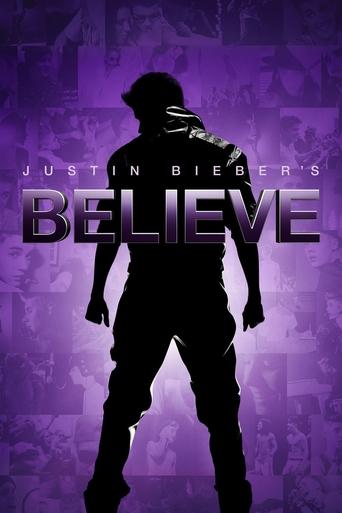
A backstage and on-stage look at Justin Bieber during his rise to super stardom.
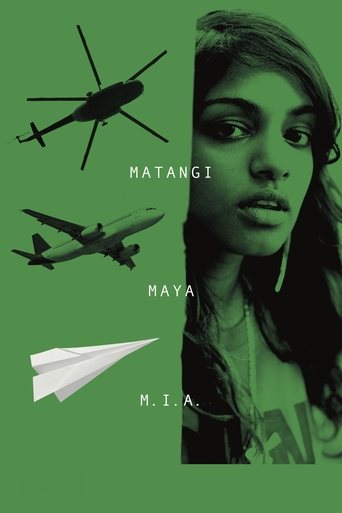
Drawn from a never before seen cache of personal footage spanning decades, this is an intimate portrait of the Sri Lankan artist and musician who continues to shatter conventions.

A compilation of over 30 years of private home movie footage shot by Lithuanian-American avant-garde director Jonas Mekas, assembled by Mekas "purely by chance", without concern for chronological order.

Al Pacino's deeply-felt rumination on Shakespeare's significance and relevance to the modern world through interviews and an in-depth analysis of "Richard III."
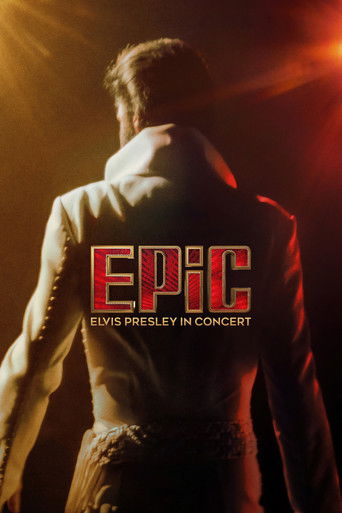
Long-lost footage from Elvis Presley's legendary Las Vegas residency in the 1970s woven together with rare 16mm footage from Elvis on Tour, and 8mm from the Graceland archive, plus recordings of Elvis telling "his side of the story" rediscovered during Baz Luhrmann's research for his 2022 film, Elvis.
Similar titles

Watch as Aiden Aleman creates his newest art piece “TRUTH” in the middle of Zilker Park.
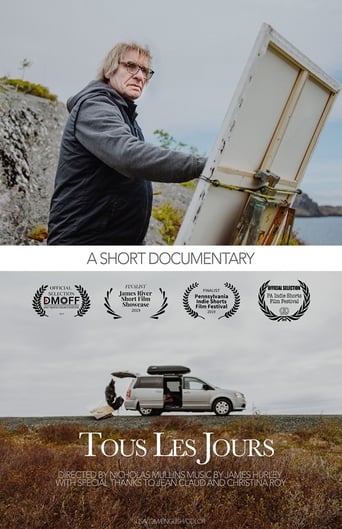
In rocky Newfoundland, renowned French artist Jean Claude Roy gathers his paints and sets off to face the day. Whether it be freezing snow, violent wind, or pouring rain, he commits vibrant colors to canvas and conquers the day by weaving crooked beauty out of difficulties.
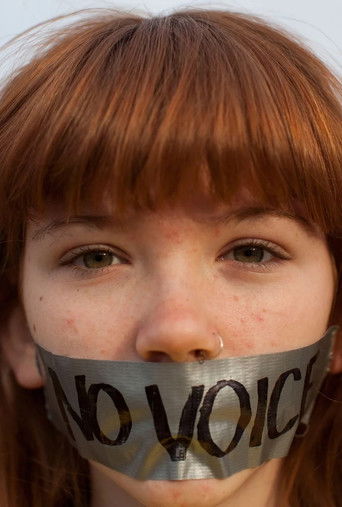
British artist, academic, musician and activist Bob and Roberta Smith has been waging slightly odd political protests for years, in this documentary he investigates the age of activism and discovers what people are protesting about.
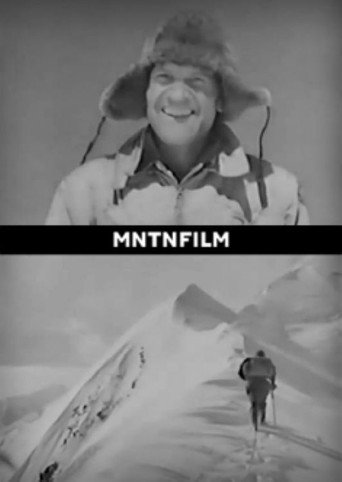
Brad and Barbara Washburn were filmed by National Geographic and RKO Pictures on their ascent of Mount McKinley in Alaska. The film is a pictorial record of the first scientific conquest of Mount McKinley, filmed with the cooperation of the Boston Museum of Science. The short is part of the RKO's 'This is America' documentary series.


An illuminating examination of Sofonisba Anguissola's iconic masterpiece as a window into the artist's full oeuvre while painting a detailed picture of Sofonisba's journey and the world she lived in to become one of the most accomplished female artists of her time. At a time when women were typically regarded as objects or madonnas to be represented in art, Sofonisba Anguissola (1532/5-1625) was something very different indeed: a highly respected painter and teacher who interacted with the likes of Michelangelo and Anthony van Dyck, and whose remarkable portraits were enthusiastically sought by many of the most powerful figures of the age. The Chess Game by Sofonisba is a remarkable group portrait of three of her sisters and a maid. It is widely considered to be one of her most compelling and innovative artworks: a painting whose many subtle levels of meaning offer a fascinating window on Sofonisba, her family, and contemporary 16th-century values.

Serial Killer Culture examines the reasons why artists and collectors are fascinated by serial killers.
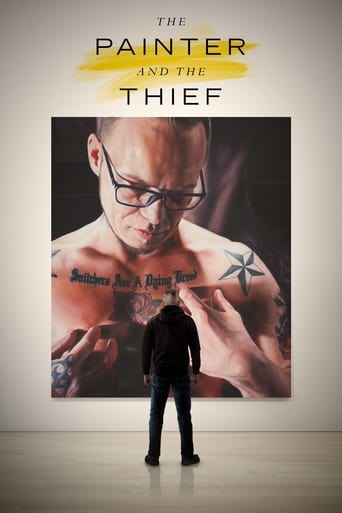
When two of artist Barbora Kysilkova’s most valuable paintings are stolen from a gallery at Frogner in Oslo, the police are able to find the thief after a few days, but the paintings are nowhere to be found. Barbora goes to the trial in hopes of finding clues, but instead she ends up asking the thief if she can paint a portrait of him. This will be the start of a very unusual friendship. Over three years, the cinematic documentary follows the incredible story of the artist looking for her stolen paintings, while at the same time turning the thief into art.
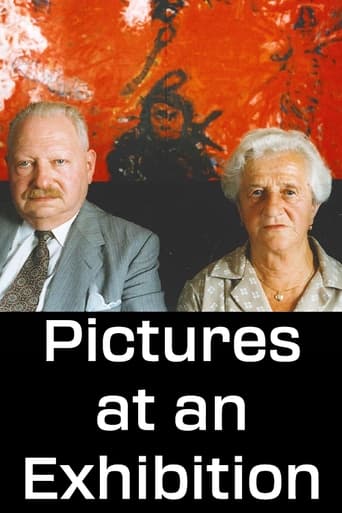
What does modern art mean for ordinary visitors to an exhibition?
In 1968 Roger Smith ate a peach during a break from work. When he was finished he took out a pocketknife and began carving the peach pit into a tiny pig. 43 years later the retired meter reader and cattle rancher from Culloeka, Tennessee, has carved hundreds of peach seeds into hummingbirds, stingrays, gospel choirs, entire villages, even a baseball stadium with more than 100 figures. "Given enough time," says Smith, "I don't think there is anything you can't make out of a peach seed."
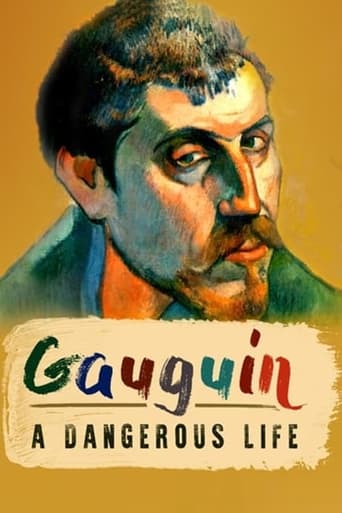
Gauguin’s vivid artworks sell for millions. He was an inspired and committed multi-media artist who worked with the Impressionists and had a tempestuous relationship with Vincent van Gogh. But he was also a competitive and rapacious man who left his wife to bring up five children and used his colonial privilege to travel to Polynesia, where in his 40s he took ‘wives’ between 13 and 15 years old, creating images of them and their world that promoted a fantasy paradise of an unspoilt Eden in the Pacific. Later, he challenged the colonial authorities and the Catholic Church in defence of the indigenous people, dying in the Marquesas Islands in 1903, sick, impoverished and alone.
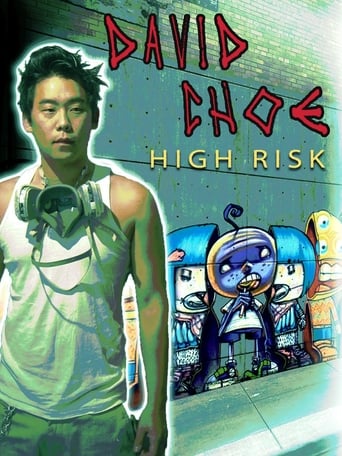
Artist David Choe has led a life of high risk, from hedonistic excesses to being imprisoned at a maximum security facility in a foreign country, and yet has been dramatically rewarded for his exploits. Life didn't change much when he traded a $60k fee in favor of stock in a start-up called The Facebook, but now he is estimated to be worth over $250 million, highlighting a colorful career filled with giant street art installations, porn star affairs and investigative reporting for companies like Vice and CNN. Director and childhood friend Harry Kim guides us through the fantastically surreal life of Choe featuring interviews and appearances by Kevin Smith, Eli Roth, Sasha Grey, Sean Parker, and Shepard Fairey.
The Faraway Nearby follows the tragic life of pioneer physicist Joseph Weber, whose pursuit of gravitational waves takes him on a dizzying journey from the height of acclaim to the depths of despair and disdain when he breaks the cardinal rule of science and clings to his ideas though his results can't be duplicated. Physicists, artists, and other creatives explore the emotional side of discovery and question whether the risk is worth the journey.

Contemporary artist Koki Tanaka sets up a booth at a Los Angeles flea market to sell palm fronds. "I tried to bring something very extreme into the flea-market context. I picked the palm fronds because they are the most useless things in California – they’re what we have to sweep away after a windy day. It was an experiment in registering people’s reaction to a fundamental question about the value of objects. And I was referencing two historical pieces: David Hammons’s Bliz-aard Ball Sale [1983], where he sold snowballs during winter in New York; and a Japanese manga called Munou no Hito [A Worthless Person, 1985], in which the protagonist sells stones by the riverside – stones being sold alongside stones. So both shared quite similar ideas." - Koki Tanaka

Destroying your own artwork. For many artists it is unmentionable, but Loes Heebink from Kolderveen irreparably destroyed her artwork "Fluisteraars" herself and came up with the idea for a documentary of the same name, directed by Saskia Jeulink.
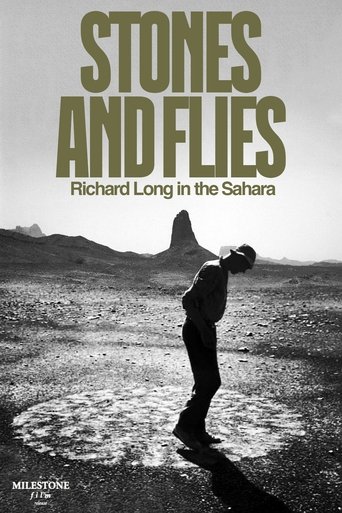
In the fall of 1987, Philippe Haas accompanied the sculptor Richard Long to the Algerian Sahara and filmed him tracing with his feet, or constructing with desert stones, simple geometric figures (straight lines, circles, spirals). In counterpoint to the images, Richard Long explains his approach. Since 1967, Richard Long (1945, Bristol), who belongs to the land art movement, has traveled the world on foot and installed, in places often inaccessible to the public, stones, sticks and driftwood found in situ. His ephemeral works are reproduced through photography. He thus made walking an art, and land art an aspiration of modern man for solitude in nature.
Eric Leiser displays his boundless creativity in this short collection; A stunning compilation of works presented with a mixture of live action, stop motion animation, puppetry and pixilation techniques, produced between 2001 and 2006.
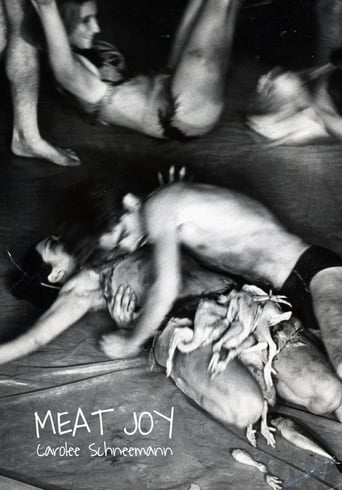
"Meat Joy is an erotic rite — excessive, indulgent, a celebration of flesh as material: raw fish, chicken, sausages, wet paint, transparent plastic, ropes, brushes, paper scrap. Its propulsion is towards the ecstatic — shifting and turning among tenderness, wildness, precision, abandon; qualities that could at any moment be sensual, comic, joyous, repellent. Physical equivalences are enacted as a psychic imagistic stream, in which the layered elements mesh and gain intensity by the energy complement of the audience. The original performances became notorious and introduced a vision of the 'sacred erotic.' This video was converted from original film footage of three 1964 performances of Meat Joy at its first staged performance at the Festival de la Libre Expression, Paris, Dennison Hall, London, and Judson Church, New York City."
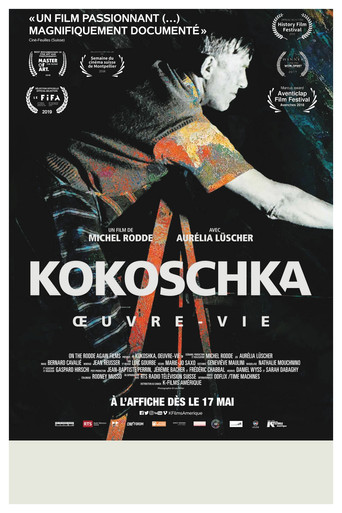
Painter, poet and playwright, teacher and freethinker, lover and traveler, Austrian artist Oskar Kokoschka (1886-1980) was a rare individual who remained lucid and passionate throughout his long life.