
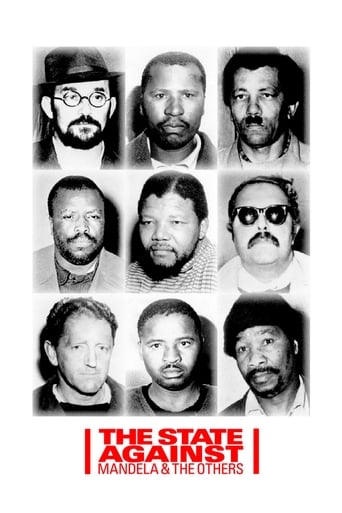
The State Against Mandela and the Others
2018-10-17 · 105 min · ★ 6.6
South Africa, July 11th, 1963. Several members of the African National Congress, an organization declared illegal, are arrested in Rivonia, a country house near Johannesburg. The detainees, along with Nelson Mandela, imprisoned since 1962, are charged with serious crimes for their radical activism against the apartheid regime.
Trailers are previews, not full movies.
No authorized playback source configured. Use the legal watch options below.
Production details
- Directors
- Nicolas Champeaux, Gilles Porte
- Production companies
- Rouge International, UFO Production, ARTE, Korokoro, Canal+, INA
- Countries
- France
- Status
- Released
Top Cast
 Winnie MandelaSelf - Politician
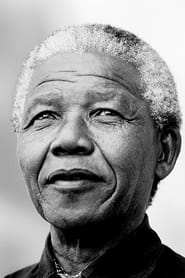 Nelson MandelaSelf - Accused (archive footage)
Title information and images are supplied by TMDb. Explore our discovery guide for advice on comparing metadata and legal viewing options.
Where to watch
Availability provided by JustWatch via TMDb. Offers can change. Provider links are listed on TMDb; full playback requires a separately authorized source.
Availability not listed for this country.
Seasons & episodes
Recommendations
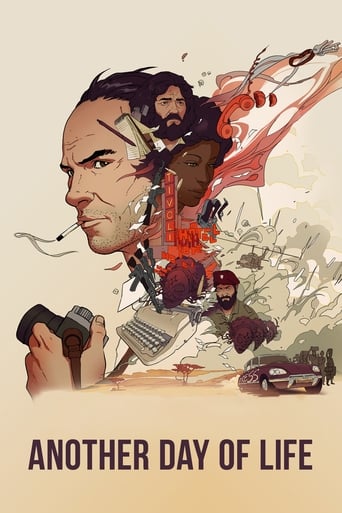
In 1975, Ryszard Kapuściński, a veteran Polish journalist, embarked on a seemingly suicidal road trip into the heart of the Angola's civil war. There, he witnessed once again the dirty reality of war and discovered a sense of helplessness previously unknown to him. Angola changed him forever: it was a reporter who left Poland, but it was a writer who returned…
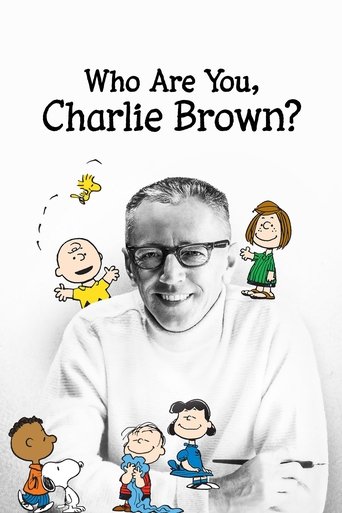
Lupita Nyong'o narrates a documentary about Peanuts and its creator, Charles M. Schulz. Famous fans—including Drew Barrymore, Kevin Smith, and Al Roker—share its influence on them, and a new animated story finds Charlie Brown on a quest.
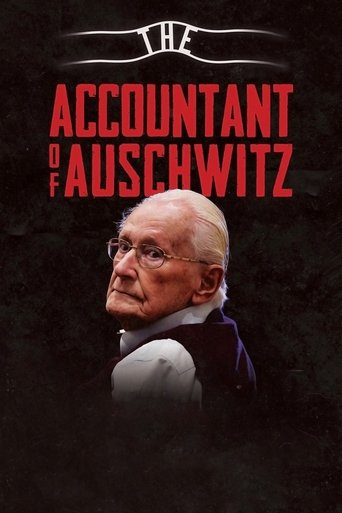
Oskar Gröning, known as the "Accountant of Auschwitz," was charged with the murder of 300,000 Jews. When he took the stand in 2015, at the age of 94, his trial made headlines worldwide.

Examines the evolution of the Black Power Movement in US society from 1967 to 1975. It features footage of the movement shot by Swedish journalists in the United States during that period and includes the appearances of Angela Davis, Bobby Seale, Huey P. Newton, Eldridge Cleaver, and other activists, artists, and leaders central to the movement.
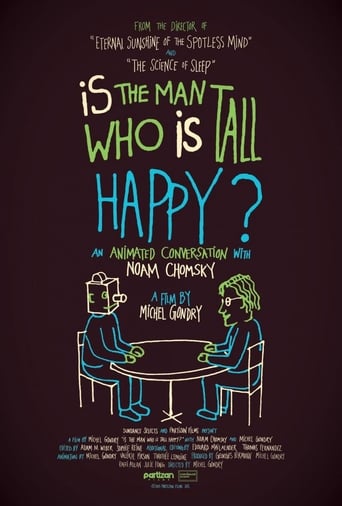
A series of interviews featuring linguist, philosopher and activist Noam Chomsky done in hand-drawn animation.
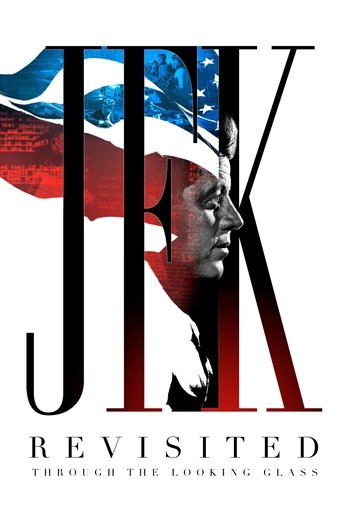
Thirty years after the release of his film JFK (1991), filmmaker Oliver Stone reviews recently declassified evidence related to the assassination of President John F. Kennedy, which took place in Dallas on November 22, 1963.
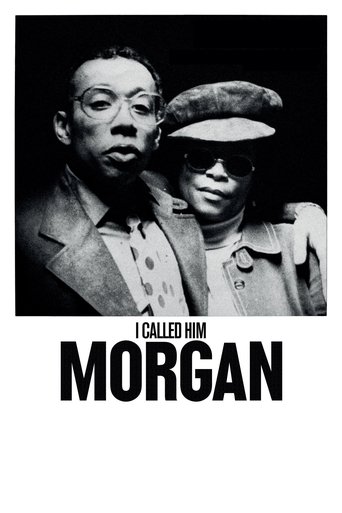
Part jazz history, part true-crime tale, Kasper Collin’s new documentary employs extensive archival footage and new interviews to tell the tragic story of the magnificently talented trumpeter Lee Morgan and his common-law wife Helen, who murdered him in a New York bar in 1972.

An unprecedented and intimate look at the life, work and enduring legacy of British actress Audrey Hepburn (1929-1993).

Produced and presented as evidence at the Nuremberg war crimes trial of Hermann Göring and twenty other Nazi leaders, this film consists primarily of dead and surviving prisoners and of facilities used to kill and torture during the World War II.

A unique cinematic experience that invites audiences on a vibrant journey through the life of cultural icon Pharrell Williams. Told through the lens of LEGO® animation, turn up the volume on your imagination and witness the evolution of one of music's most innovative minds.
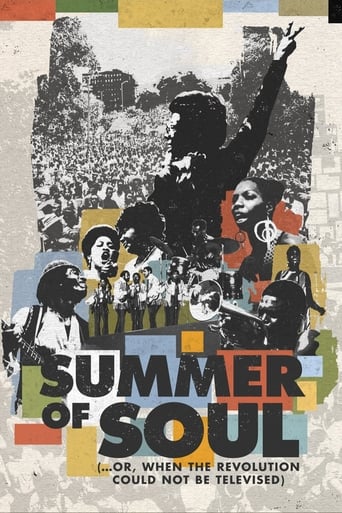
During the same summer as Woodstock, over 300,000 people attended the Harlem Cultural Festival, celebrating African American music and culture, and promoting Black pride and unity. The footage from the festival sat in a basement, unseen for over 50 years, keeping this incredible event in America's history lost — until now.

Director Claude Lanzmann spent 11 years on this sprawling documentary about the Holocaust, conducting his own interviews and refusing to use a single frame of archival footage. Dividing Holocaust witnesses into three categories – survivors, bystanders, and perpetrators – Lanzmann presents testimonies from survivors of the Chelmno concentration camp, an Auschwitz escapee, and witnesses of the Warsaw Ghetto Uprising, as well as a chilling report of gas chambers from an SS officer at Treblinka.
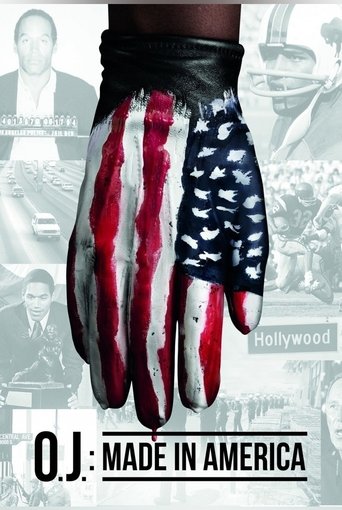
A chronicle of the rise and fall of O.J. Simpson, whose high-profile murder trial exposed the extent of American racial tensions, revealing a fractured and divided nation.
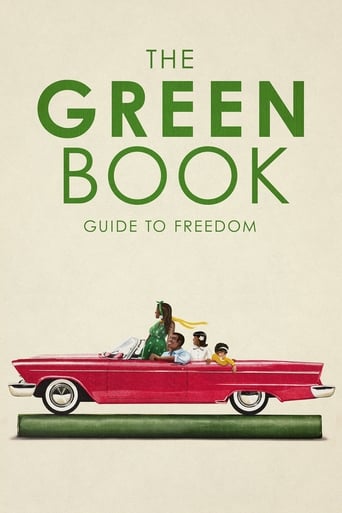
In 1936, Victor H. Green (1892-1960) published The Negro Motorist Green Book, a book that was both a travel guide and a survival manual, to help African-Americans navigate safe those regions of the United States where segregation and Jim Crow laws were disgracefully applied.
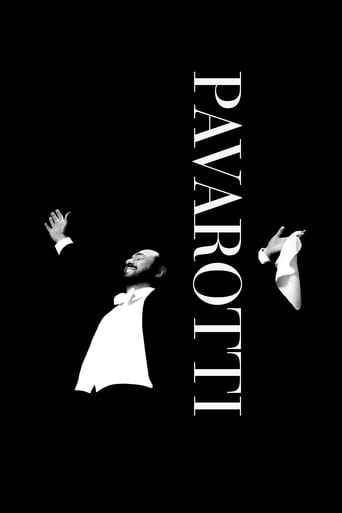
Featuring never-before-seen footage, concert performances and intimate interviews, filmmaker Ron Howard examines the life and career of famed opera tenor Luciano Pavarotti.

Combining archival footage with rotoscopic animation, Tower reveals the action-packed untold stories of the witnesses, heroes and survivors of America's first mass school shooting, when the worst in one man brought out the best in so many others.

The inside story of SpaceX's plan to get humanity to Mars, providing an unprecedented glimpse into one of the world's most revolutionary companies. A behind-the-scenes journey with Elon Musk and his engineers as they persevere amidst both disheartening setbacks and huge triumphs to advance the space industry faster than we ever thought possible.
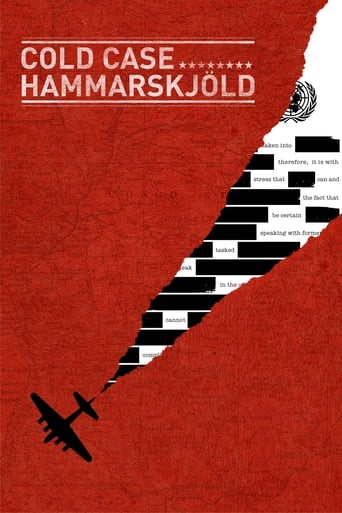
Ndola, Northern Rhodesia (currently Zambia), September 18, 1961. Swedish economist and diplomat Dag Hammarskjöld, Secretary General of the UN, dies mysteriously in a plane crash. Decades later, Danish journalist and filmmaker Mads Brügger and Swedish researcher Göran Björkdahl investigate the case in search of definitive closure.

A behind-the-scenes documentary about the Clinton for President campaign, focusing on the adventures of spin doctors James Carville and George Stephanopoulos.
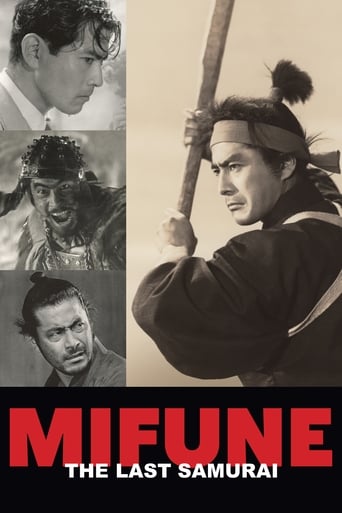
An account of the life and work of legendary Japanese actor Toshirō Mifune (1920-97), the most prominent actor of the Golden Age of Japanese cinema.
Similar titles


While running a free medical clinic in the 1960s, missionary couple John and Bettie Dreisbach face heavy government opposition in their attempt to preach the Gospel to the Muslim community of West Africa.
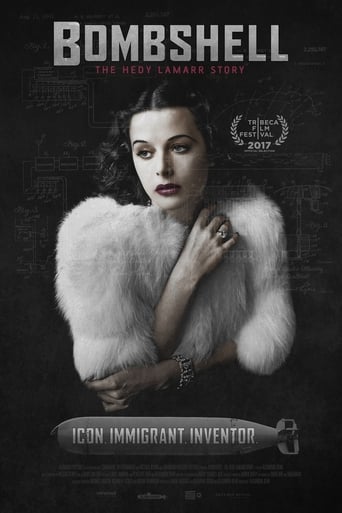
The life and career of the hailed Hollywood movie star and underappreciated genius inventor, Hedy Lamarr.
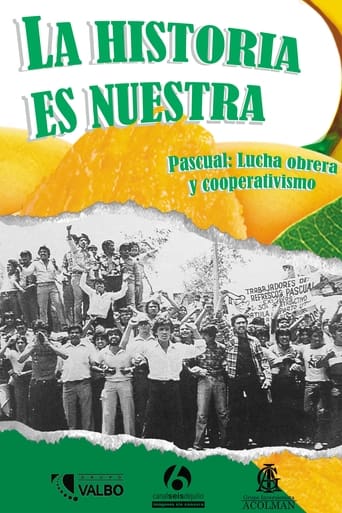
History is Ours narrates the struggle of the workers of the Refrescos Pascual soft-drink company against its owner, Rafael Jiménez, the official trade unionism of the CTM and the labor authorities of the governments of José López Portillo and Miguel de la Madrid, between 1982 and 1985. It documents the workers' difficult struggle to take over the company, when justice, which had been elusive, finally proved them right, and opened the possibility that these brave, tenacious workers would become collective owners of the company. Today, these soft-drink fighters resist a system that hits Mexican companies in favor of the monopolistic transnationals. The film is an account of one of the most brilliant episodes of the contemporary Mexican labor movement, an example of unity and class consciousness, embodied by men and women who make their struggle a tribute to comrades Concepción Jacobo García and Alvaro Hernández García, tragically fallen at the beginning of this historic event.
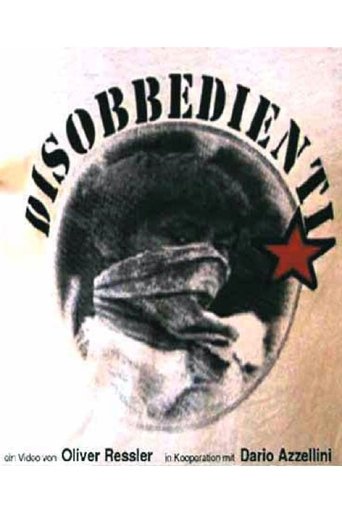
The Disobbedienti emerged from the Tute Bianche during the demonstrations against the G8 summit in Genoa in July 2001. The “Tute Bianche” were the white-clad Italian activists who used their bodies – protected by foam rubber, tires, helmets, gas masks, and homemade shields – in direct acts and demonstrations as weapons of civil disobedience. The Tute Bianche first appeared in Italy in 1994 in the midst of a social setting in which the “mass laborer,” who had played a central role in the 1970s in production and in labor struggles, was gradually replaced in the transition to precarious post-Fordist means of production. “Disobbedienti” thematizes the Disobbedienti’s origins, political bases, and forms of direct action on the basis of conversations with seven members of the movement.

L, a student in India witness to the government's violent response to university protests, writes letters to her estranged lover while he is away.

A 17th-century nun becomes entangled in a forbidden lesbian affair with a novice. But it is Benedetta's shocking religious visions that threaten to shake the Church to its core.
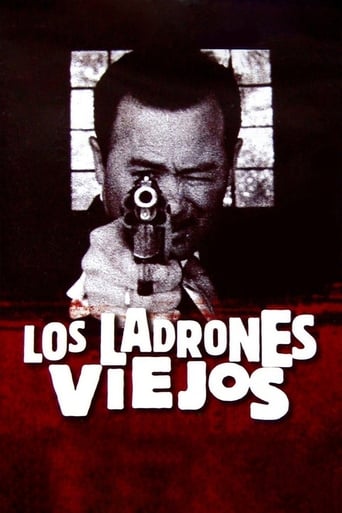
Is the story of a generation of thieves who achieved their greatest victories in the sixties; their distinctive code of ethics, the various categories of delinquents inhabiting the citys streets, their alliances with high ranking police officials that allowed them to operate, the betrayals that followed, and the price they ended up paying.
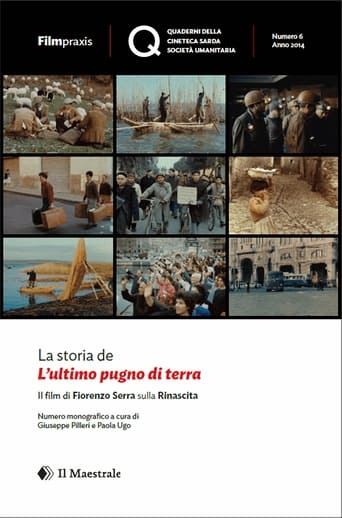
'L'ultimo pugno di terra' (The Last Fistful of Land) is a 1966 documentary film directed by Fiorenzo Serra about the anguish and instability of the lower classes in a destitute Sardinia. Originally commissioned by the Sardinian regional government as a celebratory piece on the 'miraculous' effects of the 'Piano di Rinascita della Sardegna' (Sardinia's Rebirth Plan), the film instead shows an island still 'standing still in time', barely affected by the painful oxymoron of the inevitable changes taking place.

Lesson in History was produced when Peters was a student at the West Surrey School of Art and Design. Having read The People Could Fly by Virginia Hamilton, she was inspired to make what she describes as 'the stories of black achievement and how stories had not been told.' The animated film was subsequently screened on the BBC as part of the series 10X10. It was shot on 16mm using cutouts, photography and masks.
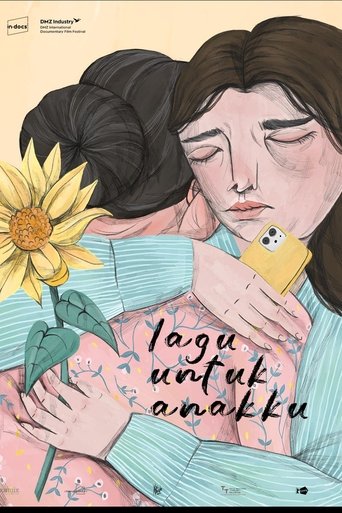
An elderly choir group brings back erased violent history by singing songs that were written in prison and have been silenced for more than 50 years.
One night in November 1976, after his car breaks down on a road outside Dallas, Randall Dale Adams accepts a ride from teenager David Harris. Harris is driving a stolen vehicle and, later that night, when Dallas police officer Robert Wood pulls the car over to check its headlights, he is shot and killed. A jury believes Adams is the killer, but stylized reenactments and interviews with key figures, conflicting testimonies and evidence are presented to argue that Adams was framed by a corrupt justice system, ultimately leading to his exoneration.
Born a lower-caste girl in rural India's patriarchal society, "married" at 11, repeatedly raped and brutalized, Phoolan Devi finds freedom only as an avenging warrior, the eponymous Bandit Queen. Devi becomes a kind a bloody Robin Hood; this extraordinary biographical film offers both a vivid portrait of a driven woman and a savage critique of the society that made her.
Nando, a 12 year old boy, narrates the adventures of his father Antonio, during the 60s in Brazil, who leaves the inland of the state of Minas to go to Brasília, a recently inaugurated city, but still with construction works in progress.
In 1879, during the Anglo-Zulu War, man-of-the-people Lt. Chard and snooty Lt. Bromhead are in charge of defending the isolated and vastly outnumbered Natal outpost of Rorke's Drift from tribal hordes.
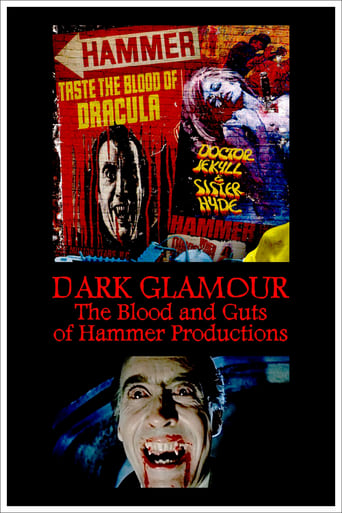
The greatness, fall and renaissance of Hammer, the flagship company of British popular cinema, mainly from 1955 to 1968. Tortured women and sadistic monsters populated oppressive scenarios in provocative productions that shocked censorship and disgusted critics but fascinated the public. Movies in which horror was shown in offensive colors: dreadful stories, told without prejudices, that offered fear, blood, sex and stunning performances.

Under the shadow of a mysterious Mountain in a remote part of South Africa, where legends of the local Bapedi people say that those who go there never come back, Thato has to face her fears in order to save her sick brother.
The film is a controversy on democracy. Is our society really democratic? Can everyone be part of it? Or is the act of being part in democracy dependent to the access on technology, progression or any resources of information, as philosophers like Paul Virilio or Jean Baudrillard already claimed?
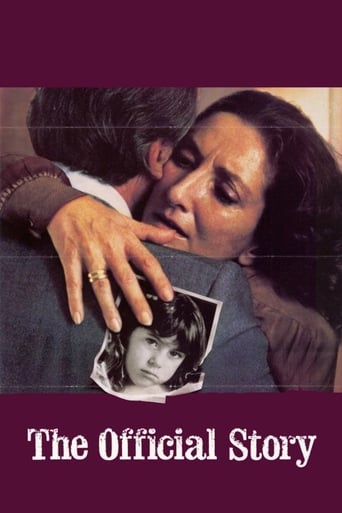
Buenos Aires, Argentina, 1983. In the last and turbulent days of the military dictatorship, Alicia, a high school history teacher, begins to ask uncomfortable questions about the dark origins of Gaby, her adopted daughter.
"Africa Light" - as white local citizens call Namibia. The name suggests romance, the beauty of nature and promises a life without any problems in a country where the difference between rich and poor could hardly be greater. Namibia does not give that impression of it. If you look at its surface it seems like Africa in its most innocent and civilized form. It is a country that is so inviting to dream by its spectacular landscape, stunning scenery and fascinating wildlife. It has a very strong tourism structure and the government gets a lot of money with its magical attraction. But despite its grandiose splendor it is an endless gray zone as well. It oscillates between tradition and modernity, between the cattle in the country and the slums in the city. It shuttles from colonial times, land property reform to minimum wage for everyone. It fluctuates between socialism and cold calculated market economy.