Cefalonia 1943 - L'eccidio della divisione Acqui
· Runtime unavailable · Not rated
Trailers are previews, not full movies.
No authorized playback source configured. Use the legal watch options below.
Production details
- Directors
- Unavailable
- Production companies
- Unavailable
- Countries
- Unavailable
- Status
- Released
Top Cast
Cast unavailable.
Title information and images are supplied by TMDb. Explore our discovery guide for advice on comparing metadata and legal viewing options.
Where to watch
Availability provided by JustWatch via TMDb. Offers can change. Provider links are listed on TMDb; full playback requires a separately authorized source.
Availability not listed for this country.
Seasons & episodes
Recommendations
Oliver Stone charts the history of the United States from the Second World War to the present.
After the coup d'État of the Democratic government of Allende, the embassy of Italy in Santiago played a major role in helping the opposers of the regime, and extradited many of them to Italy.

The history of cinematic sound, told by legendary sound designers and visionary filmmakers.
Former United States Secretary of Defense Donald Rumsfeld discusses his career in Washington D.C. from his days as a congressman in the early 1960s to planning the invasion of Iraq in 2003.
Cameramen and women discuss the craft and art of cinematography and of the "DP" (the director of photography), illustrating their points with clips from 100 films, from Birth of a Nation to Do the Right Thing. Themes: the DP tells people where to look; changes in movies (the arrival of sound, color, and wide screens) required creative responses from DPs; and, these artisans constantly invent new equipment and try new things, with wonderful results. The narration takes us through the identifiable studio styles of the 30s, the emergence of noir, the New York look, and the impact of Europeans. Citizen Kane, The Conformist, and Gordon Willis get special attention.

Prelude to War was the first film of Frank Capra's Why We Fight propaganda film series, commissioned by the Pentagon and George C. Marshall. It was made to convince American troops of the necessity of combating the Axis Powers during World War II. This film examines the differences between democratic and fascist states.
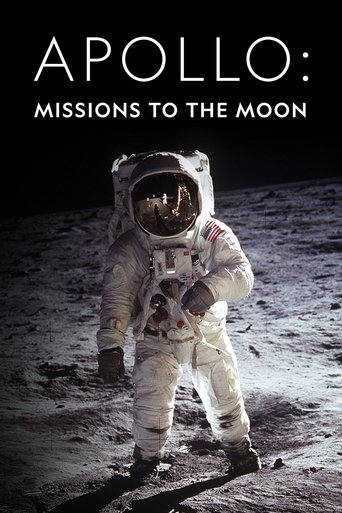
National Geographic's riveting effort recounts all 12 crewed missions using only archival footage, photos and audio.
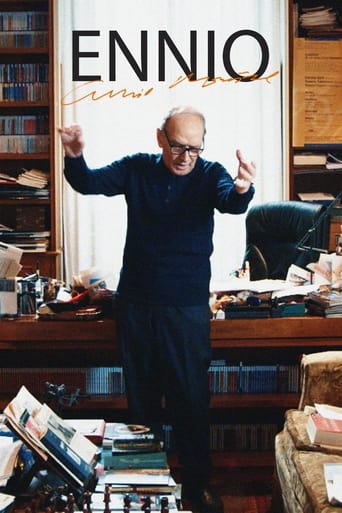
A portrait of Ennio Morricone, the most popular and prolific film composer of the 20th century, the one most loved by the international public, a two-time Oscar winner and the author of over five hundred unforgettable scores.
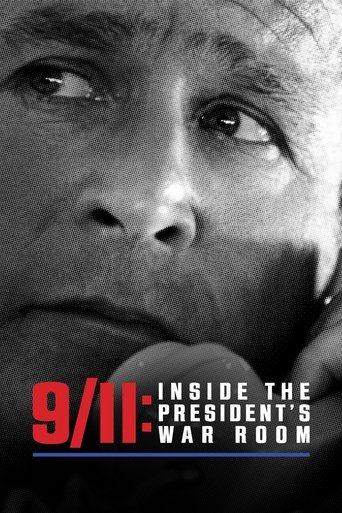
Experience the events of September 11, 2001 through the eyes of President Bush and his closest advisors as they personally detail the crucial hours and key decisions from that historic day.
In 1972, a seemingly typical shoestring budget pornographic film was made in a Florida hotel: "Deep Throat," starring Linda Lovelace. This film would surpass the wildest expectation of everyone involved to become one of the most successful independent films of all time. It caught the public imagination which met the spirit of the times, even as the self-appointed guardians of public morality struggled to suppress it, and created, for a brief moment, a possible future where sexuality in film had a bold artistic potential. This film covers the story of the making of this controversial film, its stunning success, its hysterical opposition along with its dark side of mob influence and allegations of the on set mistreatment of the film's star.

When Allied forces liberated the Nazi concentration camps in 1944-45, their terrible discoveries were recorded by army and newsreel cameramen, revealing for the first time the full horror of what had happened. Making use of British, Soviet and American footage, the Ministry of Information’s Sidney Bernstein (later founder of Granada Television) aimed to create a documentary that would provide lasting, undeniable evidence of the Nazis’ unspeakable crimes. He commissioned a wealth of British talent, including editor Stewart McAllister, writer and future cabinet minister Richard Crossman – and, as treatment advisor, his friend Alfred Hitchcock. Yet, despite initial support from the British and US Governments, the film was shelved, and only now, 70 years on, has it been restored and completed by Imperial War Museums under its original title "German Concentration Camps Factual Survey".

Decades after her untimely death, Princess Diana continues to evoke mystery, glamour, and the quintessential modern fairy tale gone wrong. As a symbol of both the widening fissures weakening the British monarchy and the destructive machinery of the press, the Princess of Wales navigated an unparalleled rise to fame and the corrosive challenges that came alongside it. Crafted entirely from immersive archival footage and free from the distraction of retrospective voices, this hypnotic and audaciously revealing documentary takes a distinctive formal approach, allowing the story of the People’s Princess to unfold before us like never before.

Over 35 years after Bob Lazar's revelations, this documentary exposes secrets of a facility the government still denies. Featuring Lazar's testimony, recreations, and new evidence, it reopens a case that continues to spark global curiosity
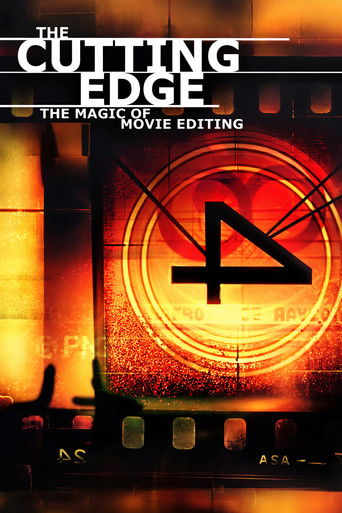
Documentary about the art of film editing. Clips are shown from many groundbreaking films with innovative editing styles.

The epic life story of Alice Guy-Blaché (1873–1968), a French screenwriter, director and producer, true pioneer of cinema, the first person who made a narrative fiction film; author of hundreds of movies, but banished from history books. Ignored and forgotten. At last remembered.
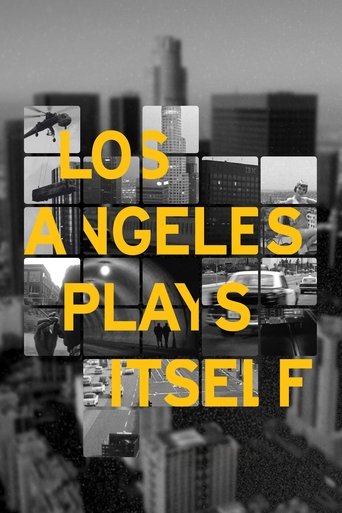
From its distinctive neighborhoods to its architectural homes, Los Angeles has been the backdrop to countless movies. In this dazzling work, Andersen takes viewers on a whirlwind tour through the metropolis' real and cinematic history, investigating the myriad stories and legends that have come to define it, and meticulously, judiciously revealing the real city that lives beneath.
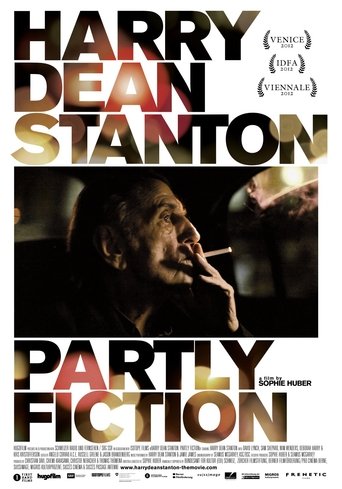
An impressionistic portrait of the iconic actor Harry Dean Stanton comprised of intimate moments, film clips from some of his 250 films and his renditions of American folk songs.

Marcel Ophuls' riveting film details the heinous legacy of the Gestapo head dubbed "The Butcher of Lyon." Responsible for over 4,000 deaths in occupied France during World War II, Barbie would escape—with U.S. help—to South America in 1951, where he lived until a global manhunt led to his 1983 arrest and subsequent trial.

The movie is a biopic about Mia Martini, an italian singer who died in 1995.

A documentary about the life and films of director John Ford.
Similar titles

In the years before World War II, a penniless Japanese child is torn from her family to work as a maid in a geisha house.
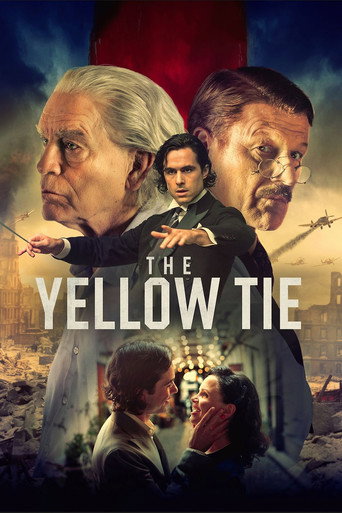
The extraordinary life of Sergiu Celibidache, from his childhood in Romania to his exile in pursuit of a career in music, his struggle for survival in wartime Germany and his rise, fall and rise again, in an unimaginable life journey.
Following in his father's footsteps, Albert Pierrepoint becomes one of Britain's most prolific executioners, hiding his identity as a grocery deliveryman. But when his ambition to be the best inadvertently exposes his gruesome secret, he becomes a minor celebrity & faces a public outcry against the practice of hanging. Based on true events.
On the 8th September 1943, thousands of allied prisoners of war escaped into the Italian countryside following the country's surrender. The occupying Germans hunted these escapers who were helped and sheltered by the brave and kind Italian Contadini, farmers who put their families and homes at great risk by doing so. Made by a crew of students in Leeds, England with very limited resources and funds, it is based on the director's great-grandfather and his experiences as an escaped British POW in Italy during WWII.
A dying man in his forties recalls his childhood, his mother, the war and personal moments that tell of and juxtapose pivotal moments in Soviet history with daily life.
On March 21st, 1945, the British Royal Air Force set out on a mission to bomb Gestapo's headquarters in Copenhagen. The raid had fatal consequences as some of the bombers accidentally targeted a school and more than 120 people were killed, 86 of whom were children.
On 20 November 1945, in what had once been the spiritual centre of the Nazi Empire, the first Nuremberg trial opened. Nuremberg examines the first trail in detail: the scale and speed of the US-led effort to place the Third Reich's leaders in the dock; the charges brought against them; the courtroom drama; the final judgements. Of the 21 defendants, three were acquitted, seven given jail sentences and the remaining eleven sentenced to death, among them Hitler's right-hand man, Hermann Goering. This programme also explores the twelve subsequent trials against the backdrop of the emerging Cold War and the shifting allegiances of allies and enemies in the immediate post-war period.
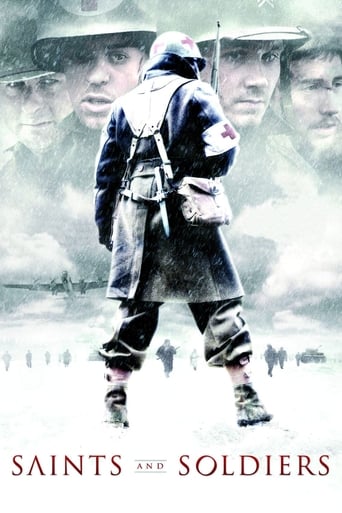
Five American soldiers fighting in Europe during World War II struggle to return to Allied territory after being separated from U.S. forces during the historic Malmedy Massacre.
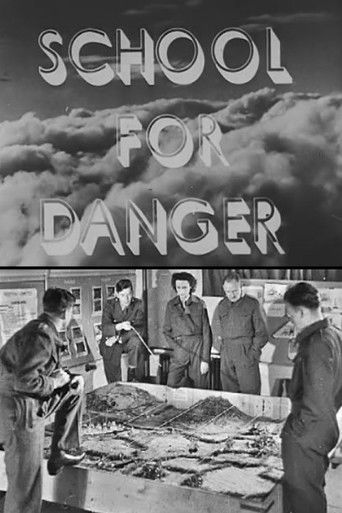
Britain's Special Operations Executive (SOE) provides trained agents, arms and other assistance to the European resistance groups fighting against Hitler. British agents, Captain Harry Rée DSO, OBE, Croix De Guerre, Médaille de la Résistance, aka "Felix", and Jacqueline Nearne, MBE, aka "Cat", recreate some of their adventures in France.

One dark night during the early phases of WWII, the Italian Royal Navy submarine Cappellini sinks an armed merchant ship sailing with lights out. At that moment, its commander Salvatore Todaro makes a decision that was destined to go down in history: to save the 26 shipwrecked Belgians who otherwise would have drowned in the middle of the Atlantic Ocean and disembark them at the nearest safe harbor. To make room for them on board his submarine, he is forced to navigate on the surface of the water for three days, visible to the enemy forces and endangering his life and that of his men.
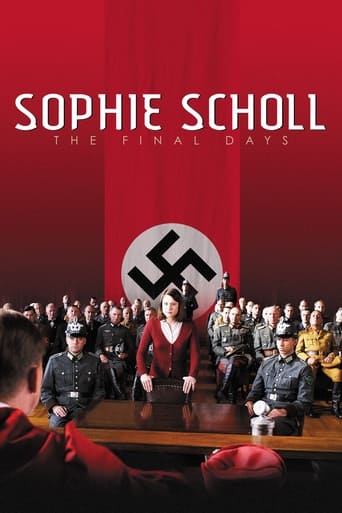
In 1943, as Hitler continues to wage war across Europe, a group of college students mount an underground resistance movement in Munich. Dedicated expressly to the downfall of the monolithic Third Reich war machine, they call themselves the White Rose. One of its few female members, Sophie Scholl is captured during a dangerous mission to distribute pamphlets on campus with her brother Hans. Unwavering in her convictions and loyalty to the White Rose, her cross-examination by the Gestapo quickly escalates into a searing test of wills as Scholl delivers a passionate call to freedom and personal responsibility.
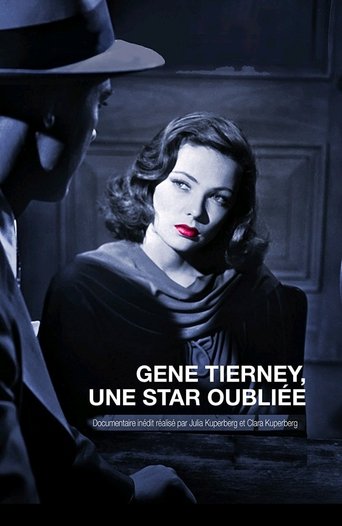
Martin Scorsese is among those paying tribute to Gene Tierney, the Academy Award-nominated American actress who was a leading lady in Hollywood throughout the 1940s and '50s.
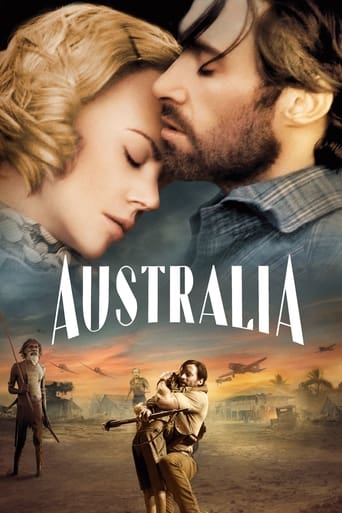
Set in northern Australia before World War II, an English aristocrat who inherits a sprawling ranch reluctantly pacts with a stock-man in order to protect her new property from a takeover plot. As the pair drive 2,000 head of cattle over unforgiving landscape, they experience the bombing of Darwin by Japanese forces firsthand.
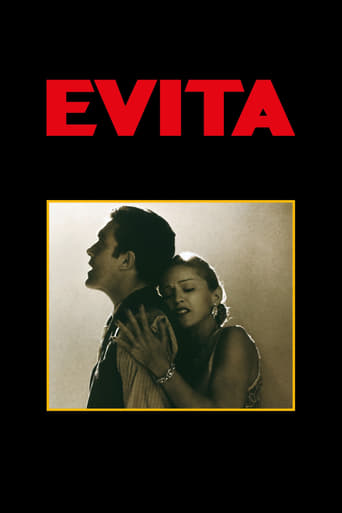
The hit musical based on the life of Evita Duarte, an Argentinian actress who eventually became the wife of Argentinian president Juan Perón, and the most beloved and hated woman in Argentina.
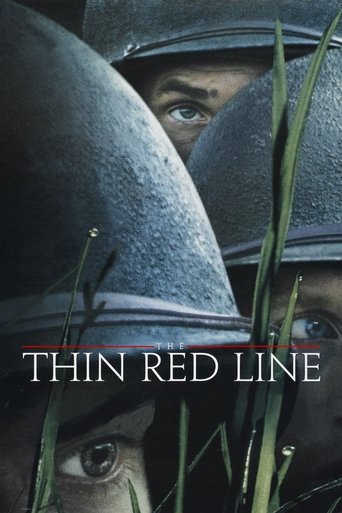
The story of a group of men, an Army Rifle company called C-for-Charlie, who change, suffer, and ultimately make essential discoveries about themselves during the fierce World War II battle of Guadalcanal. It follows their journey, from the surprise of an unopposed landing, through the bloody and exhausting battles that follow, to the ultimate departure of those who survived.
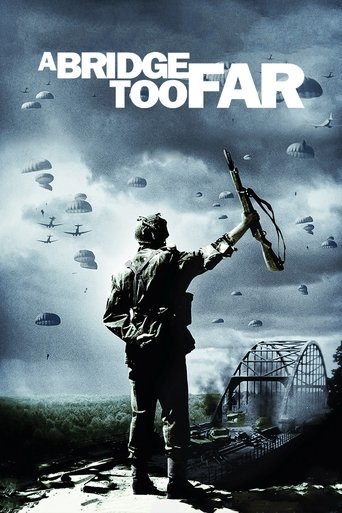
The story of Operation Market Garden—a failed attempt by the allies in the latter stages of WWII to end the war quickly by securing three bridges in Holland allowing access over the Rhine into Germany. A combination of poor allied intelligence and the presence of two crack German panzer divisions meant that the final part of this operation (the bridge in Arnhem over the Rhine) was doomed to failure.
Inspired by the true story of Kurt Gerron, one of the most famous Jewish actors and directors in pre-Nazi Germany. Unlike his friends Fritz Lang and Marlene Dietrich, Gerron refused to leave Germany and was ultimately sent to the Theresienstadt Ghetto, along with many other cultural icons of his time. When Gerron arrives, camp commander (and fan) Karl Rahm orders Gerron to direct a propaganda film about the camp, to show the 'luxurious' conditions to the world. With no choice in the matter, Gerron embarks on what will be his last film, trying to give his fellow prisoners fleeting moments of humanity in the process.
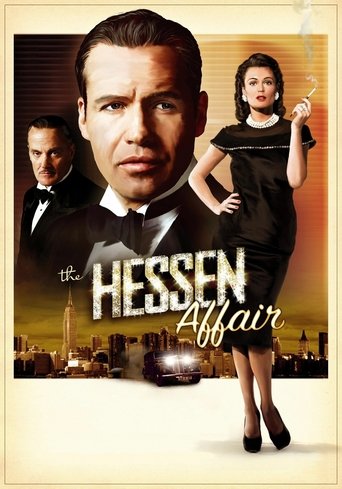
In 1945 a group of victorious American officers discover a stash of German jewels and try to fence them in New York.