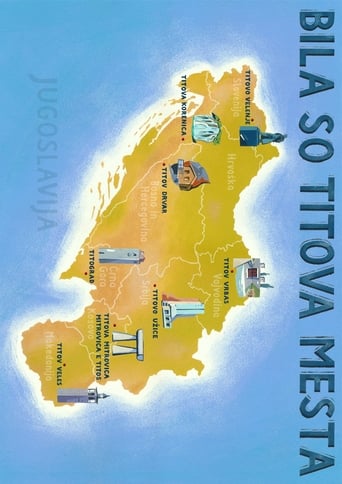
They Were Tito's Towns
2017-09-14 · 102 min · ★ 7.0
Following the death of Josip Broz Tito (1892–1980), one city in each of the six republics and two autonomous regions of the Socialist Federal Republic of Yugoslavia had the honour to be named after the long-serving president. Having been chosen due to leftist ideas, proletarian character, industrialisation, urbanisation and modernity, they were often privileged. Now located across seven countries, not one of these cities is still named after Tito. We learn the stories of these cities from their residents who look back at the period under Tito’s name. Many of these stories are tragic since the majority of cities have been touched by war.
Trailers are previews, not full movies.
No authorized playback source configured. Use the legal watch options below.
Production details
- Directors
- Amir Muratović
- Production companies
- RTV Slovenija
- Countries
- Slovenia
- Status
- Released
Top Cast
Title information and images are supplied by TMDb. Explore our discovery guide for advice on comparing metadata and legal viewing options.
Where to watch
Availability provided by JustWatch via TMDb. Offers can change. Provider links are listed on TMDb; full playback requires a separately authorized source.
Availability not listed for this country.
Seasons & episodes
Recommendations
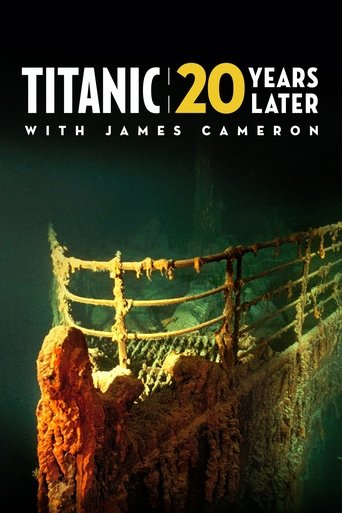
For the 20th anniversary of "Titanic," James Cameron reopens the file on the disaster.

This revealing documentary honors the legendary Sidney Poitier—iconic actor, filmmaker, and civil rights activist. Featuring interviews with Denzel Washington, Spike Lee, Halle Berry, and more.
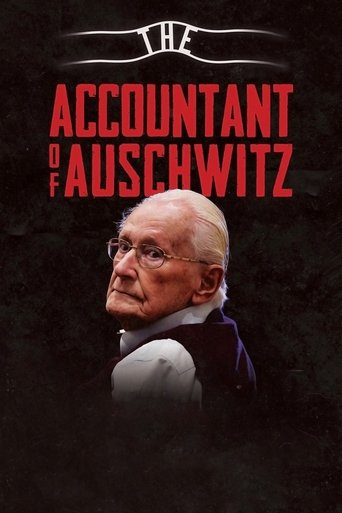
Oskar Gröning, known as the "Accountant of Auschwitz," was charged with the murder of 300,000 Jews. When he took the stand in 2015, at the age of 94, his trial made headlines worldwide.
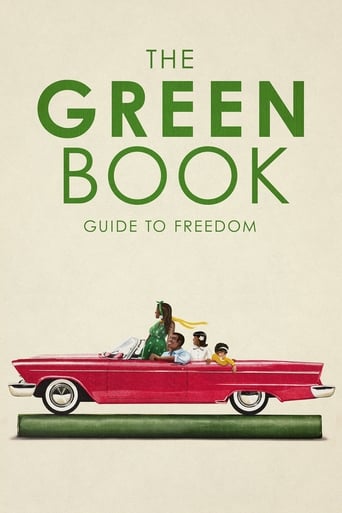
In 1936, Victor H. Green (1892-1960) published The Negro Motorist Green Book, a book that was both a travel guide and a survival manual, to help African-Americans navigate safe those regions of the United States where segregation and Jim Crow laws were disgracefully applied.

An unprecedented and intimate look at the life, work and enduring legacy of British actress Audrey Hepburn (1929-1993).

The life and career of one of comedy's most inimitable modern voices, Mr. Gilbert Gottfried.

A documentary highlighting the Soviet Union's legendary and enigmatic hockey training culture and world-dominating team through the eyes of the team's Captain Slava Fetisov, following his shift from hockey star and celebrated national hero to political enemy.

When Sgt. First Class Brian Eisch is critically wounded in Afghanistan, it sets him and his sons on a journey of love, loss, redemption and legacy.

Documentary filmmaker Amy Berg investigates the life of 30-year pedophile Father Oliver O'Grady and exposes the corruption inside the Catholic Church that allowed him to abuse countless children. Victims' stories and a disturbing interview with O'Grady offer a view into the troubled mind of the spiritual leader who moved from parish to parish gaining trust ... all the while betraying so many.

“Showrunners” is the first ever feature length documentary film to explore the fascinating world of US television showrunners and the creative forces aligned around them. These are the people responsible for creating, writing and overseeing every element of production on one of the United State’s biggest exports – television drama and comedy series. Often described as the most complex job in the entertainment business, a showrunner is the chief writer / producer on a TV series and, in most instances, the show’s creator. Battling daily between art and commerce, showrunners manage every aspect of a TV show’s development and production: creative, financial and logistical.
This documentary brings to life the stories of four people believed by their family and friends to be “DB Cooper,” a man who hijacked a 727 flying out of Seattle and jumped from the plane over the wilds of Washington State with a parachute and $200,000, never to be heard from again.

Cameramen and women discuss the craft and art of cinematography and of the "DP" (the director of photography), illustrating their points with clips from 100 films, from Birth of a Nation to Do the Right Thing. Themes: the DP tells people where to look; changes in movies (the arrival of sound, color, and wide screens) required creative responses from DPs; and, these artisans constantly invent new equipment and try new things, with wonderful results. The narration takes us through the identifiable studio styles of the 30s, the emergence of noir, the New York look, and the impact of Europeans. Citizen Kane, The Conformist, and Gordon Willis get special attention.
A comedic, brutally honest documentary following self-destructive TV writer Dan Harmon as he takes his live podcast on a national tour.

A documentary about the making of season five of the acclaimed AMC series Breaking Bad.

When Allied forces liberated the Nazi concentration camps in 1944-45, their terrible discoveries were recorded by army and newsreel cameramen, revealing for the first time the full horror of what had happened. Making use of British, Soviet and American footage, the Ministry of Information’s Sidney Bernstein (later founder of Granada Television) aimed to create a documentary that would provide lasting, undeniable evidence of the Nazis’ unspeakable crimes. He commissioned a wealth of British talent, including editor Stewart McAllister, writer and future cabinet minister Richard Crossman – and, as treatment advisor, his friend Alfred Hitchcock. Yet, despite initial support from the British and US Governments, the film was shelved, and only now, 70 years on, has it been restored and completed by Imperial War Museums under its original title "German Concentration Camps Factual Survey".

Through deeply personal interviews with her siblings and an examination of the photographs, letters, and belongings left behind, Mariska assembles a new portrait of her mother Jayne Mansfield, an extraordinary and complex woman.
Featuring a wealth of previously unseen archive, this film looks at how Bowie continually evolved: from Ziggy Stardust to the Soul Star of Young Americans, to the ‘Thin White Duke’. It explores his regeneration in Berlin with the critically acclaimed album Heroes, his triumph with Scary Monsters and his global success with Let’s Dance. With interviews with all his closest collaborators, David Bowie - Five Years presents a unique account of why Bowie has become an ‘icon of our times’.
Former United States Secretary of Defense Donald Rumsfeld discusses his career in Washington D.C. from his days as a congressman in the early 1960s to planning the invasion of Iraq in 2003.

The life and career of an actor, artist, and icon. His own journey through his own camera.
A comprehensive 12-part documentary on the making of "Spider-Man 2," covering everything from pre-production to premiere.
Similar titles
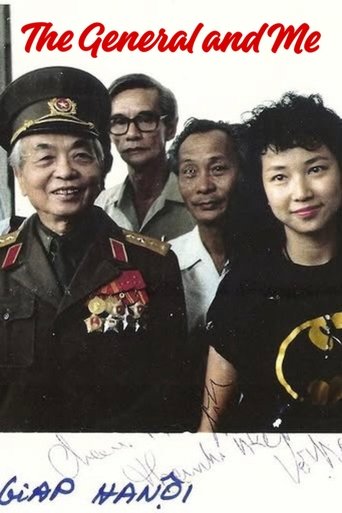
Over the period of 25 years the director met General Võ Nguyên Giáp, a legendary hero of Vietnam’s independence wars, a number of times. She was the first American who entered the home of the “Red Napoleon”. The fruit of this friendship is a film, personal and politically involved at the same time. Travelling across the country and talking to important figures as well as ordinary people, the director finds out more about her roots and offers the audience a unique perspective on Vietnam’s present and past.
This MGM Passing Parade series short presents how separate events led to the creation of three provisions - freedom of speech, freedom of the press, and prohibition of the infliction of cruel and unusual punishments - in the U.S. Constitution's Bill of Rights.
It is the year 2546. Corporations rule the world, and an agent is on a secret mission to explore the untold stories of the past. His journey leads him into a secret virtual reality where one corporation has recreated the 1980s, an era that witnessed the birth of video game development, an event in which a politically and economically restricted small European country, Hungary, had a significant role. He discovers a strange but exciting world, where computers were smuggled through the Iron Curtain and serious engineers started developing games. This small country was still under Soviet pressure when a group of people managed to set up one of the first game development studios in the world, and western computer stores started clearing room on their shelves for Hungarian products.

From double BAFTA nominated Writer and Director John Walsh. Monarch is part fact, part fiction and unfolds around one night when the injured ruler arrives at a manor house closed for the season.
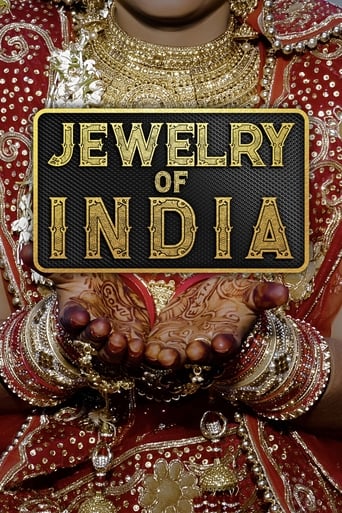
Mother India is home to many castes, tribes and religions and one common factor that brings this diverse country all together is Jewelry. Come explore the deep history and culture of the jewelry of India dating back more than 5000 years. As we explore the history we also take you into Bangalore, India and talk to local Jewelry Stores and Jewelry Artisans as they share their stories and their family history of their involvement in jewelry going far back into their family ancestry.
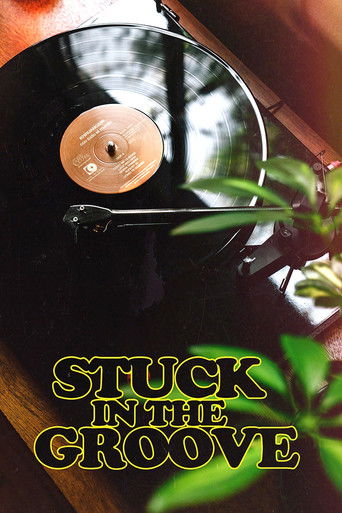
A Documentary film exploring the history and evolution of vinyl records. Featuring Interviews with the experts, musicians and fans alike, 'Stuck in the groove' takes you on a journey of vinyl-mania, music and nostalgia.
Documentary film with play scenes about the rise and fall of the short-lived Bavarian Soviet Republic in 1919 from the perspective of various well-known poets and writers who experienced the events as contemporary witnesses.
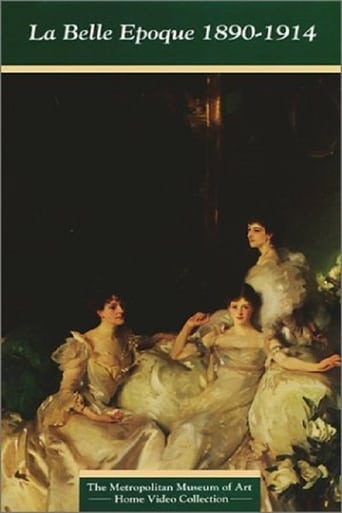
Featuring Douglas Fairbanks Jr. and Diana Vreeland, La Belle Epoque evokes "the beautiful era" of 1890-1914, a time in which the wealthy upper classes of the Western world gave themselves over to a life of elegance and taste-making, their eyes closed to the increasing social and political turmoil fermenting beneath the surface of polite society. The program uses period motion pictures, photographs, and sound recordings, as well as the arts and fashions of the period to supplement the spoken memories of the participating interviewees who actually lived... La Belle Epoque.
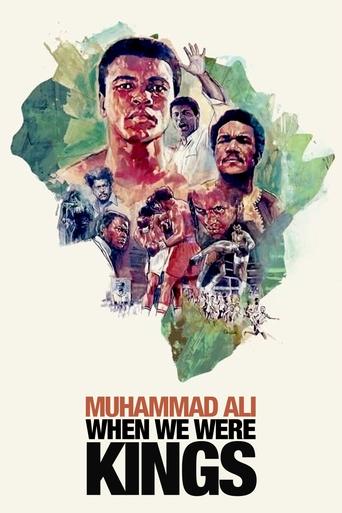
It's 1974. Muhammad Ali is 32 and thought by many to be past his prime. George Foreman is ten years younger and the heavyweight champion of the world. Promoter Don King wants to make a name for himself and offers both fighters five million dollars apiece to fight one another, and when they accept, King has only to come up with the money. He finds a willing backer in Mobutu Sese Suko, the dictator of Zaire, and the "Rumble in the Jungle" is set, including a musical festival featuring some of America's top black performers, like James Brown and B.B. King.
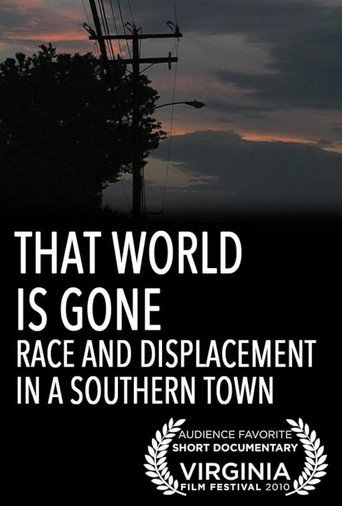
Kathy's family left on a Saturday morning in 1965. The rumble of bulldozers echoed through the neighborhood, and her block was empty. Federally-funded urban renewal had arrived in Charlottesville, scattering dozens of families like Kathy's. The once-vibrant African American community, built by formerly enslaved men and women who had secured a long-denied piece of the American dream, disappeared.
An excellent comprehensive look at all the music that came out of Cincinnati, Ohio. Cincinnati "Rock Legends" "James Brown" "King Records" "Pure Prairie League" "Lemon Pipers" "Syd Nathan" WEBN "Bootsy Collins" "Lonnie Mack" "The Who concert 1979" "Rick Derringer"

In 208 A.D., in the final days of the Han Dynasty, shrewd Prime Minster Cao convinced the fickle Emperor Han the only way to unite all of China was to declare war on the kingdoms of Xu in the west and East Wu in the south. Thus began a military campaign of unprecedented scale. Left with no other hope for survival, the kingdoms of Xu and East Wu formed an unlikely alliance.
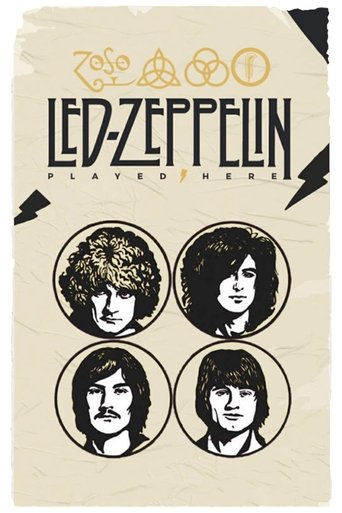
1969. Man lands on the moon. Half a million strong at Woodstock....and Led Zeppelin perform in the gym of the Wheaton Youth Center in front of 50 confused teenagers. Or did they? Filmmaker Jeff Krulik chronicles an enduring Maryland legend, of the very night this concert was alleged to have taken place, January 20, 1969, during the first Presidential Inauguration of Richard Nixon. Led Zeppelin Played Here presents a mid-Atlantic version of what was happening nationwide as the rock concert industry took shape. Featuring interviews with rock writers, musicians, and fans, and several who claim they were witnessing history that night.
The story of the Cuban Missile Crisis in 1962—the nuclear standoff with the USSR sparked by the discovery by the Americans of missile bases established on the Soviet-allied island of Cuba.
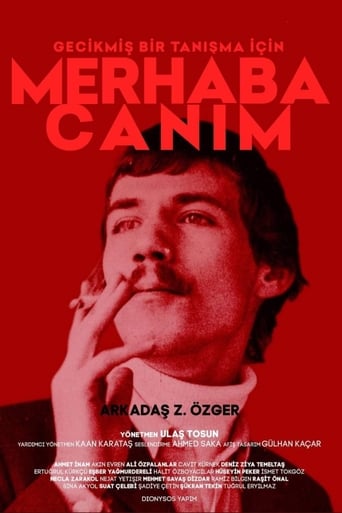
The documentary is titled after Arkadaş Z. Özger’s poem “Hello My Dear” which had caused much controversy in the period it was first published. Considered to be in defiance of heteronormativity, the said poem includes references to the poet’s personality, his family, his relationship to the society, and his “unexpected” death, which came three years after its publication. Today, 50 years after it was written, the documentary follows these same lines in the poem utilising cinematic elements. The documentary also rediscovers the poetics; reaches out to the family, the comrades, the friendships, departing from the official historical accounts, cognizant of his experience of otherness, in pursuit of the “lost” portrait of Arkadaş Z. Özger.
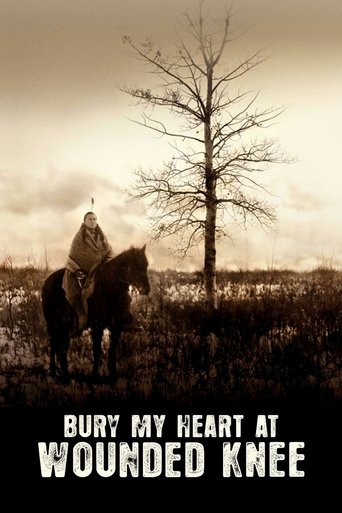
Beginning just after the bloody Sioux victory over General Custer at Little Big Horn, the story is told through two unique perspectives: Charles Eastman, a young, white-educated Sioux doctor held up as living proof of the alleged success of assimilation, and Sitting Bull the proud Lakota chief whose tribe won the American Indians’ last major victory at Little Big Horn.
Follows the waves of literary, political, and cultural history as charted by the The New York Review of Books, America’s leading journal of ideas for over 50 years. Provocative, idiosyncratic and incendiary, the film weaves rarely seen archival material, contributor interviews, excerpts from writings by such icons as James Baldwin, Gore Vidal, and Joan Didion along with original verité footage filmed in the Review’s West Village offices.
A young Bulgarian girl digs into her grandfather's turbulent life in an attempt to unravel the past and find answers and explanations for the catastrophic fall of communism.
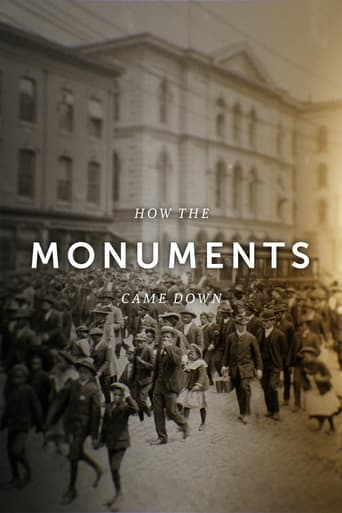
How the Monuments Came Down is a timely and searing look at the history of white supremacy and Black resistance in Richmond. The feature-length film-brought to life by history-makers, descendants, scholars, and activists-reveals how monuments to Confederate leaders stood for more than a century, and why they fell.
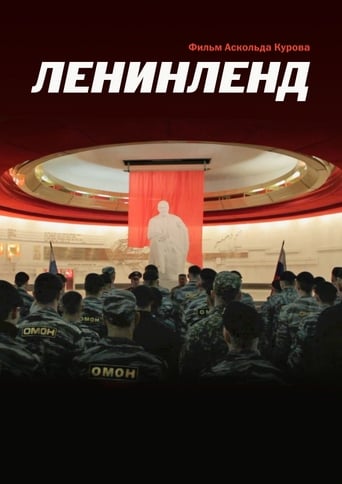
At the peak of Perestroika, in 1987, in the village of Gorki, where Lenin spent his last years, after a long construction, the last and most grandiose museum of the Leader was opened. Soon after the opening, the ideology changed, and the flow of pilgrims gradually dried up. Despite this, the museum still works and the management is looking for ways to attract visitors. Faithful to the Lenin keepers of the museum as they can resist the onset of commercialization. The film tells about the modern life of this amazing museum-reserve and its employees.