
Dick Cavett's Watergate
2014-08-08 · 56 min · ★ 7.0
From 1972 to 1974, the Watergate scandal was frequently a part of “The Dick Cavett Show.” In fact, Cavett was at the forefront of national TV coverage, interviewing nearly every major Watergate figure as the crisis unfolded. With exclusive access to the archive of the show, documenting the scandal in the words of the people who lived it: from the botched burglary at the Democratic National Headquarters; to the must-see TV of the daily Congressional Watergate hearings; to the ongoing behind-the-scenes battle between the White House and “The Dick Cavett Show,” culminating with the resignation of President Nixon on August 9, 1974. Offering a unique opportunity to mark the 40th anniversary of a defining moment in American history.
Trailers are previews, not full movies.
No authorized playback source configured. Use the legal watch options below.
Production details
- Directors
- John Scheinfeld
- Production companies
- Crew Neck Productions, Daphne Productions, THIRTEEN
- Countries
- United States of America
- Status
- Released
Top Cast
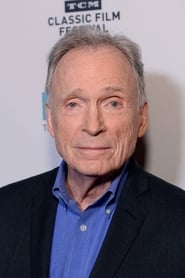 Dick CavettHimself
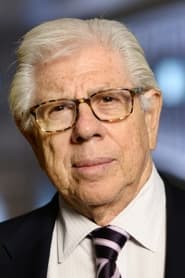 Carl BernsteinHimself
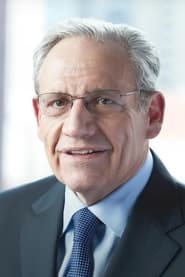 Bob WoodwardHimself
Title information and images are supplied by TMDb. Explore our discovery guide for advice on comparing metadata and legal viewing options.
Where to watch
Availability provided by JustWatch via TMDb. Offers can change. Provider links are listed on TMDb; full playback requires a separately authorized source.
Streaming
PBS Documentaries Amazon Channel
Rental
Amazon Video
Purchase
Amazon Video
Free
Kanopy, Hoopla
View authorized watch options on TMDbSeasons & episodes
Recommendations
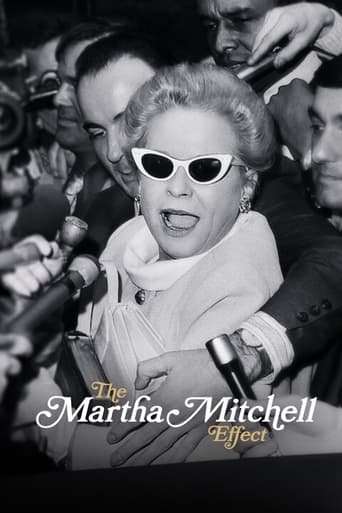
She was once as famous as Jackie O—and then she tried to take down a President. Martha Mitchell was the unlikeliest of whistleblowers: a Republican wife who was discredited by Nixon to keep her quiet. Until now.
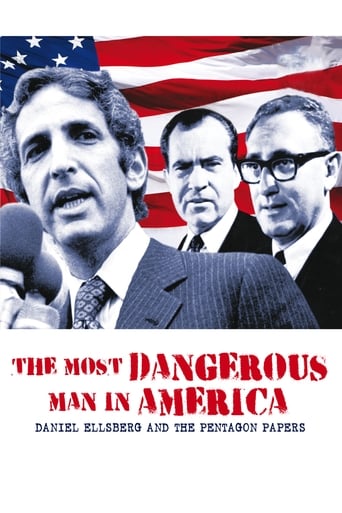
"The Most Dangerous Man in America" is the story of what happens when a former Pentagon insider, armed only with his conscience, steadfast determination, and a file cabinet full of classified documents, decides to challenge an "imperial" presidency – answerable to neither Congress, the press, nor the people – in order to help end the Vietnam War.
He's devoted his career to uncovering stories the powerful want buried. From My Lai to Abu Ghraib, dig into the life's work of journalist Seymour Hersh.
Thirty years after the release of his film JFK (1991), filmmaker Oliver Stone reviews recently declassified evidence related to the assassination of President John F. Kennedy, which took place in Dallas on November 22, 1963.

Over 35 years after Bob Lazar's revelations, this documentary exposes secrets of a facility the government still denies. Featuring Lazar's testimony, recreations, and new evidence, it reopens a case that continues to spark global curiosity

Director Michael Apted revisits the same group of British-born adults after a 7 year wait. The subjects are interviewed as to the changes that have occurred in their lives during the last seven years.
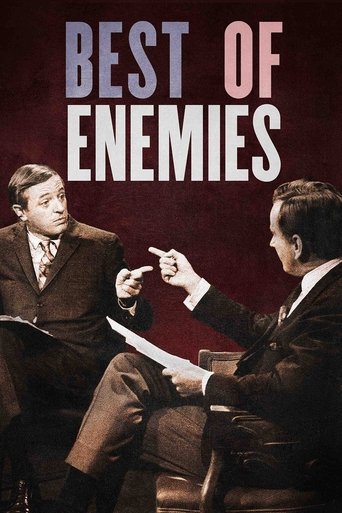
A documentary about the legendary series of nationally televised debates in 1968 between two great public intellectuals, the liberal Gore Vidal and the conservative William F. Buckley Jr. Intended as commentary on the issues of their day, these vitriolic and explosive encounters came to define the modern era of public discourse in the media, marking the big bang moment of our contemporary media landscape when spectacle trumped content and argument replaced substance. Best of Enemies delves into the entangled biographies of these two great thinkers, and luxuriates in the language and the theater of their debates, begging the question, "What has television done to the way we discuss politics in our democracy today?"

Through deeply personal interviews with her siblings and an examination of the photographs, letters, and belongings left behind, Mariska assembles a new portrait of her mother Jayne Mansfield, an extraordinary and complex woman.

An unprecedented and intimate look at the life, work and enduring legacy of British actress Audrey Hepburn (1929-1993).

This revealing documentary honors the legendary Sidney Poitier—iconic actor, filmmaker, and civil rights activist. Featuring interviews with Denzel Washington, Spike Lee, Halle Berry, and more.

Decades after her untimely death, Princess Diana continues to evoke mystery, glamour, and the quintessential modern fairy tale gone wrong. As a symbol of both the widening fissures weakening the British monarchy and the destructive machinery of the press, the Princess of Wales navigated an unparalleled rise to fame and the corrosive challenges that came alongside it. Crafted entirely from immersive archival footage and free from the distraction of retrospective voices, this hypnotic and audaciously revealing documentary takes a distinctive formal approach, allowing the story of the People’s Princess to unfold before us like never before.
Experience the events of September 11, 2001 through the eyes of President Bush and his closest advisors as they personally detail the crucial hours and key decisions from that historic day.

An inside look at one of the most anticipated movie sequels ever with James Cameron and cast.

The history of cinematic sound, told by legendary sound designers and visionary filmmakers.

Unravel the case of Utah therapist Jodi Hildebrandt, whose child abuse arrest with parenting YouTuber Ruby Franke exposed a twisted tale of manipulation.
In 1972, a seemingly typical shoestring budget pornographic film was made in a Florida hotel: "Deep Throat," starring Linda Lovelace. This film would surpass the wildest expectation of everyone involved to become one of the most successful independent films of all time. It caught the public imagination which met the spirit of the times, even as the self-appointed guardians of public morality struggled to suppress it, and created, for a brief moment, a possible future where sexuality in film had a bold artistic potential. This film covers the story of the making of this controversial film, its stunning success, its hysterical opposition along with its dark side of mob influence and allegations of the on set mistreatment of the film's star.
Michael Moore comes home to the issue he's been examining throughout his career: the disastrous impact of corporate dominance on the everyday lives of Americans (and by default, the rest of the world).
For the 20th anniversary of "Titanic," James Cameron reopens the file on the disaster.
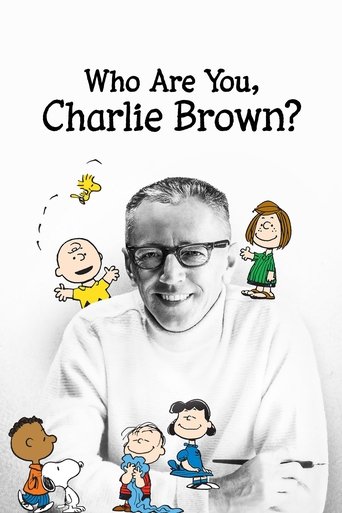
Lupita Nyong'o narrates a documentary about Peanuts and its creator, Charles M. Schulz. Famous fans—including Drew Barrymore, Kevin Smith, and Al Roker—share its influence on them, and a new animated story finds Charlie Brown on a quest.

A subjective documentary that explores various theories about hidden meanings in Stanley Kubrick's classic film The Shining. Five very different points of view are illuminated through voice over, film clips, animation and dramatic reenactments.
Similar titles

In June of 1972, as Hurricane Agnes rages and the Watergate Scandal brews, people from all walks of life find themselves cut off and alone.

From 1971 to 1973, Richard Nixon secretly recorded his private conversations in the White House. This film chronicles the content of those tapes, which include Nixon's conversations on the war in Vietnam, the Pentagon Papers leak, his Supreme Court appointments, and more--while also exposing shocking statements he made about women, people of color, Jews, and the media.
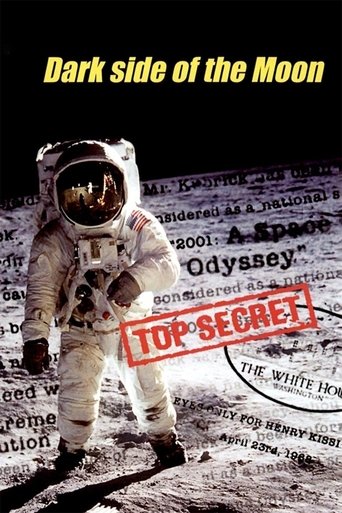
A French documentary or, one might say more accurately, a mockumentary, by director William Karel which originally aired on Arte in 2002 with the title Opération Lune. The basic premise for the film is the theory that the television footage from the Apollo 11 Moon landing was faked and actually recorded in a studio by the CIA with help from director Stanley Kubrick.
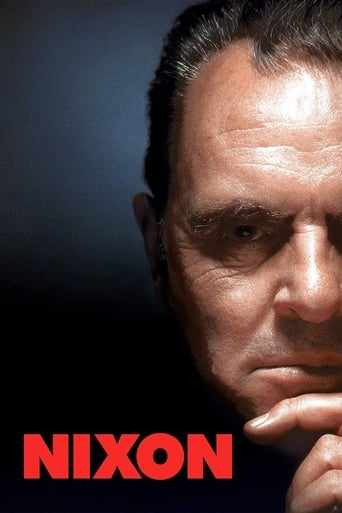
A look at President Richard M. Nixon—a man carrying the fate of the world on his shoulders while battling the self-destructive demands from within—spanning his troubled boyhood in California to the shocking Watergate scandal that would end his Presidency.
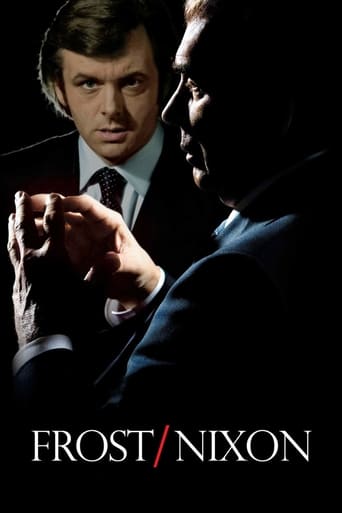
For three years after being forced from office, Nixon remained silent. But in summer 1977, the steely, cunning former commander-in-chief agreed to sit for one all-inclusive interview to confront the questions of his time in office and the Watergate scandal that ended his presidency. Nixon surprised everyone in selecting Frost as his televised confessor, intending to easily outfox the breezy British showman and secure a place in the hearts and minds of Americans. Likewise, Frost's team harboured doubts about their boss's ability to hold his own. But as the cameras rolled, a charged battle of wits resulted.
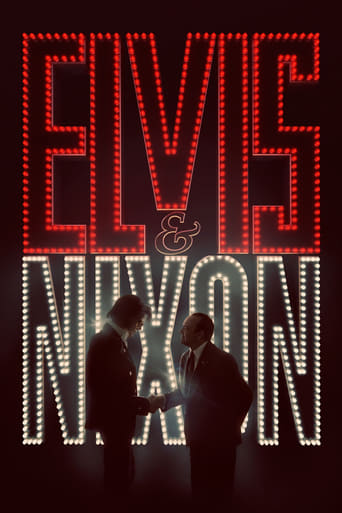
In 1970, a few days before Christmas, Elvis Presley showed up on the White House lawn seeking to be deputized into the Bureau of Narcotics and Dangerous Drugs by the President himself.
She was once as famous as Jackie O—and then she tried to take down a President. Martha Mitchell was the unlikeliest of whistleblowers: a Republican wife who was discredited by Nixon to keep her quiet. Until now.
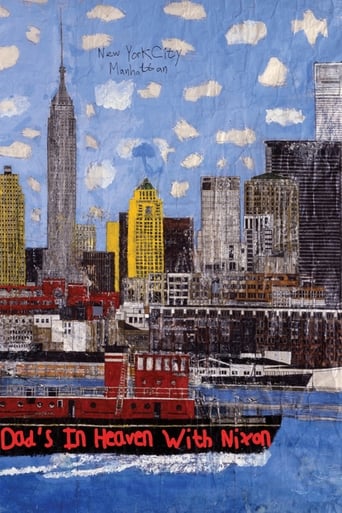
Dad's in Heaven with Nixon is a 2010 documentary film produced, directed and written by Tom Murray. It concerns the history of the Murray family and especially of Tom's brother Chris Murray, a man with autism whose paintings of cityscapes, first promoted by family friend Gloria Vanderbilt, have garnered widespread praise. The title refers to Chris' belief that his late father, who loathed Richard Nixon, is now friends in heaven with the former president. Ranging over three generations of Murrays, whose patriarchs struggled with alcoholism and bipolar disorder, the film treats of subjects ranging from father-son relationships to the Great Depression, from the effects of divorce on families to the cushy lifestyle of the residents of Southhampton, New York.

The story of J. Edgar Hoover, head of the FBI from 1924-1972, following his racket-busting days through his reign under eight US presidents.

The story of Mark Felt, who under the name "Deep Throat" helped journalists Bob Woodward and Carl Bernstein uncover the Watergate scandal in 1974.

Follows the crime and scandal that took down President Richard Nixon the day of the break-in at the Watergate Hotel.

The Watergate case was the original game changer of America politics. How has Watergate changed the Presidency? What effect has the scandal had on our political leaders? And has hope and optimism forever been replaced in our national dialogue by doubt and cynicism? In 1973, Watergate's most pivotal year, reporters Bob Woodward and Carl Bernstein doggedly investigated the scandal exposing the long, twisted trail of cover-ups and lies.
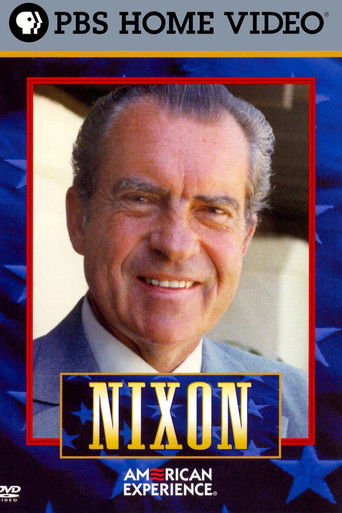
The enigmatic nature of the Nixon presidency combined comparatively progressive legislative initiatives with a flagrant abuse of presidential power and the public trust. His achievements in expanding peaceful relations with China and the Soviet Union stand in stark contrast with his continuation of the war in Vietnam. Finally brought down by scandal and duplicity, his administration did much to erode the citizenry's faith in government.
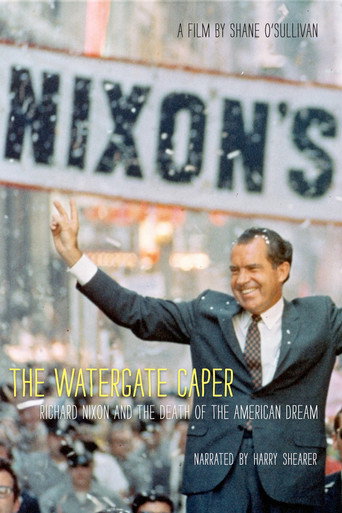
The Watergate Caper is an archival documentary, narrated by Harry Shearer (This is Spinal Tap), tracing the rise and fall of Nixon from the presidential primaries of 1968 through the Watergate break-in of June 1972 to his resignation two years later, killing trust in the political process and the American presidency in the wake of the Vietnam War. The film draws on hundreds of hours of TV news taped off-air by the Nixon White House to tell the untold story of the Watergate burglars. How did tapping the wrong phone with a bug that didn't work lead to their arrests and Nixon's resignation? It also explores representations of the Nixon years in popular culture, using the music, commercials, and cinema of the era to evoke a fevered political landscape of culture wars, dirty tricks, paranoia and assassination.
This was a project done for a AP US History course, hence the mundane performances and obvious budgetary restraints. It is in our honor to present you a glimpse into the Space Race.
An overview of the lives of Richard Nixon and Chairman Mao, focusing on the geopolitical forces that led to their meeting in 1972 and the resulting effects on the world economy.
A cover-up that spanned four U.S. Presidents pushed the country's first female newspaper publisher and a hard-driving editor to join an unprecedented battle between journalist and government. Inspired by true events.

Hoffman, Redford, Bernstein, Woodward, Pakula and Bradlee. Creators and creatures involved in one way or another with 'All the President's Men', whether being the novel or the movie, appear in this documentary to talk about the challenge of both medias and how one was successfully transformed into another.

A Bangladeshi American undertakes a journey to learn about the liberation war in his native country, traveling there for the first time in nearly two decades, and uncovering the controversial role the U.S. played in a forgotten genocide that occurred there over 50 years ago. From 1971 to the present day, this is a story of Bangladesh’s independence, a family’s journey immigrating to America, and the cognitive dissonance of a person belonging to both homelands. Driven by interviews with his father and other family members, along with experts and witnesses, archival videos, declassified recordings, and animations, BENGAL MEMORY is a unique and untold oral history through a personal lens.