Greenpeace the story
2011-09-24 · Runtime unavailable · Not rated
Trailers are previews, not full movies.
No authorized playback source configured. Use the legal watch options below.
Production details
- Directors
- Rex Weyler
- Production companies
- Unavailable
- Countries
- Unavailable
- Status
- Released
Top Cast
Title information and images are supplied by TMDb. Explore our discovery guide for advice on comparing metadata and legal viewing options.
Where to watch
Availability provided by JustWatch via TMDb. Offers can change. Provider links are listed on TMDb; full playback requires a separately authorized source.
Seasons & episodes
Recommendations
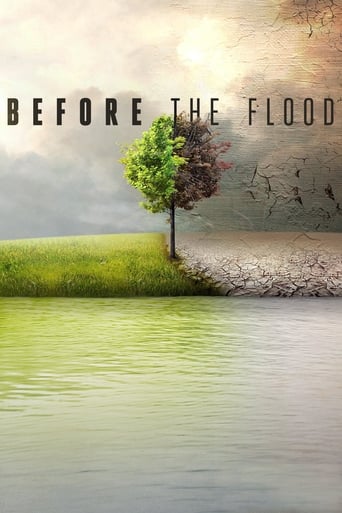
A look at how climate change affects our environment and what society can do to prevent the demise of endangered species, ecosystems, and native communities across the planet.
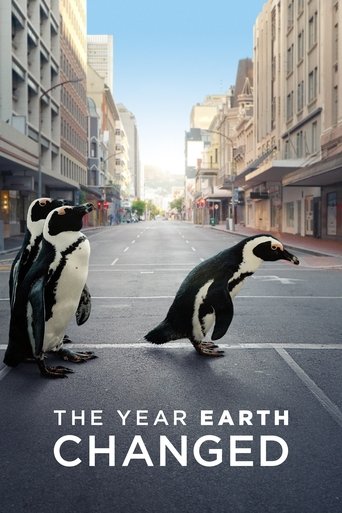
Never-before-seen footage shows how our living in lockdown opened the door for nature to bounce back and thrive. Across the seas, skies, and lands, Earth found its rhythm when we came to a stop.
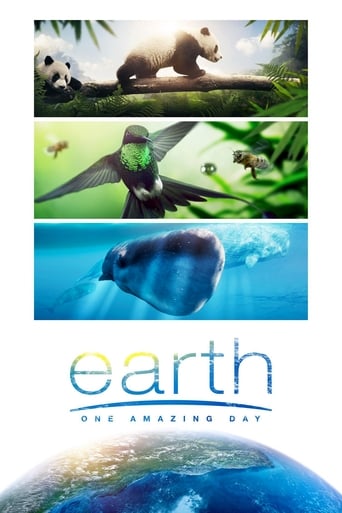
An astonishing journey revealing the awesome power of the natural world. Over the course of one single day, we track the sun from the highest mountains to the remotest islands to exotic jungles.

A string of threatening emails escalates into a revenge plot involving a newly married US marshal and his ex-girlfriend.
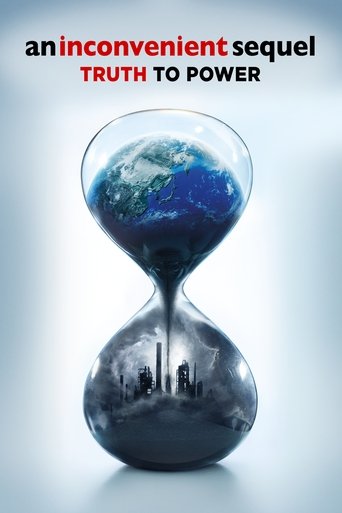
A decade after An Inconvenient Truth brought climate change into the heart of popular culture comes the riveting and rousing follow-up that shows just how close we are to a real energy revolution. Vice President Al Gore continues his tireless fight, traveling around the world training an army of climate champions and influencing international climate policy. Cameras follow him behind the scenes—in moments private and public, funny and poignant—as he pursues the empowering notion that while the stakes have never been higher, the perils of climate change can be overcome with human ingenuity and passion.
David Attenborough and scientist Johan Rockström examine Earth's biodiversity collapse and how this crisis can still be averted.

Follow the shocking, yet humorous, journey of an aspiring environmentalist, as he daringly seeks to find the real solution to the most pressing environmental issues and true path to sustainability.
A documentary on Al Gore's campaign to make the issue of global warming a recognized problem worldwide.

A visual montage portrait of our contemporary world dominated by globalized technology and violence.

In an intimate and joyful story of love in the face of loss, celebrated poets Andrea Gibson and Megan Falley find strength—and unexpected hilarity—in what might be their final year together.
Passionate about ocean life, a filmmaker sets out to document the harm that humans do to marine species — and uncovers an alarming global conspiracy.

An inside look at one of the most anticipated movie sequels ever with James Cameron and cast.
An unlikely team of activists and innovators hatches a bold mission to save endangered species.
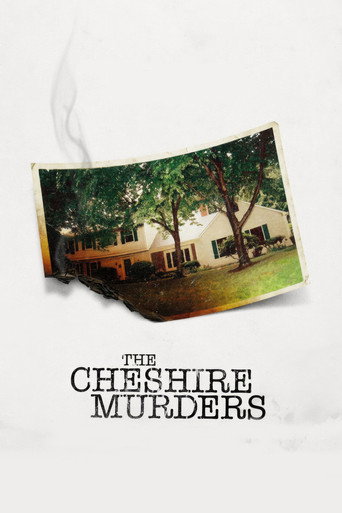
In the early-morning hours of July 23, 2007, in Cheshire, Conn., ex-convicts Steven Hayes and Joshua Komisarjevsky broke into the family home of William Petit, his wife, Jennifer, and their daughters, Michaela, 11, and Hayley, 17. Dr. Petit was beaten and tied to a pole in the basement. The three women were bound in their bedrooms while the men ransacked the house. The brutal ordeal continued throughout the morning, ending with rape, arson and a horrific triple homicide.

Through deeply personal interviews with her siblings and an examination of the photographs, letters, and belongings left behind, Mariska assembles a new portrait of her mother Jayne Mansfield, an extraordinary and complex woman.

In the Realms of the Unreal is a documentary about the reclusive Chicago-based artist Henry Darger. Henry Darger was so reclusive that when he died his neighbors were surprised to find a 15,145-page manuscript along with hundreds of paintings depicting The Story of the Vivian Girls, in What is Known as the Realms of the Unreal, of the Glodeco-Angelinnian War Storm, Cased by the Child Slave Rebellion.
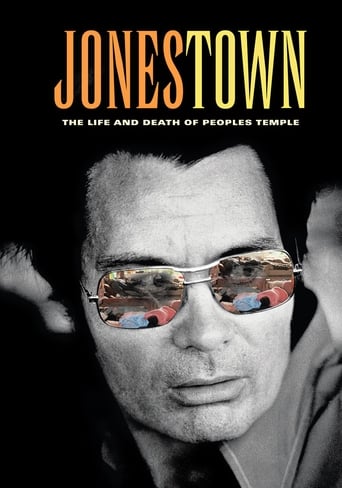
Featuring never-before-seen footage, this documentary delivers a startling new look at the Peoples Temple, headed by preacher Jim Jones who, in 1978, led more than 900 members to Guyana, where he orchestrated a mass suicide via tainted punch.
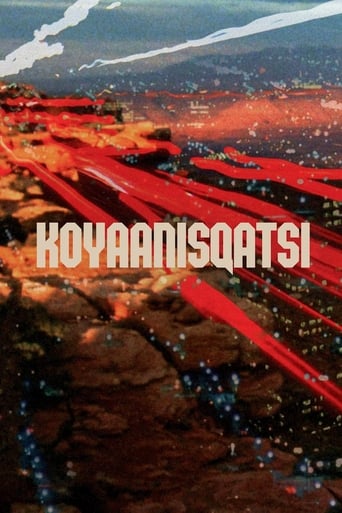
Takes us to locations all around the US and shows us the heavy toll that modern technology is having on humans and the earth. The visual tone poem contains neither dialogue nor a vocalized narration: its tone is set by the juxtaposition of images and the exceptional music by Philip Glass.
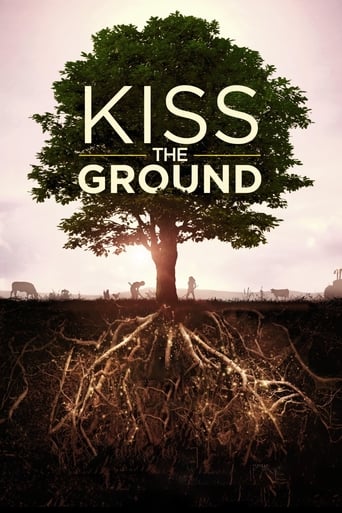
Sheds light on an alternative approach to farming called “regenerative agriculture” that could balance our climate, replenish our vast water supplies, and feed the world.
Live Aid was held on 13 July 1985, simultaneously in Wembley Stadium in London, England, and the John F. Kennedy Stadium in Philadelphia, United States. It was one of the largest scale satellite link-ups and television broadcasts of all time: watched live by an estimated global audience of 1.9 billion, across 150 nations. "It's twelve noon in London, seven AM in Philadelphia, and around the world it's time for Live Aid...!"
Similar titles
Voices in Wartime is a 2004 documentary that explores the human experience of war through poetry. Combining interviews with soldiers, journalists, and historians, it reveals how war affects individuals and societies across time and place. The film features poets from around the world – from Homer and Wilfred Owen to Shoda Shinoe and modern writers in Iraq and Nigeria – showing how poetry expresses the pain, trauma, and truth of conflict. By linking verse with real-life accounts, Voices in Wartime highlights how poetry helps us understand the emotional and moral impact of war.
This documentary provides a window into the extraordinary life of activist and Nobel Laureate Wangari Maathai, a Kenyan woman who has worked to regain ownership of her country and its fate after years of colonialism. While gentle and thoughtful, Maathai carries a powerful message: the First World holds much of the responsibility for the environmental, economic and social struggles of the developing world.
For 100 years, we have waged war on wildfire in the United States, and ironically, have created a more volatile landscape than ever.
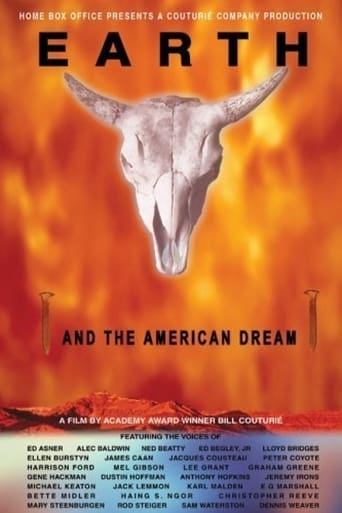
A beautiful and disturbing film recounts America’s story from the environment’s point of view. From the arrival of Columbus to the simple wilderness living of the 16th and 17th centuries, through the agrarian lifestyle of the 18th century, the changes from the Industrial Revolution, to the 20th century when most of the planet’s resources have been depleted — this film examines the North American landscape and all the wildlife destruction, deforestation, soil depletion and pollution that have been wrought to make the American Dream come true.
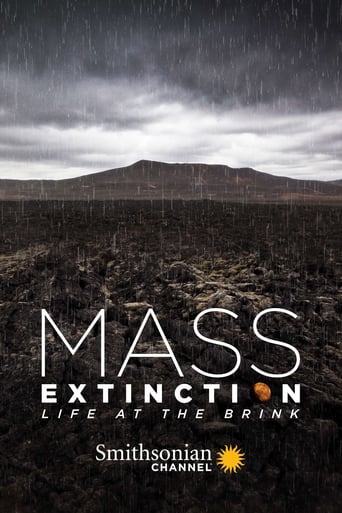
It's death on an unimaginable scale, when a majority of Earth's species quickly die out. It's called "mass extinction," and it's happened at least five times before. Cataclysms, such as supervolcanoes or asteroids, are thought to cause these events, but some experts believe a manmade mass extinction could be next. Is our planet in trouble? And if so, is there anything we can do to stop the next catastrophic annihilation? Experts are traveling the world, performing groundbreaking scientific detective work to answer these very questions.
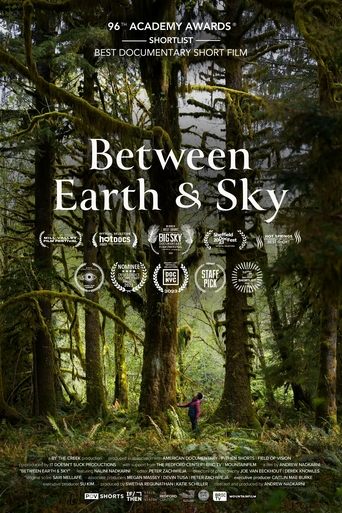
For her entire professional life, renowned ecologist Nalini Nadkarni pioneered climbing techniques to study "what grows back” after an ecological disturbance in the rainforest canopy. Now, after surviving a life-threatening fall from a tree, she must turn her research question onto herself in order to understand the effects of disturbance and recovery throughout her life.

Climate change is accelerating the melting of glaciers around the world. A study conducted across all continents sounds the alarm about the urgent need to preserve them.

On march 25, 2023, I'm filming from within the ecological protest against water reservoirs taking place in Sainte-Soline, France. The police repression is so violent that after the event, I have repressed many of the experiences of the protest. The images I captured retrace my path within the protest and give me back my memories.

Set against nostalgic analog noise, this is an ultra-processed film which pays homage to lost media and the dead art of videotaped home movies. Taking place primarily in the United States, two strippers look into getting hired at a club in Colorado, a young musician reunites with her family in Missouri, and a German woman flies from Berlin to the U.S. to help her friend finish a film in Texas.
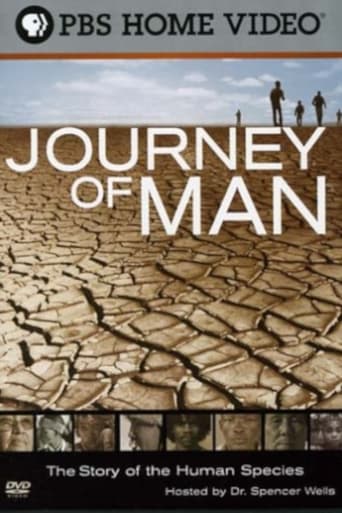
Many geneticists and archaeologists have long surmised that human life began in Africa. Dr. Spencer Wells, one of a group of scientists studying the origin of human life, offers evidence and theories to support such a thesis in this PBS special. He claims that Africa was populated by only a few thousand people that some deserted their homeland in a conquest that has resulted in global domination.
A whimsical filmmaker turns to his rational zoologist mother to help film animals. As memories of tigers and pet rabbits surface, the zoologist is compelled to question her relationship with animals.

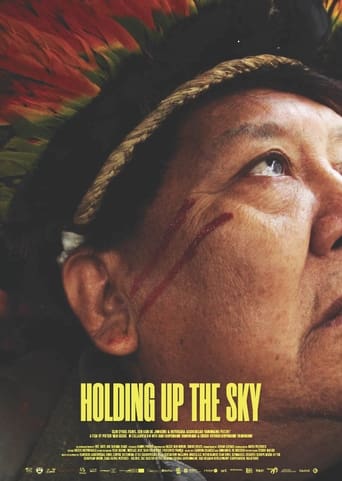
"When the shamans stop dancing and life in the rainforest loses its balance, the sky will collapse and come to crush everything." This wisdom is passed down from generation to generation by the Yanomami of Brazil. But gold miners are polluting the rivers, shamans are dying, the rainforest is disappearing and the earth is getting hotter. Davi Kopenawa, a tribal leader and spokesman for the Yanomami, has been fighting relentlessly against the colonization of his land for 40 years. He warns Westerners that when the sky collapses, they too will be crushed. Why don't they listen? Translated with www.DeepL.com/Translator (free version)

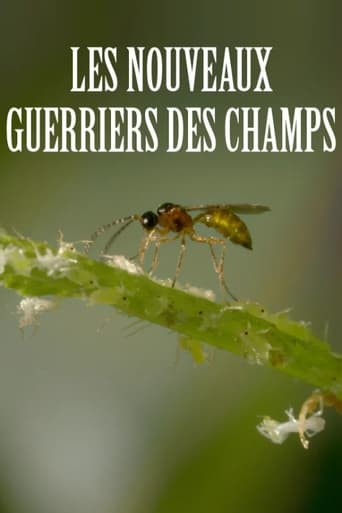
For years, chemical pesticides were considered an efficient method of killing off agricultural pests. However, in the long term, they not only harm the supposed attackers, but also people and the environment. Biological pest control offers an alternative, because who could fight pests more efficiently than their own natural enemies?

Spoonie, the spoon-billed sandpiper, would have long since gone extinct without Dr. Christoph Zöckler and a tight-knit group of international ornithologists. As if that weren’t bad enough, the migration route of this sparrow-sized wading bird—with its peculiar spoon-shaped bill—runs from Russia through North Korea and China all the way to Myanmar, passing through several of the world’s crisis regions of the past decade. The work of the task force is therefore also a political challenge. It requires diplomatic sensitivity in coordinating with the countries along the flyway. In the tragicomic story of Spoonie’s fate, the struggle for threatened biodiversity in an increasingly fragile world is reflected.