Virago: Changing The World One Page at a Time
2016-10-31 · 60 min · Not rated
Despite the 1960s free-love and alternative culture, many women found that their lives and expectations had barely altered. But by the 1970s, the Women's Liberation Movement was causing seismic shifts in the march of the world's events, and women's creativity and political consciousness was soon to transform everything - including the face of publishing and literature. In 1973 a group of women got together and formed Virago Press; an imprint, they said, for 52 per cent of the population. These women were determined to make change - and they would start by giving women a voice, by giving them back their history and reclaiming women's literature.
Trailers are previews, not full movies.
No authorized playback source configured. Use the legal watch options below.
Production details
- Directors
- Claire Whalley
- Production companies
- What Larks! Productions, BBC
- Countries
- United Kingdom
- Status
- Released
Top Cast
 Sarah WatersSelf
 Jon SnowSelf
 Jo BrandSelf - Narrator (voice)
Title information and images are supplied by TMDb. Explore our discovery guide for advice on comparing metadata and legal viewing options.
Where to watch
Availability provided by JustWatch via TMDb. Offers can change. Provider links are listed on TMDb; full playback requires a separately authorized source.
Availability not listed for this country.
Seasons & episodes
Recommendations
A documentary that resurrects the buried history of the outrageous, often brilliant women who founded the modern women's movement from 1966 to 1971.
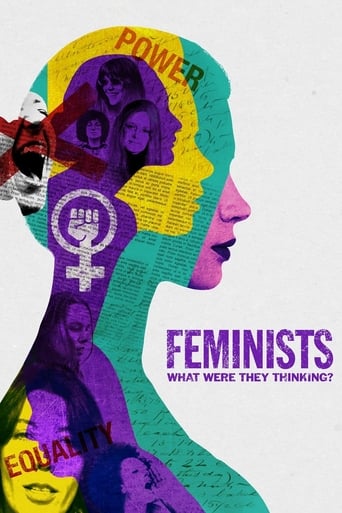
In 1977, a book of photographs captured an awakening - women shedding the cultural restrictions of their childhoods and embracing their full humanity. This documentary revisits those photos, those women and those times and takes aim at our culture today that alarmingly shows the need for continued change.

In an intimate and joyful story of love in the face of loss, celebrated poets Andrea Gibson and Megan Falley find strength—and unexpected hilarity—in what might be their final year together.

Through deeply personal interviews with her siblings and an examination of the photographs, letters, and belongings left behind, Mariska assembles a new portrait of her mother Jayne Mansfield, an extraordinary and complex woman.
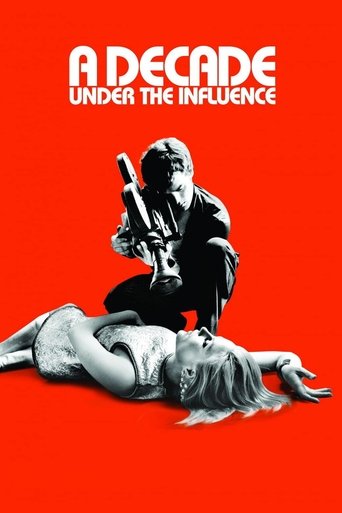
A documentary examining the decade of the 1970s as a turning point in American cinema. Some of today's best filmmakers interview the influential directors of that time.

Musician and performance artist Laurie Anderson reflects on the deaths of her husband Lou Reed, her mother and her beloved dog.
A documentary chronicling Vogue editor-in-chief Anna Wintour's preparations for the 2007 fall-fashion issue.
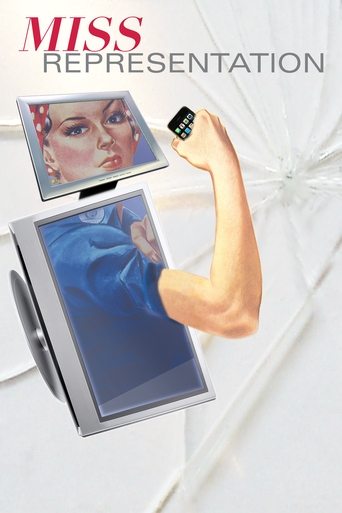
The film MISS REPRESENTATION exposes how American youth are being sold the concept that women and girls’ value lies in their youth, beauty and sexuality. Explores the under-representation of women in positions of power and influence in America, and challenges the media's limited portrayal of what it means to be a powerful woman. It’s time to break that cycle of mistruths.
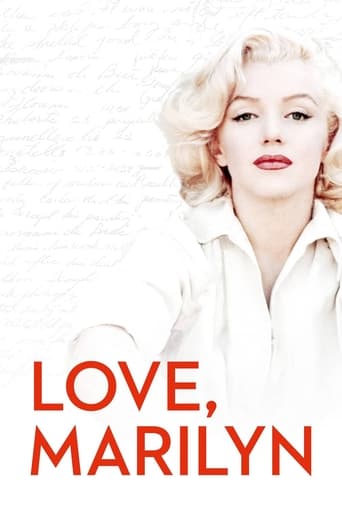
Using the book 'Fragments', which collects Marilyn Monroe's poems, notes and letters, and with participation from the Arthur Miller and Truman Capote estates who have contributed more material, each of the actresses will embody the legend at various stages in her life.

In the Realms of the Unreal is a documentary about the reclusive Chicago-based artist Henry Darger. Henry Darger was so reclusive that when he died his neighbors were surprised to find a 15,145-page manuscript along with hundreds of paintings depicting The Story of the Vivian Girls, in What is Known as the Realms of the Unreal, of the Glodeco-Angelinnian War Storm, Cased by the Child Slave Rebellion.
A road trip across five countries to explore the social and political movements as well as the mainstream media's misperception of South America while interviewing seven of its elected presidents.

A documentary that explores the downloading revolution; the kids that created it, the bands and the businesses that were affected by it, and its impact on the world at large.

Documentary filmmaker Amy Berg investigates the life of 30-year pedophile Father Oliver O'Grady and exposes the corruption inside the Catholic Church that allowed him to abuse countless children. Victims' stories and a disturbing interview with O'Grady offer a view into the troubled mind of the spiritual leader who moved from parish to parish gaining trust ... all the while betraying so many.

Girl next door, activist, so-called traitor, fitness tycoon, Oscar winner: Jane Fonda has lived a life of controversy, tragedy and transformation – and she's done it all in the public eye. An intimate look at one woman's singular journey.
The Making-of James Cameron's Avatar. It shows interesting parts of the work on the set.
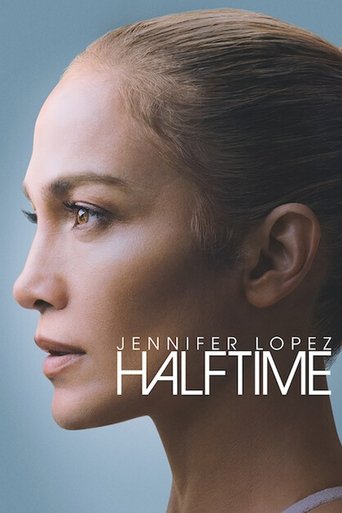
Global superstar Jennifer Lopez reflects on her multifaceted career and the pressure of life in the spotlight in this intimate documentary.
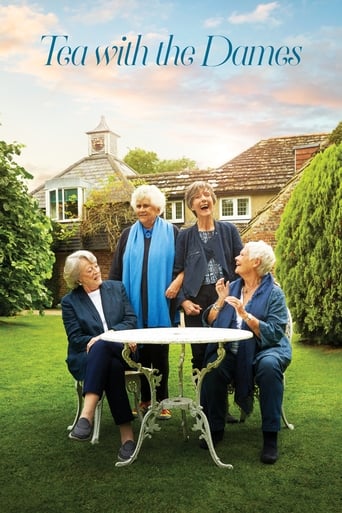
BBC Arena's documentary on the Dames of British Theatre and film featuring Maggie Smith, Eileen Atkins, Judi Dench and Joan Plowright on screen together for the first time as they reminisce over a long summer weekend in a house Joan once shared with Sir Laurence Olivier.

When Allied forces liberated the Nazi concentration camps in 1944-45, their terrible discoveries were recorded by army and newsreel cameramen, revealing for the first time the full horror of what had happened. Making use of British, Soviet and American footage, the Ministry of Information’s Sidney Bernstein (later founder of Granada Television) aimed to create a documentary that would provide lasting, undeniable evidence of the Nazis’ unspeakable crimes. He commissioned a wealth of British talent, including editor Stewart McAllister, writer and future cabinet minister Richard Crossman – and, as treatment advisor, his friend Alfred Hitchcock. Yet, despite initial support from the British and US Governments, the film was shelved, and only now, 70 years on, has it been restored and completed by Imperial War Museums under its original title "German Concentration Camps Factual Survey".

Documentary that delves deep into the history of abortion law, revealing the contradictory ways in which women's bodies have been used to further political and ideological agendas.
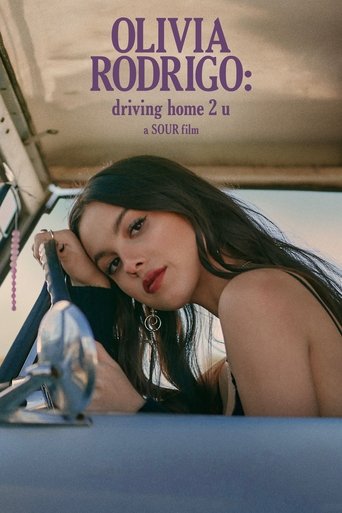
Grammy® winner singer-songwriter Olivia Rodrigo takes a familiar road trip from Salt Lake City, where she began writing her debut album “SOUR,” to Los Angeles. Along the way, Rodrigo recounts the memories of writing and creating her record-breaking debut album and shares her feelings as a young woman navigating a specific time in her life. Through new live arrangements of her songs, intimate interviews and never-before-seen footage from the making of the album, audiences will follow Olivia along on a cinematic journey exploring the story of “SOUR.”
Similar titles
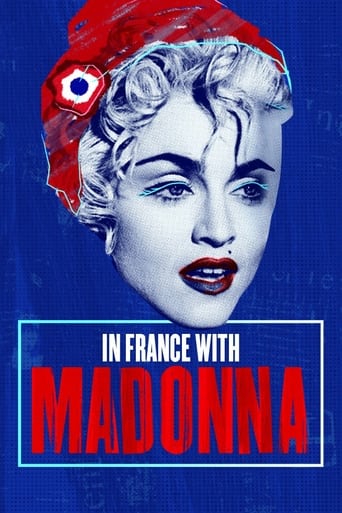
France is at the heart of Madonna's life. She is inspired by French culture and its values and has surrounded herself with French artists for many years. To celebrate the 40th anniversary of the Queen of Pop's career, this film revisits the close and unique bond between Madonna and France and features testimonials from close collaborators and French friends who have helped create her unique artistic universe: Maripol, Jean Paul Gaultier, Julien d'Ys, Nicolas Huchard, and Marion Motin. Today's artists such as Florence Foresti, Leïla Slimani, Victor Weinsanto and HollySiz talk about the influence of this emancipating figure, which extends far beyond music.
The short film is based on an investigation by Dino Buzzati. It tells the story of Melinda, a mountain girl turned into a witch by her environment and circumstances. In September 1965, Buzzati travelled to Abruzzo (near Teramo, at the foot of the Gran Sasso) on behalf of the newspaper Corriere della Sera, seeking stories for his investigative series titled "I misteri d'Italia" (The Mysteries of Italy). There, he gathered the story of Melinda, a real-life woman (who died in 1962 at the age of 93) regarded by the local community as the last true Abruzzese witch. Buzzati described Melinda not as an evil being, but as a woman victimized by fate and superstition. While Buzzati was fascinated by the magical and mysterious aspects of her tale, Lù Leone reinterpreted the same story in 1976 through a political and feminist lens.
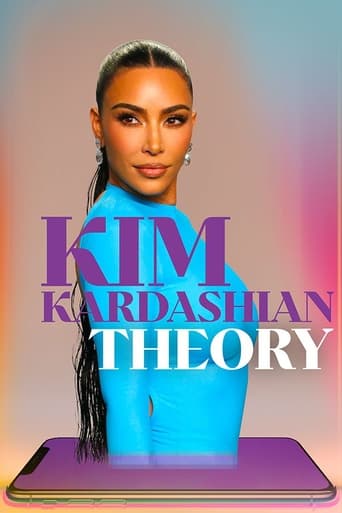
Kim Kardashian is the embodiment of our times. She's a total social figure. To analyze her is to talk about ourselves, our relationship with social networks, capitalism and aesthetic standards. Through the eyes of journalists Nesrine Slaoui and Guillaume Erner, this film proposes a theory in the zeitgeist, crossed by questions of race and gender. Journalist and sociologist Guillaume Erner wonders why Kim Kardashian is the most followed woman in the world on social networks "when she does nothing". With the help of journalist and director Nesrine Slaoui, he paints a portrait of this "total social character", who is famous because of... her fame. Fashion icon, star of a never-ending reality TV family saga, savvy businesswoman, future lawyer and activist outraged by the state of American prisons, the beautiful Kim, who is said to be tempted by a political destiny, is in fact not idle at all...
The funeral procession of suffragette Emily Davison - fatally injured at the Epsom Derby - passes through London to her final resting place in Morpeth.
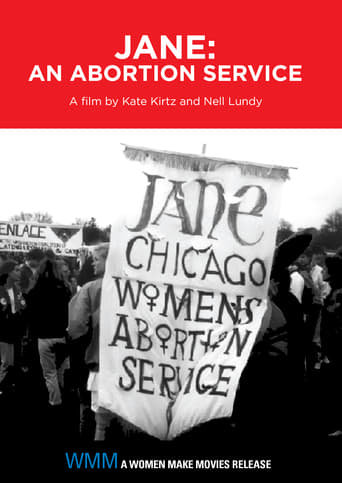
This fascinating political look at a little-known chapter in women's history tells the story of "Jane", the Chicago-based women's health group who performed nearly 12,000 safe illegal abortions between 1969 and 1973 with no formal medical training. As Jane members describe finding feminism and clients describe finding Jane, archival footage and recreations mingle to depict how the repression of the early sixties and social movements of the late sixties influenced this unique group. Both vital knowledge and meditation on the process of empowerment, Jane: An Abortion Service showcases the importance of preserving women's knowledge in the face of revisionist history. JANE: AN ABORTION SERVICE was funded by the Independent Television Service (ITVS) with funds provided by the Corporation for Public Broadcasting.
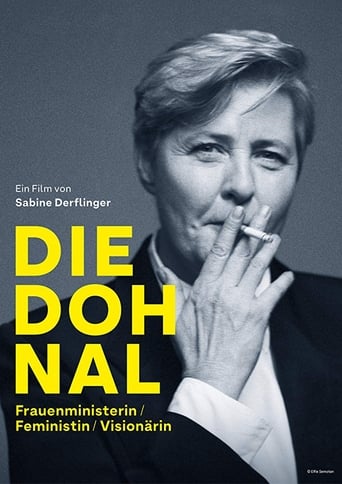
Johanna Dohnal, whose political career spans three decades, was one of the very first explicitly feminist politicians in Europe. As a member of the Austrian socialist government and the first Austrian minister for Women’s Affairs from 1990 to 1994, Dohnal was responsible for founding Austria’s first women’s refuge as well as criminalizing of marital rape. Yet her legacy remains yet to be discovered and re-examined. DIE DOHNAL makes a first step, and it makes Dohnal come alive.
A documentary that resurrects the buried history of the outrageous, often brilliant women who founded the modern women's movement from 1966 to 1971.

This documentary goes back to the turn of the century to show how women shaped the nation’s history.
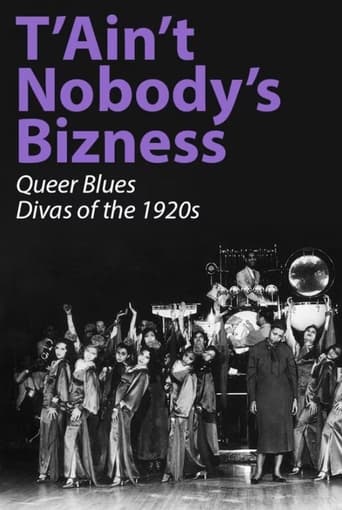
The 1920s saw a revolution in technology, the advent of the recording industry, that created the first class of African-American women to sing their way to fame and fortune. Blues divas such as Bessie Smith, Ma Rainey, and Alberta Hunter created and promoted a working-class vision of blues life that provided an alternative to the Victorian gentility of middle-class manners. In their lives and music, blues women presented themselves as strong, independent women who lived hard lives and were unapologetic about their unconventional choices in clothes, recreational activities, and bed partners. Blues singers disseminated a Black feminism that celebrated emotional resilience and sexual pleasure, no matter the source.
A docu-drama shot in 1970, but not completed until 1973, the film sought to encapsulate in an experimental form issues that were under discussion within the Women’s Liberation Movement at this time and to thus contribute to action for change. In its numerous community screenings, active debate was encouraged as part of the viewing experience.
Documentary about the role of women in rural northern Swedish society.
A portrait of the leading female Bolshevik (and later Worker’s Opposition) revolutionary leader Alexandra Kollontai using her own words.
"Nobody told us that they would kill us, but neither did they tell them they would not silence us". Women journalists from several parts of Mexico who cover the beat of hard news, reveal the challenges they face when doing their work with various actors: their sources, law enforcement officers, drug trafficking and the state. Mexico is one of the most dangerous countries in which to practice journalism. Several reporters have been assassinated since 2000. Within this context, female journalists face a double challenge: firstly, to work in a country with a high level of anti-press, violence, and, secondly, the state and situation of their gender in a country riddled with femicide.
Against the stereotypes of the “ideal” woman and the symbols of Pornography, the women in the works of Greek comic artist Stavros Kioutsioukis preserve their personality: they are the girls next door who try and get their rights in Happiness and Love.
After a woman’s silent rage erupts into a fight post-coitus, a women’s group analyzes her refusal to stay passive. Another scene shows a woman’s despair when her lover misses their meeting, prompting the group to reject passive waiting. Together, they combat issues like rape, prostitution, and abortion rights (§218) to reclaim self-determination.
The film traces the life and times of Esther Eng, a San Francisco native known as Hong Kong’s first “directress.” She directed 10 Cantonese talkies.
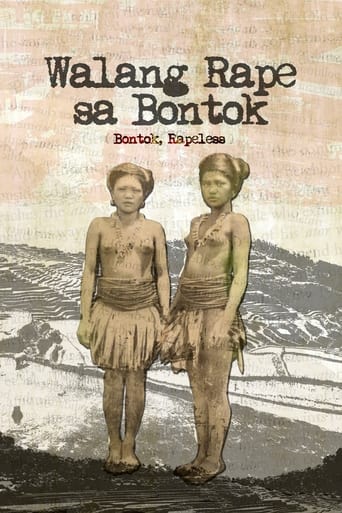
Two Filipina victims of sexual abuse search the truth behind the finding of a renowned anthropologist: that merely a few generations ago, the Bontok Igorot lived in what seems an unthinkable utopia—a rape-less society.
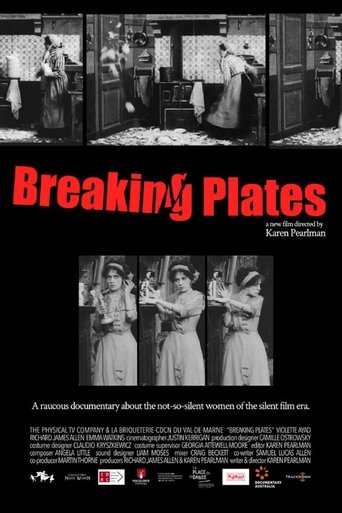
A unique hybrid of documentary, silent film, drama and dance, 'Breaking Plates' puts revolutionary women of the past on the screen with present day filmmakers. Contemporary women talk to characters from 100 years ago, reanimate their antics and emulate their mayhem moves. As early 21st century performers step into the clothes of their early 20th century counterparts, battling their haywire machines, exploding gags, and eruptive bodies, they learn to wield humour as a weapon against the structures that contain them today.
A documentary by Giulia Vallicelli about the lady fest that took place in Rome in 2009. This documentary showcases the reality of queer and intersectional feminism in Italy through punk and feminist music.
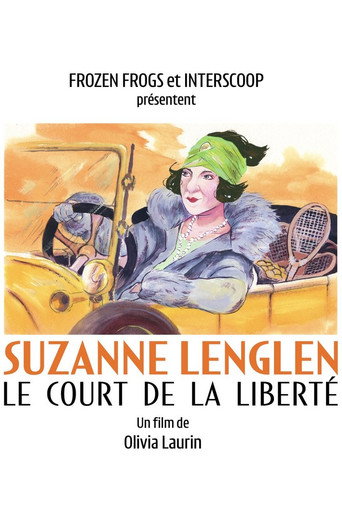
Having won 250 tournaments, including 83 without losing a single game, 3 Olympic medals, 6 Wimbledon titles and only suffered 7 defeats, Suzanne Lenglen (1899-1938) left an indelible mark on world tennis. Away from the court, the French tennis player was also a feminist icon and talented writer.