

Generation Sputnik
2016-12-01 · 52 min · ★ 6.5
From 1957 —the year in which the Soviets put the Sputnik 1 satellite into orbit— to 1969 —when American astronaut Neil Armstrong walked on the surface of the moon—, the beginnings of the space conquest were depicted in popular culture: cinema, television, comics and literature of the time contain numerous references to an imagined future.
Trailers are previews, not full movies.
No authorized playback source configured. Use the legal watch options below.
Production details
- Directors
- André Schäfer, Jonas Niewianda
- Production companies
- ARTE GEIE, Florianfilm
- Countries
- Germany
- Status
- Released
Top Cast
 Andreas EschbachSelf - Writer
 Pierre ChristinSelf - Comic Writer
 Wolfgang VölzSelf - Actor
 Buzz AldrinSelf - Astronaut (archive footage)
 Neil ArmstrongSelf - Astronaut (archive footage)
Title information and images are supplied by TMDb. Explore our discovery guide for advice on comparing metadata and legal viewing options.
Where to watch
Availability provided by JustWatch via TMDb. Offers can change. Provider links are listed on TMDb; full playback requires a separately authorized source.
Availability not listed for this country.
Seasons & episodes
Recommendations
Canadian acting legend William Shatner takes viewers inside the creation of Star Trek: The Next Generation, the bold attempt in 1986 to recreate the success of the original television series, in which Shatner played Captain James T. Kirk.
A look behind the lens of Christopher Nolan's space epic.
For the 20th anniversary of "Titanic," James Cameron reopens the file on the disaster.
National Geographic's riveting effort recounts all 12 crewed missions using only archival footage, photos and audio.
Archival material from the original NASA film footage – much of it seen for the first time – plus interviews with the surviving astronauts, including Jim Lovell, Dave Scott, John Young, Gene Cernan, Mike Collins, Buzz Aldrin, Alan Bean, Edgar Mitchell, Charlie Duke and Harrison Schmitt.
The inside story of SpaceX's plan to get humanity to Mars, providing an unprecedented glimpse into one of the world's most revolutionary companies. A behind-the-scenes journey with Elon Musk and his engineers as they persevere amidst both disheartening setbacks and huge triumphs to advance the space industry faster than we ever thought possible.
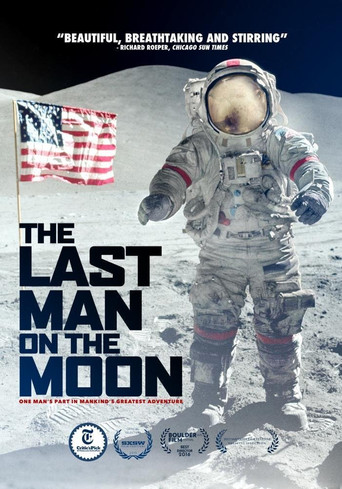
The 1960s was an extraordinary time for the United States. Unburdened by post-war reparations, Americans were preoccupied with other developments like NASA, the game-changing space programme that put Neil Armstrong on the moon. Yet it was astronauts like Eugene Cernan who paved the uneven, perilous path to lunar exploration. A test pilot who lived to court danger, he was recruited along with 14 other men in a secretive process that saw them become the closest of friends and adversaries. In this intensely competitive environment, Cernan was one of only three men who was sent twice to the moon, with his second trip also being NASA’s final lunar mission. As he looks back at what he loved and lost during the eight years in Houston, an incomparably eventful life emerges into view. Director Mark Craig crafts a quietly epic biography that combines the rare insight of the surviving former astronauts with archival footage and otherworldly moonscapes.
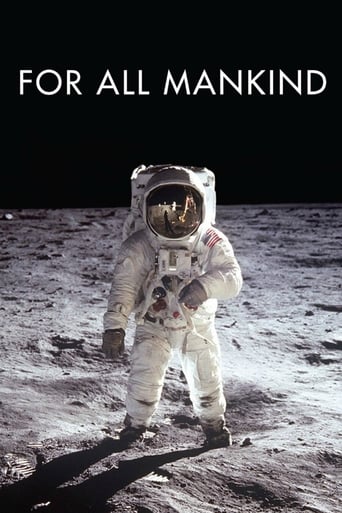
A testament to NASA's Apollo program of the 1960s and '70s. Composed of actual NASA footage of the missions and astronaut interviews, the documentary offers the viewpoint of the individuals who braved the remarkable journey to the moon and back.

On September 15, 1963, a bomb destroyed a black church in Birmingham, Alabama, killing four young girls who were there for Sunday school. It was a crime that shocked the nation--and a defining moment in the history of the civil-rights movement. Spike Lee re-examines the full story of the bombing, including a revealing interview with former Alabama Governor George Wallace.
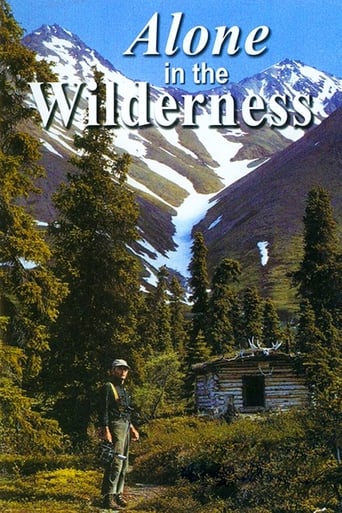
Dick Proenneke retired at age 50 in 1967 and decided to build his own cabin in the wilderness at the base of the Aleutian Peninsula, in what is now Lake Clark National Park. Using color footage he shot himself, Proenneke traces how he came to this remote area, selected a homestead site and built his log cabin completely by himself. The documentary covers his first year in-country, showing his day-to-day activities and the passing of the seasons as he sought to scratch out a living alone in the wilderness.
Using original footage and interviews, this documentary tells the nail-biting story of Apollo 13 and the struggle to bring its astronauts safely home.
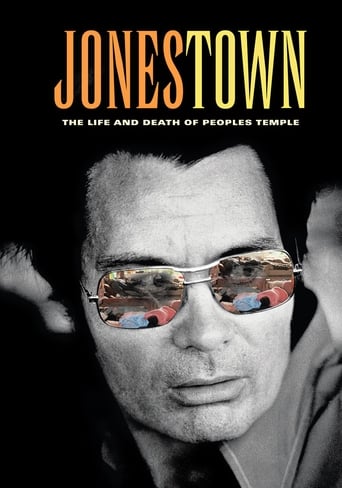
Featuring never-before-seen footage, this documentary delivers a startling new look at the Peoples Temple, headed by preacher Jim Jones who, in 1978, led more than 900 members to Guyana, where he orchestrated a mass suicide via tainted punch.

The history of cinematic sound, told by legendary sound designers and visionary filmmakers.
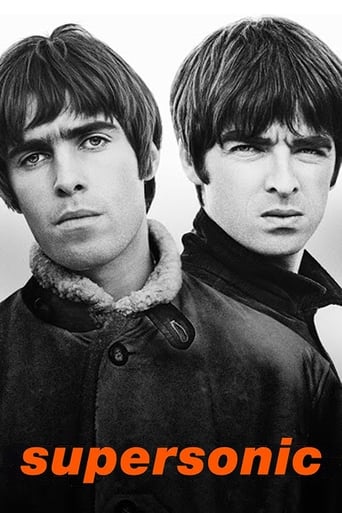
Supersonic charts the meteoric rise of Oasis from the council estates of Manchester to some of the biggest concerts of all time in just three short years. This palpable, raw and moving film shines a light on one of the most genre and generation-defining British bands that has ever existed and features candid new interviews with Noel and Liam Gallagher, their mother, and members of the band and road crew.
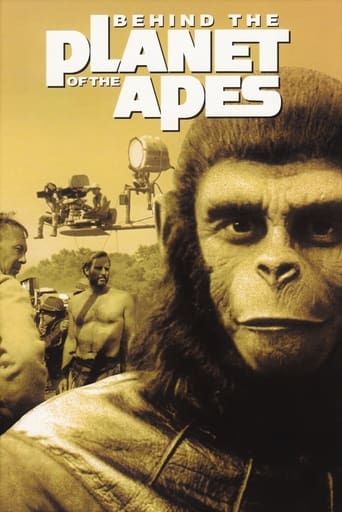
Roddy McDowall takes you, film by film, from production meetings to make-up sessions, then right onto the movie set to see the actual filming of the science fiction masterpiece. The most comprehensive history of Planet of the Apes ever created, this fascinating 127-minute documentary explores one of the most imaginative and influential series in movie history.
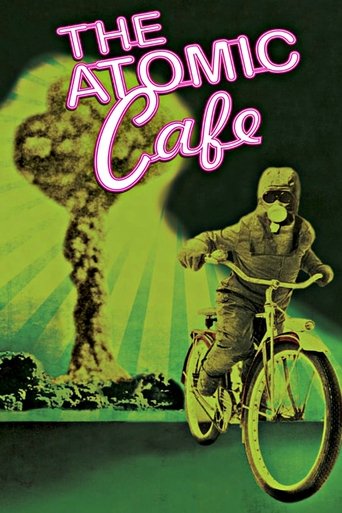
A disturbing collection of 1940s and 1950s United States government-issued propaganda films designed to reassure Americans that the atomic bomb was not a threat to their safety.
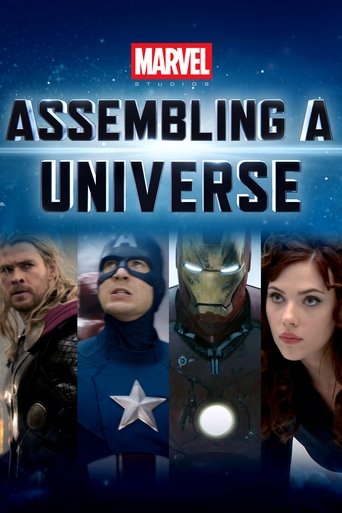
A look at the story behind Marvel Studios and the Marvel Cinematic Universe, featuring interviews and behind-the-scenes footage from all of the Marvel films, the Marvel One-Shots and "Marvel's Agents of S.H.I.E.L.D."!

An unprecedented and intimate look at the life, work and enduring legacy of British actress Audrey Hepburn (1929-1993).

In the last five years of his life, David Bowie ended nearly a decade of silence to engage in an extraordinary burst of activity, producing two groundbreaking albums and a musical. David Bowie: The Last Five Years explores this unexpected end to a remarkable career. Made with remarkable access, Francis Whately’s documentary is a revelatory follow-up to his acclaimed 2013 documentary David Bowie: Five Years, which chronicled Bowie’s golden ‘70s and early-‘80s period.
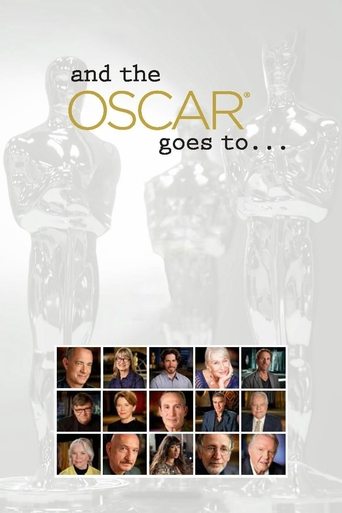
The story of the gold-plated statuette that became the film industry's most coveted prize, AND THE OSCAR GOES TO... traces the history of the Academy itself, which began in 1927 when Louis B. Mayer, then head of MGM, led other prominent members of the industry in forming this professional honorary organization. Two years later the Academy began bestowing awards, which were nicknamed "Oscar," and quickly came to represent the pinnacle of cinematic achievement.
Similar titles

Spain, 1968. An analysis of the political and social situation of the country, suffocated by the boot of General Franco's tyrannical regime. (Filmed clandestinely in Madrid and Barcelona during the spring of 1968.)

A raw and emotionally revealing look at one of the most iconic artists of our time during a transformational period in her life as she learns to embrace her role not only as a songwriter and performer, but as a woman harnessing the full power of her voice.

West Coast radio and TV personality Shadoe Stevens created and stars in this surrealistic, sci-fi satire highlighted by animation, hyperspeed editing and special effects. TV stations throughout the world become jammed and the image of mild-mannered accountant Norm Jones suddenly appears on every screen. Shortly thereafter, the bewildered man is thrust into an alternate dimension and falls into the Shadoevision Worldview Auditorium where he finds himself strapped into a chair before a live audience. Held captive, Norm is at the mercy of the enigmatic, charismatic master of ceremonies, Djony Dakota. This bizarre host constantly subjects the assembled throng to an "evolutionary I.Q." test, a dazzling montage of visuals.

Helvetica is a feature-length independent film about typography, graphic design and global visual culture. It looks at the proliferation of one typeface (which will celebrate its 50th birthday in 2007) as part of a larger conversation about the way type affects our lives. The film is an exploration of urban spaces in major cities and the type that inhabits them, and a fluid discussion with renowned designers about their work, the creative process, and the choices and aesthetics behind their use of type.

1967 Navy training film MN-10507-A. Navy physician talks about the dangers of LSD or "Russian roulette in a sugar cube." National Archives Identifier: 6379 "How LSD was discovered, the extreme dangers of using it and how it affects the brain and body."
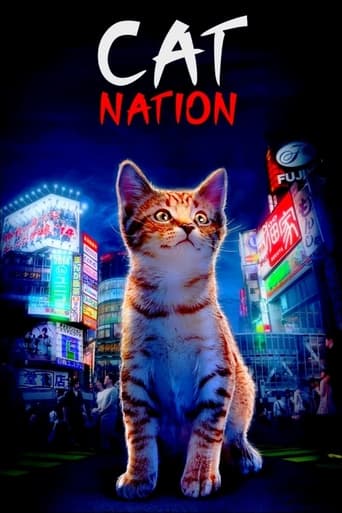
A journey into the unique, often bizarre, world of Japanese cat culture. Cat themed cafes, bars, temples, cat islands, cats with human jobs, cat friendly businesses, and the origins of the iconic beckoning cat statue.

Tucumán, Argentina, 1965. Three years before George A. Romero's Night of the Living Dead was released, director Ofelio Linares Montt shot Zombies in the Sugar Cane Field, which turned out to be both a horror film and a political statement. It was a success in the US, but could not be shown in Argentina due to Juan Carlos Onganía's dictatorship, and was eventually lost. Writer and researcher Luciano Saracino embarks on the search for the origins of this cursed work.
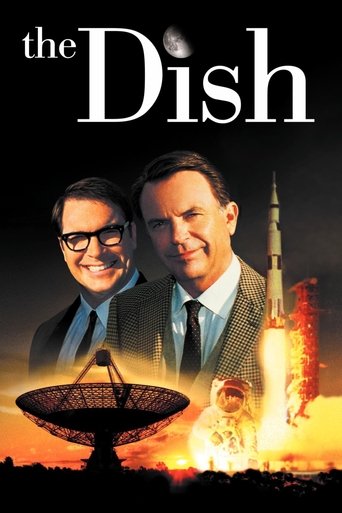
A group of maverick scientists on a remote Australian sheep farm are the globe's only hope for obtaining the epic images of man's first steps on the moon.
Told through the voice of former KGB agent Viktor Petrovich, whose life becomes inextricably linked with Ronald Reagan's when Reagan first caught the Soviets’ attention as an actor in Hollywood, Reagan overcomes the odds to become the 40th president of the United States.

13 August 1961: the GDR closes the sector borders in Berlin. The city is divided overnight. Escape to the West becomes more dangerous every day. But on September 14, 1962, exactly one year, one month and one day after the Wall was built, a group of 29 people from the GDR managed to escape spectacularly through a 135-meter tunnel to the West. For more than 4 months, students from West Berlin, including 2 Italians, dug this tunnel. When the tunnel builders ran out of money after only a few meters of digging, they came up with the idea of marketing the escape tunnel. They sell the film rights to the story exclusively to NBC, an American television station.
Three young Irish women struggle to maintain their spirits while they endure dehumanizing abuse as inmates of a Magdalene Sisters Asylum.
When Russia's first nuclear submarine malfunctions on its maiden voyage, the crew must race to save the ship and prevent a nuclear disaster.
In the late 1960s, the Beach Boys' Brian Wilson stops touring, produces "Pet Sounds" and begins to lose his grip on reality. By the 1980s, under the sway of a controlling therapist, he finds a savior in Melinda Ledbetter.

An eye-opening look at the 'costume play' subculture known as cosplay. "My Other Me" chronicles a year in the life of three different cosplayers, following the subjects as they travel the convention circuit, balancing their home lives with their cosplay alter egos, revealing the profound effects the subculture has played in their lives.
A roller-coaster ride through the history of American exploitation films, ranging from Roger Corman's sci-fi and horror monster movies, 1960s beach movies, H.G. Lewis' gore-fests, William Castle's schlocky theatrical gimmicks, to 1970s blaxploitation, pre-"Deep Throat" sex tease films, Russ Meyer's bosom-heavy masterpieces, etc, etc. Over 25 interviews of the greatest purveyors of weird films of all kind from 1940 to 1975. Illustrated with dozens of films clips, trailers, extra footage, etc. This documentary as a shorter companion piece focusing on exploitation king David F. Friedman.
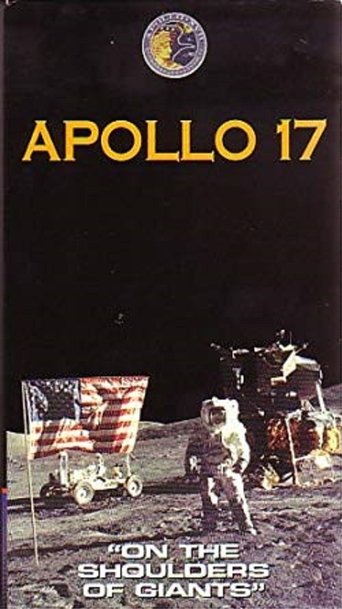
A documentary about the Apollo 17 mission to the Taurus-Littrow on the moon, the final lunar landing mission in the Apollo program, December 1972. Produced by A-V Corporation for NASA. The film was distributed both as an ephemeral film (shown to an audience via a 16mm film projector), and was also shown on TV (and was shown on both public and commercial stations per a search of vintage newspapers).

1962. A crystalline voice becomes a planetary tube. A Belgian nun jostles Elvis and the Beatles on the world charts. Her name: Sister Smile. A popstar with the trajectory of a comet who understands her success no more than the double meaning of her words… The harder the fall will be. Even God does not protect sharks' appetites or pretenses of success! Who killed the little voice of God? Here is the tragic story of an innocent voice, of an extraordinary fate, almost of a curse ...

The story of the Cuban Missile Crisis in 1962—the nuclear standoff with the USSR sparked by the discovery by the Americans of missile bases established on the Soviet-allied island of Cuba.