Hütes-Film
1978-03-17 · 34 min · ★ 9.0
Documentary about the sisters Lene and Berta who live in a village in Thuringia.
Trailers are previews, not full movies.
No authorized playback source configured. Use the legal watch options below.
Production details
- Directors
- Volker Koepp
- Production companies
- DEFA-Studio für Dokumentarfilme
- Countries
- East Germany, Germany
- Status
- Released
Top Cast
Cast unavailable.
Title information and images are supplied by TMDb. Explore our discovery guide for advice on comparing metadata and legal viewing options.
Where to watch
Availability provided by JustWatch via TMDb. Offers can change. Provider links are listed on TMDb; full playback requires a separately authorized source.
Availability not listed for this country.
Seasons & episodes
Recommendations

In an intimate and joyful story of love in the face of loss, celebrated poets Andrea Gibson and Megan Falley find strength—and unexpected hilarity—in what might be their final year together.

A visual montage portrait of our contemporary world dominated by globalized technology and violence.
Go behind the scenes with stars, puppeteers and creators as they bring Jim Henson's magical world of Thra back to life in a sweeping fantasy series.

A documentary on the expletive's origin, why it offends some people so deeply, and what can be gained from its use.

Just two years away from turning 30, participants in Michael Apted's documentary series are facing serious questions of identity and purpose, wondering whether they've found their place in the world.

A compilation of over 30 years of private home movie footage shot by Lithuanian-American avant-garde director Jonas Mekas, assembled by Mekas "purely by chance", without concern for chronological order.

A documentary about how a dominant cultural and demographic institution both sustains their traditional activities and adapts to the digital revolution.

A string of threatening emails escalates into a revenge plot involving a newly married US marshal and his ex-girlfriend.

From the heights of her modeling fame to her tragic death, this documentary reveals Anna Nicole Smith through the eyes of the people closest to her.

An inside look at one of the most anticipated movie sequels ever with James Cameron and cast.
Alex Gibney explores the charged issue of pedophilia in the Catholic Church, following a trail from the first known protest against clerical sexual abuse in the United States and all way to the Vatican.

A documentary about the life and films of director John Ford.

A detailing of the rise to prominence and global sporting superstardom of six supremely talented young Manchester United football players (David Beckham, Nicky Butt, Ryan Giggs, Paul Scholes, Phil and Gary Neville). The film covers the period 1992-1999, culminating in Manchester United's European Cup triumph.
BBC Arena's documentary on the Dames of British Theatre and film featuring Maggie Smith, Eileen Atkins, Judi Dench and Joan Plowright on screen together for the first time as they reminisce over a long summer weekend in a house Joan once shared with Sir Laurence Olivier.

Director Michael Apted revisits the same group of British-born adults after a 7 year wait. The subjects are interviewed as to the changes that have occurred in their lives during the last seven years.

Ranjit, a farmer in India, takes on the fight of his life when he demands justice for his 13-year-old daughter, the victim of a brutal gang rape. His decision to support his daughter is virtually unheard of, and his journey unprecedented.

A documentary on the life of John Lennon, with a focus on the time in his life when he transformed from a musician into an antiwar activist.

Musician and performance artist Laurie Anderson reflects on the deaths of her husband Lou Reed, her mother and her beloved dog.

In the Realms of the Unreal is a documentary about the reclusive Chicago-based artist Henry Darger. Henry Darger was so reclusive that when he died his neighbors were surprised to find a 15,145-page manuscript along with hundreds of paintings depicting The Story of the Vivian Girls, in What is Known as the Realms of the Unreal, of the Glodeco-Angelinnian War Storm, Cased by the Child Slave Rebellion.

Through deeply personal interviews with her siblings and an examination of the photographs, letters, and belongings left behind, Mariska assembles a new portrait of her mother Jayne Mansfield, an extraordinary and complex woman.
Similar titles
Short film about life in the village and what this means for the inhabitants.
Portrait of a Russian village near Kaliningrad and its multiethnic inhabitants.
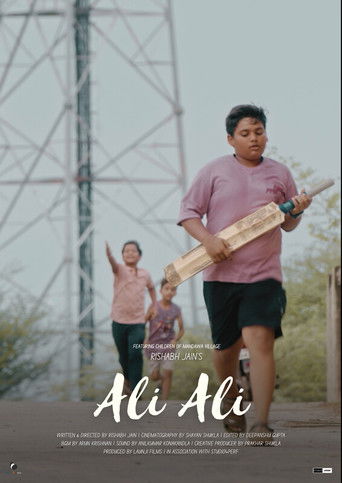
In a quiet Rajasthani village, young Ali clings to his cricket bat as his friends chase it. What starts as playful mischief reveals a film crew struggling to finish their shoot, blurring childhood and the fragile magic of cinema.

In the 1980s the breathtaking scenery of the Engadine is the setting of a social tragedy. The local youth rejects the rigid rules of traditional society. Along with juvenile get-togethers, heroin appears in the mountain valley. As more and more die from overdose, society reacts to the crisis by isolating itself and averting its eyes. The film lifts the veil on the stories untold. Can the memories of this bleak past become part of the Engadine’s acknowledged heritage?
A German Documentary about the “village of friendship” that was created by American Veteran George Mizo to help the Vietnamese kids suffering from the Vietnam War.
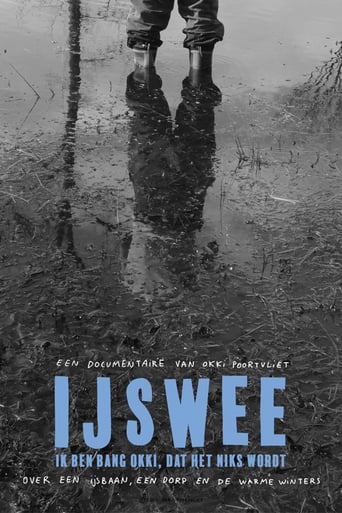
IJswee is a documentary film about an ice club, a village and the warm winters. In the film we follow Oringers, the inhabitants of Odoorn, through the winter. The Oringers all experience IJswee in their own way. You will also see the Icecounter (Rafael van der Ziel), who builds ice sculptures and drinks frozen milk. You see the Drenthe countryside changing with the weather. You see animations, archive material and you hear the mysterious sounds of IJswee in the music of Wietse de Haan. And there are two trumpet players, who welcome winter with their music and say goodbye to it.
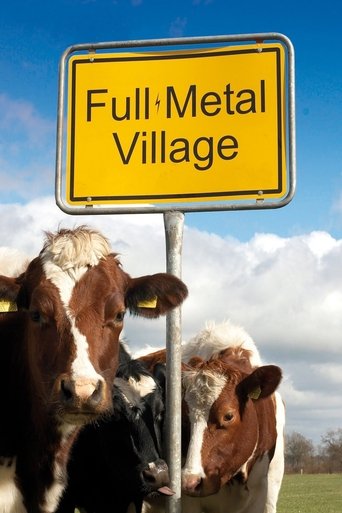
The film describes the microcosmos of the small village Wacken and shows the clash of the cultures, before and during the biggest heavy metal festival in Europe.
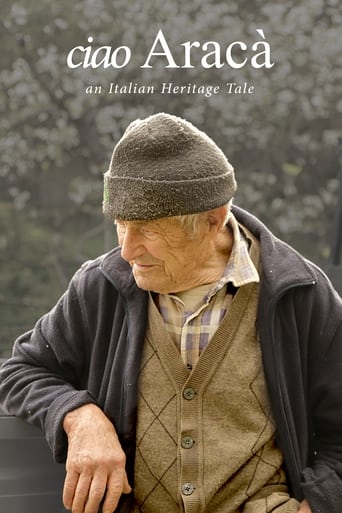
"...a charming depiction of life as I knew it with my grandparents in my own village..." Clara Caleo Green, Cinema Italia UK "The sum of the individual fates and life choices paints a picture, the validity of which extends far beyond this village." Joachim Manzin, Black Box This documentary records the thoughtful and emotional confrontation with time, change, loss and hope related by the members of a small community in the idyllic Ligurian countryside who are dealing with a rapidly changing agricultural industry, transformed by globalisation and technological advances and an increasing number of foreigners buying the empty houses in their village. Forgoing the use of music and voice over, the film lets Aracà's inhabitants tell their own stories and allows the audience to dive into the rich soundscape of the ligurian alpine countryside.
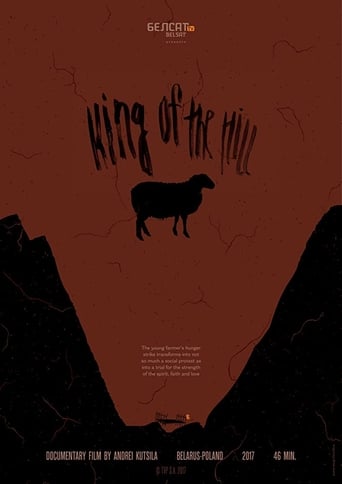
Belarusian vlogger and young farmer Semyon, who is a deeply religious man, always loving to philosophize in relation to democracy, admire his mother and share this with the whole world. For five years now, he has been living in a village with two little sons and raise sheep. It would seem that a harmonious existence in the wilderness can not hinder anything...

The follow-up film to “Barstow, California” takes us to the mountains of Miyama, a remote forest and tourist area north of Kyoto. Uwe Walter, a shakuhachi player from Germany, lives there with his wife Mitsuyo for 30 years. Together with the villagers he prepares the annual Gion Festival. On the eve of the festival, the village representatives tell him that his self-built studio is to be demolished. This brings back memories for him of earlier times and his first steps as a Nō actor. In the manner of a fresco, the film interweaves rural depictions of everyday life with the story of its German protagonist. In the village community with its togetherness of generations, Uwe shares life with his neighbours, with farmers, hunters, woodsmen, poultry farmers and anglers, tills his kitchen garden, and like other tradition-conscious villagers, he also grows his rice. The film shows them in a harsh mountain landscape between the rainy season and the first snow.
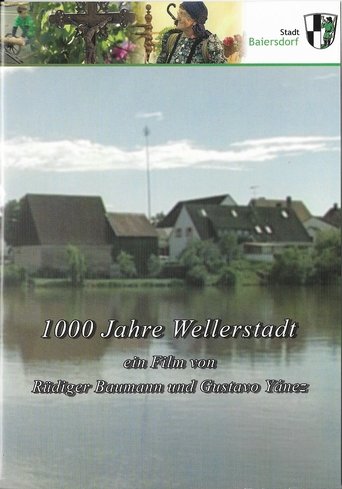
In a document from November 1st, 1007, Wellerstadt is mentioned for the first time verifiably. The royal couple Heinrich and Kunigunde make the plan to establish a diocese, with Bamberg at its centre. During the imperial synod in Frankfurt in 1007, the bishops approve the plan. Heinrich transfers his royal court Forchheim together with 14 villages, including Wellerstadt, to the diocese. As “Waldrichesbach”, Wellerstadt is not only presumably earlier mentioned in documents than Baiersdorf but is in fact older than Baiersdorf. A once presumably Thuringian settlement at the river Regnitz has by now become the district of the small Franconian town of Baiersdorf: Founded at a ford, destroyed during the Thirty Year’s War, rebuild, often flooded by the Regnitz, pushed back and forth between the diocese and the margraviate. Waldrichesbach has turned into Wellerstadt, an endearing small village in Middle Franconia.
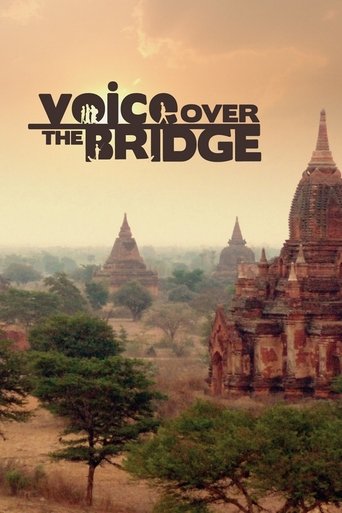
For the first time, traditional Burmese singers Khing Zin Shwe and Shwe Shwe Khaing are recording an album that introduces people around the world to the Maha Gita (Great Songs), which have been sung in South Asia for 700 years. They also introduce viewers to life in Myanmar, a Buddhist country of great beauty.
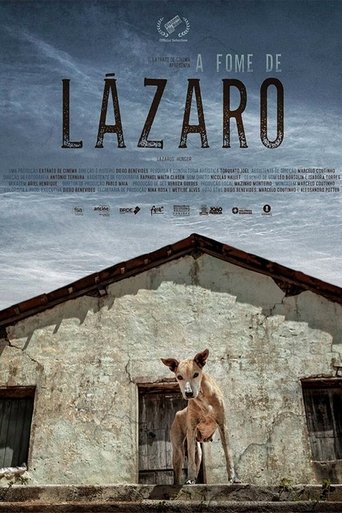
In the Brazilian countryside, the village of Monteiros hosts a unique event every year. When a person’s prayers are granted, they offer the village’s dogs a feast. Between religious celebration and popular belief, Lazarus’ Hunger powerfully documents a community coming together.
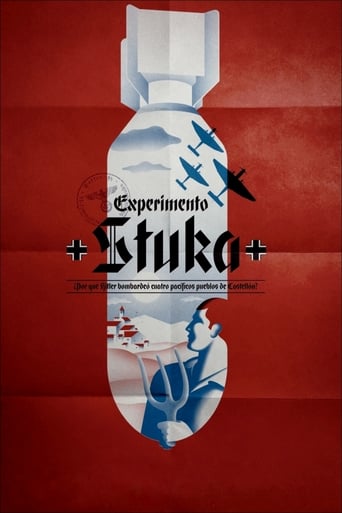
Spanish Civil War, May, 1938. Four villages in Castellón, Benassal, Albocàsser, Ares del Maestrat and Vilar de Canes, were bombed from the sky and ravaged. 38 people died. Inhabitants never knew for sure who piloted the planes responsible for such atrocity, although the rebel propaganda attributed the act to the republican side. Now, 80 years later, the truth is finally exposed.
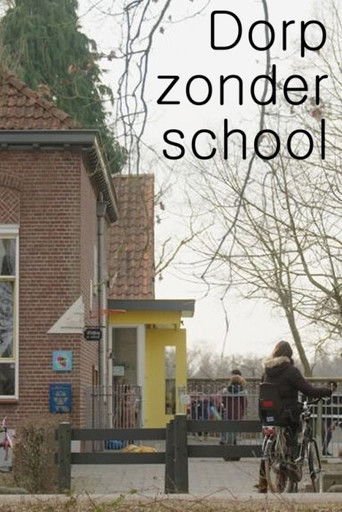
Griendtsveen, a picturesque village in the Peel on the border between Limburg and Brabant, is in danger of losing its primary school De Driehoek. The school, which has been the beating heart of the village for years, is about to close its doors. Documentary maker Ellis Smulders follows the teachers and parents who are determined to keep their school, if necessary by forming the school board themselves. Will they succeed in preserving the core of the close-knit village community, and thus the soul of the village?

In a valley in the Ukrainian Carpathian forest lies the small and forgotten town of Königsfeld. In 1775, the Habsburg Queen, Maria Theresa, sent a hundred foresters and their families here from the Austrian west of the kingdom. All that remains today of the now over two century-old timber industry are factory ruins, potholes in the valley road and an increasingly seldom heard German dialect. Only a few factories survived a flood that cut the village off from the rest of the world, and left it economically isolated. An atmosphere of farewell hangs heavy in the air.
Don Emilio is a humble, 63-year-old man who lives in the Amazon rainforest, seven miles from the city of Iquitos, Peru. For all of his adult life he has worked as a curandero and vegetalista, a traditional healer. He estimates that in his career he has treated more than 2,500 clients. Through the camera lens of anthropologist Luis Eduardo Luna, Don Emilio tells us about his practice, his beliefs, his community, and his life. He shows us how he prepares ayahuasca and other herbal medicines. Finally, we see Don Emilio treat a man who has come to him for help, and hear from a poor woman who has brought her infant son for medical care.
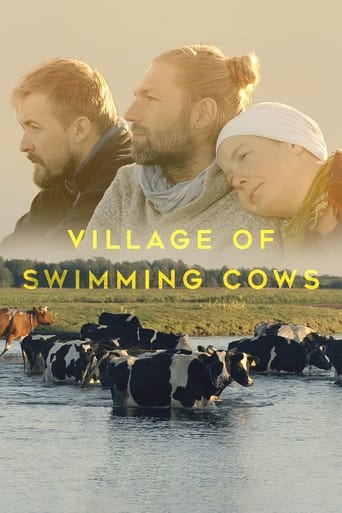
A docu-comedy about three neo-hippies from Berlin who move to a farm in Poland to be closer to nature. They meditate, practice acroyoga and shower in the garden. The villagers consider them complete eccentrics.

It's about a little village in Switzerland, and about one guy who lives there since 32 years and doesn't know anyone there...

Spain, 1961. Life in the small village of Torrelobatón, in the province of Valladolid, was turned upside down when the cinematic magic circus of a future Hollywood blockbuster, produced by Samuel Bronston, the rogue mogul of his own film empire, came to town: its inhabitants became participants and witnesses of the shooting of “El Cid,” a film directed by Anthony Mann, starring mythical actors Charlton Heston and Sophia Loren. Those days, legends came alive.