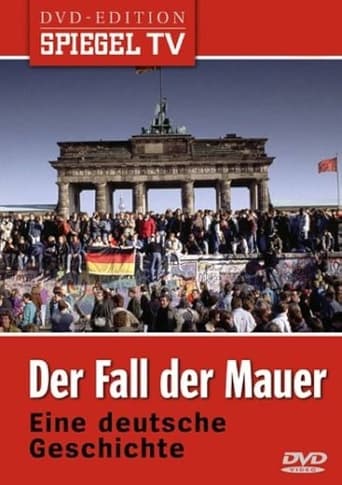
Der Fall der Mauer
2005-01-01 · Runtime unavailable · Not rated
Trailers are previews, not full movies.
No authorized playback source configured. Use the legal watch options below.
Production details
- Directors
- Unavailable
- Production companies
- Spiegel TV
- Countries
- Germany
- Status
- Released
Top Cast
Cast unavailable.
Title information and images are supplied by TMDb. Explore our discovery guide for advice on comparing metadata and legal viewing options.
Where to watch
Availability provided by JustWatch via TMDb. Offers can change. Provider links are listed on TMDb; full playback requires a separately authorized source.
Availability not listed for this country.
Seasons & episodes
Recommendations

A string of threatening emails escalates into a revenge plot involving a newly married US marshal and his ex-girlfriend.

An inside look at one of the most anticipated movie sequels ever with James Cameron and cast.

In an intimate and joyful story of love in the face of loss, celebrated poets Andrea Gibson and Megan Falley find strength—and unexpected hilarity—in what might be their final year together.

Through deeply personal interviews with her siblings and an examination of the photographs, letters, and belongings left behind, Mariska assembles a new portrait of her mother Jayne Mansfield, an extraordinary and complex woman.

Alex Gibney explores the charged issue of pedophilia in the Catholic Church, following a trail from the first known protest against clerical sexual abuse in the United States and all way to the Vatican.

Survivors, witnesses, and experts tell the story of the tragic fire that engulfed a residential tower block in London — and the investigation that ensued.

A purely observational non-fiction film that takes viewers into the ethically murky world of end-of-life decision making in a public hospital.

The life and career of one of comedy's most inimitable modern voices, Mr. Gilbert Gottfried.

After the high-profile killing of Damilola Taylor, Cornelius' family move out of London. But when they discover their new town is run by racists, Cornelius takes a drastic step to survive.

A compilation of over 30 years of private home movie footage shot by Lithuanian-American avant-garde director Jonas Mekas, assembled by Mekas "purely by chance", without concern for chronological order.

A global television broadcast of the event in which former Pink Floyd leader singer and composer Roger Waters led an all-star cast in a mammoth benefit performance of his acclaimed concept album, The Wall. Set in Berlin, Germany less than a year after the destruction of the hated Berlin Wall, Waters was accompanied by disparate talents such as Cyndi Lauper, James Galway, Joni Mitchell and Albert Finney in the classic dark musical tale of a rock star's descent into madness and back.
A documentary about the making of season five of the acclaimed AMC series Breaking Bad.

Al Pacino's deeply-felt rumination on Shakespeare's significance and relevance to the modern world through interviews and an in-depth analysis of "Richard III."
Legendary journalist Gay Talese unmasks a motel owner who spied on his guests for decades. But his bombshell story soon becomes a scandal of its own.
Go behind the scenes with stars, puppeteers and creators as they bring Jim Henson's magical world of Thra back to life in a sweeping fantasy series.
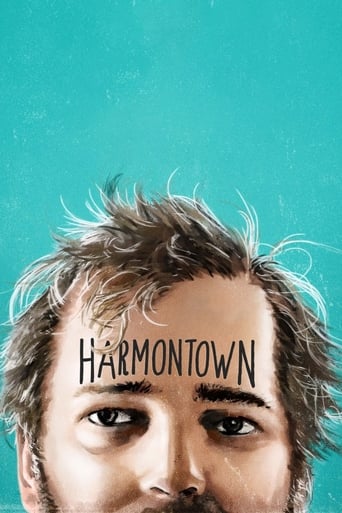
A comedic, brutally honest documentary following self-destructive TV writer Dan Harmon as he takes his live podcast on a national tour.

A backstage and on-stage look at Justin Bieber during his rise to super stardom.

A documentary about the life and films of director John Ford.

Featuring interviews with filmmakers and industry legends, discover the origins and evolution of The Joker, and learn why The Clown Prince of Crime is universally hailed as the greatest comic-book supervillain of all time.

Artists in LA discover the work of forgotten Polish sculptor Stanislav Szukalski, a mad genius whose true story unfolds chapter by astounding chapter.
Similar titles
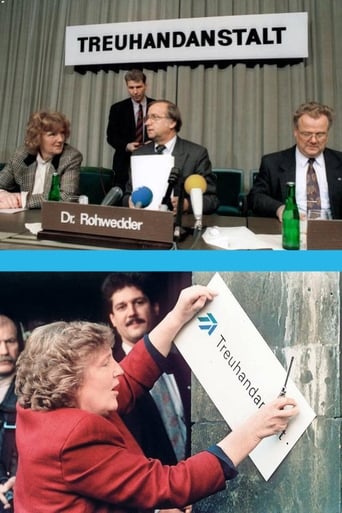
In the early summer of 1990, the Treuhandanstalt was founded to privatize the "state-owned" companies of the GDR. In the four years that followed, around 4,000 of these companies were closed and around two and a half million jobs were lost. Until its closure at the end of 1994, the Treuhandanstalt incured debts totaling 256 billion marks - the equivalent of around 150 million marks every day. The Treuhand also allowed itself to be cheated out of many billions of marks. This scandal was never fully investigated. Most of the perpetrators went unpunished or were not even charged.
Germany in the summer of 1961 - the "Iron Curtain" divides the country. Only in Berlin is the border still permeable. West Berlin is the open wound of the GDR. Until August 13, 1961, a summer Sunday that would divide the world into a before and an after. 2011 marks the 50th anniversary of the day on which the division of Berlin cemented the division of Germany and Europe for more than two and a half decades. The docu-drama "Geheimsache Mauer - Die Geschichte einer deutschen Grenze" by Christoph Weinert and Jürgen Ast tells the story of the Berlin Wall and the inner-German border from a new, unusual perspective: from the point of view of those who planned, built and guarded it. The film takes the viewer behind the scenes of the Wall builders: it reveals the "concreted" thinking and calculating calculations of the Wall strategists - and their secret plans to perfect the deadly border further and further.
The documentary tells the story of the reunification from the perspective of six teenagers from East Germany.

Berlin, summer 1988: While Michael Jackson and Pink Floyd perform in the West, East Berliners can look forward to Bruce Springsteen, Depeche Mode and James Brown. The documentary reveals how the organizers enforced the concerts with the state authorities. On the anniversary of the fall of the Wall.
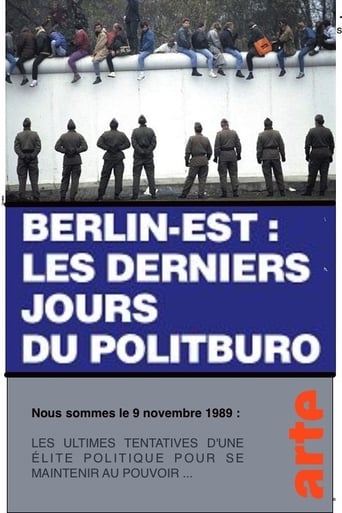
On October 18, 1989, the SED Central Committee confirms the dismissal of Erich Honecker. The documentary tells the story of the last months of the Politburo, of the demise of the GDR's most important organ of power, from spring 1989 to early 1990.
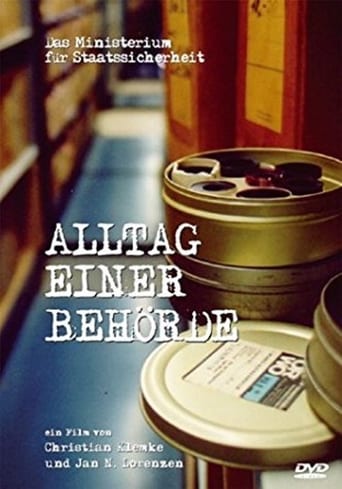
Former heads, senior officers and the rector of the MfS law school explain how the ministry functioned. The interviewees see themselves as legitimate actors with a clear mandate and political enemy image. They provide an insight into the techniques and routines of secret service work, psychological tricks during interrogations and the management of “unofficial collaborators”. What they all have in common is that they are not aware of any moral guilt. The directors contrast their footage of prisons and archives with the statements of former Stasi employees in an attempt to expose their evasions and efforts at suppression.
Volker Koepp documents life in the Dorotheenstadt in Berlin-Mitte, which was called "Feuerland" in the 19th century.
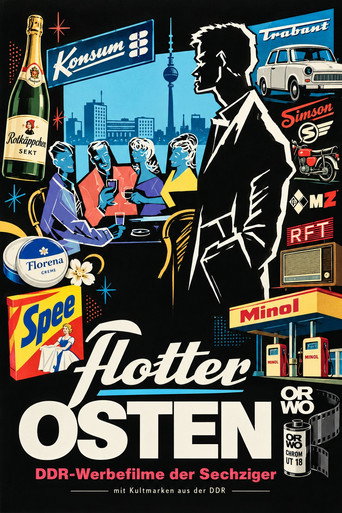
A collection of commercials from 1960s DDR (GDR).

A little boy tries to keep a huge Newfoundland dog in his family's apartment.
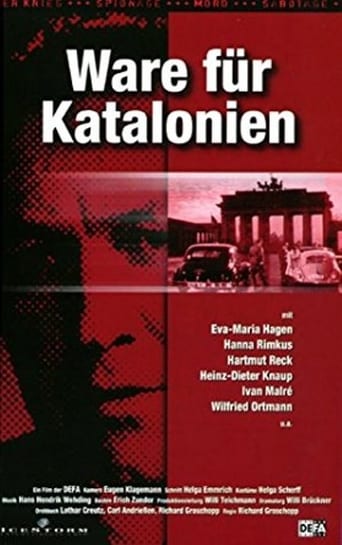
At the end of the 1950s, the production of optics in the German Democratic Republic has reached top quality and instigates interest in the West. When national demand rises strongly and at the same time the export to South America heavily decreases, the Volkspolizei - the GDR police force - starts to look into the case. Two seemingly unrelated cases are the starting point for the investigation by second lieutenant Schellenberg of the department for optics racketeering: An old woman who was arrested in the Berlin city railway for trying to smuggle a pair of binoculars to West Berlin, and a dead person in an area of allotments who was involved in obscure dealings with optical devices.
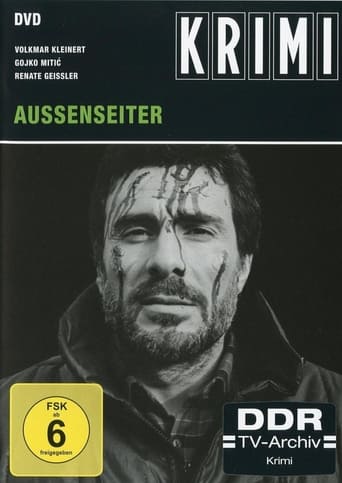
Paul Schulte takes a spa stay on the Baltic Sea to have his heart condition treated. His wife Barbara accompanies him and finds interest in the valuable art objects in a nearby church. Together with her accomplice and lover Klaus Grunow, she plans to break into the church. But Paul Schulte sees through his wife's plans and tries to dissuade her. One morning, Paul Schulte is found dead.
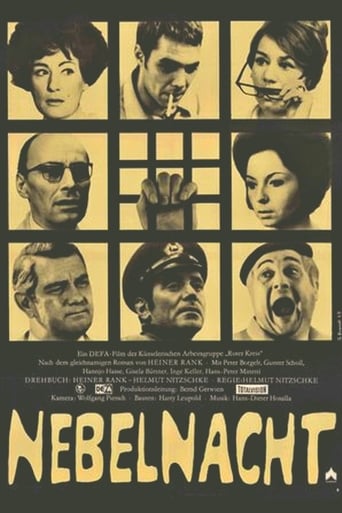
When a motorcyclist dies in an accident, lieutenant Kreutzer and his colleague Arnold receive the order to investigate the backgrounds of this mysterious case. Although the leads point to murder, head physician Dr. Nikolai, the driver of the car involved in the accident, maintains his innocence and even has an alibi. With a lot of arduous detail work, Kreutzer follows all leads and evidence. Both Nikolai’s colleagues and his son act suspiciously. Eventually, Kreutzer convicts the criminal who secretly used the physician’s car for his criminal dealings.
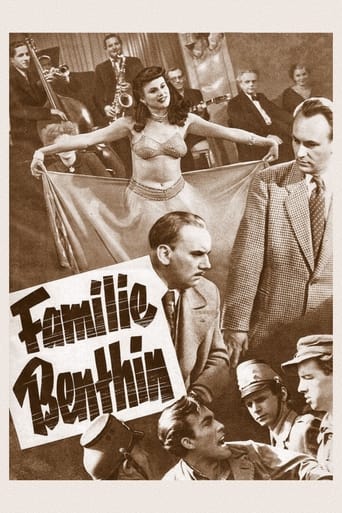
The brothers Theo and Gustav Benthin pull profits through smuggling in divided Germany: Theo in the West and Gustav in the East. The East German police catch on quickly, however, and Gustav is arrested. The small band of smugglers disperses, with Gustav’s chauffer Peter Naumann fleeing to the West and his sister choosing the East after struggling to find work and lodging in the West.

High-school senior Peter considers the adults around him to be hypocritical, self-congratulatory, and immersed in the past. He gets suspended for writing an essay that his teachers consider to be a challenge to the state. Just Don't Think I'll Cry became one of twelve films and film projects-almost an entire year's production-that were banned in 1965-1966 due to their alleged anti-socialist aspects. Although scenes and dialogs were altered and the end was reshot twice, officials condemned this title as "particularly harmful." In 1989, cinematographer Ost restored the original version, and this and most of the other banned films were finally screened in January 1990. Belatedly, they were acclaimed as masterpieces of critical realism.
The former athlete Barbara follows her husband to the province and attempts to masters her new life, even after her separation from him.
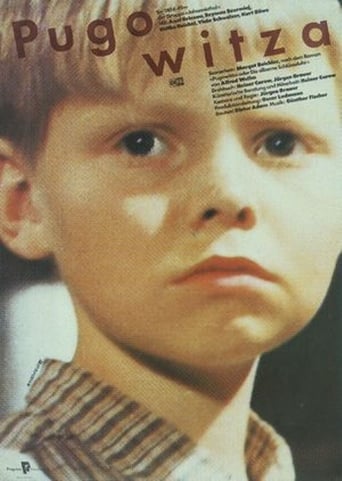
World War II is over and Heinrich, a young German boy, influenced by the Russians, starts to act according to Communist principles in a small German village.
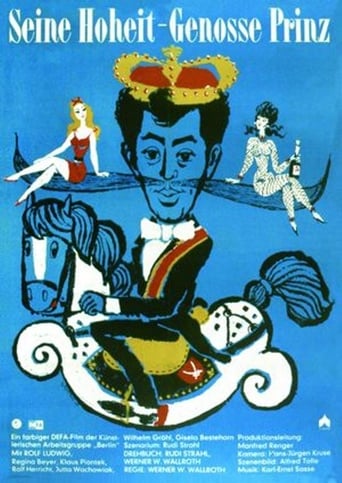
Kasper Mai, an export merchant and comrade with a “clean” record, discovers he is the prince of Hohenlohe-Liebenstein. His royal grandmother designates him as the heir to her estate. A private trip to her reveals that she does not want a NATO airbase built on her land. The GDR and his grandmother thus find a common interest, and a clever lawyer from the East works against other family members looking to settle their debts with the estate money.