
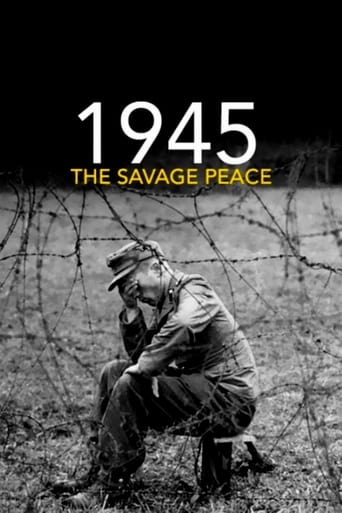
1945: The Savage Peace
2015-05-24 · 60 min · ★ 7.6
How, in 1945, after the end of World War II and the fall of the Nazi regime, the defeated were atrociously mistreated, especially those ethnic Germans who had lived peacefully for centuries in Germany's neighboring countries, such as Czechoslovakia and Poland. A heartbreaking story of revenge against innocent civilians, the story of acts as cruel as the Nazi occupation during the war years.
Trailers are previews, not full movies.
No authorized playback source configured. Use the legal watch options below.
Production details
- Directors
- Peter Molloy
- Production companies
- Blakeway Productions, BBC
- Countries
- United Kingdom
- Status
- Released
Top Cast
 Michael PenningtonNarrator (voice)
 Meda MládekSelf - Witness
 Adolf HitlerSelf (archive footage)
 Harry S. TrumanSelf (archive footage)
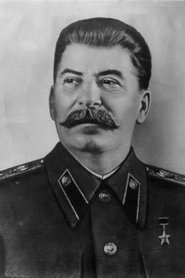 Joseph StalinSelf (archive footage)
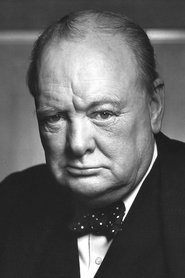 Winston ChurchillSelf (archive footage)
Title information and images are supplied by TMDb. Explore our discovery guide for advice on comparing metadata and legal viewing options.
Where to watch
Availability provided by JustWatch via TMDb. Offers can change. Provider links are listed on TMDb; full playback requires a separately authorized source.
Streaming
Amazon Prime Video, Britbox Apple TV channel, BBC Select Apple Tv channel, Amazon Prime Video with Ads
With ads
Amazon Prime Video Free with Ads, Amazon MX Player
View authorized watch options on TMDbSeasons & episodes
Recommendations

“The Soviet Story” is a story of an Allied power, which helped the Nazis to fight Jews and which slaughtered its own people on an industrial scale. Assisted by the West, this power triumphed on May 9th, 1945. Its crimes were made taboo, and the complete story of Europe’s most murderous regime has never been told. Until now...
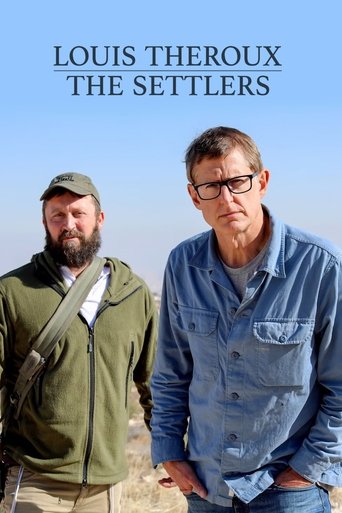
Fourteen years after his first visit, Louis Theroux meets some of the growing community of religious-nationalist Israelis who have settled in the occupied West Bank.
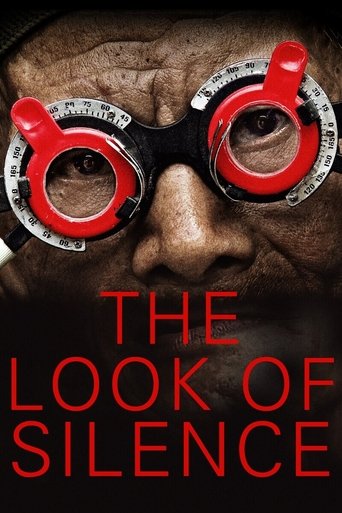
An Indonesian man with a communist background named Ramli was brutally murdered when the "Communist" purge occurred in 1965. His remaining family members lived in fear and silence until the making of this documentary. Adi, a brother of his, decided to revisit the horrific incident and visited the men who were responsible for the killings and one survivor of the purge. These meetings uncovered sadistic details of the murders and exposed raw emotions and reactions of the killers' family members about what happened in the past - much to Adi's disappointment.
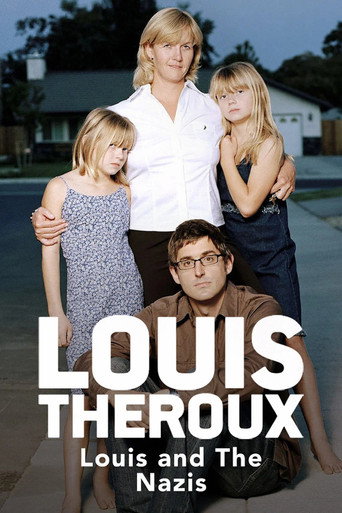
Louis Theroux travels to California to meet the man dubbed "the most dangerous racist in America"; Tom Metzger. Louis meets him, his family and his publicity manager as well as following him to skinhead rallies and on a visit to Mexico.
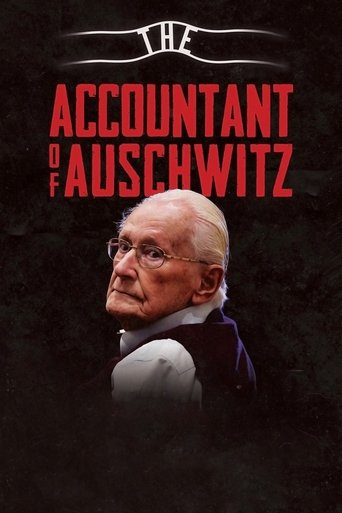
Oskar Gröning, known as the "Accountant of Auschwitz," was charged with the murder of 300,000 Jews. When he took the stand in 2015, at the age of 94, his trial made headlines worldwide.

In 1936, Victor H. Green (1892-1960) published The Negro Motorist Green Book, a book that was both a travel guide and a survival manual, to help African-Americans navigate safe those regions of the United States where segregation and Jim Crow laws were disgracefully applied.
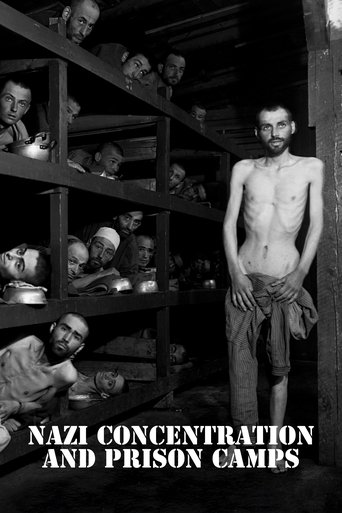
Produced and presented as evidence at the Nuremberg war crimes trial of Hermann Göring and twenty other Nazi leaders, this film consists primarily of dead and surviving prisoners and of facilities used to kill and torture during the World War II.

A documentary highlighting the Soviet Union's legendary and enigmatic hockey training culture and world-dominating team through the eyes of the team's Captain Slava Fetisov, following his shift from hockey star and celebrated national hero to political enemy.

An unprecedented and intimate look at the life, work and enduring legacy of British actress Audrey Hepburn (1929-1993).
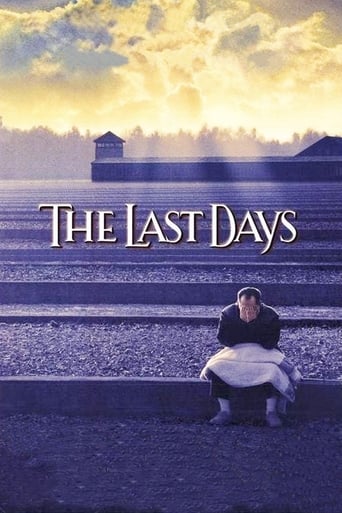
This Oscar-winning documentary recounts the harrowing stories of five Hungarian Jews who endured the horrors of the Holocaust and Hitler's reign.

Journey into the extraordinary world of "The Witcher" — from casting the roles to Jaskier's catchy song — in this behind-the-scenes look at the series.
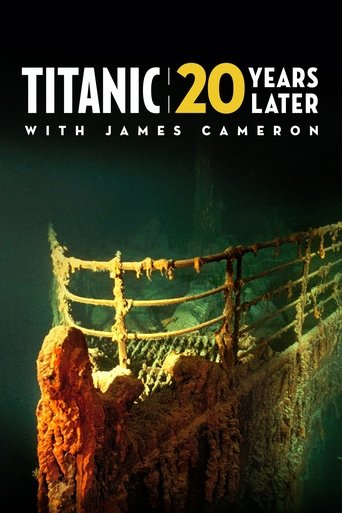
For the 20th anniversary of "Titanic," James Cameron reopens the file on the disaster.

The history of cinematic sound, told by legendary sound designers and visionary filmmakers.

He's devoted his career to uncovering stories the powerful want buried. From My Lai to Abu Ghraib, dig into the life's work of journalist Seymour Hersh.
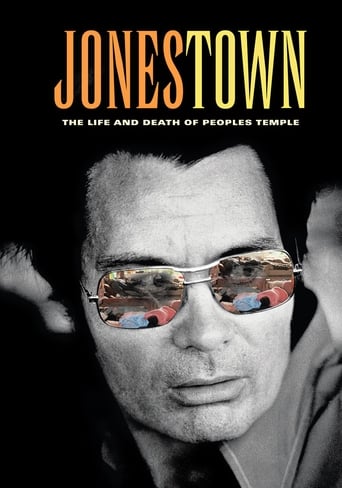
Featuring never-before-seen footage, this documentary delivers a startling new look at the Peoples Temple, headed by preacher Jim Jones who, in 1978, led more than 900 members to Guyana, where he orchestrated a mass suicide via tainted punch.
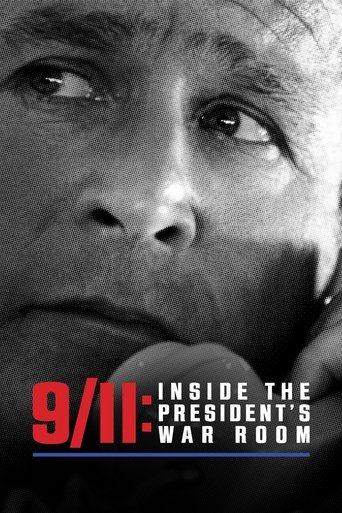
Experience the events of September 11, 2001 through the eyes of President Bush and his closest advisors as they personally detail the crucial hours and key decisions from that historic day.

A documentary about World War I with never-before-seen footage to commemorate the centennial of Armistice Day, and the end of the war.
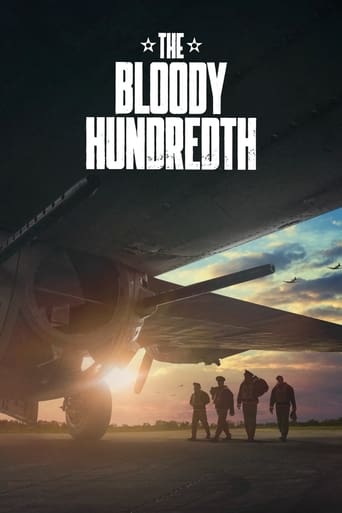
Meet the real-life airmen who inspired Masters of the Air as they share the harrowing and transformative events of the 100th Bomb Group.

Pete Postlethwaite stars as a man living alone in the devastated future world of 2055, looking at old footage from 2008 and asking: why didn’t we stop climate change when we had the chance?

In the last five years of his life, David Bowie ended nearly a decade of silence to engage in an extraordinary burst of activity, producing two groundbreaking albums and a musical. David Bowie: The Last Five Years explores this unexpected end to a remarkable career. Made with remarkable access, Francis Whately’s documentary is a revelatory follow-up to his acclaimed 2013 documentary David Bowie: Five Years, which chronicled Bowie’s golden ‘70s and early-‘80s period.
Similar titles
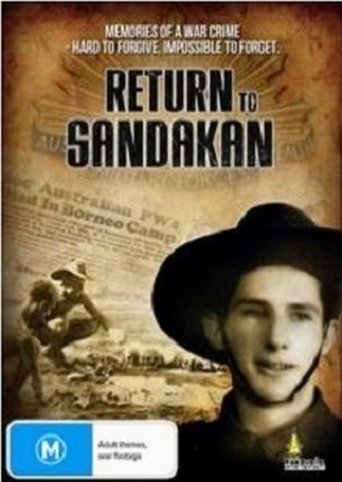
During World War II there were nearly 2,500 Allied prisoners held in Sandakan POW camp in British North Borneo. Along with the ravages of war and the struggle to survive abject conditions, only six of these POW's were found alive when the war finally ended. In the years that followed, the horror stories of human depravity and the atrocities committed by the Japanese at Sandakan POW camp would come to light, considered by many as one of the most devastating chapters of the Pacific War.
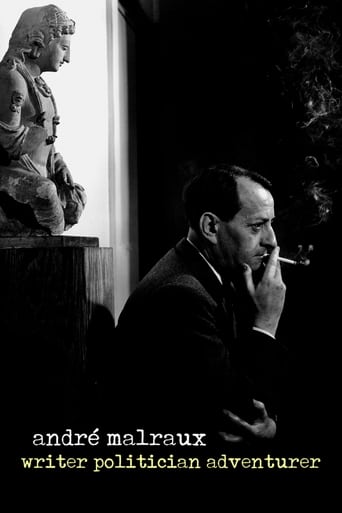
Writer, journalist, explorer, filmmaker, communist militant, freedom fighter. Truths and lies. A plot twist. Politician. General De Gaulle's shadow. Overwhelmed by the weight of power. The numerous exploits of André Malraux (1901-1976).

The true story of photographer Elizabeth "Lee" Miller, a fashion model who became an acclaimed war correspondent for Vogue magazine during World War II.

Wolves divide and fascinate us. 150 years after they were driven to extinction in Central Europe, they are returning slowly but inexorably. Are they dangerous to humans? Is it possible to coexist? Using Switzerland as a point of departure, where wolves have returned in the very recent past, this documentary sheds light on the wolf situation in Austria, eastern Germany, Poland, Bulgaria, and even Minnesota, where freely roaming packs of wolves are more common sight.

The history of Bruguera, the most important comic publisher in Spain between the 1940s and the 1980s. How the characters created by great writers and pencilers became Spanish archetypes and how their strips persist nowadays as a portrait of Spain and its people. The daily life of the creators and the founding family, the Brugueras. The world in which hundreds of vivid colorful paper beings lived and still live, in the memory of millions, in the smile of everyone.

An old man recounts: I have always worn glasses. Even in the camp, I managed to keep them. We feared the night almost as much as the day. One night, they brought in a newcomer, a bearded man. His drawings over the days had become essential to us. The guards did not understand that only death would prevent him from drawing. All that remains of the camp is this piece of wall, with his last drawing, which he called "Ligne de vie (Lifeline)."

In the years before World War II, a penniless Japanese child is torn from her family to work as a maid in a geisha house.
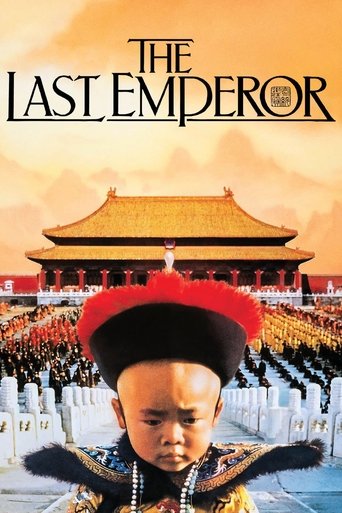
A dramatic history of Pu Yi, the last of the Emperors of China, from his lofty birth and brief reign in the Forbidden City, the object of worship by half a billion people; through his abdication, his decline and dissolute lifestyle; his exploitation by the invading Japanese, and finally to his obscure existence as just another peasant worker in the People's Republic.
Based on an agreement with the USSR from July 1946 on the mutual resettlement of citizens, around 40,000 Volhynian Czechs moved to Czechoslovakia in 1947. The large-scale repatriation operation was not without complications. The short film also addresses these, but they remain overshadowed by the post-war optimism, with which the resettlers were sent to the depopulated borderlands.
The true story of Traian Popovici, a Romanian Mayor that saved 20,000 Jewish People from death during WWII and his friend, who married a Jewish woman against Hitler's orders.
A Russian and a German sniper play a game of cat-and-mouse during the Battle of Stalingrad in WWII.
As U.S. troops storm the beaches of Normandy, three brothers lie dead on the battlefield, with a fourth trapped behind enemy lines. Ranger captain John Miller and seven men are tasked with penetrating German-held territory and bringing the boy home.
In 1924, Oskar Matzerath is born in the Free City of Danzig. At age three, he falls down a flight of stairs and stops growing. In 1939, World War II breaks out.
Victor Klemperer (1881-1960), a professor of literature in Dresden, was Jewish; through the efforts of his wife, he survived the war. From 1933 when Hitler came to power to the war's end, he kept a journal paying attention to the Nazis' use of words. This film takes the end of 1945 as its vantage point, with a narrator looking back as if Klemperer reads from his journal. He examines the use of simple words like "folk," "eternal," and "to live." Interspersed are personal photographs, newsreel footage of Reich leaders and of life in Germany then, and a few other narrative devices. Although he's dispassionate, Klemperer's fear and dread resonate
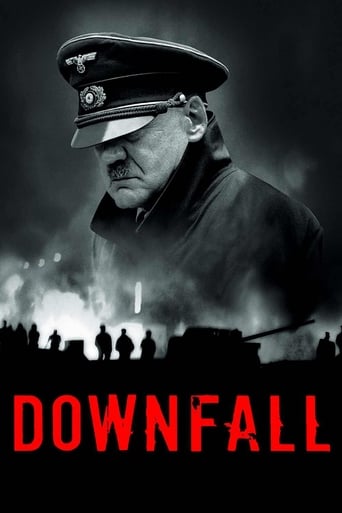
In April of 1945, Germany stands at the brink of defeat with the Russian Army closing in from the east and the Allied Expeditionary Force attacking from the west. In Berlin, capital of the Third Reich, Adolf Hitler proclaims that Germany will still achieve victory and orders his generals and advisers to fight to the last man. When the end finally does come, and Hitler lies dead by his own hand, what is left of his military must find a way to end the killing that is the Battle of Berlin, and lay down their arms in surrender.