
Hidden Colors 4: The Religion of White Supremacy
2016-05-26 · Runtime unavailable · ★ 6.7
Hidden Colors 4: The Religion Of White Supremacy is the latest follow up film to the critically acclaimed hit documentary series Hidden Colors. In this installment of the Hidden Colors series, the film explores topics such as: The motivation behind European global subjugation The history of rarely discussed vast West African empires How germ warfare is used on melanated people The history of slave breeding farms in America And much more.
Trailers are previews, not full movies.
No authorized playback source configured. Use the legal watch options below.
Production details
- Directors
- Tariq Nasheed
- Production companies
- King Flex Entertainment
- Countries
- United States of America
- Status
- Released
Top Cast
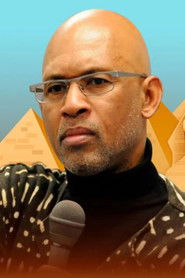 Tony BrowderHimself
 Jim BrownHimself
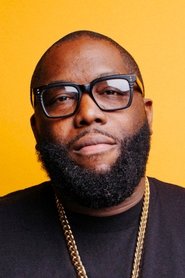 Killer MikeHimself
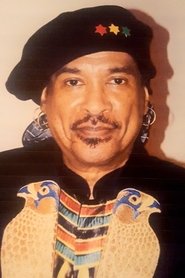 Kaba KameneHimself
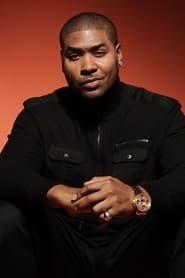 Tariq NasheedHimself
 Boyce WatkinsHimself
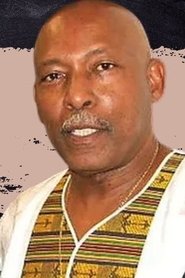 James SmallHimself
Title information and images are supplied by TMDb. Explore our discovery guide for advice on comparing metadata and legal viewing options.
Where to watch
Availability provided by JustWatch via TMDb. Offers can change. Provider links are listed on TMDb; full playback requires a separately authorized source.
Availability not listed for this country.
Seasons & episodes
Recommendations
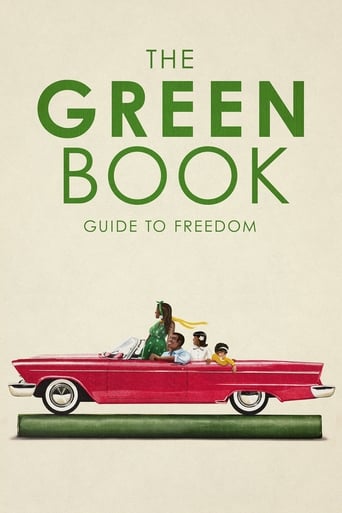
In 1936, Victor H. Green (1892-1960) published The Negro Motorist Green Book, a book that was both a travel guide and a survival manual, to help African-Americans navigate safe those regions of the United States where segregation and Jim Crow laws were disgracefully applied.
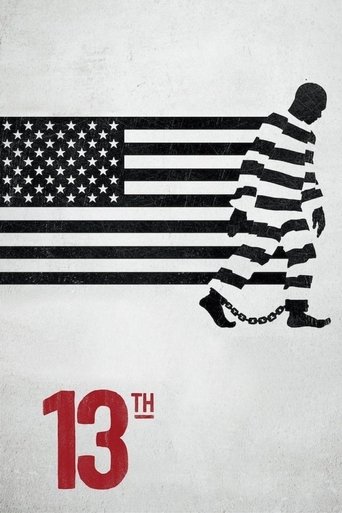
An in-depth look at the prison system in the United States and how it reveals the nation's history of racial inequality.
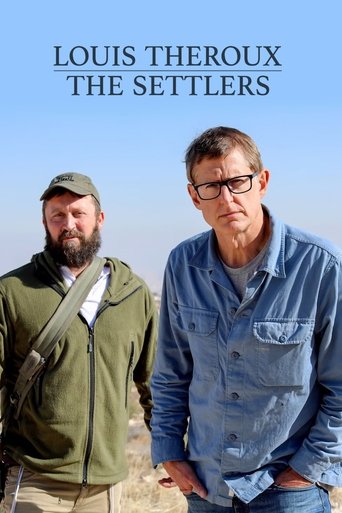
Fourteen years after his first visit, Louis Theroux meets some of the growing community of religious-nationalist Israelis who have settled in the occupied West Bank.

In an intimate and joyful story of love in the face of loss, celebrated poets Andrea Gibson and Megan Falley find strength—and unexpected hilarity—in what might be their final year together.
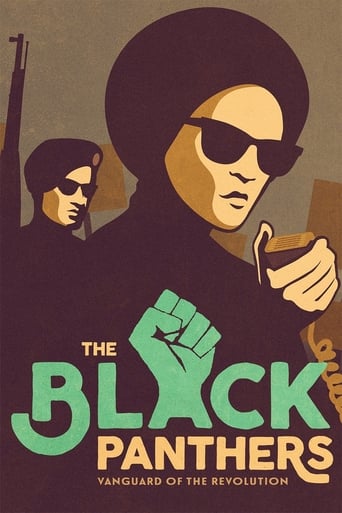
The story of the Black Panthers is often told in a scatter of repackaged parts, often depicting tragic, mythic accounts of violence and criminal activity; but this is an essential story, vibrant, human; a living and breathing chronicle of a pivotal movement that birthed a new revolutionary culture in America.
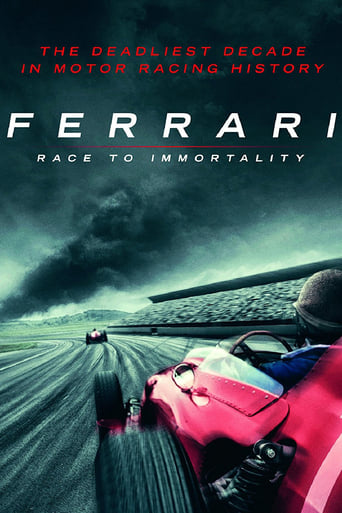
The late 1950s were known as golden years in the world of motor racing, champions were made and lost on a Sunday, and no losses were greater than those of Enzo Ferrari’s Scuderia. Based on Chris Nixon’s bestselling biography Mon Ami Mate, Ferrari: Race to Immortality tells the story of the loves and losses, triumphs and tragedy of a turbulent era that shook the motor racing world.

A documentary on the expletive's origin, why it offends some people so deeply, and what can be gained from its use.
A road trip across five countries to explore the social and political movements as well as the mainstream media's misperception of South America while interviewing seven of its elected presidents.
An investigative look and analysis of gender disparity in Hollywood, featuring accounts from well-known actors, executives and artists in the Industry.

Documentary filmmaker Amy Berg investigates the life of 30-year pedophile Father Oliver O'Grady and exposes the corruption inside the Catholic Church that allowed him to abuse countless children. Victims' stories and a disturbing interview with O'Grady offer a view into the troubled mind of the spiritual leader who moved from parish to parish gaining trust ... all the while betraying so many.

A 1993 documentary film about Bruce Lee. The film includes interviews from some of his fellow students and opponents who worked alongside him in his movies.

Through deeply personal interviews with her siblings and an examination of the photographs, letters, and belongings left behind, Mariska assembles a new portrait of her mother Jayne Mansfield, an extraordinary and complex woman.

Al Pacino's deeply-felt rumination on Shakespeare's significance and relevance to the modern world through interviews and an in-depth analysis of "Richard III."
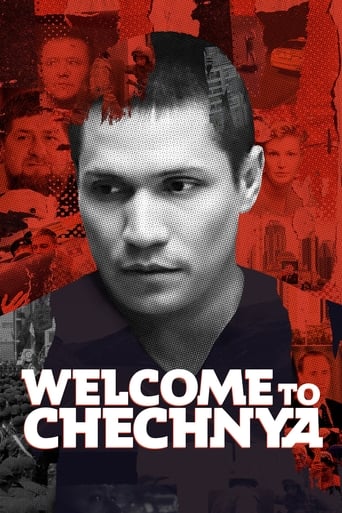
This searing investigative work shadows a group of activists risking unimaginable peril to confront the ongoing anti-LGBTQ program raging in the repressive and closed Russian republic. Unfettered access and a remarkable approach to protecting anonymity exposes this under-reported atrocity–and an extraordinary group of people confronting evil.
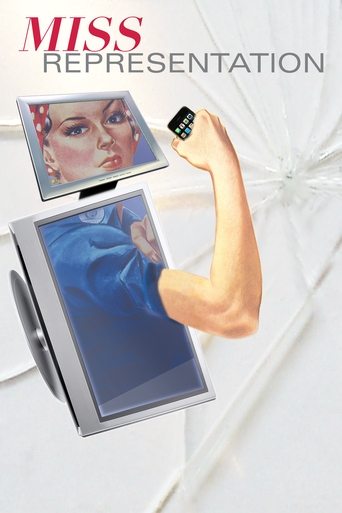
The film MISS REPRESENTATION exposes how American youth are being sold the concept that women and girls’ value lies in their youth, beauty and sexuality. Explores the under-representation of women in positions of power and influence in America, and challenges the media's limited portrayal of what it means to be a powerful woman. It’s time to break that cycle of mistruths.
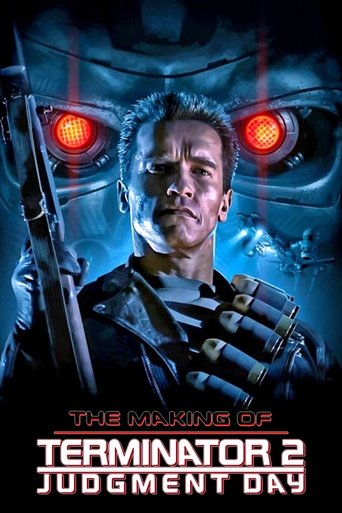
Documentary of the making of the sequel to the popular Schwarzenegger film, The Terminator.
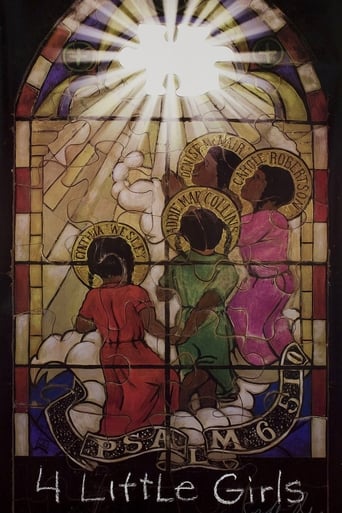
On September 15, 1963, a bomb destroyed a black church in Birmingham, Alabama, killing four young girls who were there for Sunday school. It was a crime that shocked the nation--and a defining moment in the history of the civil-rights movement. Spike Lee re-examines the full story of the bombing, including a revealing interview with former Alabama Governor George Wallace.

Over 35 years after Bob Lazar's revelations, this documentary exposes secrets of a facility the government still denies. Featuring Lazar's testimony, recreations, and new evidence, it reopens a case that continues to spark global curiosity
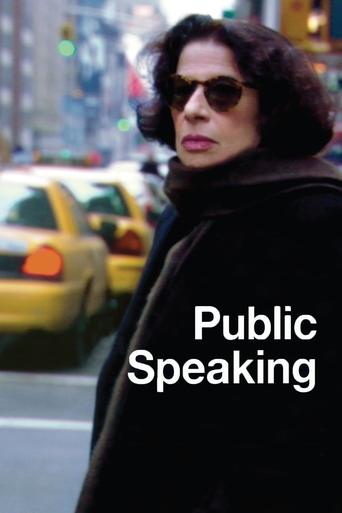
Martin Scorsese’s portrait of writer and social commentator Fran Lebowitz, celebrated for her sharp wit and observations on modern life. Filmed at New York’s Waverly Inn and intercut with archival footage and interviews, the documentary captures Lebowitz’s distinctive worldview through her spontaneous monologues and public appearances.

A string of threatening emails escalates into a revenge plot involving a newly married US marshal and his ex-girlfriend.
Similar titles

An analysis of the impact on the United States Latino community of immigration policies promoted by President Donald Trump.
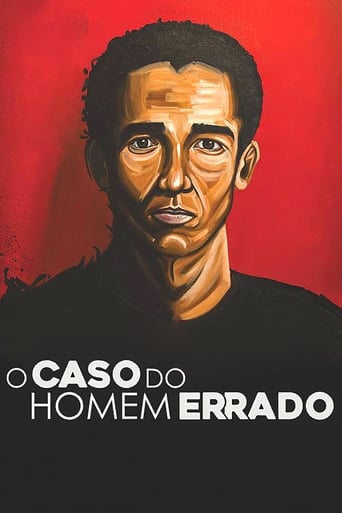
The documentary tells the story of Júlio César, a young Afro-Brazilian who was executed by the Police in the 1980s in Porto Alegre. The crime became notorious when the press published photos of Julius being put alive in the police car and arriving 37 minutes later shot and dead at the hospital.
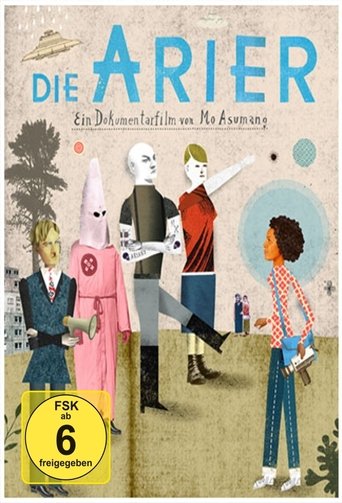
THE ARYANS is Mo Asumang's personal journey into the madness of racism during which she meets German neo-Nazis, the US leading racist, the notorious Tom Metzger and Ku Klux Klan members in the alarming twilight of the Midwest. In The ARYANS Mo questions the completely wrong interpretation of "Aryanism" - a phenomenon of the tall, blond and blue-eyed master race.
Police have been killing people in Columbus, Ohio, with near impunity for more than two decades, leaving behind a community bound together by grief – and a system that refuses to call these killings murder. In a searing indictment of the police and justice system at large, educator and curator Ingrid Raphael and journalist Melissa Gira Grant have collaborated in this short film, which spotlights the testimonies and resistance strategies of the loved ones of Henry Green, Tyre King, Donna Dalton and Julius Tate. These are the mothers, sisters, and grandmothers of those who were killed by Columbus police, women seeking justice for their family members, despite knowing that it is unlikely to be found within the system that caused their wrongful deaths.
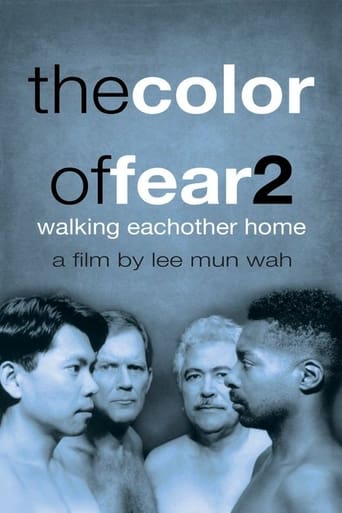
In THE COLOR OF FEAR, eight American men participated in emotionally charged discussions of racism. In this sequel, we hear and see more from those discussions, in which the men talk about about how racism has affected their lives in the United States. We also learn more about the relationships between them, and about their reactions during some of the most intense moments of that discussion.
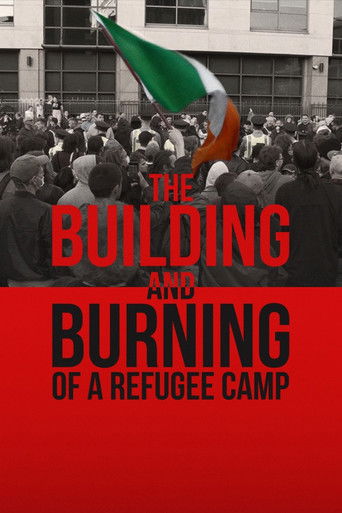
Three men seeking asylum in Ireland find themselves on the streets, caught between restrictive migration policies and an increasingly aggressive far-right movement. Dennis Harvey captures an explosive sequence of events on the streets of Dublin.
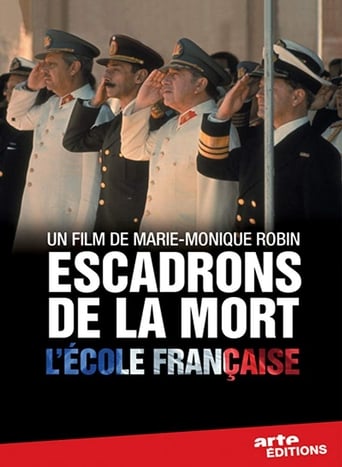
After the Battle of Algiers, France and its army exported, as true experts, anti-subversive methods to Latin America and the United States in the 1960s. After more than a year of investigation in Argentina , in Chile, Brazil, the United States and France, the director collected, sometimes under the cover of a hidden camera, recorded conversations, the exclusive testimonies of the main protagonists. From General Aussaresses to former Minister of the Armed Forces Pierre Messmer, including General Reynaldo Bignone (head of the military junta in Argentina from 1982 to 1984), General Albano Harguindéguy, General Manuel Contreras, and Generals John Johns and Carl Bernard, this investigation gives us a hidden reality of the country of Human Rights.
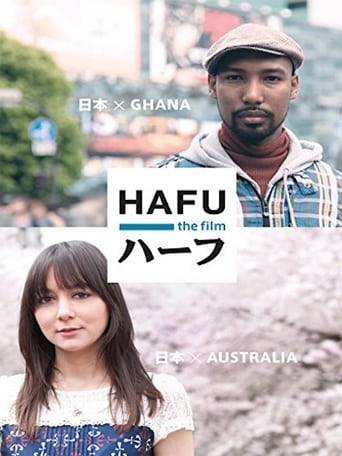
A journey into the intricacies of mixed-race Japanese and their multicultural experiences in modern day Japan. For some hafus, Japan is the only home they know, for some living in Japan is an entirely new experience, and the others are caught somewhere between two different worlds.

In the 1960s, the suburbs were meant to be modern havens for newcomers from rural France, Portugal, Spain, North Africa, and Africa, helping rebuild post-war France. Large housing complexes symbolized this ideal, offering comfort, heating, and electricity. But by the 1980s, disillusionment set in as economic crisis, unemployment, poverty, crime, racism, and police violence took hold. Mohamed Bouhafsi tells the story of a dream that didn’t last.
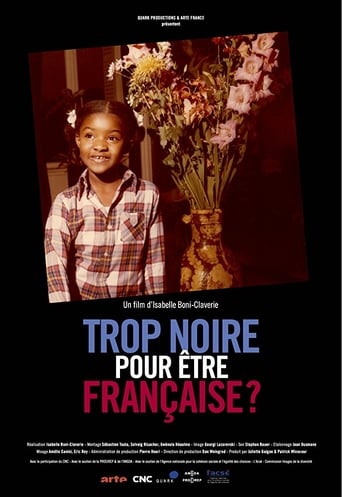
Approximately, because so-called "ethnic" statistics are prohibited, there are an estimated 3.3 million black French citizens. Distant descendants of slaves from the Caribbean or "indigenous" peoples from the French colonial empire in Africa, they constitute a minority that is often discriminated against. Isabelle Boni-Claverie, a mixed-race woman raised in the affluent neighborhoods of Paris, daughter of an Ivorian politician and granddaughter of Alphonse Boni, a Black man who became a magistrate of the French Republic in the 1930s, examines what is blocking the social advancement of Black French people and the full recognition of their citizenship.
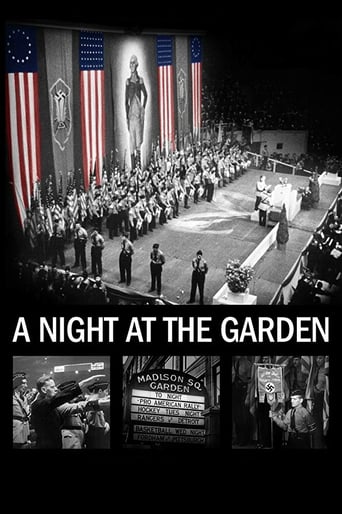
Archival footage of an American Nazi rally that attracted 20,000 people at Madison Square Garden in 1939, shortly before the beginning of World War II.
In this short documentary, five black women talk about their lives in rural and urban Canada between the 1920s and 1950s. What emerges is a unique history of Canada’s black people and the legacy of their community elders. Produced by the NFB’s iconic Studio D.
African American filmmaker David A. Wilson decided to look into his family's history during the slave era. The result is this documentary, which provides a unique perspective on the long shadow cast by slavery in America. Wilson travels to North Carolina to visit the plantation where his ancestors once toiled and to meet its current owner -- a white man named David Wilson, whose slave-owning ancestors originally occupied the property.
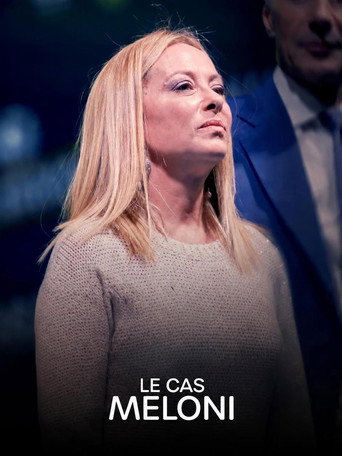
Who is Giorgia Meloni, Italy’s Prime Minister since 2022, and how does she carry out her duties as head of state? How has a 45-year-old woman managed to win over a fragmented and deeply patriarchal Italy by ascending to the most powerful political office in her country and making her mark on the international stage? What fascist legacy does she carry?
A documentary about rap artists from Ceilândia, a satellite-city of Brazil capital, Brasilia. The film portrait the struggle of the lives of the rapers and makes a parallel with the violent building of the city designed to settle the outcast from Brasilia after its completion.
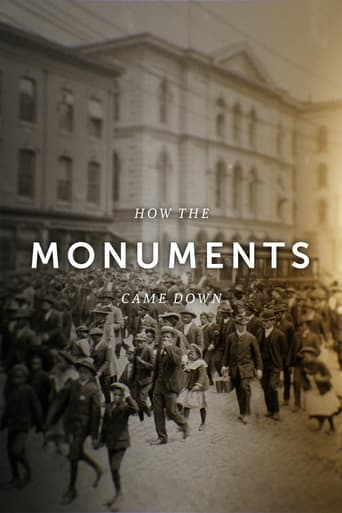
How the Monuments Came Down is a timely and searing look at the history of white supremacy and Black resistance in Richmond. The feature-length film-brought to life by history-makers, descendants, scholars, and activists-reveals how monuments to Confederate leaders stood for more than a century, and why they fell.

Journalist Émilie Tran Nguyen invites the viewer to follow her in her quest and discover, at the same time as her, the historical origins of this anti-Asian racism. Told in the first person, alternating archive images, interviews with historians, sociologists and field sequences, this film traces the making of prejudices in the French imagination and pop culture, to twist the neck of stereotypes, deconstruct and act.
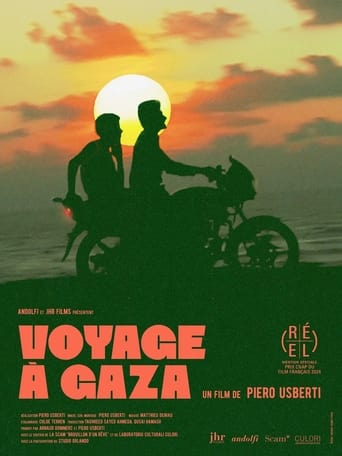
“In Gaza you have to get there in the evening, in spring, lock yourself in your room and from there listen to the sounds coming in through the open window.... It's 2018. I am 25 years old and a foreign traveler. I meet young Palestinians my age..”
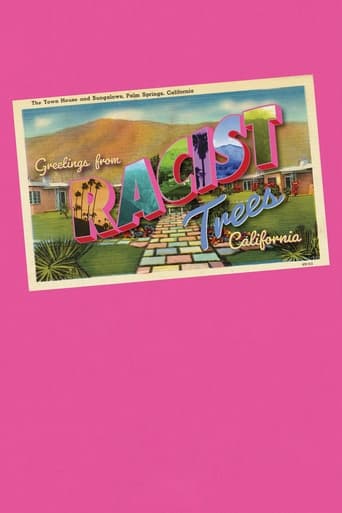
Can a tree be racist? A few years ago, debate on this issue reached as far as Fox News. The focus was a row of tamarisk trees along a huge golf course in Palm Springs, which screened off the neighborhood of Crossley Tract. This is a historically Black neighborhood, named after its founder Lawrence Crossley, who was one of the first Black residents to settle in the largely white tourist paradise, established on indigenous land over a century ago.