Dresdner Filmschätze - Teil 2 | Die 40er bis 60er Jahre
2015-02-01 · Runtime unavailable · ★ 8.0
Trailers are previews, not full movies.
No authorized playback source configured. Use the legal watch options below.
Production details
- Directors
- Unavailable
- Production companies
- Unavailable
- Countries
- Unavailable
- Status
- Released
Top Cast
Cast unavailable.
Title information and images are supplied by TMDb. Explore our discovery guide for advice on comparing metadata and legal viewing options.
Where to watch
Availability provided by JustWatch via TMDb. Offers can change. Provider links are listed on TMDb; full playback requires a separately authorized source.
Availability not listed for this country.
Seasons & episodes
Recommendations

In an intimate and joyful story of love in the face of loss, celebrated poets Andrea Gibson and Megan Falley find strength—and unexpected hilarity—in what might be their final year together.

When Allied forces liberated the Nazi concentration camps in 1944-45, their terrible discoveries were recorded by army and newsreel cameramen, revealing for the first time the full horror of what had happened. Making use of British, Soviet and American footage, the Ministry of Information’s Sidney Bernstein (later founder of Granada Television) aimed to create a documentary that would provide lasting, undeniable evidence of the Nazis’ unspeakable crimes. He commissioned a wealth of British talent, including editor Stewart McAllister, writer and future cabinet minister Richard Crossman – and, as treatment advisor, his friend Alfred Hitchcock. Yet, despite initial support from the British and US Governments, the film was shelved, and only now, 70 years on, has it been restored and completed by Imperial War Museums under its original title "German Concentration Camps Factual Survey".

Through deeply personal interviews with her siblings and an examination of the photographs, letters, and belongings left behind, Mariska assembles a new portrait of her mother Jayne Mansfield, an extraordinary and complex woman.

The life and career of one of comedy's most inimitable modern voices, Mr. Gilbert Gottfried.

Al Pacino's deeply-felt rumination on Shakespeare's significance and relevance to the modern world through interviews and an in-depth analysis of "Richard III."
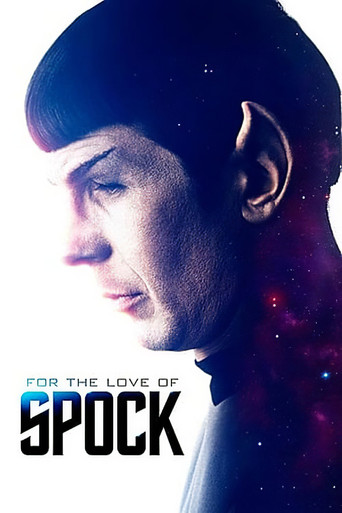
The life of Mr. Spock, as well as that of Leonard Nimoy, the actor who played him for almost fifty years, written and directed by his son: Adam.

Brilliant, long in-the-works story of the life and art of the world's greatest comedian and the cinema's first genius, Charlie Chaplin. Produced, written and directed by renowned film critic Richard Schickel.

An inside look at one of the most anticipated movie sequels ever with James Cameron and cast.

Artists in LA discover the work of forgotten Polish sculptor Stanislav Szukalski, a mad genius whose true story unfolds chapter by astounding chapter.

Alex Gibney explores the charged issue of pedophilia in the Catholic Church, following a trail from the first known protest against clerical sexual abuse in the United States and all way to the Vatican.

The life and career of an actor, artist, and icon. His own journey through his own camera.
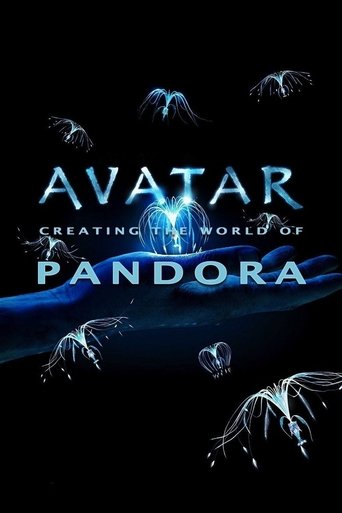
The Making-of James Cameron's Avatar. It shows interesting parts of the work on the set.
A presentation of a case for a needed transition out of the current socioeconomic monetary paradigm which governs the entire world society. This subject matter will transcend the issues of cultural relativism and traditional ideology and move to relate the core, empirical 'life ground' attributes of human and social survival, extrapolating those immutable natural laws into a new sustainable social paradigm called a 'Resource-Based Economy'.

A 1993 documentary film about Bruce Lee. The film includes interviews from some of his fellow students and opponents who worked alongside him in his movies.

A documentary chronicling Queen and Lambert's incredible journey since they first shared the stage together on "American Idol" in 2009.
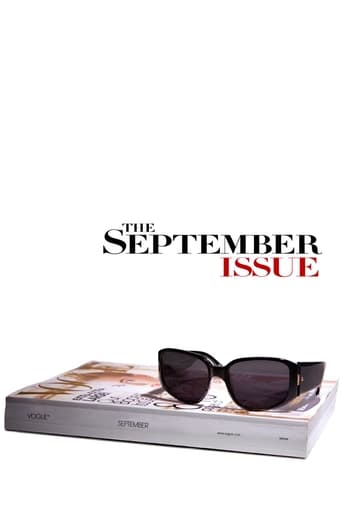
A documentary chronicling Vogue editor-in-chief Anna Wintour's preparations for the 2007 fall-fashion issue.
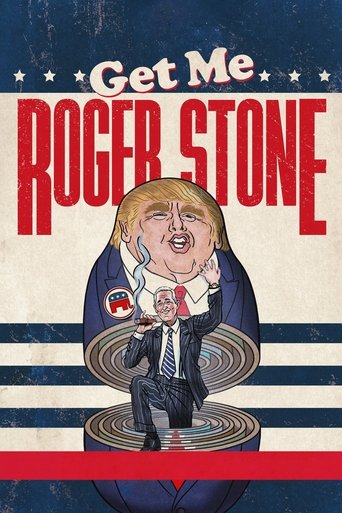
From his days of testifying at the Watergate hearings to advising recent presidential candidate Donald Trump, Roger Stone has long offended people on both sides of the political fence as a force in conservative America. Outspoken author, pundit, ahead of his time election strategist, this is his story.
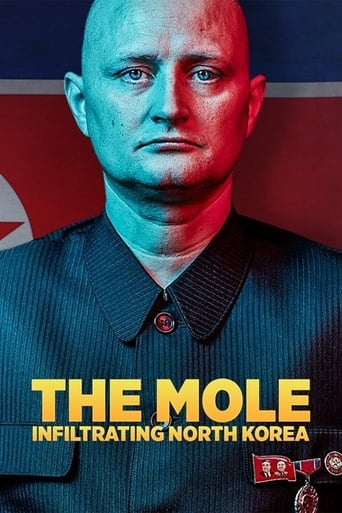
A real-life undercover thriller about two ordinary men who embark on an outrageously dangerous ten-year mission to penetrate the world's most secretive and brutal dictatorship: North Korea.
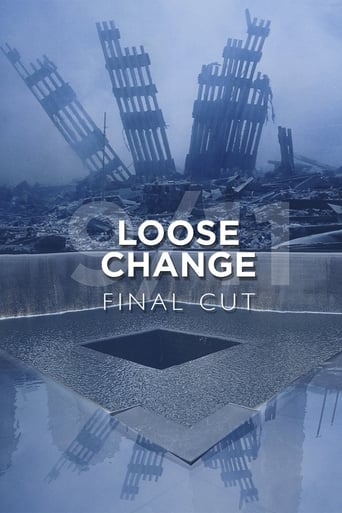
Loose Change Final Cut is the third installment of the documentary that asks the tough questions about the 9/11 attacks and related events. This movie hopes to be the catalyst for a new independent investigation, in which the family members receive answers to their questions, and the TRUE PERPETRATORS of this horrendous crime are PROSECUTED and PUNISHED.

In 2001 Jack Cardiff (1914-2009) became the first director of photography in the history of the Academy Awards to win an Honorary Oscar. But the first time he clasped the famous statuette in his hand was a half-century earlier when his Technicolor camerawork was awarded for Powell and Pressburger's Black Narcissus. Beyond John Huston's The African Queen and King Vidor's War and Peace, the films of the British-Hungarian creative duo (The Red Shoes and A Matter of Life and Death too) guaranteed immortality for the renowned cameraman whose career spanned seventy years.
Similar titles
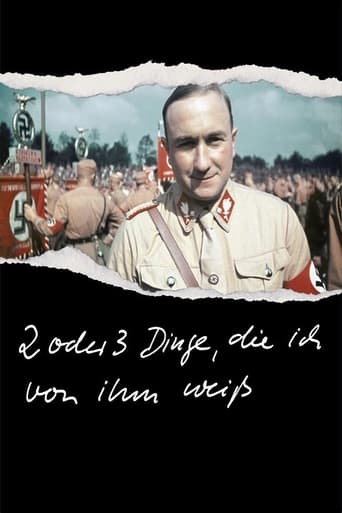
What would your family reminiscences about dad sound like if he had been an early supporter of Hitler’s, a leader of the notorious SA and the Third Reich’s minister in charge of Slovakia, including its Final Solution? Executed as a war criminal in 1947, Hanns Ludin left behind a grieving widow and six young children, the youngest of whom became a filmmaker. It's a fascinating, maddening, sometimes even humorous look at what the director calls "a typical German story." (Film Forum)
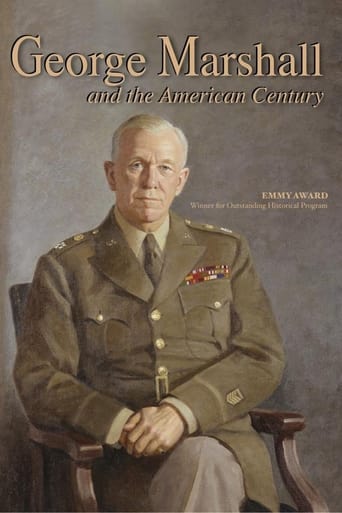
He built the mightiest army in history and selected its leaders. Eisenhower, MacArthur and Patton all obeyed his commands. George Marshall was the only soldier ever to receive the Nobel Peace Prize.
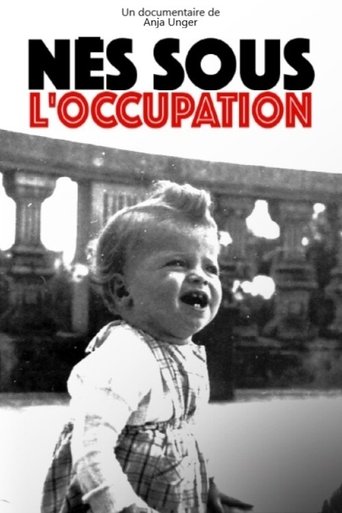
Following in the footsteps of two women in search of their origins, this documentary lifts the veil on a little-known page of the post-war era: the adoption, as part of a cross-border program, of thousands of children born during the French occupation of Germany.
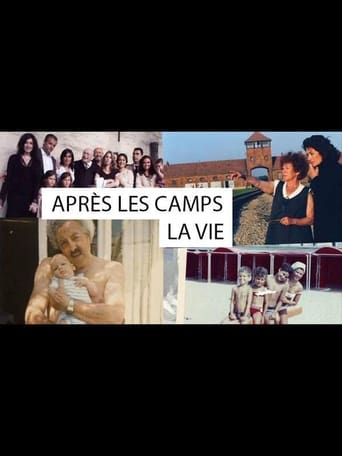
For the first time, survivors talk about life after the camps. How does one return to a life that was interrupted with such violence? How does one reconstruct oneself when all or most of one’s family were butchered? How does one resume studies and earn a living in a society that had cast you out a few years earlier?
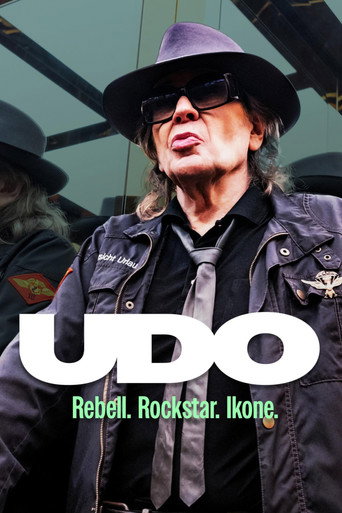
Celebrating Udo Lindenberg’s 80th birthday, exploring his extraordinary career as one of Germany’s most influential rock musicians. The film traces his rise from a rebellious young artist to a national icon, highlighting his music, political activism, and unique personality. Through interviews, archival footage, and behind-the-scenes insights, the documentary showcases Lindenberg’s cultural impact and enduring legacy in the German music scene.
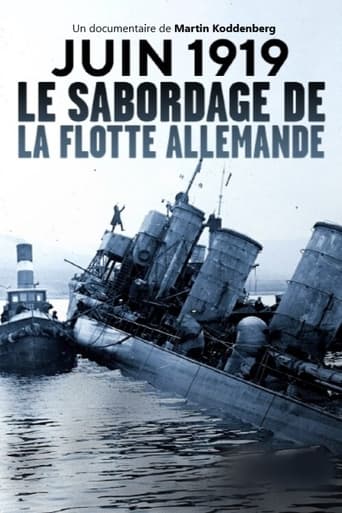
The sinking of the German fleet interned at Scapa-Flow (Orkney Islands), June 21, 1919. We know that one of the stipulations of the armistice signed with Germany on November 11, 1918 was that that power's surface warships were to be "immediately decommissioned and interned in neutral or Allied ports, and remain there under the supervision of the Allies and the United States, guard detachments only being maintained on board". In fact, all the ships designated by the Allies - 11 battleships, 5 battlecruisers, 7 light cruisers and 50 destroyers - had, a few days after the armistice, been assembled in Scapa-Flow Bay, in the center of the Orkney archipelago, i.e. north of Scotland, and had remained there ever since, under the supervision of the English naval authorities, but under the effective authority of German Admiral von Reuter.
This first-person documentary provides an inside look into the terrifying and bloody events that shook Central Europe in the 1990s, as the filmmaker takes a trip along the road that once united the disparate states of Yugoslavia, from Slovenia to Macedonia. A film about memory, hatred, love and hope.

In her autobiographical documentary, the young director uses cartoon impressions, photographic memories, and the various stages of baking a cake to draw the viewer into her own stream of consciousness, and using images full of kindness, tenderness, and playfulness, she deals with the sadness that began during a children's birthday party many years ago.
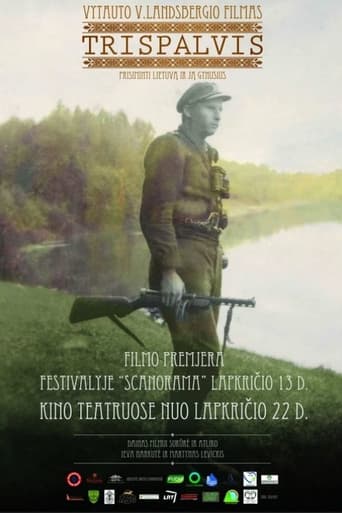
Tells the tale of Lithuanian post-war history.
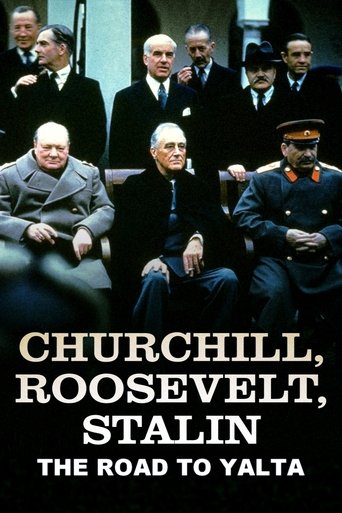
Between February 4 and 11, 1945, three months before World War II ended in Europe, US President Roosevelt, British Prime Minister Churchill, and Soviet leader Stalin met in the Ukrainian city of Yalta to discuss how the continent should be politically reorganized after the imminent defeat of Nazi Germany.
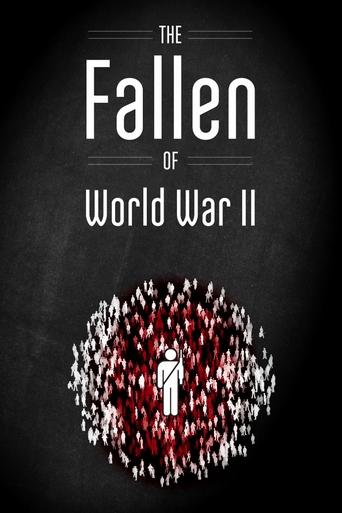
This interactive infographic short documentary examines the human losses of the Second World War between 1939 and 1945 and the decline in battle deaths in the years since that most terrible war of human history. The 19-minute data visualization uses cinematic storytelling techniques to provide viewers with a fresh and dramatic perspective of a pivotal moment in history. The film follows a linear narration, but it allows viewers to pause during key moments to interact with the charts and dig deeper into the numbers.
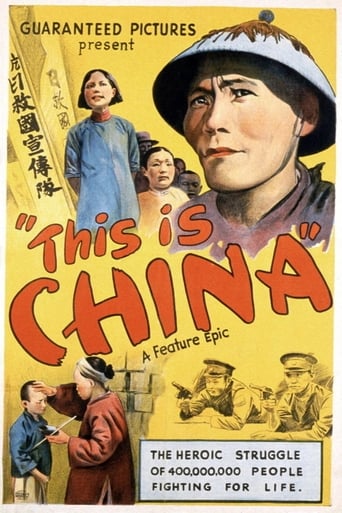
A fascinating compilation of scenes showing diversity and disparity in 1940s China. The ancient Forbidden City and Great Wall are followed by Shanghai’s metropolitan skyline; primitive farming methods are juxtaposed with mechanised factories; children in rags are contrasted with models wearing the latest fashions; Nationalist commanders and Communist leaders vie for support.
This James A. FitzPatrick Traveltalks short visits the West German cities of Hamburg, Bremen, Munich, and Heidelberg. Included are scenes of World War II destruction that lingered at the time.

Willy Ronis lived his life between Paris and Provence capturing post-war life. From a historical shot to intimacy, his pictures speak of history and the idea of framing. He was the first French photographer to work for LIFE magazine.
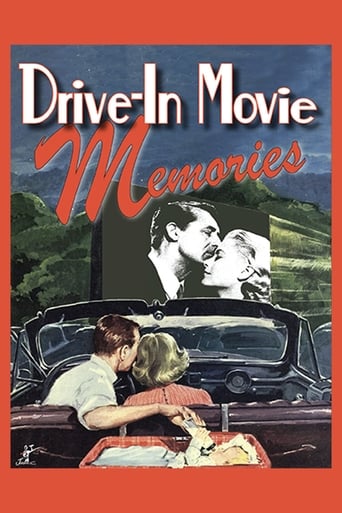
A nostalgic, informative history of drive-in movie theaters, featuring extensive archival photographs and interviews with Leonard Maltin, John Bloom, Samuel Z. Arkoff, Barry Corbin and many others... Drive-In Movie Memories is a film celebration of America's greatest icon of youth, freedom and the automobile. What began as an auto parts owner's business venture to make some easy money accidentally became a magical place where romance, fun and a sense of community flourished. This film chronicles the drive-in's birth and development, its phenomenal popularity with audiences of all ages, its tragic decline, and its inevitable comeback as a classic form of Americana.
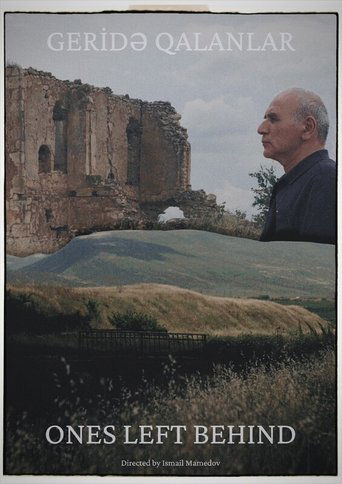
A couple returns to Aghdam, the city they once fled 32 years ago due to the war. It's a story about memory held in people, and about the small, powerful ways the past resurfaces when you finally face it.
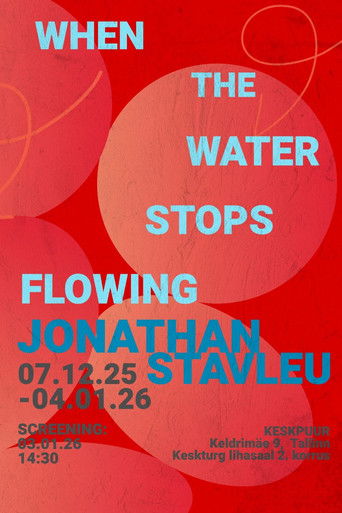
Jonathan Stavleu explores, in a stream-of-consciousness video essay, the relationship people have with water and what happens when access to it is taken away. For this work, he examines anecdotal histories he has heard from Estonians, as well as stories from his own family history in the Netherlands, weaving them together into a journal-like narrative.