
Ezkaba. La gran fuga de las cárceles franquistas
2006-01-01 · Runtime unavailable · ★ 6.8
Fourteen were sentenced to death and shot at the castle on September 8. Designed to honor their memory, the documentary denounces the manipulation of information surrounding the recent history of this country and reflects on historical memory and social amnesia.
Trailers are previews, not full movies.
No authorized playback source configured. Use the legal watch options below.
Production details
- Directors
- Iñaki Alforja
- Production companies
- Sofía e Itziar Alforja
- Countries
- Spain
- Status
- Released
Top Cast
Cast unavailable.
Title information and images are supplied by TMDb. Explore our discovery guide for advice on comparing metadata and legal viewing options.
Where to watch
Availability provided by JustWatch via TMDb. Offers can change. Provider links are listed on TMDb; full playback requires a separately authorized source.
Availability not listed for this country.
Seasons & episodes
Recommendations
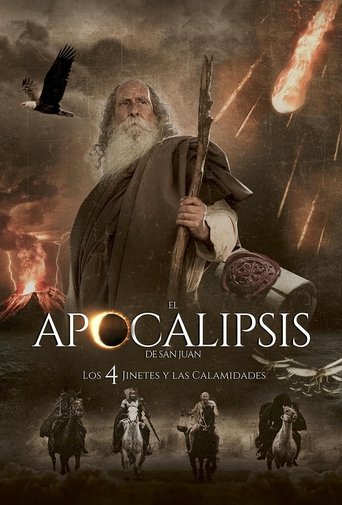
Embark on an epic journey through time and faith with 'The Apocalypse of Saint John.' Join the Apostle John in a stunning visual narrative that unravels the visions of the End Times. Experience each vision like never before, with striking visual effects and epic scenes that immerse you in the apocalyptic narrative.

Oliver Stone charts the history of the United States from the Second World War to the present.

The history of cinematic sound, told by legendary sound designers and visionary filmmakers.
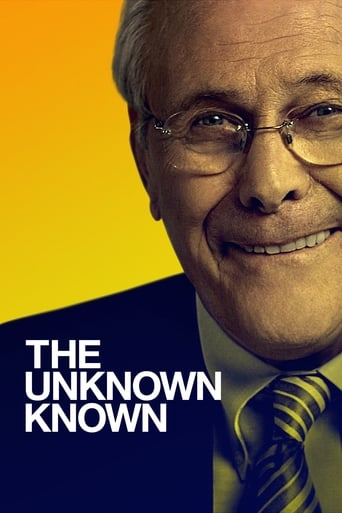
Former United States Secretary of Defense Donald Rumsfeld discusses his career in Washington D.C. from his days as a congressman in the early 1960s to planning the invasion of Iraq in 2003.

Decades after her untimely death, Princess Diana continues to evoke mystery, glamour, and the quintessential modern fairy tale gone wrong. As a symbol of both the widening fissures weakening the British monarchy and the destructive machinery of the press, the Princess of Wales navigated an unparalleled rise to fame and the corrosive challenges that came alongside it. Crafted entirely from immersive archival footage and free from the distraction of retrospective voices, this hypnotic and audaciously revealing documentary takes a distinctive formal approach, allowing the story of the People’s Princess to unfold before us like never before.

A documentary on the expletive's origin, why it offends some people so deeply, and what can be gained from its use.
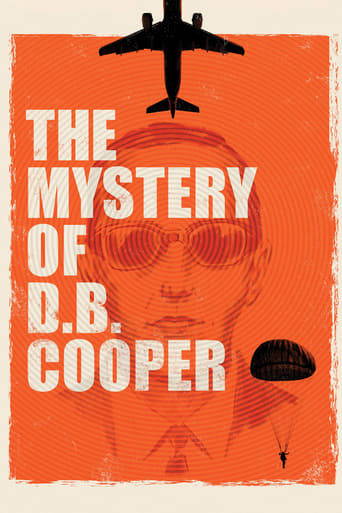
This documentary brings to life the stories of four people believed by their family and friends to be “DB Cooper,” a man who hijacked a 727 flying out of Seattle and jumped from the plane over the wilds of Washington State with a parachute and $200,000, never to be heard from again.
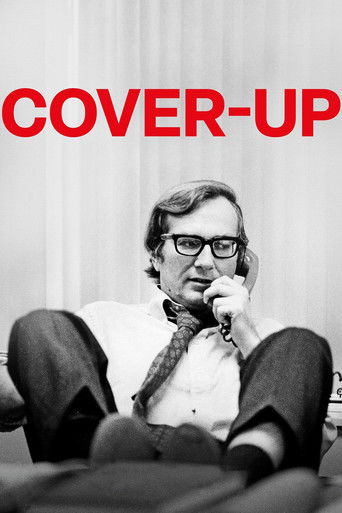
He's devoted his career to uncovering stories the powerful want buried. From My Lai to Abu Ghraib, dig into the life's work of journalist Seymour Hersh.
A documentary about the development and spread of the virtual currency called Bitcoin.
A behind-the-scenes documentary about the Clinton for President campaign, focusing on the adventures of spin doctors James Carville and George Stephanopoulos.

In an intimate and joyful story of love in the face of loss, celebrated poets Andrea Gibson and Megan Falley find strength—and unexpected hilarity—in what might be their final year together.

An inside look at one of the most anticipated movie sequels ever with James Cameron and cast.

A compilation of over 30 years of private home movie footage shot by Lithuanian-American avant-garde director Jonas Mekas, assembled by Mekas "purely by chance", without concern for chronological order.
The chronicle of the political tension in Chile in 1973 and of the violent counter revolution against the democratically elected government of Salvador Allende.

A documentary highlighting the Soviet Union's legendary and enigmatic hockey training culture and world-dominating team through the eyes of the team's Captain Slava Fetisov, following his shift from hockey star and celebrated national hero to political enemy.

Taking inspiration from Peter M. Bracke's definitive book of the same name, this seven-hour documentary dives into the making of all twelve Friday the 13th films, with all-new interviews from the cast and the crew.

A visual montage portrait of our contemporary world dominated by globalized technology and violence.
Filmed over 14 months with unprecedented access into the inner circle of the man and the sport, this is the first official and fully authorised film of one of the most celebrated figures in football. For the first time ever, the world gets vividly candid and un-paralleled, behind-closed-doors access to the footballer, father, family-man and friend in this moving & fascinating documentary. Through in-depth conversations, state of the art football footage and never before seen archival footage, the film gives an astonishing insight into the sporting and personal life of triple Ballon D'Or winner Cristiano Ronaldo at the peak of his career. From the makers of ‘Senna’ and ‘Amy’, Ronaldo takes audiences on an intimate and revealing journey of what it’s like to live as an iconic athlete in the eye of the storm.

“The Soviet Story” is a story of an Allied power, which helped the Nazis to fight Jews and which slaughtered its own people on an industrial scale. Assisted by the West, this power triumphed on May 9th, 1945. Its crimes were made taboo, and the complete story of Europe’s most murderous regime has never been told. Until now...

Cameramen and women discuss the craft and art of cinematography and of the "DP" (the director of photography), illustrating their points with clips from 100 films, from Birth of a Nation to Do the Right Thing. Themes: the DP tells people where to look; changes in movies (the arrival of sound, color, and wide screens) required creative responses from DPs; and, these artisans constantly invent new equipment and try new things, with wonderful results. The narration takes us through the identifiable studio styles of the 30s, the emergence of noir, the New York look, and the impact of Europeans. Citizen Kane, The Conformist, and Gordon Willis get special attention.
Similar titles
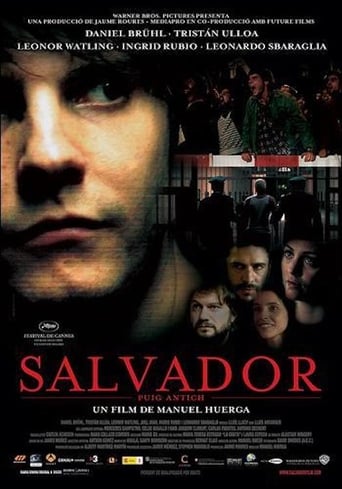
The story of Salvador Puig Antich, one of the last political prisoners to be executed under Franco's Fascist State in 1974.
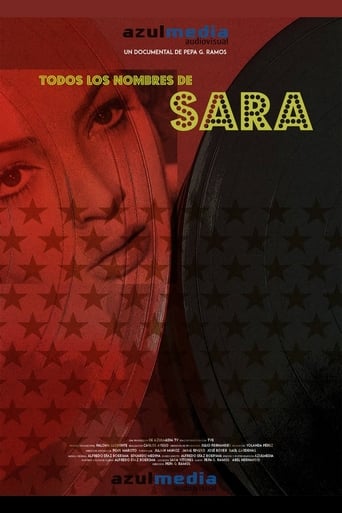
Born in Campo de Criptana, a small village in the Spanish region of La Mancha, Sara Montiel (1928-2013) conquered Mexico, Hollywood, and the hearts of people. The recognition of an unparalleled professional career, an intimate dialogue with a tireless worker who took the stage at the age of twelve and never got off. A movie star who seduced millions of viewers around the world, a singer who reinvented a musical genre, a woman who broke the mold…
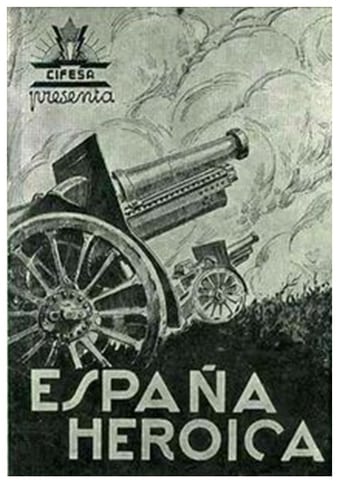
Documentary produced by Falange and edited in Berlin, in response to the international success of the Republican production "Spain 1936" (Le Chanois, 1937).
"El campo para el hombre" was a politically militant documentary about the small holdings of land in the north of Spain and the large estates in the south of the country. This film portrays the exploitation and misery of the Spanish peasants, but also their class-consciousness and their will to fight for their rights and freedom. The film was shot in the late years of Franco's dictatorship, so it was made in secrecy (the directors were connected to the Spanish Communist Party).
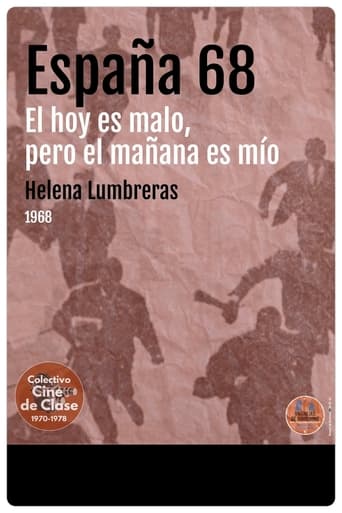
Spain, 1968. An analysis of the political and social situation of the country, suffocated by the boot of General Franco's tyrannical regime. (Filmed clandestinely in Madrid and Barcelona during the spring of 1968.)
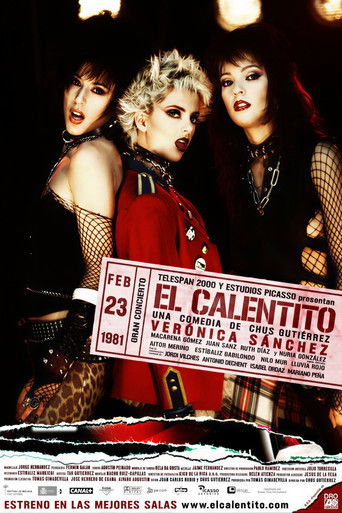
Early 80's, Sara is a good-family girl, she has never been with a man, does not drinks, does not take drugs. Following her love, she enters in "El Calentito" a bar where the group "las Siux" is singing.
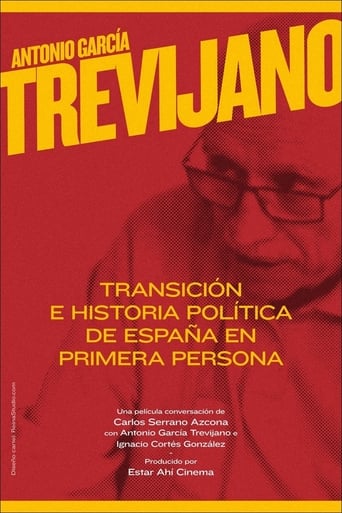
Spanish jurist and republican thinker Antonio García-Trevijano (1927-2018) expounds his political thought and reflects on the recent political history of Spain.
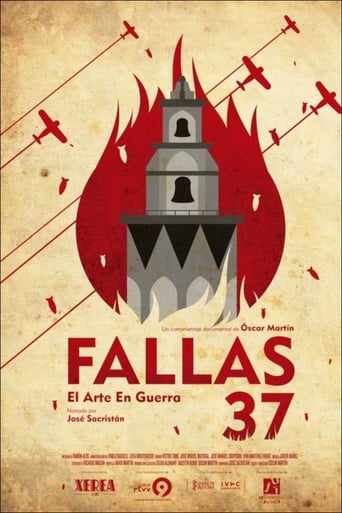
In November 1936, a few months since the beginning of the Spanish Civil War, the government of the Second Republic moves to Valencia. In this situation, several Valencian artists and intellectuals decide to build four fallas — satirical plasterboard sculptures created to be burnt — to mock fascism.
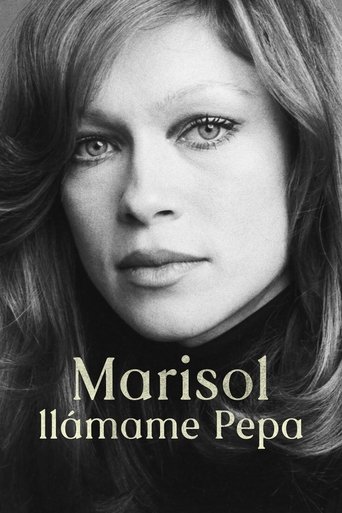
A portrait of the actress and singer Pepa Flores, an incarnation of the recent history of Spain, who, in just twenty-five years of intense career, went from being Marisol, child prodigy of the Franco dictatorship, to being one of the first communist militants, icon of the Transition; an idol of the masses who became a discreet person after having claimed her right to remain silent.
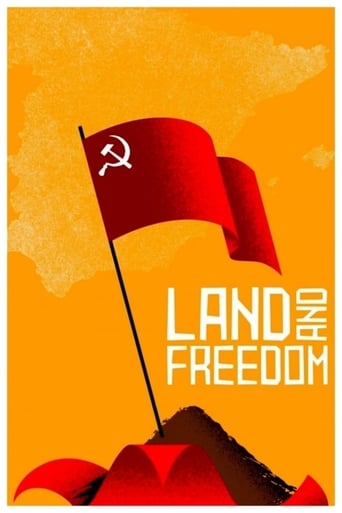
Summer 1936: young unemployed communist David Carr leaves Liverpool to join the fight against fascism in Spain. He joins an international group of Militia-men and women, the POUM (Partido Obrero de Unificación Marxista). After being wounded, he goes to Barcelona, where he joins another group of fighters.

One of the first (and perhaps therefore ambiguous) approaches to homosexuality in Spain at the time. The film narrates in cinematographic form the problem of the third sex, its justification and its existence within a real environment that is society itself. Two parallel worlds are shown to us; one, the hard and professional life of some artists who try to put on a 'music-hall' show. The other world is independent but it shows us what the life of an old glory was like, of an old man who was an artist in his time. Comparing one era with another is the intention of the film and ultimately its plot.

Spain, 1973. Dictator Francisco Franco has ruled the country since 1939 with an iron fist; but he is now a very old and sick man. The future of the weakened regime is in danger. Admiral Carrero Blanco is his natural successor. The Basque terrorist gang ETA decides that he must die to prevent the dictatorship from continuing.
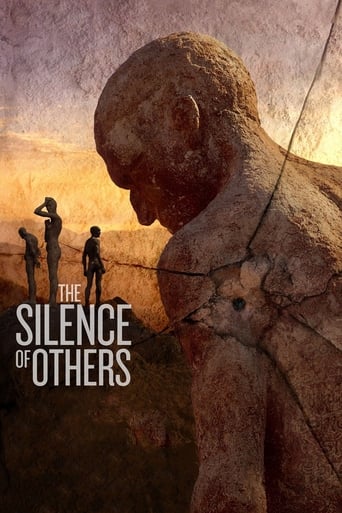
The story of the tortuous struggle against the silence of the victims of the dictatorship imposed by General Franco after the victory of the rebel side in the Spanish Civil War (1936-1975). In a democratic country, but still ideologically divided, the survivors seek justice as they organize the so-called “Argentinian lawsuit” and denounce the legally sanctioned pact of oblivion that intends to hide the crimes they were subjects of.
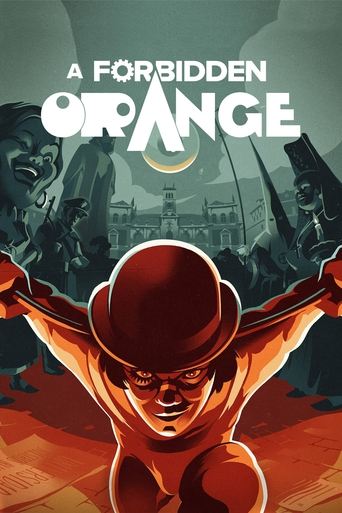
Spain, 1970s. A Clockwork Orange, a film considered by critics and audiences as one of the best works in the history of cinema, directed by Stanley Kubrick and released in 1971, was banned by the strict Franco government. However, the film was finally premiered, without going through censorship, during the 20th edition of the Seminci, the Valladolid Film Festival, on April 24, 1975. How was this possible?
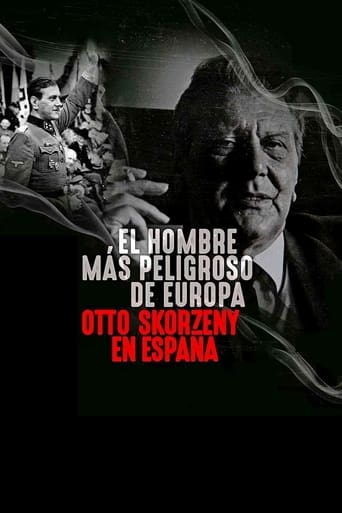
Waffen-SS officer Otto Skorzeny (1908-75) became famous for his participation in daring military actions during World War II. In 1947 he was judged and imprisoned, but he escaped less than a year later and found a safe haven in Spain, ruled with an iron hand by General Francisco Franco. What did he do during the many years he spent there?
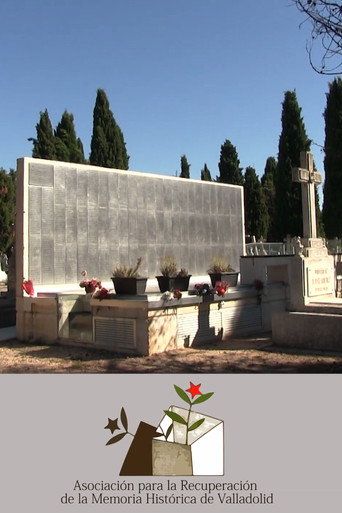

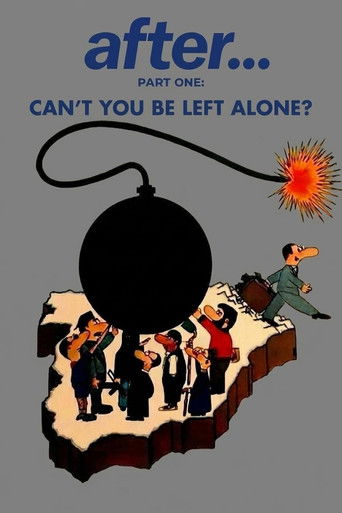
A history of the Spanish Transition told in first person by the main protagonists: on the one hand, the politicians, idealistic or merely opportunistic, who brought it to a successful conclusion in the tribunes and offices; on the other hand, the citizens who, in the streets, supported it sincerely or fought it with ferocity.
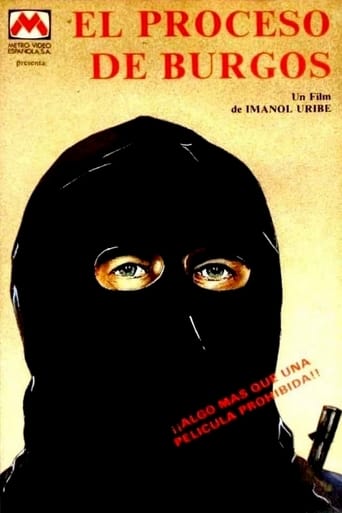
Documentary about the court martial held following the assassination of Melitón Manzanas, commissioner of the Political-Social Brigade of Guipúzcoa, in an attack carried out by ETA on August 2, 1968. The film includes a series of interviews and testimonies from those imprisoned and prosecuted in that court martial. Following the attack, a state of emergency was declared in Guipúzcoa and hundreds of people were arrested.
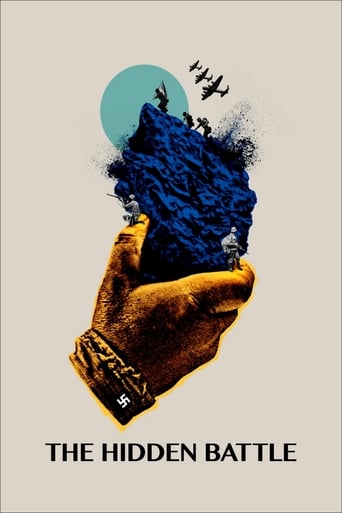
During the Second World War, the Allies threaten to attack Spain, an allegedly neutral country, if the Francoist regime keeps allowing Nazi Germany to extract Galician tungsten, a strategic mineral, paramount to the war effort.