A Man Named Lombardi
1971-01-01 · 55 min · Not rated
Explore the life of legendary football coach Vince Lombardi and learn how players including Paul Hornung, Sonny Jurgenson and Fuzzy Thurston viewed the man
Trailers are previews, not full movies.
No authorized playback source configured. Use the legal watch options below.
Production details
- Directors
- Terry Izenberg
- Production companies
- Unavailable
- Countries
- United States of America
- Status
- Released
Top Cast
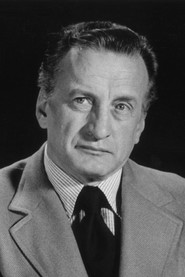 George C. Scott
Title information and images are supplied by TMDb. Explore our discovery guide for advice on comparing metadata and legal viewing options.
Where to watch
Availability provided by JustWatch via TMDb. Offers can change. Provider links are listed on TMDb; full playback requires a separately authorized source.
Availability not listed for this country.
Seasons & episodes
Recommendations

Through deeply personal interviews with her siblings and an examination of the photographs, letters, and belongings left behind, Mariska assembles a new portrait of her mother Jayne Mansfield, an extraordinary and complex woman.

An inside look at one of the most anticipated movie sequels ever with James Cameron and cast.

The life and career of an actor, artist, and icon. His own journey through his own camera.

In an intimate and joyful story of love in the face of loss, celebrated poets Andrea Gibson and Megan Falley find strength—and unexpected hilarity—in what might be their final year together.

Director Michael Apted revisits the same group of British-born adults after a 7 year wait. The subjects are interviewed as to the changes that have occurred in their lives during the last seven years.

A documentary about the life and films of director John Ford.
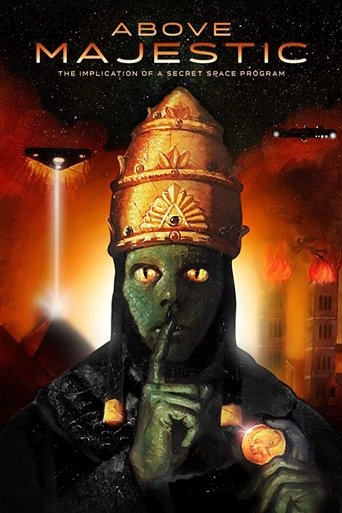
A look at the origins, history and conspiracies behind the "Majestic 12", a clandestine group of military and corporate figureheads charged with reverse-engineering extraterrestrial technology.

This revealing documentary honors the legendary Sidney Poitier—iconic actor, filmmaker, and civil rights activist. Featuring interviews with Denzel Washington, Spike Lee, Halle Berry, and more.
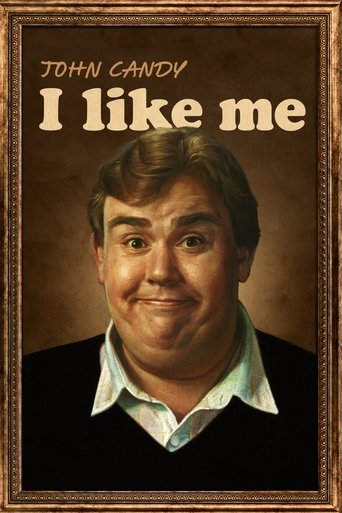
Those who knew iconic funnyman John Candy best share his story, in their own words, through never-before-seen archival footage, imagery, and interviews.
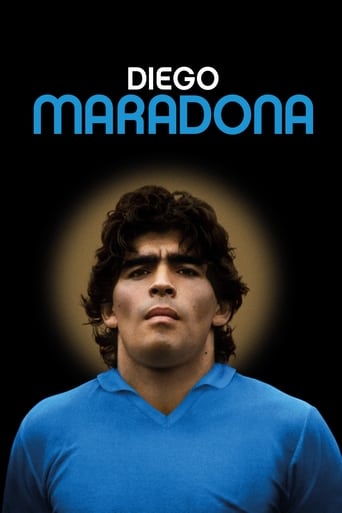
Constructed from over 500 hours of never-before-seen footage, this documentary centers on the personal life and career of the controversial football player Diego Maradona who played for SSC Napoli and Argentina in the 1980s.

A detailing of the rise to prominence and global sporting superstardom of six supremely talented young Manchester United football players (David Beckham, Nicky Butt, Ryan Giggs, Paul Scholes, Phil and Gary Neville). The film covers the period 1992-1999, culminating in Manchester United's European Cup triumph.
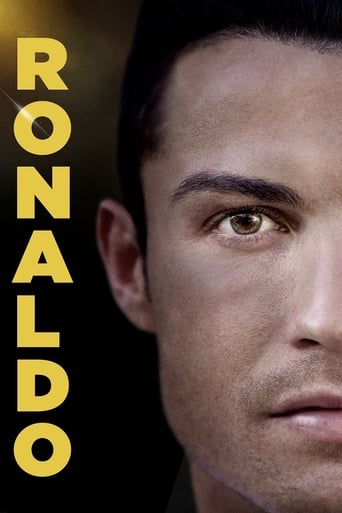
Filmed over 14 months with unprecedented access into the inner circle of the man and the sport, this is the first official and fully authorised film of one of the most celebrated figures in football. For the first time ever, the world gets vividly candid and un-paralleled, behind-closed-doors access to the footballer, father, family-man and friend in this moving & fascinating documentary. Through in-depth conversations, state of the art football footage and never before seen archival footage, the film gives an astonishing insight into the sporting and personal life of triple Ballon D'Or winner Cristiano Ronaldo at the peak of his career. From the makers of ‘Senna’ and ‘Amy’, Ronaldo takes audiences on an intimate and revealing journey of what it’s like to live as an iconic athlete in the eye of the storm.

A documentary about ten very different lives connected by having appeared onscreen wearing masks or helmets in Star Wars.

Al Pacino's deeply-felt rumination on Shakespeare's significance and relevance to the modern world through interviews and an in-depth analysis of "Richard III."

A compilation of over 30 years of private home movie footage shot by Lithuanian-American avant-garde director Jonas Mekas, assembled by Mekas "purely by chance", without concern for chronological order.

Director Michael Apted revisits the same group of British-born adults after a 7 year wait. The subjects are interviewed as to the changes that have occurred in their lives during the last seven years.

Daniel Craig candidly reflects on his 15 year adventure as James Bond. Including never-before-seen archival footage from Casino Royale to the upcoming 25th film No Time To Die, Craig shares his personal memories in conversation with 007 producers, Michael G Wilson and Barbara Broccoli.
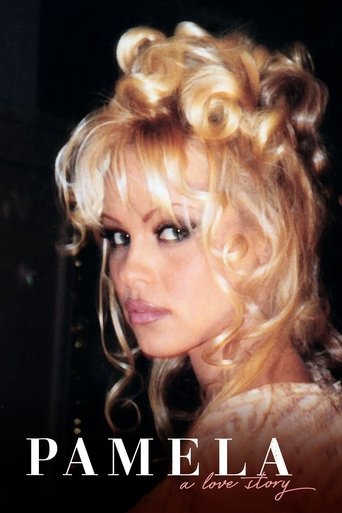
In her own words, through personal video and diaries, Pamela Anderson shares the story of her rise to fame, rocky romances and infamous sex tape scandal.
A backstage and on-stage look at Justin Bieber during his rise to super stardom.
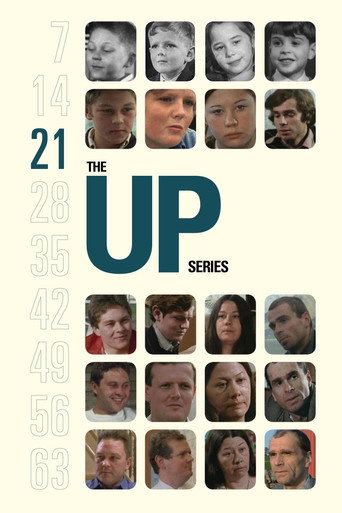
After another 7 year wait, director Michael Apted revisits the same group of British-born children from Seven Up! and 7 Plus Seven. The subjects are interviewed as to the changes that have occurred in their lives during the last seven years.
Similar titles

2006 was the Bears' best season in 21 years, as they ended the regular season just one win short of the Super Bowl. Relive every moment of the powerhouse season in which head coach Lovie Smith delivered on his plan to return the team to glory. Rex Grossman led the hard-hitting offense with 23 touchdown passes, while Devin Hester earned an NFL record for most touchdown returns in a single season in his first year with the franchise.

There’s high school football, and then there’s Texas high school football. Oddly enough though, one of the greatest teams in state history has been lost to time—and fate. “What Carter Lost” is the saga of that team, the 1988 Dallas Carter Cowboys. With 21 players who were offered college scholarships and several who went on to the NFL, Carter took on the best that Texas had to offer, including the Odessa Permian team that inspired Friday Night Lights, as well as the worst: in a racially charged state-wide dispute over one player’s algebra grade and Carter’s legitimacy. Somehow, the team won the championship that year. Yet not too long after, the legacy they worked so hard for was thrown away after a group of players made a terrible decision. With personal interviews with players, coaches and family members, as well as glimpses of their lives today, “What Carter Lost” is ultimately about what Carter found.
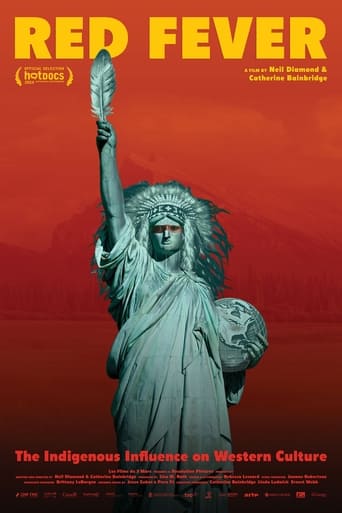
Red Fever is a witty and entertaining feature documentary about the profound -- yet hidden -- Indigenous influence on Western culture and identity. The film follows Cree co-director Neil Diamond as he asks, “Why do they love us so much?!” and sets out on a journey to find out why the world is so fascinated with the stereotypical imagery of Native people that is all over pop culture. Why have Indigenous cultures been revered, romanticized, and appropriated for so long, and to this day? Red Fever uncovers the surprising truths behind the imagery -- so buried in history that even most Native people don't know about them.
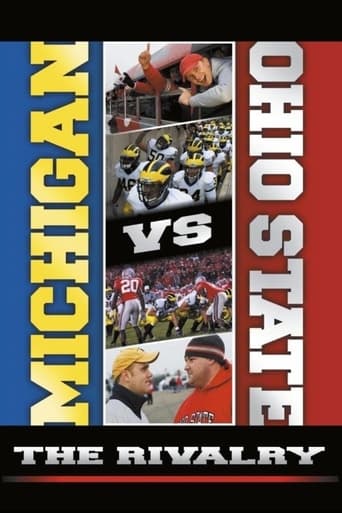
Steeped in a rich tradition dating back to their inaugural meeting in 1897, this rivalry extends beyond the pursuit of a Big Ten title, and is renewed each year through the pageantry and colliding cultures that distinguish the two schools.

Clayton Nonhof, a high schooler, learns how to process pressure.
THE BIKINI OPEN is a special-event, retro series featuring the best swimsuit, fitness, bikini, and modeling competitions from the early 90s.
Following the Minnesota Vikings’ introduction into the NFL in 1961, a strong defense was established, with Carl Eller, Jim Marshall, Alan Page, and Gary Larsen making up the core four that helped bring the team five NFC Championships, 10 division titles, and 19 Pro Bowl selections.
"The Last Season" follows the stadium's last year, the fans' communal last look, the witnessing of the wrecking ball and the great fall of the Memorial Wall.
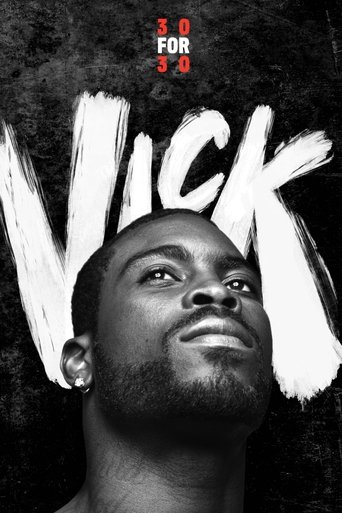
A comprehensive reminisce at each chapter of former NFL quarterback Michael Vick’s saga–the incredible rise, shocking fall and polarizing return.
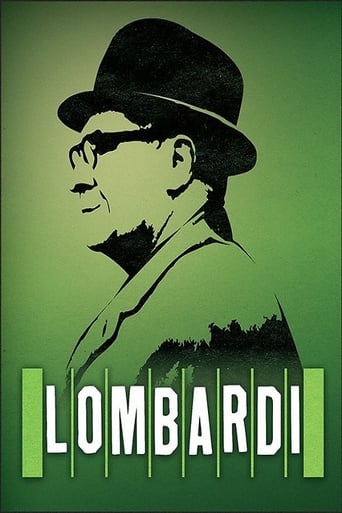
This compelling documentary explores the fascinating career and life of football's most revered coach, Vince Lombardi.
After losing his job, a record-holding professional football player refuses to sacrifice his blindingly obsessive dreams of returning to the NFL in the face of his new, harsh realities.

When Texas A&M left the Big 12 to join the Southeastern Conference, most college football observers assumed the Aggies were destined to languish in mediocrity. Yet, on-field competition would pale in comparison to the hurdles the Aggies had already overcome to make the move. In exclusive interviews, SEC Ready, the first feature film from TexAgs Films, recounts the politics, negotiations and broken promises that led A&M to the SEC. Once there, the Aggies defied doubters, went toe-to-toe with college football’s elite and proved they were SEC Ready.
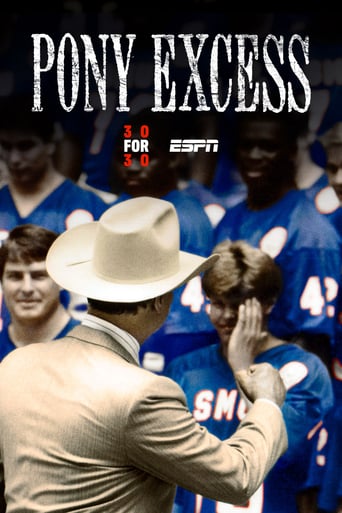
From 1981-1984, a small private school in Dallas owned the best record in college football. The Mustangs of Southern Methodist University were riding high on the backs of the vaunted "Pony Express" backfield. But as the middle of the decade approached, the program was coming apart at the seams. Wins became the only thing that mattered as the University increasingly ceded power of the football program to the city's oil barons and real estate tycoons and flagrant and frequent NCAA violations became the norm. In 1987, the school and the sport were rocked, as the NCAA meted out "the death penalty" on a college football program for the first and only time in its history. SMU would be without football for two years, and the fan base would be without an identity for 20 more until the win in the 2009 Hawaii Bowl. This is the story of Dallas in the 1980's and the greed, power, and corruption that spilled from the oil fields onto the football field and all the way to the Governor's Mansion.

Ricky Williams does not conform to America’s definition of the modern athlete. In 2004, with rumors of another positive marijuana test looming, the Miami Dolphins running back traded adulation and a mansion in South Florida for anonymity and a $7 a night tent in Australia. His decision created a media frenzy that dismantled his reputation and branded him as America's Pothead. But while most in the media thought Williams was ruining his life by leaving football, Ricky thought he was saving it. Through personal footage recorded with Williams during his time away from football and beyond, filmmaker Sean Pamphilon takes a fresh look at a player who had become a media punching bag and has since redeemed himself as a father and a teammate.
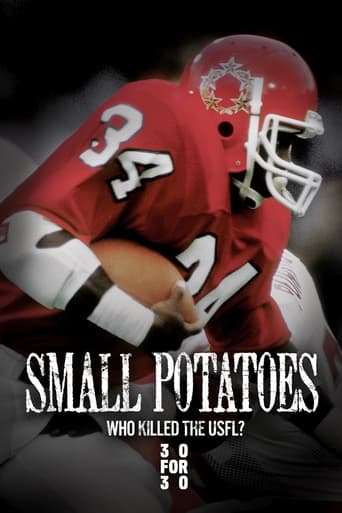
In 1983 the upstart United States Football League (USFL) had the audacity to challenge the almighty NFL. The new league did the unthinkable by playing in the spring and plucked three straight Heisman Trophy winners away from the NFL. The 12-team USFL played before crowds that averaged 25,000, and started off with respectable TV ratings. But with success came expansion and new owners, including a certain high profile and impatient real estate baron whose vision was at odds with the league’s founders. Soon, the USFL was reduced to waging a desperate anti-trust lawsuit against the NFL, which yielded an ironic verdict that effectively forced the league out of business. Now, almost a quarter of a century later, Academy Award-nominated and Peabody Award-winning director Mike Tollin, himself once a chronicler of the league, will showcase the remarkable influence of those three years on football history and attempt to answer the question, “Who Killed the USFL?”
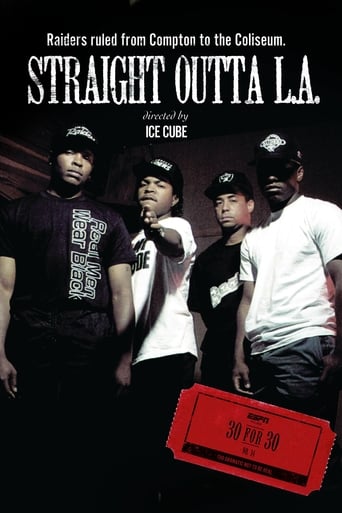
In 1982, the Raiders and owner Al Davis captivated black and Latino fans with swagger and charisma that matched the rapidly changing city.
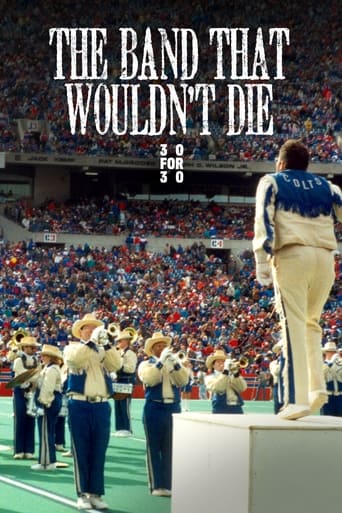
In late March of 1984, a moving company secretly packed up the Baltimore Colts’ belongings and its fleet of vans sneaked off in the darkness of the early morning. Leaving a city of deeply devoted fans in shock and disbelief. What caused owner Robert Irsay to turn his back on a town that was as closely linked to its team as any in the NFL? Academy Award-winning filmmaker Barry Levinson, himself a long-standing Baltimore Colts fanatic, will probe that question in light of the changing relationship of sports to community. Through the eyes of members of the Colts Marching Band, Levinson will illustrate how a fan base copes with losing the team that it loves.
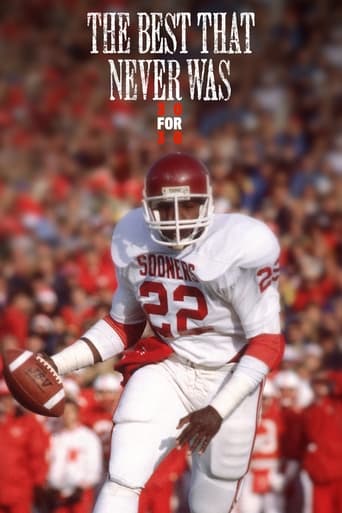
In 1981, college athletic recruiting changed forever as a dozen big-time football programs sat waiting for the decision by a physically powerful and lightning-quick high school running back named Marcus Dupree. On his way to eclipsing Herschel Walker’s record for the most touchdowns in high school history, Dupree attracted recruiters from schools in every major conference to his hometown of Philadelphia, Miss. More than a decade removed from being a flashpoint in the civil-rights struggle, Philadelphia was once again thrust back into the national spotlight. Dupree took the attention in stride, and committed to Oklahoma. What followed, though, was a forgettable college career littered with conflict, injury and oversized expectations. Eight-time Emmy Award winner Jonathan Hock will examine why this star burned out so young and how he ultimately used football to redeem himself.

“The NFL Today” on CBS was one of the preeminent sports programs on television in the early 1980s. It was a perfect combination of reporting, analysis, predictions, humor and talent. But there was no personality on the show more popular than Jimmy “The Greek” Snyder. Born in Steubenville, Ohio, to Greek immigrants, Jimmy overcame childhood tragedy, moved to Las Vegas, and eventually became the biggest name in the world of sports handicapping. When CBS added him as an “analyst” on “The NFL Today,” “The Greek” not only further increased his stature as a sort of national folk hero, but he also gained an air of respectability never before associated with gamblers. Peabody Award-winning filmmaker Fritz Mitchell, who broke in as an intern on “The NFL Today,” will examine Snyder’s impact on the growth of sports gambling, while also taking a fresh look at The Greek’s tragic downfall.

Throughout the 1980s, Miami, Florida, was at the center of a racial and cultural shift taking place throughout the country. Overwhelmed by riots and tensions, Miami was a city in flux, and the University of Miami football team served as a microcosm for this evolution. The image of the predominantly white university was forever changed when coach Howard Schnellenberger scoured some of the toughest ghettos in Florida to recruit mostly black players for his team. With a newly branded swagger, inspired and fueled by the quickly growing local Miami hip hop culture, these Hurricanes took on larger-than-life personalities and won four national titles between 1983 and 1991. Filmmaker Billy Corben, a Miami native and University of Miami alum, will tell the story of how these “Bad Boys” of football changed the attitude of the game they played, and how this serene campus was transformed into “The U.”