

Between Frames: The Art of Brazilian Animation
2013-09-01 · 99 min · ★ 5.7
Nearly century-old history, Brazilian animation brings rich and stimulating stories and characters that built the path until nowadays.
Trailers are previews, not full movies.
No authorized playback source configured. Use the legal watch options below.
Production details
- Directors
- Eduardo Calvet
- Production companies
- IDEOgraph
- Countries
- Brazil
- Status
- Released
Top Cast
 Marcos MagalhãesSelf
 MarãoSelf
 Zé BrandãoSelf
 Walbercy RibasSelf
 Rosana UrbesSelf
Title information and images are supplied by TMDb. Explore our discovery guide for advice on comparing metadata and legal viewing options.
Where to watch
Availability provided by JustWatch via TMDb. Offers can change. Provider links are listed on TMDb; full playback requires a separately authorized source.
Availability not listed for this country.
Seasons & episodes
Recommendations

The history of cinematic sound, told by legendary sound designers and visionary filmmakers.

This revealing documentary honors the legendary Sidney Poitier—iconic actor, filmmaker, and civil rights activist. Featuring interviews with Denzel Washington, Spike Lee, Halle Berry, and more.

Cameramen and women discuss the craft and art of cinematography and of the "DP" (the director of photography), illustrating their points with clips from 100 films, from Birth of a Nation to Do the Right Thing. Themes: the DP tells people where to look; changes in movies (the arrival of sound, color, and wide screens) required creative responses from DPs; and, these artisans constantly invent new equipment and try new things, with wonderful results. The narration takes us through the identifiable studio styles of the 30s, the emergence of noir, the New York look, and the impact of Europeans. Citizen Kane, The Conformist, and Gordon Willis get special attention.
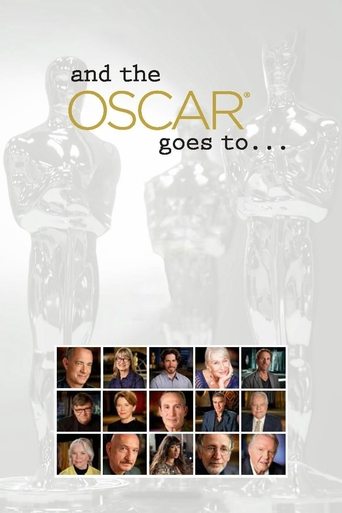
The story of the gold-plated statuette that became the film industry's most coveted prize, AND THE OSCAR GOES TO... traces the history of the Academy itself, which began in 1927 when Louis B. Mayer, then head of MGM, led other prominent members of the industry in forming this professional honorary organization. Two years later the Academy began bestowing awards, which were nicknamed "Oscar," and quickly came to represent the pinnacle of cinematic achievement.
An intimate documentary delving into Rian Johnson's process as he comes in as a director new to the Star Wars universe.
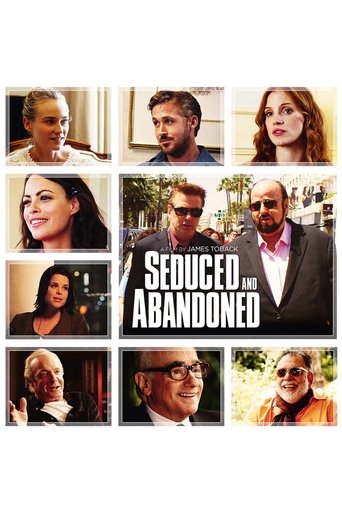
SEDUCED AND ABANDONED combines acting legend Alec Baldwin with director James Toback as they lead us on a troublesome and often hilarious journey of raising financing for their next feature film. Moving from director to financier to star actor, the two players provide us with a unique look behind the curtain at the world's biggest and most glamourous film festival, shining a light on the bitter-sweet relationship filmmakers have with Cannes and the film business. Featuring insights from directors Martin Scorsese, 'Bernando Bertolucci' and Roman Polanski; actors Ryan Gosling and Jessica Chastain and a host of film distribution luminaries.
From its distinctive neighborhoods to its architectural homes, Los Angeles has been the backdrop to countless movies. In this dazzling work, Andersen takes viewers on a whirlwind tour through the metropolis' real and cinematic history, investigating the myriad stories and legends that have come to define it, and meticulously, judiciously revealing the real city that lives beneath.

The story lives forever in this feature-length documentary that charts the making of Star Wars: The Rise of Skywalker.
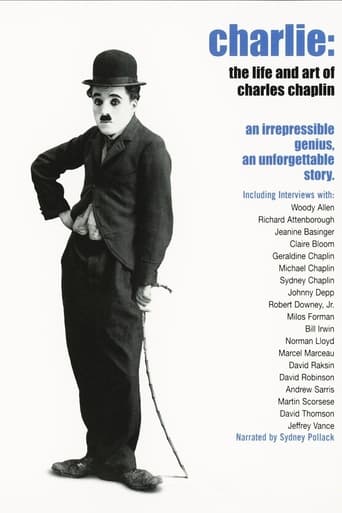
Brilliant, long in-the-works story of the life and art of the world's greatest comedian and the cinema's first genius, Charlie Chaplin. Produced, written and directed by renowned film critic Richard Schickel.

Retrospective documentary about the making of the horror cult classic "The Return of the Living Dead."

In an intimate and joyful story of love in the face of loss, celebrated poets Andrea Gibson and Megan Falley find strength—and unexpected hilarity—in what might be their final year together.
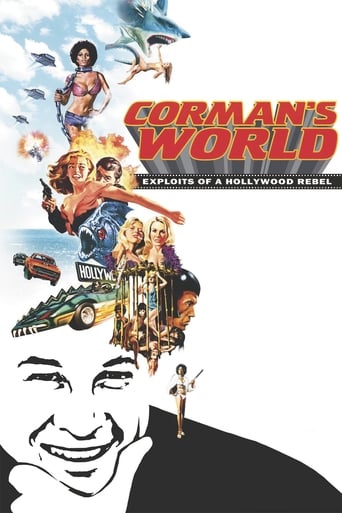
A chronicle of the long career of American filmmaker Roger Corman, the most tenacious and ingenious low-budget producer and director in the US film industry, a pioneer of independent filmmaking and discoverer of new talent.
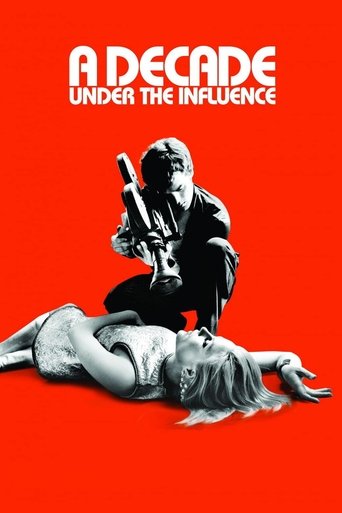
A documentary examining the decade of the 1970s as a turning point in American cinema. Some of today's best filmmakers interview the influential directors of that time.

A compilation of over 30 years of private home movie footage shot by Lithuanian-American avant-garde director Jonas Mekas, assembled by Mekas "purely by chance", without concern for chronological order.
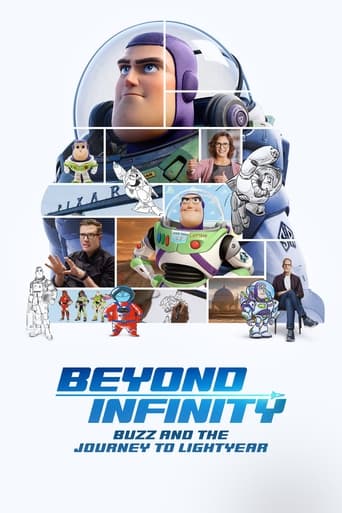
Explore the evolution of Buzz Lightyear from toy to human in the making of Pixar’s Lightyear. Dive into the origin and cultural impact of everyone’s favorite Space Ranger, the art of designing a new “human Buzz,” and the challenges faced by the Lightyear crew along the way.

In 2001 Jack Cardiff (1914-2009) became the first director of photography in the history of the Academy Awards to win an Honorary Oscar. But the first time he clasped the famous statuette in his hand was a half-century earlier when his Technicolor camerawork was awarded for Powell and Pressburger's Black Narcissus. Beyond John Huston's The African Queen and King Vidor's War and Peace, the films of the British-Hungarian creative duo (The Red Shoes and A Matter of Life and Death too) guaranteed immortality for the renowned cameraman whose career spanned seventy years.

The life and career of an actor, artist, and icon. His own journey through his own camera.

Featuring interviews with filmmakers and industry legends, discover the origins and evolution of The Joker, and learn why The Clown Prince of Crime is universally hailed as the greatest comic-book supervillain of all time.

Daniel Craig candidly reflects on his 15 year adventure as James Bond. Including never-before-seen archival footage from Casino Royale to the upcoming 25th film No Time To Die, Craig shares his personal memories in conversation with 007 producers, Michael G Wilson and Barbara Broccoli.
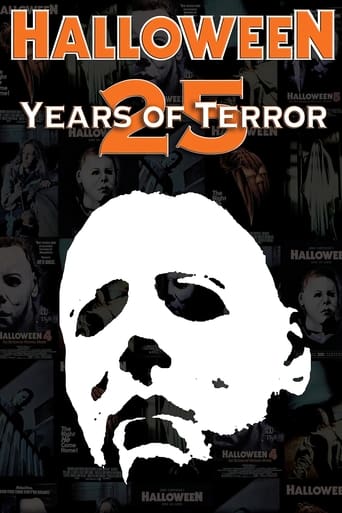
Follow the evolution of the 'Halloween' movies over the past twenty-five years. It examines why the films are so popular and revisits many of the original locations used in the films - seeing the effects on the local community. For the first time, cast, crew, critics and fans join together in the ultimate 'Halloween' retrospective.
Similar titles
A behind-the-scene look at the origins and evolution of the Academy Award-winning film.


Film critic Alejandro G. Calvo traces an audiovisual journey through the work of David Lynch trying to find clues to decipher his enigmatic universe.

The extraordinary life of Orson Welles (1915-85), an enigma of Hollywood, an irreducible independent creator: a musical prodigy, an excellent painter, a master of theater and radio, a modern Shakespeare, a magician who was always searching for a new trick to surprise his audience, a romantic and legendary figure who lived only for cinema.
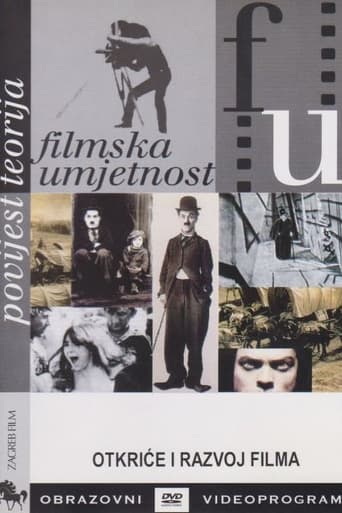
The birth date of film can be established: December 28, 1895. The place where it happened is also known: Paris, Boulevard des Capucines, Grand Caffe. It is also known who did it first: Louis Lumiere. However, the history of film starts in distant, almost unknown times: from drawings of cave people, through reliefs from Egyptian times, to the discovery of photography. Development of film technique: silent film, sound film, color film. Development of film expression: film as a recording of reality, film as an interpretation of reality, film as fiction or new reality. Development of film as an industry.
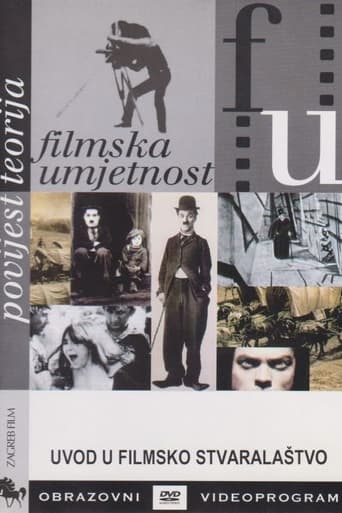
We live with films every day, and it seems nothing easier than answering the question: what is a film? Obviously, a film is, first and foremost, a document, a testimony of the world that surrounds us. The rich expressional possibilities of film are based on the imperfection of the human eye, its sluggishness, so thanks to the stroboscopic effect we can animate a still image. Film is therefore a kinetic image, or a moving image. It can make the invisible visible, bring the distant closer, enlarge the small, speed up the slow, slow down the fast, and return the end to the beginning. The technological basis of film: light, film tape, camera, projector, film screen. Expressive possibilities of film: scientific, documentary, communicative, artistic. Basic film genres: differences among films.

In 1936, the sound film had already been around for a decade. Nevertheless, Charlie Chaplin (1889-1977) made another silent film, "Modern Times", which only used sound effects as a dramaturgical device. Speaking is reserved for the apparatus alone. The film became a monument in the history of cinema for this very reason.
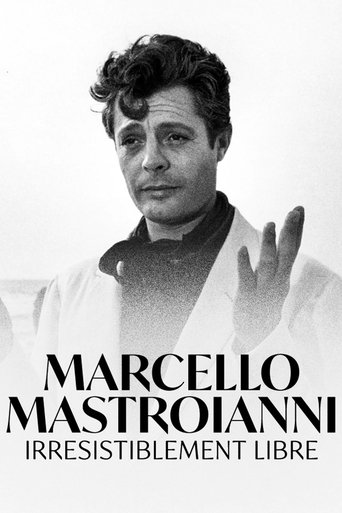
The 1960s opened with La Dolce Vita by Federico Fellini and its unforgettable lead: Marcello Mastroianni. The actor seemed to glide effortlessly through his roles — and through life — as if to say that life is not all that serious, or perhaps that it is far too serious not to be laughed at. But what kind of man was hiding behind the actor with the handsome, boyish looks, who appeared so gentle and nonchalant?

The story of iconic Spanish artist Susana Estrada's struggle against censorship and sexual repression during the turbulent years following the death of dictator Francisco Franco.

An animated documentary chronicling famed paranormal investigator Harry Price’s research at Borley Rectory, renowned as the ‘most haunted house in England’.
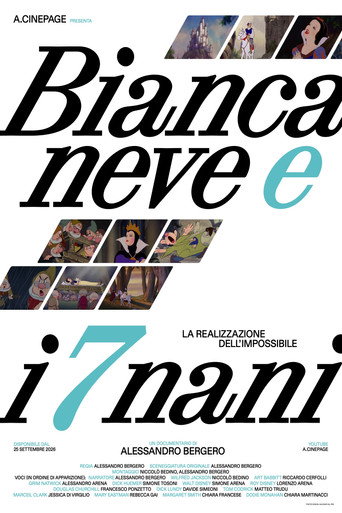
In 1934, Walt Disney set out to do what no one had dared before: transform animation, until then confined to short, rhythmic gags, into a feature-length film. Snow White and the Seven Dwarfs forced his studio to reinvent techniques, working methods, and even the art of visual storytelling itself. Amid delays, runaway budgets, and hundreds of artists at work, what seemed like madness turned into an unprecedented challenge. This is the story of making the impossible a reality.
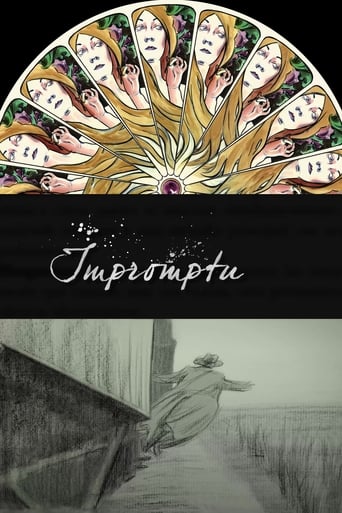
A journey to the origins of cinema, starting with its forgotten fathers: the pioneers who achieved moving images before 1895, the official year of the Lumière cinematograph. Through five studies by Frédéric Chopin, 'Impromptu' is also a tribute to the end of the 19th century, to its immortal muses, and to the fascination with movement itself.
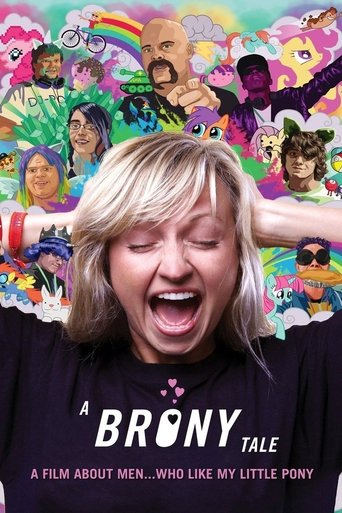
Vancouver-based voice artist Ashleigh Ball has been the voice of numerous characters in classic cartoons such as Care Bears, Strawberry Shortcake, Cinderella and more. When Ashleigh was hired to voice Apple Jack and Rainbow Dash for Hasbro's fourth series to use the My Little Pony name - My Little Pony: Friendship Is Magic - she had no idea she would become an Internet phenomenon and major celebrity to a worldwide fan-base of grownups. Bronies are united by their belief in the show's philosophy. This documentary gives an inside view of the Pony fan-world, and an intimate look at the courage it takes to just be yourself...even when that means liking a little girls' cartoon.
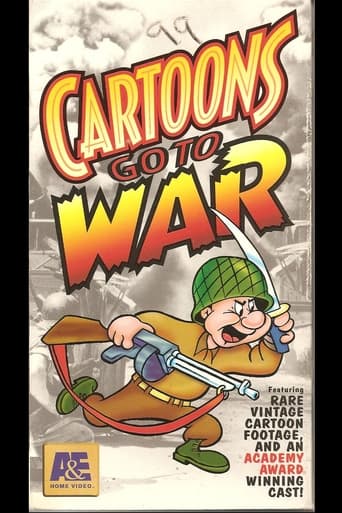
This remarkable documentary dedicates itself to an extraordinary chapter of the second World War – the psychological warfare of the USA. America’s trusted cartoon darlings from the studios of Warner Bros., Paramount, and the “big animals” of the Disney family were supposed to give courage to the people at the homefront, to educate them, but also to simultaneously entertain them. Out of this mixture grew a genre of its own kind – political cartoons. Insightful Interviews with the animators and producers from back then elucidate in an amusing and astonishing way under which bizarre circumstances these films partially came into existence.
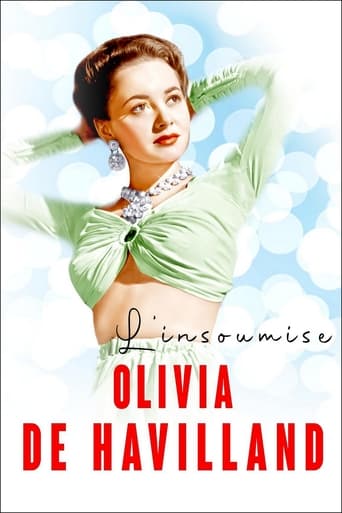
The legendary British-American actress Olivia de Havilland (1916-2020), who conquered Hollywood in the thirties, challenged the film industry when, in 1943, she took on the all-powerful producer Jack Warner in court, forever changing the ruthless working conditions that restricted the essential rights and freedom of artists.
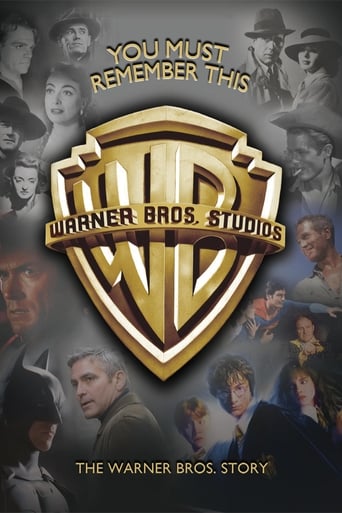
Jack L. Warner, Harry Warner, Albert Warner and Sam Warner were siblings who were born in Poland and emigrated to Canada near the turn of the century. In 1903, the brothers entered the budding motion picture business. In time, the Warner Brothers moved into film production and would open their own studio in 1923.
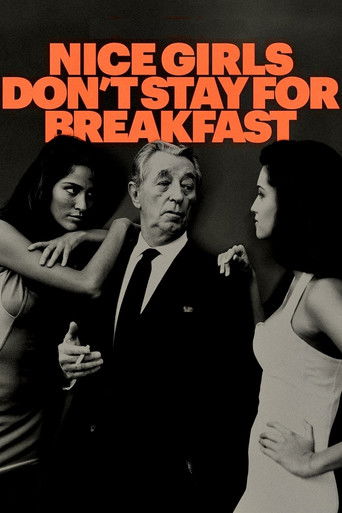
In the late 1990s, iconic photographer Bruce Weber barely managed to convince legendary actor Robert Mitchum (1917-97) to let himself be filmed simply hanging out with friends, telling anecdotes from his life and recording jazz standards.
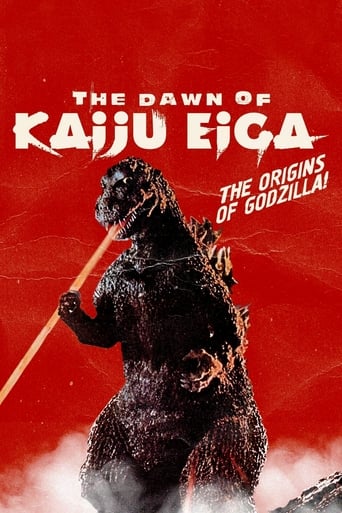
Japan, 1954. A legend emerges from the ashes of Hiroshima and Nagasaki, devastated by atomic bombs in 1945. The creature's name is Godzilla. The film that tells its story is the first of kaiju eiga, the giant monster movies.
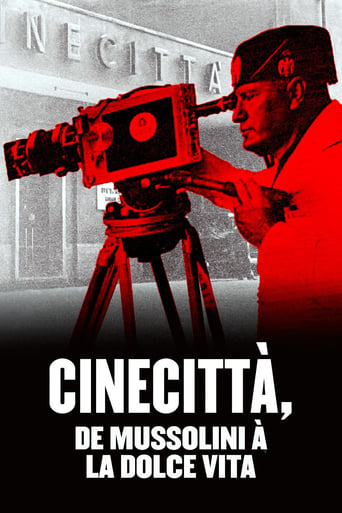
Cinecitta is today known as the center of the Italian film industry. But there is a dark past. The film city was solemnly inaugurated in 1937 by Mussolini. Here, propaganda films would be produced to strengthen the dictator's position.