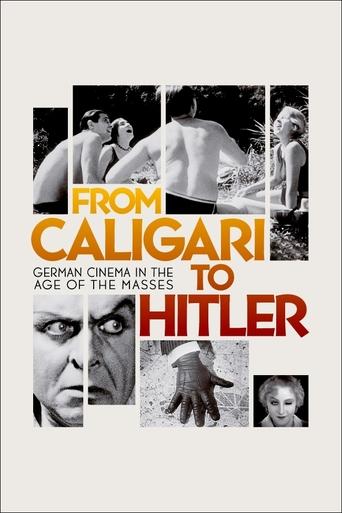
From Caligari to Hitler
2015-05-28 · 114 min · ★ 7.5
Film journalist and critic Rüdiger Suchsland examines German cinema from 1919, when the Republic of Weimar is born, to 1933, when the Nazis come into power. (Followed by Hitler's Hollywood, 2017.)
Trailers are previews, not full movies.
No authorized playback source configured. Use the legal watch options below.
Production details
- Directors
- Rüdiger Suchsland
- Production companies
- ZDF, LOOKSfilm, Friedrich Wilhelm Murnau Stiftung, ARTE
- Countries
- Germany
- Status
- Released
Top Cast
 Rüdiger SuchslandSelf - Narrator (voice)
 Volker SchlöndorffSelf - Filmmaker
 Fatih AkinSelf - Filmmaker
 Fritz LangSelf - Filmmaker (archive footage)
 Ernst LubitschSelf - Filmmaker (archive footage)
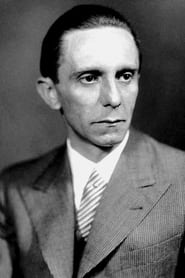 Joseph GoebbelsSelf - Politician (archive footage)
Title information and images are supplied by TMDb. Explore our discovery guide for advice on comparing metadata and legal viewing options.
Where to watch
Availability provided by JustWatch via TMDb. Offers can change. Provider links are listed on TMDb; full playback requires a separately authorized source.
Availability not listed for this country.
Seasons & episodes
Recommendations

The history of cinematic sound, told by legendary sound designers and visionary filmmakers.
This unique cinematic experience dives deep into an artist’s work and reveals his life path, inspiration, and creative process. It explores his fascination with myth and history. Past and present are interwoven to diffuse the line between film and painting, allowing the audience to be completely immersed in the remarkable world of one of the greatest contemporary artists, Anselm Kiefer. Wim Wenders shot this unique portrait over the course of two years in stunning 3D.

Filmed over 14 months with unprecedented access into the inner circle of the man and the sport, this is the first official and fully authorised film of one of the most celebrated figures in football. For the first time ever, the world gets vividly candid and un-paralleled, behind-closed-doors access to the footballer, father, family-man and friend in this moving & fascinating documentary. Through in-depth conversations, state of the art football footage and never before seen archival footage, the film gives an astonishing insight into the sporting and personal life of triple Ballon D'Or winner Cristiano Ronaldo at the peak of his career. From the makers of ‘Senna’ and ‘Amy’, Ronaldo takes audiences on an intimate and revealing journey of what it’s like to live as an iconic athlete in the eye of the storm.

Through deeply personal interviews with her siblings and an examination of the photographs, letters, and belongings left behind, Mariska assembles a new portrait of her mother Jayne Mansfield, an extraordinary and complex woman.

Oliver Stone charts the history of the United States from the Second World War to the present.
A backstage and on-stage look at Justin Bieber during his rise to super stardom.
Wolfgang Beltracchi got away with forging art masterpieces for over 40 years. He may be egotistical and nihilistic, but his genius in undeniable. He managed to fool gallery owners, historians and investors with the stroke of a brush. This documentary follows his last days as a free man.

A documentary highlighting the Soviet Union's legendary and enigmatic hockey training culture and world-dominating team through the eyes of the team's Captain Slava Fetisov, following his shift from hockey star and celebrated national hero to political enemy.
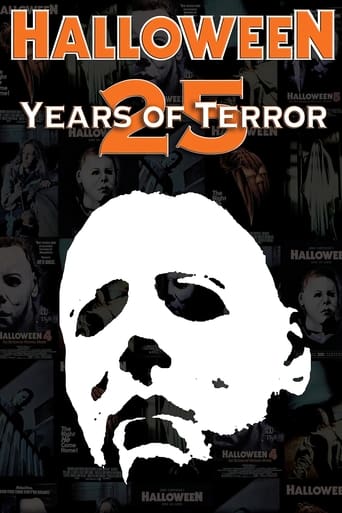
Follow the evolution of the 'Halloween' movies over the past twenty-five years. It examines why the films are so popular and revisits many of the original locations used in the films - seeing the effects on the local community. For the first time, cast, crew, critics and fans join together in the ultimate 'Halloween' retrospective.

The epic life story of Alice Guy-Blaché (1873–1968), a French screenwriter, director and producer, true pioneer of cinema, the first person who made a narrative fiction film; author of hundreds of movies, but banished from history books. Ignored and forgotten. At last remembered.

As a visually radical memoir, CAMERAPERSON draws on the remarkable footage that filmmaker Kirsten Johnson has shot and reframes it in ways that illuminate moments and situations that have personally affected her. What emerges is an elegant meditation on the relationship between truth and the camera frame, as Johnson transforms scenes that have been presented on Festival screens as one kind of truth into another kind of story—one about personal journey, craft, and direct human connection.

Prelude to War was the first film of Frank Capra's Why We Fight propaganda film series, commissioned by the Pentagon and George C. Marshall. It was made to convince American troops of the necessity of combating the Axis Powers during World War II. This film examines the differences between democratic and fascist states.

Marcel Ophuls' riveting film details the heinous legacy of the Gestapo head dubbed "The Butcher of Lyon." Responsible for over 4,000 deaths in occupied France during World War II, Barbie would escape—with U.S. help—to South America in 1951, where he lived until a global manhunt led to his 1983 arrest and subsequent trial.
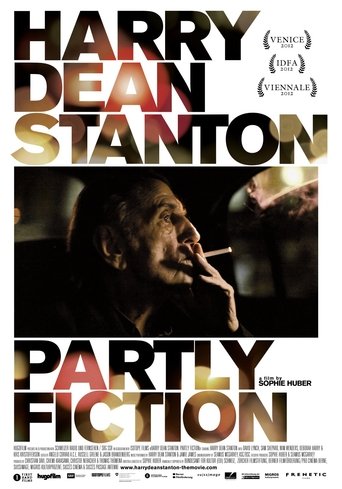
An impressionistic portrait of the iconic actor Harry Dean Stanton comprised of intimate moments, film clips from some of his 250 films and his renditions of American folk songs.

Retrospective documentary about the making of the horror cult classic "The Return of the Living Dead."
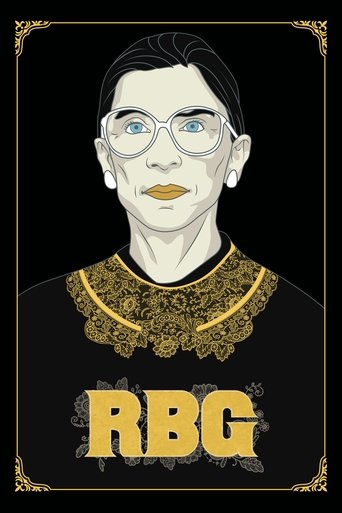
Justice Ruth Bader Ginsburg now 84, and still inspired by the lawyers who defended free speech during the Red Scare, Ginsburg refuses to relinquish her passionate duty, steadily fighting for equal rights for all citizens under the law. Through intimate interviews and unprecedented access to Ginsburg’s life outside the court, RBG tells the electric story of Ginsburg’s consuming love affairs with both the Constitution and her beloved husband Marty—and of a life’s work that led her to become an icon of justice in the highest court in the land.
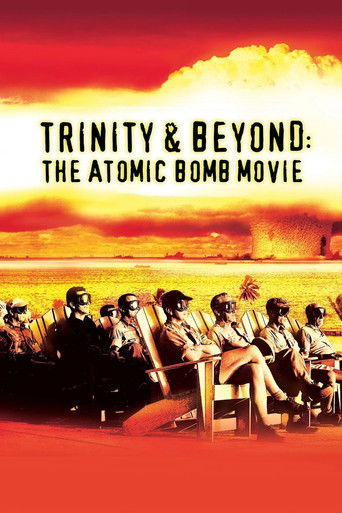
"Trinity and Beyond" is an unsettling yet visually fascinating documentary presenting the history of nuclear weapons development and testing between 1945-1963. Narrated by William Shatner and featuring an original score performed by the Moscow Symphony Orchestra, this award-winning documentary reveals previously unreleased and classified government footage from several countries.
A look at the origins, history and conspiracies behind the "Majestic 12", a clandestine group of military and corporate figureheads charged with reverse-engineering extraterrestrial technology.

Documentary filmmaker Amy Berg investigates the life of 30-year pedophile Father Oliver O'Grady and exposes the corruption inside the Catholic Church that allowed him to abuse countless children. Victims' stories and a disturbing interview with O'Grady offer a view into the troubled mind of the spiritual leader who moved from parish to parish gaining trust ... all the while betraying so many.
Experience the meteoric rise of Oasis through rare footage and untold stories as the band reunites for Oasis Live '25, chronicling their journey from Manchester streets to global rock stardom.
Similar titles
In 1967, experimental filmmaker Jorgen Leth created a striking short film, The Perfect Human, starring a man and women sitting in a box while a narrator poses questions about their relationship and humanity. Years later, Danish director Lars von Trier made a deal with Leth to remake his film five times, each under a different set of circumstances and with von Trier's strictly prescribed rules. As Leth completes each challenge, von Trier creates increasingly further elaborate stipulations.
September 1st, 1939. Nazi Germany invades Poland. The campaign is fast, cruel and ruthless. In these circumstances, how is it that ordinary German soldiers suddenly became vicious killers, terrorizing the local population? Did everyone turn into something worse than wild animals? The true story of the first World War II offensive that marks in the history of infamy the beginning of a carnage and a historical tragedy.
New York, 1937. A teenager hired to star in Orson Welles' production of Julius Caesar becomes attracted to a career-driven production assistant.

A look at the life of legendary American pilot Amelia Earhart, who disappeared while flying over the Pacific Ocean in 1937 in an attempt to make a flight around the world.
The film looks at men and women of color in the U.S. Merchant Marine from 1938-1975. Through chronicling the lives of these men and women who, with a median age of 82, are beset with a host of life-threatening illnesses, the movie tells how they navigated issues of racism, disparities in the workplace, gender and familial relations.
An account of the revolutionary years of the legendary American journalist John Reed, who shared his adventurous professional life with his radical commitment to the socialist revolution in Russia, his dream of spreading its principles among the members of the American working class, and his troubled romantic relationship with the writer Louise Bryant.

Filmed in the coal country of West Virginia, "Matewan" celebrates labor organizing in the context of a 1920s work stoppage. Union organizer, Joe Kenehan, a scab named "Few Clothes" Johnson and a sympathetic mayor and police chief heroically fight the power represented by a coal company and Matewan's vested interests so that justice and workers' rights need not take a back seat to squalid working conditions, exploitation and the bottom line.
Spurred by a white woman's lie, vigilantes destroy a black Florida town and slay inhabitants in 1923.

Summer 1936 - The Berlin Olympics, organized by the Nazi regime on the eve of World War II, acted as a grand showcase for a Germany that was athletic, peaceful and rejuvenated. The violence and hate that until then had reigned in the streets of Berlin suddenly vanished. Adolf Hitler became the triumphant host of European countries he would soon try to invade or face in a deadly global conflict.
A variety of scientific subjects, including the laboratory of a plastic surgeon in London, and his method for applying permanent makeup; a new school for kiddies employing finger paint so they can express their urge to put things on paper; Army aviation, showing the latest development in blind landing. Produced in Cinecolor.

When looking at Pedro Almodóvar’s filmography, it becomes evident that women are everywhere; in fact, his work revolves around them. His divas are the best to create a real portrait of Almodóvar and evoke the emotional power of his films. These women are the ideal observers of a cinematic career that, from La Mancha to Hollywood, has changed the image of Spain in the world.
An exploration —manipulated and staged— of life in Las Hurdes, in the province of Cáceres, in Extremadura, Spain, as it was in 1932. Insalubrity, misery and lack of opportunities provoke the emigration of young people and the solitude of those who remain in the desolation of one of the poorest and least developed Spanish regions at that time.
In 1920, a combat flight training school named "Willows" is founded in California. People who want to fight for Korea’s independence from Japan gather at the school. Their mission is to bomb the palace of the Japanese emperor. The pilots’ ardent desire for Korea’s independence grows, but as they prepare for their mission, a spy in the school ruins their plans. However, KIM Ja-jung and the other pilots manage to get on board for what will most likely be their last flight.
Year 1936. As villages across Palestine rise against British colonial rule, Yusuf drifts between his rural home and the restless energy of Jerusalem, longing for a future beyond the growing unrest. But history is relentless. With rising numbers of Jewish immigrants escaping antisemitism in Europe and some arriving with nefarious Zionist-colonial ambitions, and the Palestinian population uniting in the largest and longest uprising against Britain’s 30-year dominion, all sides spiral towards inevitable collision in a decisive moment for the British Empire and the future of the entire region.
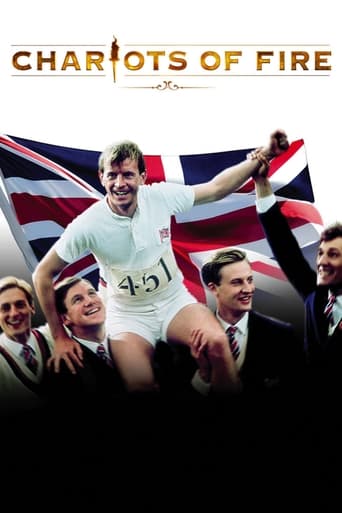
In the class-obsessed and religiously divided UK of the early 1920s, two determined young runners train for the 1924 Paris Olympics. Eric Liddell, a devout Christian born to Scottish missionaries in China, sees running as part of his worship of God's glory and refuses to train or compete on the Sabbath. Harold Abrahams overcomes anti-Semitism and class bias, but neglects his beloved sweetheart in his single-minded quest.
Petrograd, Soviet Union, 1920s. Boris Letush, devastated by a personal tragedy, feels the need to put his conscience and his principles before the demands of the cruel system he serves, where law and justice are systematically ignored.
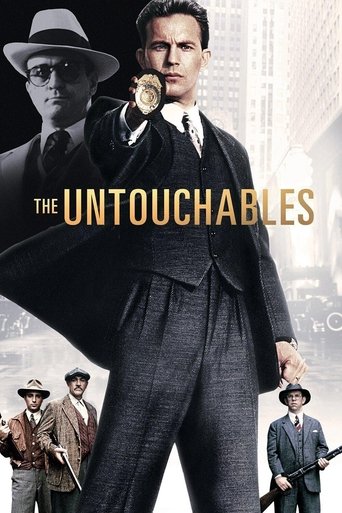
Elliot Ness, an ambitious prohibition agent, is determined to take down Al Capone. In order to achieve this goal, he forms a group given the nickname “The Untouchables”.

In the years before World War II, a penniless Japanese child is torn from her family to work as a maid in a geisha house.
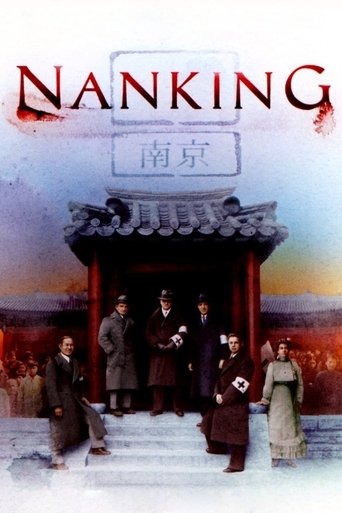
The story of the rape of Nanking, one of the most tragic events in history. In 1937, the invading Japanese army murdered over 200,000 and raped tens of thousands of Chinese. In the midst of this horror, a small group of Western expatriates banded together to save 250,000. Nanking shows the tremendous impact individuals can make on the course of history.

The story takes us back to 1930 and centres around Antoine de Saint-Exupéry, an Airmail pilot in Argentina. When his best friend who happens to be Airmail’s best pilot Henri Guillaumet disappears in the Andes, Saint-Ex decides to set out in search of him, against all odds. This impossible quest forces him to push beyond his limits, turning his capacity to dream into his greatest strength...