Il Campanello
2010-06-29 · 61 min · ★ 6.0
IL CAMPANELLO DI NOTTE, Farce in one act by Gaetano Donizetti, is set in Naples. Don Annibale Pistacchio, an old apothecary, have just married the young Serafina. Enrico, former lover of Serafina, interrupts constantly the wedding night showing on several disguises and calling at Pistacchio's drugstore by ringing the night bell, asking the unfortunate groom a preposterous list of prescriptions.
Trailers are previews, not full movies.
No authorized playback source configured. Use the legal watch options below.
Production details
- Directors
- Pietro Ballo
- Production companies
- Kicco Classic
- Countries
- Italy
- Status
- Released
Top Cast
Title information and images are supplied by TMDb. Explore our discovery guide for advice on comparing metadata and legal viewing options.
Where to watch
Availability provided by JustWatch via TMDb. Offers can change. Provider links are listed on TMDb; full playback requires a separately authorized source.
Availability not listed for this country.
Seasons & episodes
Recommendations
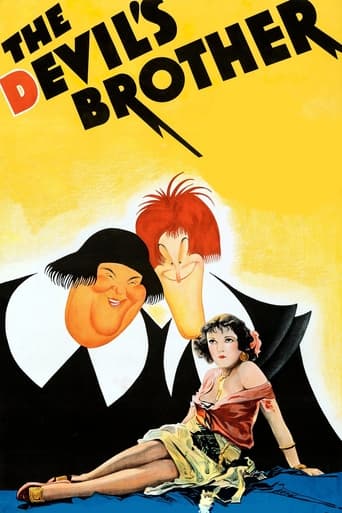
Two wannabe bandits join the service of a dashing nobleman, who secretly masquerades as Fra Diavolo, a notorious outlaw.
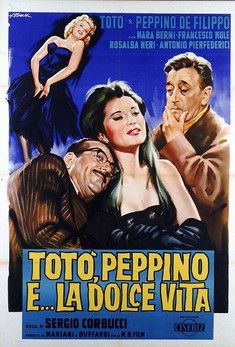
Antonio goes to Rome to represent his fellow peasants, to request a highway that will be built in their region. But the guy is mastered by 'la dolce vita' and wastes the money entrusted to him for his mission. When Peppino is sent to to find out what happened, he lets himself be trapped by the gentle grip of 'la dolce vita'
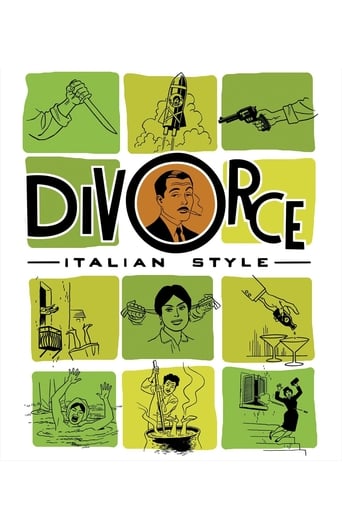
Ferdinando Cefalù is desperate to marry his cousin, Angela, but he is married to Rosalia and divorce is illegal in Italy. To get around the law, he tries to trick his wife into having an affair so he can catch her and murder her, as he knows he would be given a light sentence for killing an adulterous woman. He persuades a painter to lure his wife into an affair, but Rosalia proves to be more faithful than he expected.
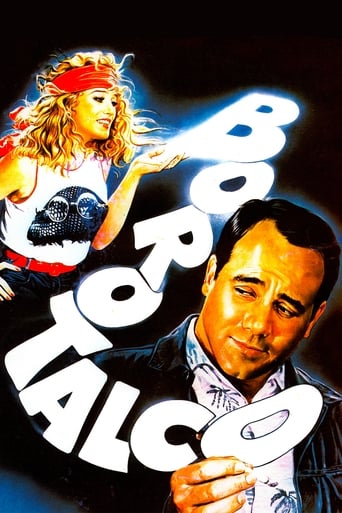
Sergio Benvenuti is a shy seller of contracts for a Roman company of music, but because of his character he cannot find even a customer, so he asks for help from a fellow named Nadia.

When a young couple buys their dream home, they have no idea what the sweet little old lady upstairs is going to put them through!
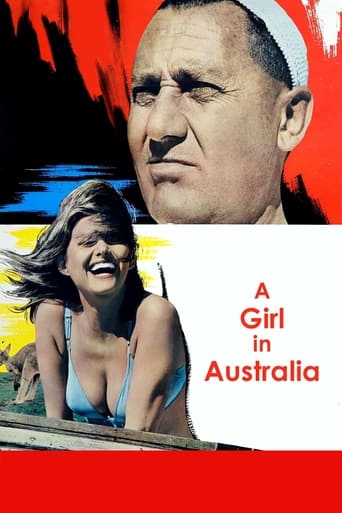
The film is about an old fashioned Italian with moral values of the 1930/40's , who has to find a wife in the modern, woman's liberated society of Australia of the 1960/70's.
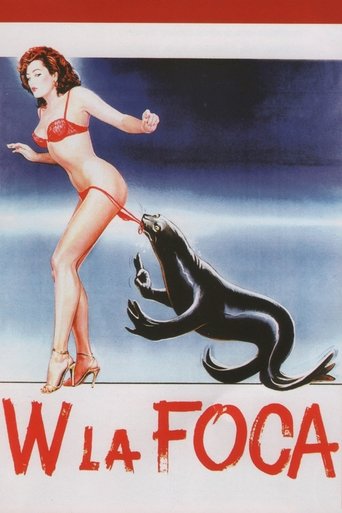
Andrea, a nice girl, move from Veneto (north of Italy) to Roma. She is employed as a nurse in a medical practice. She soon is involved in a never-ending game of misunderstanding, couples exchange, sexual seductions.
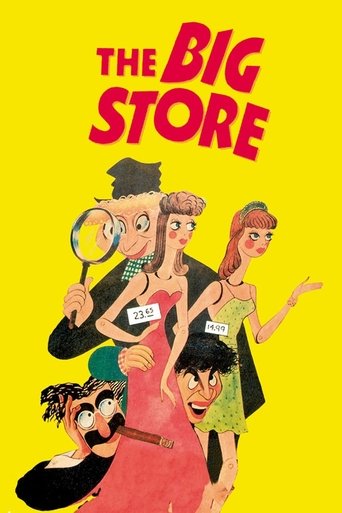
A detective is hired to protect the life of a singer, who has recently inherited a department store, from the store's crooked manager.
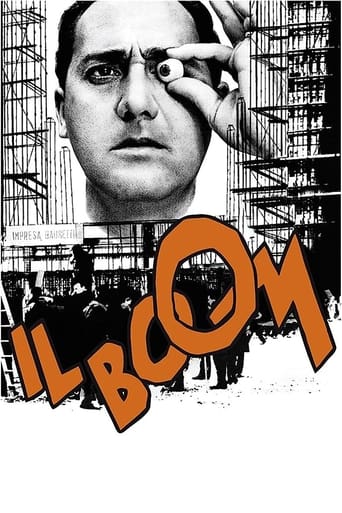
Sweet-sour comedy on Italy's 1950s rage to get rich as fast as possible! The businessman wants to satisfy his wife's craving for luxury and a "respectable life" so he becomes heavily indebted. In desperation he agrees to sell a precious part of his body for a large sum of money. But just before the crucial operation he panics...
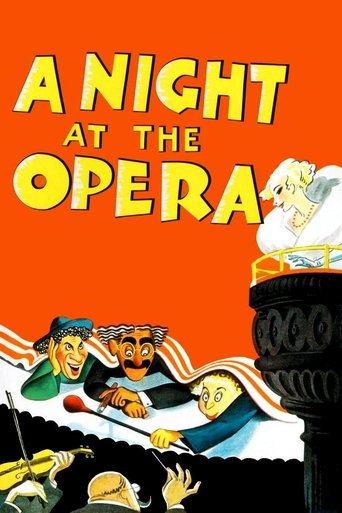
The Marx Brothers take on high society and the opera world to bring two lovers together. A sly business manager and two wacky friends of two opera singers help them achieve success while humiliating their stuffy and snobbish enemies.
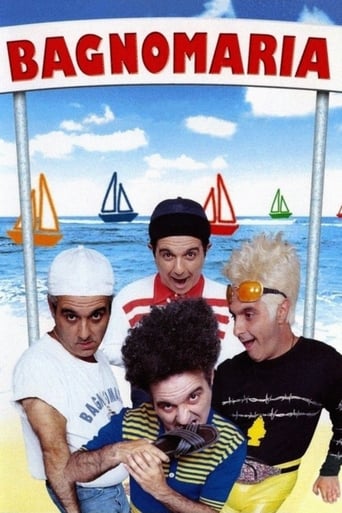
In Pietrasanta all are excited for the annual party of summer end. Here we find four characters: Merigo, a naive guy passionate of bike; Pierre, son of the mayor; Simone, a pestiferous kid; Mario, lifeguard of "Bagnomaria".
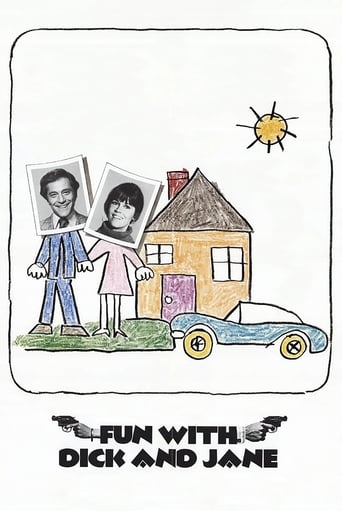
When an upwardly mobile couple find themselves unemployed and in debt, they turn to armed robbery in desperation.
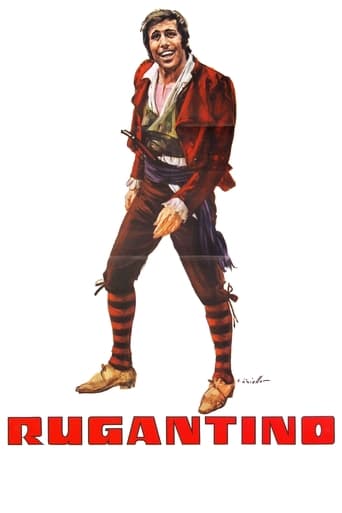
A beautiful girl Rosina lives In Rome. Her husband is strong as a bull and jealous as Shakespeare's Othello. Once the husband of Rosina kills a wealthy aristocrat, who sang the serenade to his wife, and now he is hiding from justice.
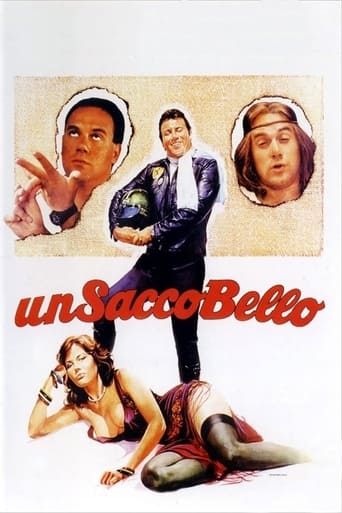
Three characters' misadventures in semi-deserted, summertime Rome: a dim-witted mama's boy falls for a tourist; a would-be womanizer struggles to find company for his sex tourism trip to Kraków; a hippie is drawn into his father's schemes to bring him back into polite society.
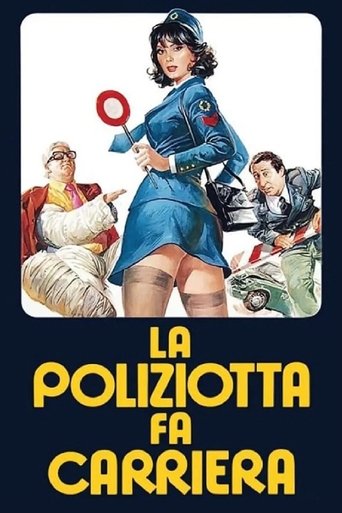
Gianna Amicucci works in the house of the head of her hometown police force and enters the academy with a kickback from him. She is a beautiful woman (she generously sheds clothes during the film) and has to overcome her male colleagues prejudices, but she gains their respect through a series of brilliant operations.
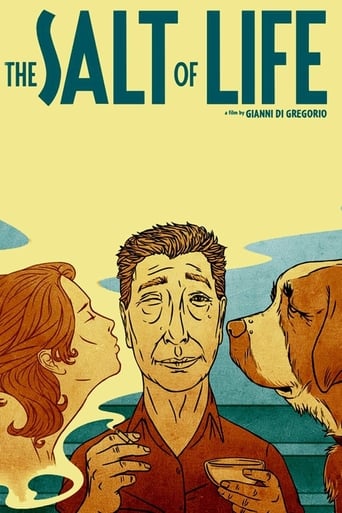
Gianni is sixty. He is retired but has not become lazy for all that. In fact he is a helpful fellow who gives a hand to all those who need one: shopping for his wife, walking the pretty neighbor's dog, and so on. Everybody likes Gianni, but is it for the right reasons? Doesn't his wife profit by the situation (she still works so it is only logical that Gianni do all the chores)? Isn't he subject to the excruciating whims of his rich mother?... Sure, everybody LIKES Gianni, but who LOVES him? Agreed, being kind to them, he is the ladies pet, but he does not attract them anymore. That is why, when his macho lawyer friend Alfonso blames him for not having young mistresses "like every other senior Italian male", Gianni, who is beginning to ask himself questions about what it is like to become old, starts chasing dames.
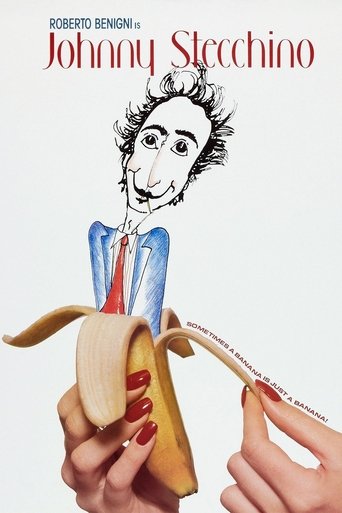
Good hearted but not very wordly-wise, Dante is happy driving the school bus for a group of mentally handicapped children, while feeling he is somehow missing out on life and love. So he is very excited when after nearly being knocked down by her car he meets Maria, who seems immediately enamoured of him. He is soon invited to her sumptuous Palermo villa, little suspecting that this is part of a plot. He bears an amazing likeness to Maria's stool-pigeon gangster husband and it would be convenient for them if the mobster, in the shape of Dante, was seen to be dead and buried.
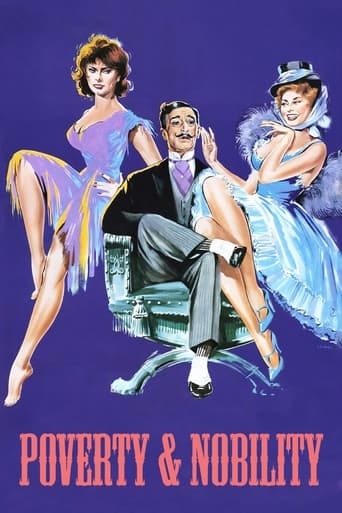
Eugene, a young nobleman, asks two penniless idlers to impersonate his noble relatives to help him marry Gemma, the daughter of an enriched cook.
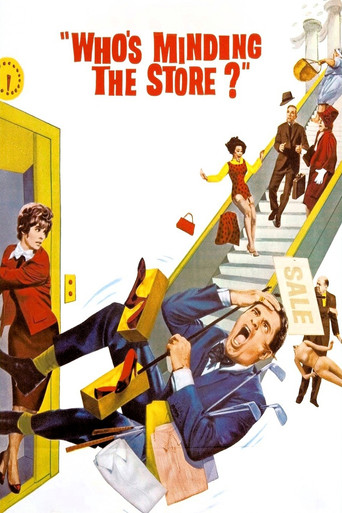
Norman Phiffer, a proud man in a humble life, doesn't know that his girlfriend, Barbara, is heir to the Tuttle Department Store dynasty. Mrs. Tuttle, Barbara's mother, is determined to split the two lovers, and hires Norman in an attempt to humiliate him enough that Barbara leaves him. Will she ruin their love, or will he ruin her store?
Gilberto, 50enne, si fa coinvolgere in una cosiddetta speed-date, una gara in cui i protagonisti devono trovare un partner in 3 minuti. Arrestato, deve confessare tutto in presenza della moglie che lo sbatte fuori di casa. Rifugiatosi da amici scopre che il suo migliore amico è amante della moglie e comincia a tentare di avviare nuove relazioni che falliscono tutte.
Similar titles

Pyotr Ilyich Tchaikovsky's 1879 opera, adapted from Alexander Pushkin's novel. Performed by the Finnish National Opera. Filmed on 20 December 2024 and streamed by Operavision.
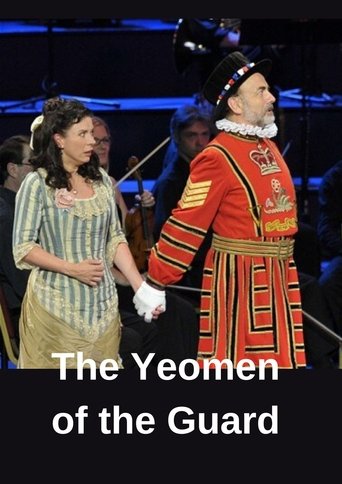
Gilbert and Sullivan's operetta performed at the Royal Albert Hall.
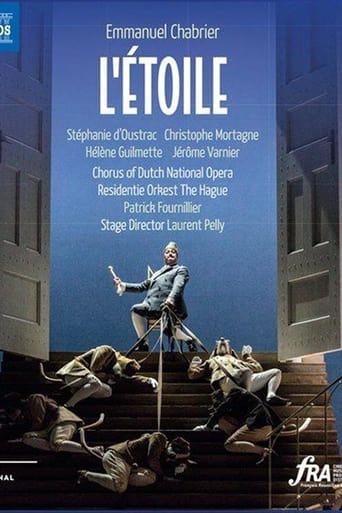
L’Étoile did much to establish Chabrier as a major force on the Parisian stage and his contemporary Henri Duparc praised him specifically for creating a French comic genre, both funny and musical – described as something of a French Die Meistersinger. The fanciful story is set in an imaginary kingdom and all, naturally, ends well. However, despite the slight plot line L’Étoile is something of a pivotal work, a unique example of French 19th-century light opera, orchestrated with great sophistication and flooded with gossamer wit.

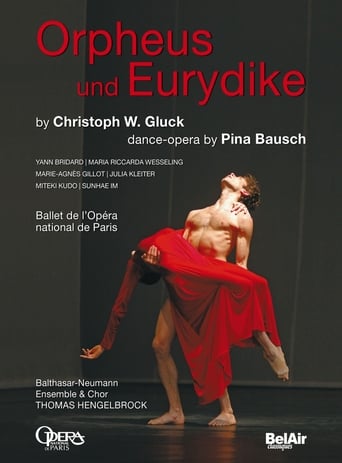
The Ballet de l'Opera National de Paris mounted this production of the late Pina Bausch's dance-opera Orpheus und Eurydike, which Bausch had adapted from composer Christoph Willibald-Gluck and Ranieri de' Calzabigi's 1762 opera Orfeo ed Euridice. As the title suggests, it takes its basic narrative from the myth of Orpheus, and his courageous but ill-fated attempt to rescue his lover Eurydice (also known as Eurydike) from the jaws of the underworld. This particular production finds Yann Bridard dancing as Orpheus and Marie-Agnès Gillot dancing as Eurydike , with mezzo-soprano Maria-Riccarda Wesseling accompanying Bridard and soprano Julia Kleiter accompanying Wesseling. Pina Bausch did the choreography and stage direction, while Rolf Borzik designed the sets, costumes and lighting. The Balthasar-Neumann Ensemble & Choir, under the direction of Thomas Hengelbrock, lend musical accompaniment.
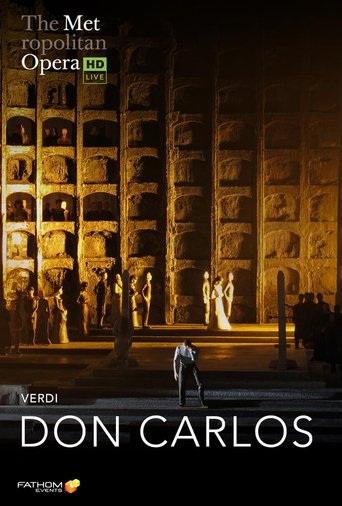
For the first time in company history, the Met presents the original five-act French version of Verdi’s epic opera of doomed love among royalty, set against the backdrop of the Spanish Inquisition. Patrick Furrer leads a world-beating cast of opera’s leading lights in this March 26 performance, including tenor Matthew Polenzani in the title role, soprano Sonya Yoncheva as Élisabeth de Valois, and mezzo-soprano Elīna Garanča as Eboli. Bass Günther Groissböck and bass-baritone John Relyea are Philippe II and the Grand Inquisitor, and baritone Étienne Dupuis rounds out the all-star principal cast as Rodrigue. Verdi’s masterpiece receives a monumental new staging by David McVicar that marks his 11th Met production, placing him among the most prolific and popular directors in recent Met memory. This live cinema transmission is part of the Met’s award-winning Live in HD series, bringing opera to movie theaters across the globe.
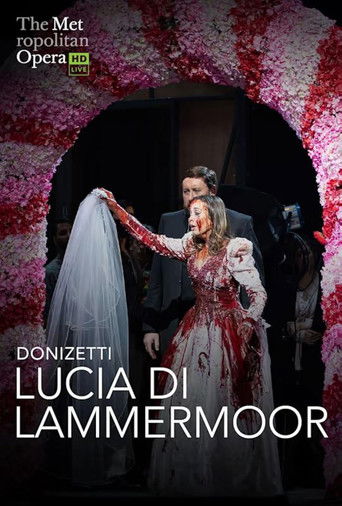
On May 21, soprano Nadine Sierra takes on one of the repertory’s most formidable and storied roles, the haunted heroine of Lucia di Lammermoor, in an electrifying new staging by in-demand Australian theater and film director Simon Stone, conducted by Riccardo Frizza. Show-stopping tenor Javier Camarena adds to the bel canto fireworks as Lucia’s beloved, Edgardo, with baritone Artur Ruciński as her overbearing brother, Enrico, and bass Matthew Rose as her tutor, Raimondo. This live cinema transmission is part of the Met’s award-winning Live in HD series, bringing opera to movie theaters across the globe.
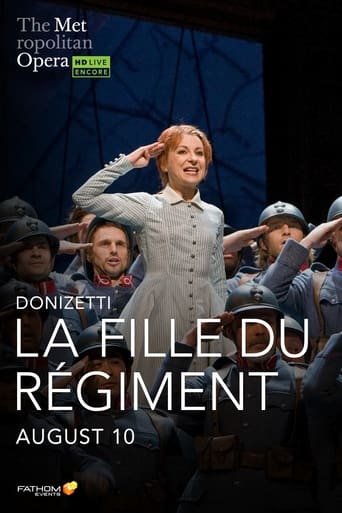
Madcap physical comedy and impeccable coloratura come together for Natalie Dessay’s indelible portrayal of the feisty tomboy raised by a regiment of French soldiers. Juan Diego Flórez is the young Swiss villager who conquers her heart—and a slew of high Cs. Also featuring uproarious performances by Felicity Palmer and Alessandro Corbelli, as well as a cameo by Tony Award winner Marian Seldes, this laugh-out-loud production was a runaway hit that left audiences exhilarated.
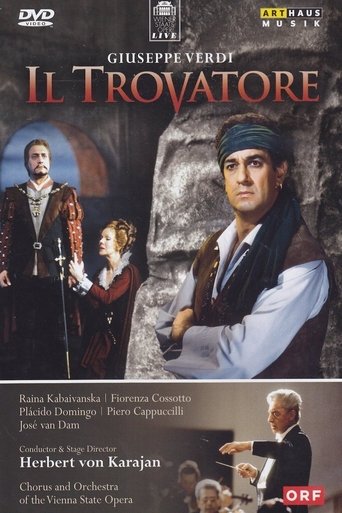
The gypsy Azucena (Fiorenza Cossotto) takes revenge for her mother who was accused of putting a curse on one of the old Count di Luna's two sons: she decides to abduct the younger child and throw it in the flames. But when she is about to carry out this fatal act, the gypsy sacrifices her own child and keeps the old Count’s son, whom she names Manrico (IL TROVATORE, Plácido Domingo). Later, as adults, the troubadour Manrico and the Count di Luna’s elder son (Piero Cappucilli) do not know each other, but become rivals for the beautiful Leonora (Raina Kabaivanska). Manrico succeeds in winning the young woman’s heart, and she sacrifices herself for him, deceiving the Count’s son. Mad with jealousy, the latter orders the execution of the troubadour in front of his mother. Azucena reveals to him that Manrico was his brother. This legendary performance of Giuseppe Verdi's most successful opera was recorded at the Vienna State Opera under the baton of Herbert von Karajan.
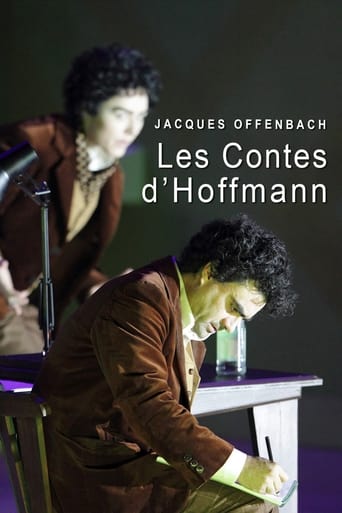
Live performance, Bayerische Staatsoper, 2011. The Tales of Hoffmann (French: LES CONTES D'HOFFMANN) is an opéra fantastique by Jacques Offenbach that combines three short stories by E.T.A. Hoffmann into a haunting whole: a melancholy poet reflects on three women he loved and lost in the past: a mechanical performing doll, a Venetian courtesan, and the consumptive daughter of a celebrated composer. One of the questions this opera poses for any director is how to link the 'tales' of Hoffmann's three lost loves together and knit them satisfactorily into the Prologue and Epilogue. In this production, Richard Jones solves the puzzle by turning it into an autobiographical journey which ends with a grand meet-up of all the characters Hoffmann has encountered: for once, Hoffmann is not presented as a rollicking kind of drunken story-spinner, but rather a sad-eyed, sobered-up depressive, who reaches for the bottle only because his disastrous love life has gone wrong yet again.
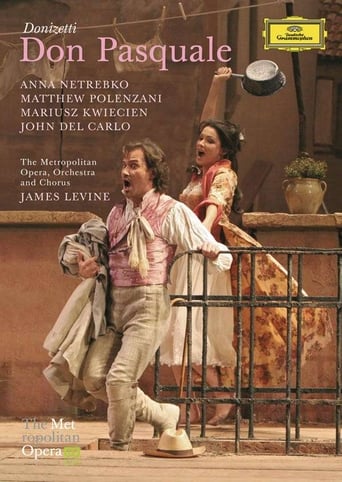
Donizetti’s timeless comedy shines in Otto Schenk’s enchanting production, conducted by James Levine and featuring a remarkable cast. The incomparable Anna Netrebko is Norina, the young widow beloved by Ernesto (a suave Matthew Polenzani), who is about to be disinherited by his miserly uncle, Don Pasquale (John Del Carlo). It takes the clever scheming of Dr. Malatesta (Mariusz Kwiecien) to set things right and to teach the old curmudgeon a lesson—fits of temper, mistaken identities, and all kinds of comic confusion included.
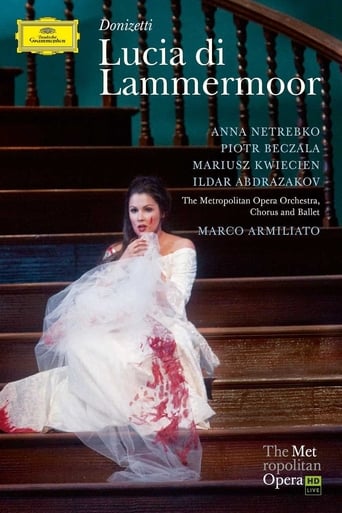
Star soprano Anna Netrebko adds Donizetti’s hapless heroine to her growing list of Met triumphs in this production by Mary Zimmerman that updates the events to the 19th century. Rising young tenor sensation Piotr Beczała is Edgardo and Mariusz Kwiecien plays Lucia’s brother Enrico whose brutal authority forces her to deny her heart and marry for the sake of her family. The famous mad scene brilliantly depicts the cascading fragments of Lucia’s disintegrating mind.
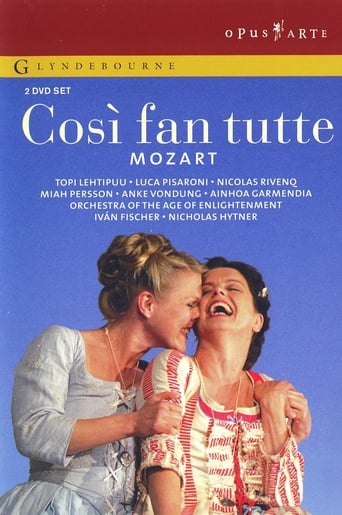
Mozart's genius in setting to music da Ponte's comic play of love, infidelity and forgiveness marks COSI FAN TUTTE as one of the great works of art from the Age of Enlightenment. Nicholas Hytner's beautiful new production, with its sure touch and theatrical know-how, lives up to its promise to be "shockingly traditional" as Iván Fischer teases artful performances from an outstanding international cast of convincing young lovers.
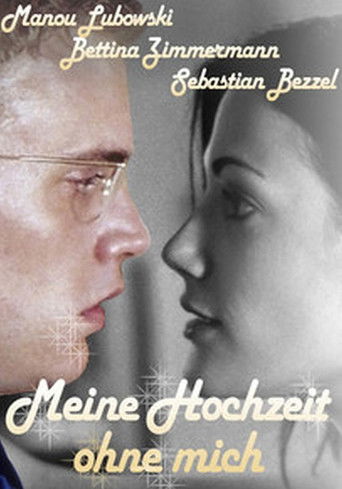
Sometimes he feels a tugging in his shoulder, sometimes he thinks his kidneys are failing. Two weeks before his marriage to the beautiful Anne, junior architect Stefan seems to have gathered all the diseases in the world. Drawn from the stress of the wedding preparations, the hypochondriac is in top form. When he overhears a phone call from the family doctor, he mistakenly thinks he is a dead man. Now a substitute husband is needed for Anne.
Dorothea Roeschmann, Katharina Kammerloher, Hanno Mueller-Brachmann, Werner Guera, Daniela Bruera, and Roman Trekel star in this 2002 Deutsche Staatsoper production of the Mozart opera conducted by Daniel Barenboim.

Lumee, one of the two main characters (of the opera p r i s m), sings this aria while smoking outside a nightclub in the second act, providing a window into her selfish fantasies. Not a recorded section of the opera, but a companion piece meant to depict the character's imagined realities.
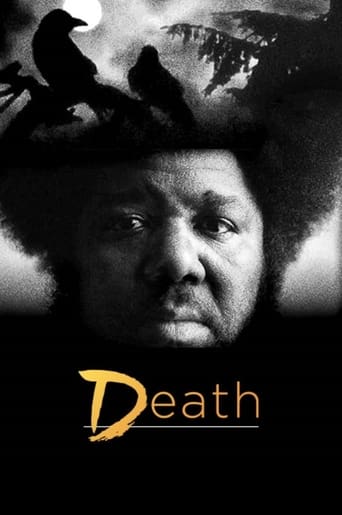
An operatic film adaptation of the poem by Paul Laurence Dunbar of the same name.

A dead woman wanders through the shadowy space between memory and reality, tracing the lines of her identity through the land she once walked—an immigrant in death as in life.
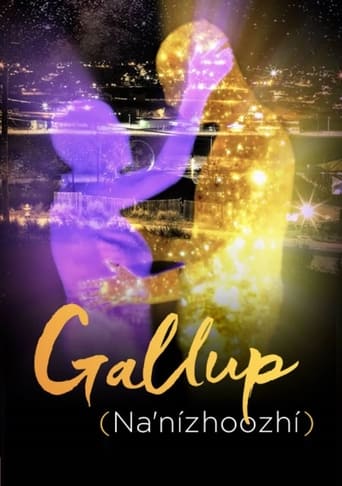
Two mystical beings emerge from the scenery, embarking on a journey through Gallup— Na'nízhoozhí in the Navajo language— before melting back into the desert at nightfall.

This short begins with a pair thriving in a lush paradise representing the Garden of Eden. The pair are suddenly uprooted and driven to the unknown: the original sin of slavery. In the end, they dig their roots into the soil and stretch their limbs to the sun, finding new identities, new truths and new power.