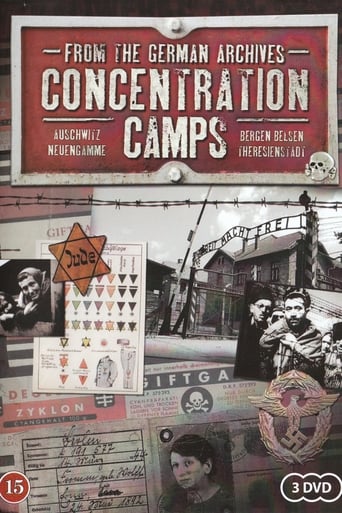
The Liberation of Auschwitz
1986-08-13 · 53 min · ★ 7.7
This chilling, vitally important documentary was produced to mark the 40th anniversary of the liberation of Auschwitz Concentration Camp. The film contains unedited, previously unavailable film footage of Auschwitz shot by the Soviet military forces between January 27 and February 28, 1945 and includes an interview with Alexander Voronsov, the cameraman who shot the footage. The horrifying images include: survivors; camp visit by Soviet investigation commission; criminal experiments; forced laborers; evacuation of ill and weak prisoners with the aid of Russian and Polish volunteers; aerial photos of the IG Farben Works in Monowitz; and pictures of local people cleaning up the camp under Soviet supervision. - Written by National Center for Jewish Film
Trailers are previews, not full movies.
No authorized playback source configured. Use the legal watch options below.
Production details
- Directors
- Irmgard von zur Mühlen
- Production companies
- Chronos Media
- Countries
- Poland
- Status
- Released
Top Cast
Cast unavailable.
Title information and images are supplied by TMDb. Explore our discovery guide for advice on comparing metadata and legal viewing options.
Where to watch
Availability provided by JustWatch via TMDb. Offers can change. Provider links are listed on TMDb; full playback requires a separately authorized source.
Availability not listed for this country.
Seasons & episodes
Recommendations

When Allied forces liberated the Nazi concentration camps in 1944-45, their terrible discoveries were recorded by army and newsreel cameramen, revealing for the first time the full horror of what had happened. Making use of British, Soviet and American footage, the Ministry of Information’s Sidney Bernstein (later founder of Granada Television) aimed to create a documentary that would provide lasting, undeniable evidence of the Nazis’ unspeakable crimes. He commissioned a wealth of British talent, including editor Stewart McAllister, writer and future cabinet minister Richard Crossman – and, as treatment advisor, his friend Alfred Hitchcock. Yet, despite initial support from the British and US Governments, the film was shelved, and only now, 70 years on, has it been restored and completed by Imperial War Museums under its original title "German Concentration Camps Factual Survey".

A love letter from a young mother to her daughter, the film tells the story of Waad al-Kateab’s life through five years of the uprising in Aleppo, Syria as she falls in love, gets married and gives birth to Sama, all while cataclysmic conflict rises around her. Her camera captures incredible stories of loss, laughter and survival as Waad wrestles with an impossible choice– whether or not to flee the city to protect her daughter’s life, when leaving means abandoning the struggle for freedom for which she has already sacrificed so much.

A subjective documentary that explores various theories about hidden meanings in Stanley Kubrick's classic film The Shining. Five very different points of view are illuminated through voice over, film clips, animation and dramatic reenactments.
Documentary about war photographer James Nachtwey, considered by many the greatest war photographer ever.
Documentary about legendary Paramount producer Robert Evans, based on his famous 1994 autobiography.
A detailed account of the life and artistic career of legendary filmmaker Quentin Tarantino, from his early days as a video club manager to the scandalous fall in disgrace of producer Harvey Weinstein. A story about how to shoot eight great movies and become an icon of modern pop culture.
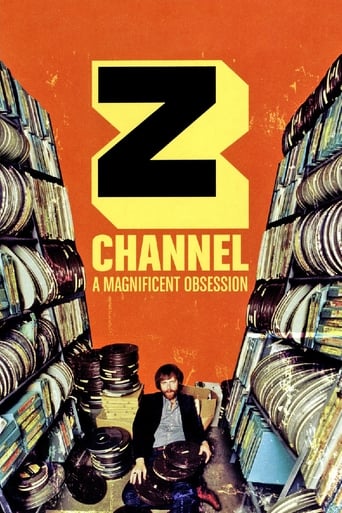
A documentary on the Z Channel, one of the first pay cable stations in the US, and its programming chief, Jerry Harvey. Debuting in 1974, the LA-based channel's eclectic slate of movies became a prime example of the untapped power of cable television.

Drawn from a never before seen cache of personal footage spanning decades, this is an intimate portrait of the Sri Lankan artist and musician who continues to shatter conventions.
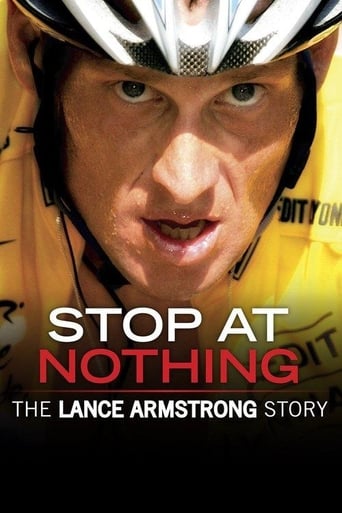
A portrait of the man behind the greatest fraud in sporting history. Lance Armstrong enriched himself by cheating his fans, his sport and the truth. But the former friends whose lives and careers he destroyed would finally bring him down.
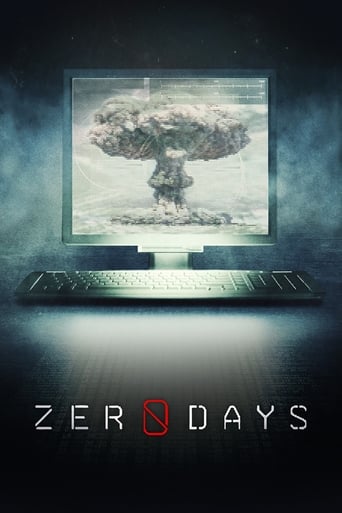
Alex Gibney explores the phenomenon of Stuxnet, a self-replicating computer virus discovered in 2010 by international IT experts. Evidently commissioned by the US and Israeli governments, this malware was designed to specifically sabotage Iran’s nuclear programme. However, the complex computer worm ended up not only infecting its intended target but also spreading uncontrollably.
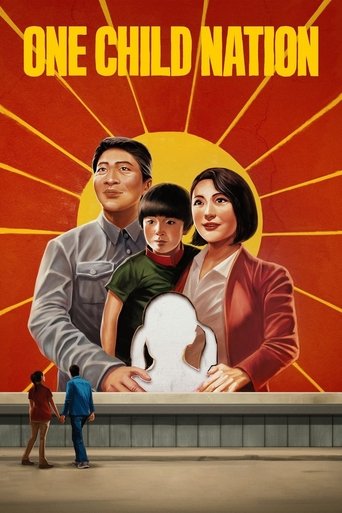
Through interviews with both victims and instigators, Nanfu Wang, a first-time mother, breaks open decades of silence on a vast, unprecedented social experiment that shaped — and destroyed — countless lives in China.

Torture chambers, acid vats, greased chutes and gassing rooms were just some of the devices of death designed by the Torture Doctor, H.H. Holmes in his castle of horrors. Follows Holmes' entire life as a criminal mastermind.
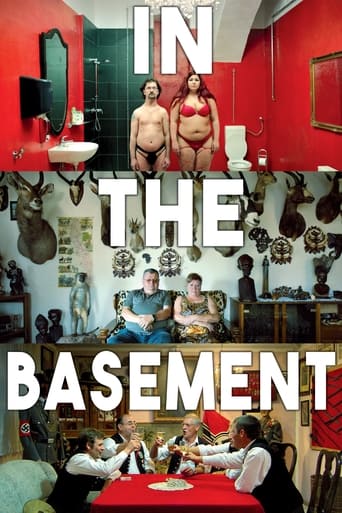
Filmmaker Ulrich Seidl explores of the dark underside of the human psyche by entering Austrian basements fitted out as private domains for secrets and fetishes.

An exploration of the heavy metal scene in Los Angeles, with particular emphasis on glam metal. It features concert footage and interviews of legendary heavy metal and hard rock bands and artists such as Aerosmith, Alice Cooper, Kiss, Megadeth, Motörhead, Ozzy Osbourne and W.A.S.P..
Using previously unheard audiotapes recorded shortly after John Belushi’s death, director R.J. Cutler’s documentary feature examines the too-short life of the once-in-a-generation talent who captured the hearts and funny bones of devoted audiences.
Andrew Dominik's One More Time With Feeling is a remarkable black and white documentary which chronicles the creation of Nick Cave & The Bad Seeds' album Skeleton Tree. Originally a performance based concept, the film evolved into something much more significant as Dominik delved into the tragic backdrop of the writing and recording of the album. The result is stark, fragile and raw, and a true testament to an artist trying to find his way through the darkness. It documents the writing, recording and performing of Nick Cave & the Bad Seeds’ sixteenth studio album, Skeleton Tree.
An in-depth look at the rapid rise and dramatic fall of New York Governor Eliot Spitzer.

The definitive portrait of one of sport's most inspirational, influential figures - whose legacy lives on far beyond the football field.

Ten of Muhammad Ali's former rivals pay tribute to the three-time world heavyweight champion.
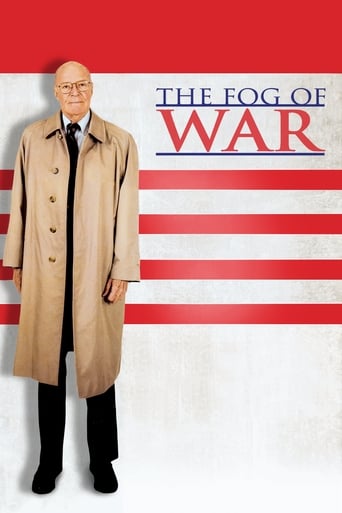
Former corporate whiz kid Robert McNamara was the controversial Secretary of Defense in the Kennedy and Johnson administrations, during the height of the Vietnam War. Augmented by archival footage and cabinet conversation recordings, Errol Morris gives the conflicted McNamara a platform on which he attempts to confront his and the U.S. government's actions in Southeast Asia in light of the horrors of modern warfare, the end of ideology and the punitive judgment of history.
Similar titles
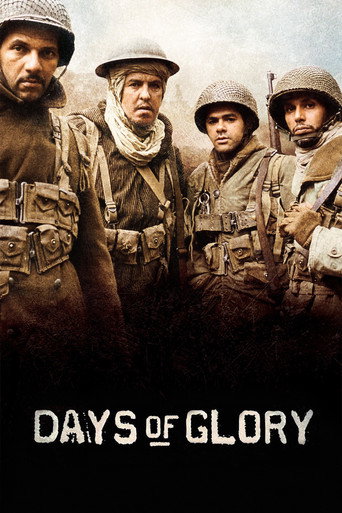
1943. They have never stepped foot on French soil but because France was at war, Said, Abdelkader, Messaoud and Yassir enlist in the French Army, along with 130,000 other “indigenous” soldiers, to liberate the “fatherland” from the Nazi enemy. Heroes that history has forgotten...

Narrated by CBS Sports' Jim Nantz. The Seabees on Iwo Jima focuses on the United States Naval Construction Battalions in World War II, which built all the infrastructure for the Allies in Europe and the Pacific in WWII. The Seabees were construction workers by trade but had to fight at times. Their motto was "We Build, We Fight," and their biggest test came in the battle for Iwo Jima in 1945.
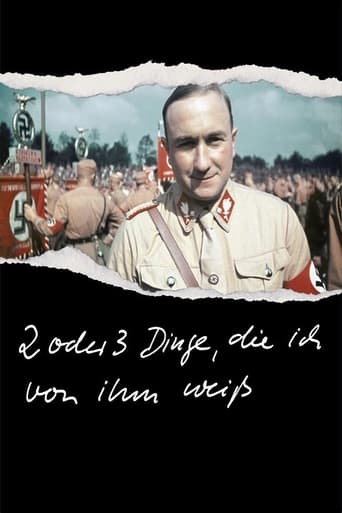
What would your family reminiscences about dad sound like if he had been an early supporter of Hitler’s, a leader of the notorious SA and the Third Reich’s minister in charge of Slovakia, including its Final Solution? Executed as a war criminal in 1947, Hanns Ludin left behind a grieving widow and six young children, the youngest of whom became a filmmaker. It's a fascinating, maddening, sometimes even humorous look at what the director calls "a typical German story." (Film Forum)

Rino Della Negra, the son of Friulian emigrants in France, plays on the wing for Red Star in Saint-Ouen while fighting in the Resistance with the Manouchian group. Wounded and captured after an armed action, he is executed by the Nazis at Mont-Valérien on 21 February 1944, aged twenty. The documentary reconstructs his life through archive material, interviews with historians and relatives, and animated drawings.

In the years before World War II, a penniless Japanese child is torn from her family to work as a maid in a geisha house.

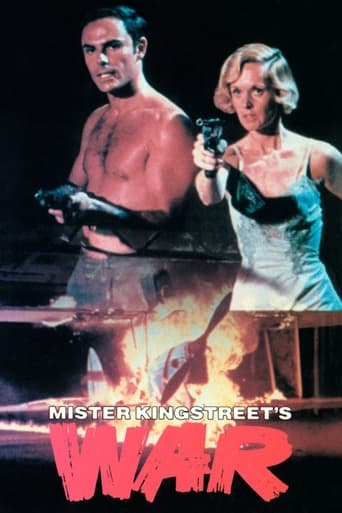
A couple sets up an African game preserve, only to have British and Italian armies fight over the waterholes.
Different factions in WWII-era Holland race to find a stash of Nazi gold.

A historical drama focusing on Manuel L. Quezon years after the Philippine Revolution during the American occupation. When his fight for independence from the United States is put to the test, Quezon finds himself playing the brutal game of politics to outmaneuver his rivals — including Leonard Wood, Sergio Osmeña, and Joven Hernando. In Quezon’s relentless quest for power, he ultimately faces off with Emilio Aguinaldo in the 1935 presidential elections, using charm and favoritism as both weapons and currency, in a campaign that ultimately changes the face of Philippine politics and history.

Produced by the Army Pictorial Service, Signal Corps, with the cooperation of the Army Air Forces and the United States Navy, and released by Warner Bros. for the War Activities Committee shortly after the surrender of Japan. Follow General Douglas MacArthur and his men from their exile from the Philippines in early 1942, through the signing of the instrument of surrender on the USS Missouri on September 1, 1945. Preserved by the Academy Film Archive in 2013.
Documentary about the monument Joods Werkdorp.
Just after midnight on 10 March 1945, the US launched an air-based attack on eastern Tokyo; continuing until morning, the raid left more than 100,000 people dead and a quarter of the city eradicated. Unlike their loved ones, Hiroshi Hoshino, Michiko Kiyooka and Minoru Tsukiyama managed to emerge from the bombings. Now in their twilight years, they wish for nothing more than recognition and reparations for those who, like them, had been indelibly harmed by the war – but the Japanese government and even their fellow citizens seem disinclined to acknowledge the past.
A young Catholic priest from Boston confronts bigotry, Nazism, and his own personal conflicts as he rises to the office of cardinal.
Once upon a time, a poor woodcutter and his wife lived in a great forest. Cold, hunger, poverty, and a war raging all around them meant their lives were very hard. One day, the woodcutter's wife rescues a baby. A baby girl thrown from one of the many trains that constantly pass through the forest. This baby, this "most precious of cargoes", will transform the lives of the poor woodcutter's wife and her husband, as well as those whose paths the child will cross—including the man who threw her from the train. And some will try to protect her, whatever the cost. Their story will reveal the worst and the best in the hearts of men.
In 1945, 160 German cities lay in ruins and the loss of millions of lives, billions in material assets and countless cultural treasures was mourned throughout Europe... With the question “How could it happen?”, the film goes back to the year 1914, when the “primal catastrophe of the 20th century” took its course with the First World War.
This is a story of faith, renewal and redemption. Joe Engel, with an unwavering will to live, overcame unimaginable horrors to become a treasured citizen, community leader, teacher and philanthropist.

One famous day. Five heroes. Five key turning points that changed the course of World War Two during the D Day landings, told through the eyes of the people who made a difference. Using rarely seen archive, dramatic reconstruction and written accounts from eye witnesses and personal testimony from our five heroes, this is D Day as never seen before.
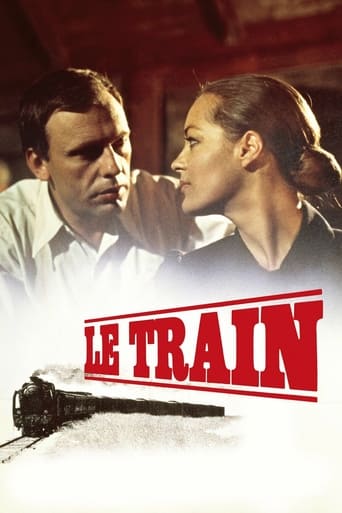
Two people, a Frenchman and a Jewish German woman, meet on a train while escaping the German army entering France.
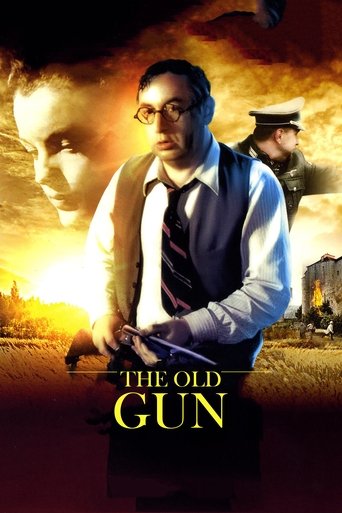
In Montauban in 1944, Julien Dandieu is a surgeon in the local hospital. Frightened by the German army entering Montauban, he asks his friend Francois to drive his wife and his daughter in the back country village where Julien has an old castle. One week later, Julien decides to meet them for the week end, but the Germans are already occupying the village.