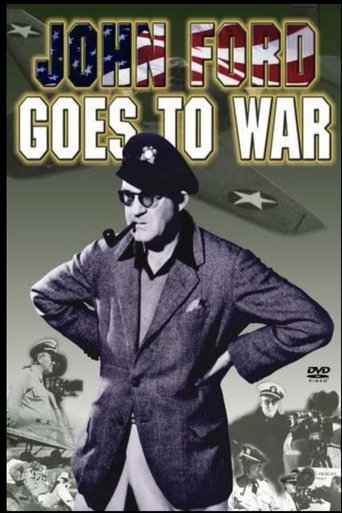
John Ford Goes to War
2002-01-01 · 56 min · ★ 5.5
When World War II broke out, John Ford, in his forties, commissioned in the Naval Reserve, was put in charge of the Field Photographic Unit by Bill Donavan, director of the soon-to-be-OSS. During the war, Field Photo made at least 87 documentaries, many with Ford's signature attention to heroism and loss, and many from the point of view of the fighting soldier and sailor. Talking heads discuss Ford's life and personality, the ways that the war gave him fulfillment, and the ways that his war films embodied the same values and conflicts that his Hollywood films did. Among the films profiled are "Battle of Midway," "Torpedo Squadron," "Sexual Hygiene," and "December 7."
Trailers are previews, not full movies.
No authorized playback source configured. Use the legal watch options below.
Production details
- Directors
- Tom Thurman
- Production companies
- FBN Productions
- Countries
- United States of America
- Status
- Released
Top Cast
 Kris KristoffersonNarrator (voice)
 Peter BogdanovichSelf - Interviewee
 Oliver StoneSelf - Interviewee
 Leonard MaltinSelf - Interviewee
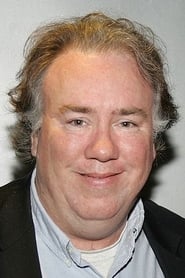 F. X. FeeneySelf - Interviewee
Title information and images are supplied by TMDb. Explore our discovery guide for advice on comparing metadata and legal viewing options.
Where to watch
Availability provided by JustWatch via TMDb. Offers can change. Provider links are listed on TMDb; full playback requires a separately authorized source.
Seasons & episodes
Recommendations

This documentary movie is about the battle of San Pietro, a small village in Italy. Over 1,100 US soldiers were killed while trying to take this location, that blocked the way for the Allied forces from the Germans. Preserved by the Academy Film Archive in 2005.

Prelude to War was the first film of Frank Capra's Why We Fight propaganda film series, commissioned by the Pentagon and George C. Marshall. It was made to convince American troops of the necessity of combating the Axis Powers during World War II. This film examines the differences between democratic and fascist states.

When Allied forces liberated the Nazi concentration camps in 1944-45, their terrible discoveries were recorded by army and newsreel cameramen, revealing for the first time the full horror of what had happened. Making use of British, Soviet and American footage, the Ministry of Information’s Sidney Bernstein (later founder of Granada Television) aimed to create a documentary that would provide lasting, undeniable evidence of the Nazis’ unspeakable crimes. He commissioned a wealth of British talent, including editor Stewart McAllister, writer and future cabinet minister Richard Crossman – and, as treatment advisor, his friend Alfred Hitchcock. Yet, despite initial support from the British and US Governments, the film was shelved, and only now, 70 years on, has it been restored and completed by Imperial War Museums under its original title "German Concentration Camps Factual Survey".

Meet the real-life airmen who inspired Masters of the Air as they share the harrowing and transformative events of the 100th Bomb Group.
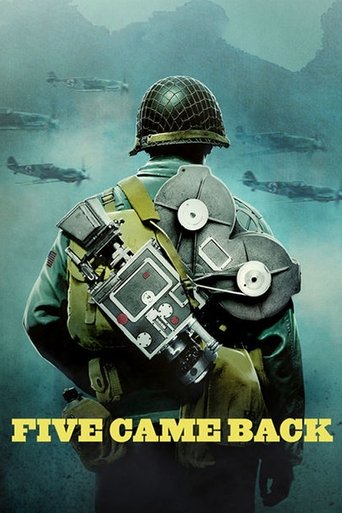
The extraordinary story of how Hollywood changed World War II – and how World War II changed Hollywood, through the interwoven experiences of five legendary filmmakers who went to war to serve their country and bring the truth to the American people: John Ford, William Wyler, John Huston, Frank Capra, and George Stevens. Based on Mark Harris’ best-selling book, “Five Came Back: A Story of Hollywood and the Second World War.”

A documentary about the life and films of director John Ford.
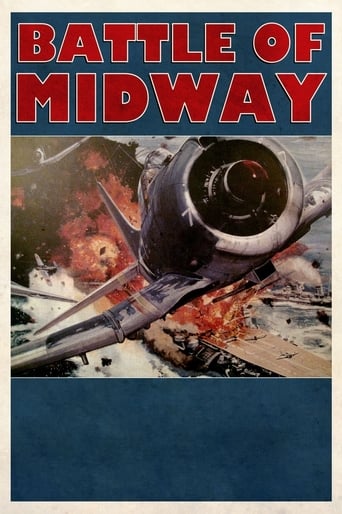
The Japanese attack on Midway in June 1942, filmed as it happened. Preserved by the Academy Film Archive, in partnership with Twentieth Century Fox Film Corporation, in 2006.
Over a period of two years, Mark Cowen and his crew travelled to thirty U.S. states and ten European cities, to interview the veterans of Easy Company. The stories told by the veterans themselves, create a history of the Second World War from the point of view of this heroic company of men, made famous in the mini-series Band of Brothers.

A love letter from a young mother to her daughter, the film tells the story of Waad al-Kateab’s life through five years of the uprising in Aleppo, Syria as she falls in love, gets married and gives birth to Sama, all while cataclysmic conflict rises around her. Her camera captures incredible stories of loss, laughter and survival as Waad wrestles with an impossible choice– whether or not to flee the city to protect her daughter’s life, when leaving means abandoning the struggle for freedom for which she has already sacrificed so much.
A disturbing collection of 1940s and 1950s United States government-issued propaganda films designed to reassure Americans that the atomic bomb was not a threat to their safety.

Cameramen and women discuss the craft and art of cinematography and of the "DP" (the director of photography), illustrating their points with clips from 100 films, from Birth of a Nation to Do the Right Thing. Themes: the DP tells people where to look; changes in movies (the arrival of sound, color, and wide screens) required creative responses from DPs; and, these artisans constantly invent new equipment and try new things, with wonderful results. The narration takes us through the identifiable studio styles of the 30s, the emergence of noir, the New York look, and the impact of Europeans. Citizen Kane, The Conformist, and Gordon Willis get special attention.

This WW2 documentary centers on the crew of the American B-17 Flying Fortress Memphis Belle as it prepares to execute a strategic bombing raid on Nazi submarine pens in Wilhelmshaven, Germany.

“The Soviet Story” is a story of an Allied power, which helped the Nazis to fight Jews and which slaughtered its own people on an industrial scale. Assisted by the West, this power triumphed on May 9th, 1945. Its crimes were made taboo, and the complete story of Europe’s most murderous regime has never been told. Until now...

Produced and presented as evidence at the Nuremberg war crimes trial of Hermann Göring and twenty other Nazi leaders, this film consists primarily of dead and surviving prisoners and of facilities used to kill and torture during the World War II.
As his life comes to its end, famous Hollywood director Orson Welles puts it all on the line at the chance for renewed success with the film The Other Side of the Wind.

When Sgt. First Class Brian Eisch is critically wounded in Afghanistan, it sets him and his sons on a journey of love, loss, redemption and legacy.

Learn the incredible behind-the-scenes story of how the original Star Wars movie was brought to the big screen in this fascinating documentary hosted by C-3PO and R2-D2 which includes interviews with George Lucas and appearances by Mark Hamill, Harrison Ford and Carrie Fisher.

Pete Postlethwaite stars as a man living alone in the devastated future world of 2055, looking at old footage from 2008 and asking: why didn’t we stop climate change when we had the chance?
During the chaotic final weeks of the Vietnam War, the North Vietnamese Army closes in on Saigon as the panicked South Vietnamese people desperately attempt to escape. On the ground, American soldiers and diplomats confront a moral quandary: whether to obey White House orders to evacuate only U.S. citizens.

Daniel Craig candidly reflects on his 15 year adventure as James Bond. Including never-before-seen archival footage from Casino Royale to the upcoming 25th film No Time To Die, Craig shares his personal memories in conversation with 007 producers, Michael G Wilson and Barbara Broccoli.
Similar titles
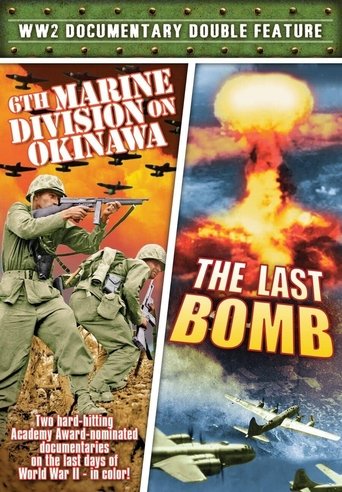
A documentary covering the actions of the 6th Marine Division on Okinawa during WWII.
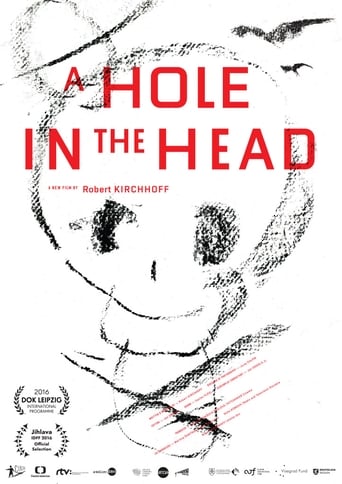
A pig farm in Lety, South Bohemia would make an ideal monument to collaboration and indifference, says writer and journalist Markus Pape. Most of those appearing in this documentary filmed in Slovakia, the Czech Republic, Poland, France, Germany and Croatia have personal experience of the indifference to the genocide of the Roma. Many of them experienced the Holocaust as children, and their distorted memories have earned them distrust and ridicule. Continuing racism and anti-Roma sentiment is illustrated among other matters by how contemporary society looks after the locations where the murders occurred. However, this documentary film essay focuses mainly on the survivors, who share with viewers their indelible traumas, their "hole in the head".

How are the sex scenes filmed? What tricks are used to fake the desire? How do the interpreters prepare and feel? Spanish actors and directors talk about the most intimate side of acting, about the tricks and work methods when narrating exposed sex. In Spain the general rule is that there are no rules. Each film, each interpreter, faces it in very different ways.
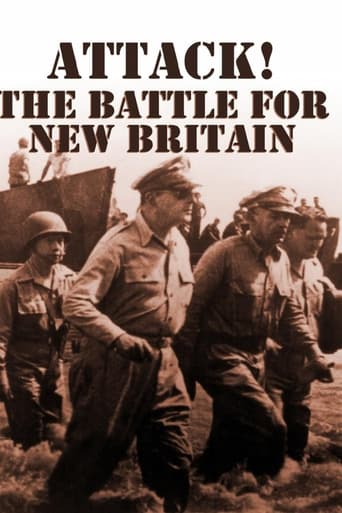
Actual footage by the United States Signal Corps of the landing and attack on Arawe Beach, Cape Glouster, New Britain island in 1943 in the South Pacific theatre of World War Two, and the handicaps of the wild jungle in addition to the Japanese snipers and pill-box emplacements.

Narrated by Country Music Superstar Darius Rucker. We return to Ramitelli airfield in Italy to chronicle the legacy of World War II's famed Tuskegee Airmen, African American pilots who helped break stereotypes and helped win World War II with their incredible fighter escorts of American bombers.

The biggest trial of Nazi war crimes ever: 360 witnesses in 183 days of trial - a stunning and gripping portrayal of the most terrible massacre in history.
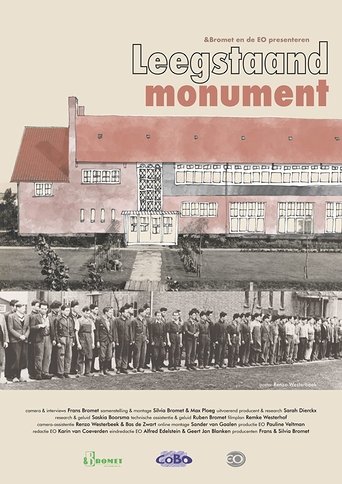
Documentary about the monument Joods Werkdorp.
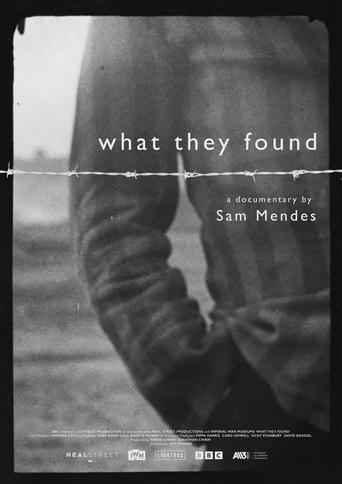
The story of two soldier-cameramen, Sgt Mike Lewis and Sgt Bill Lawrie, who witnessed the liberation of Belsen during the closing days of World War II.
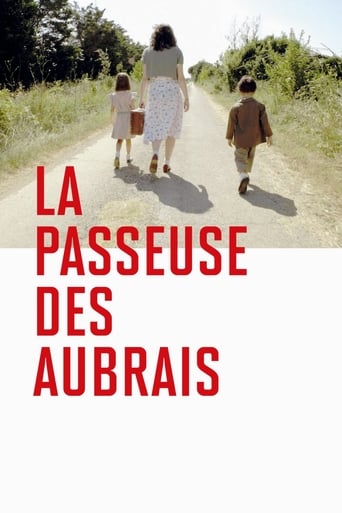
A captivating and personal detective story that uncovers the truth behind the childhood of Michaël Prazan's father, who escaped from Nazi-occupied France in 1942 thanks to the efforts of a female smuggler with mysterious motivations.
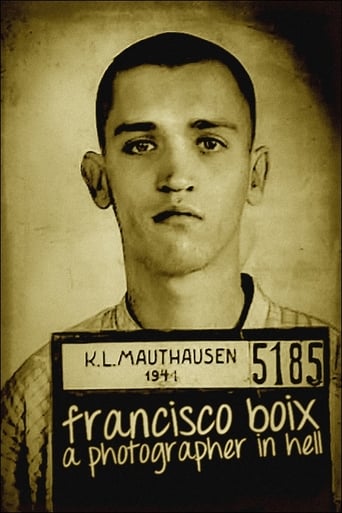
In 1939, just finished the Spanish Civil War, Spanish republican photographer Francesc Boix escapes from Spain; but is captured by the Nazis in 1940 and imprisoned in the Mauthausen concentration camp, in Austria, a year later. There, he works as a prisoner in the SS Photographic Service, hiding, between 1943 and 1945, around 20,000 negatives that later will be presented as evidence during several trials conducted against Nazi war criminals after World War II.

Rino Della Negra, the son of Friulian emigrants in France, plays on the wing for Red Star in Saint-Ouen while fighting in the Resistance with the Manouchian group. Wounded and captured after an armed action, he is executed by the Nazis at Mont-Valérien on 21 February 1944, aged twenty. The documentary reconstructs his life through archive material, interviews with historians and relatives, and animated drawings.


Twiggy takes a comprehensive look at the life story of UK model and cultural icon Twiggy, real name Lesley Lawson, whose career kickstarted in the 1960s. It features interviews with Twiggy and her husband Leigh Lawson, as well as commentary from Erin O’Connor, Paul McCartney, Lulu, Poppy Delavigne, Brooke Shields, Pattie Boyd and Zandra Rhodes.
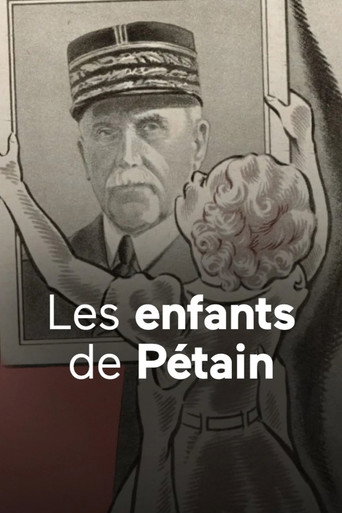
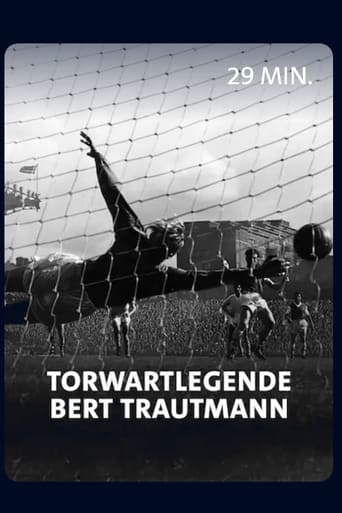
How could a German Wehrmacht soldier become a celebrated soccer idol of the Britons in the post-war period? The documentary by Radio Bremen shows the moving life story of the soccer star of the 1950s in a torn Europe and how an enemy became a friend. With his legendary appearance in the English Cup Final 1956, in which he played until the end despite a broken neck, Bert Trautmann set up a memorial for himself in the history of sport. Already in the same year, he is chosen as England’s footballer of the year, and by his club Manchester City even as best player of all times. Bernhard “Bert” Trautmann is one of the most popular and best-known soccer players in England.
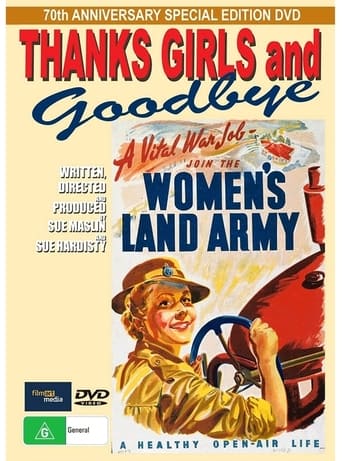
Documentary using archival footage, newsreels and contemporary interviews with women of the WW2 Australian Women's Land Army.
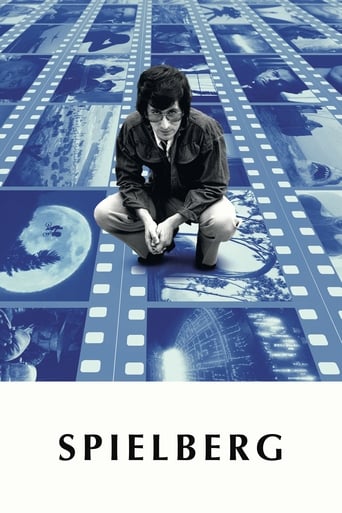
A documentary on the life and career of one of the most influential film directors of all time, Steven Spielberg.

The Polish city of Łódź was under Nazi occupation for nearly the entirety of WWII. The segregation of the Jewish population into the ghetto, and the subsequent horrors are vividly chronicled via newsreels and photographs. The narration is taken almost entirely from journals and diaries of those who lived–and died–through the course of the occupation, with the number of different narrators diminishing as the film progresses, symbolic of the death of each narrator.
The untold story of a Royal "propagandist in pearls" whose wartime friendship with President Roosevelt became a vital catalyst to win back freedom for her tiny occupied country.