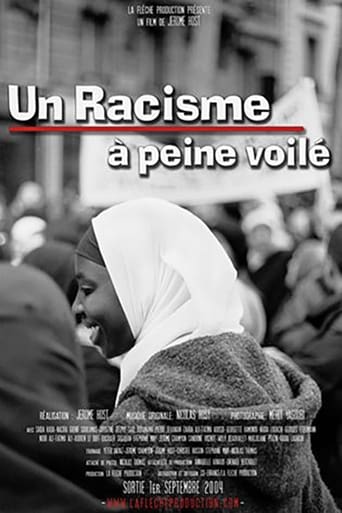
Un racisme à peine voilé
2004-01-01 · 75 min · ★ 5.2
October 2003, Alma and Lila Levy are excluded from the Lycée Henri Wallon in Aubervilliers solely because they were wearing a headscarf. What follows is a deafening political and media debate, justifying in most cases the exclusion of girls wearing head-scarves to school. February 2004, a law was eventually passed by the National Assembly. "A thinly veiled racism" is about this controversy since the affair of Creil in 1989 (where two schoolgirls were excluded for the same reasons) and attempts to "reveal" that maybe what hides behind is the desire to exclude these girls. This film gives them a voice as well as others - teachers, community activists, feminists, researchers - gathered around the group "A School for You-All" fighting for the repeal of this law they consider sexist and racist ... This movie was censured in Septembre 2004 in France.
Trailers are previews, not full movies.
No authorized playback source configured. Use the legal watch options below.
Production details
- Directors
- Jérôme Host
- Production companies
- Unavailable
- Countries
- Unavailable
- Status
- Released
Top Cast
Cast unavailable.
Title information and images are supplied by TMDb. Explore our discovery guide for advice on comparing metadata and legal viewing options.
Where to watch
Availability provided by JustWatch via TMDb. Offers can change. Provider links are listed on TMDb; full playback requires a separately authorized source.
Availability not listed for this country.
Seasons & episodes
Recommendations
An investigative look and analysis of gender disparity in Hollywood, featuring accounts from well-known actors, executives and artists in the Industry.
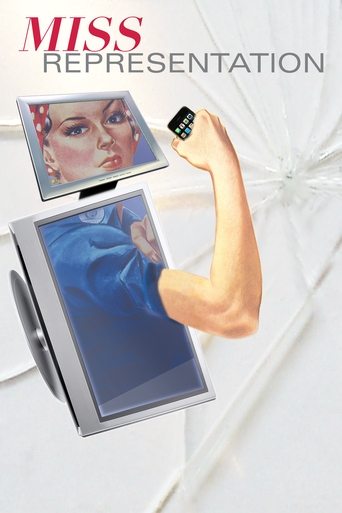
The film MISS REPRESENTATION exposes how American youth are being sold the concept that women and girls’ value lies in their youth, beauty and sexuality. Explores the under-representation of women in positions of power and influence in America, and challenges the media's limited portrayal of what it means to be a powerful woman. It’s time to break that cycle of mistruths.
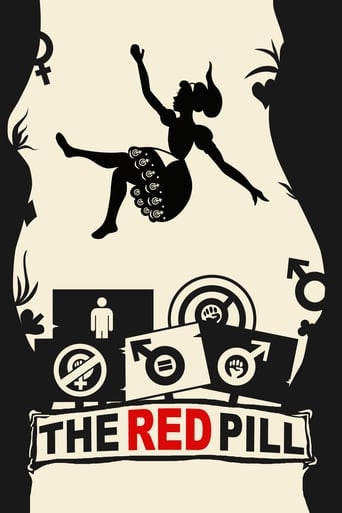
When a feminist filmmaker sets out to document the mysterious and polarizing world of the Men’s Rights Movement, she begins to question her own beliefs. Chronicling Cassie Jaye’s journey exploring an alternate perspective on gender equality, power and privilege.
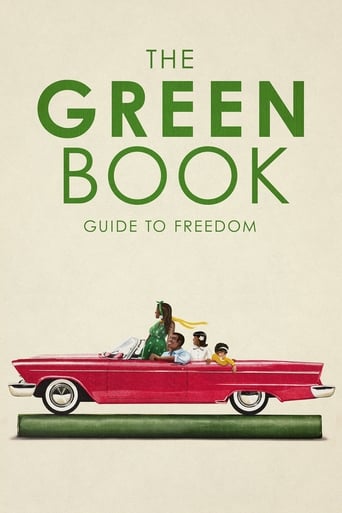
In 1936, Victor H. Green (1892-1960) published The Negro Motorist Green Book, a book that was both a travel guide and a survival manual, to help African-Americans navigate safe those regions of the United States where segregation and Jim Crow laws were disgracefully applied.

A documentary about the life and films of director John Ford.
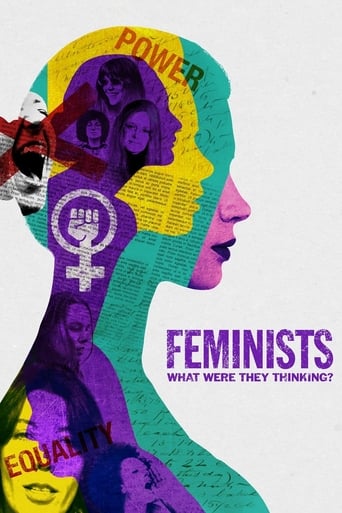
In 1977, a book of photographs captured an awakening - women shedding the cultural restrictions of their childhoods and embracing their full humanity. This documentary revisits those photos, those women and those times and takes aim at our culture today that alarmingly shows the need for continued change.
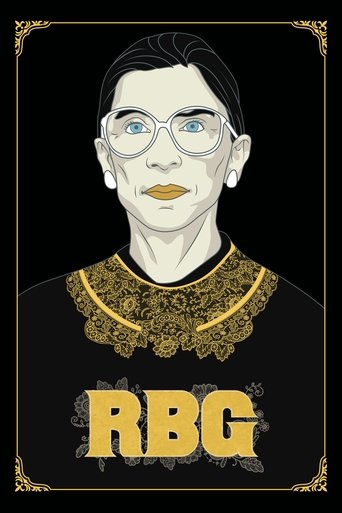
Justice Ruth Bader Ginsburg now 84, and still inspired by the lawyers who defended free speech during the Red Scare, Ginsburg refuses to relinquish her passionate duty, steadily fighting for equal rights for all citizens under the law. Through intimate interviews and unprecedented access to Ginsburg’s life outside the court, RBG tells the electric story of Ginsburg’s consuming love affairs with both the Constitution and her beloved husband Marty—and of a life’s work that led her to become an icon of justice in the highest court in the land.

A compilation of over 30 years of private home movie footage shot by Lithuanian-American avant-garde director Jonas Mekas, assembled by Mekas "purely by chance", without concern for chronological order.
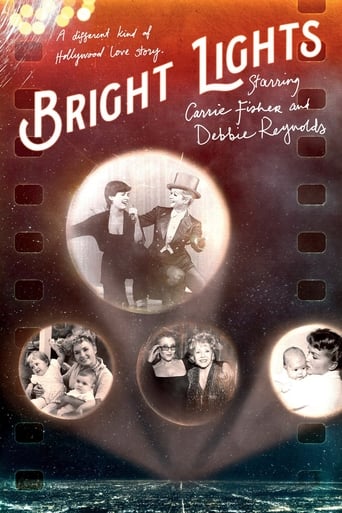
An intimate portrait of Hollywood royalty featuring Debbie Reynolds, Todd Fisher, and Carrie Fisher.

Alexander McQueen's rags-to-riches story is a modern-day fairy tale, laced with the gothic. Mirroring the savage beauty, boldness and vivacity of his design, this documentary is an intimate revelation of McQueen's own world, both tortured and inspired, which celebrates a radical and mesmerizing genius of profound influence.

Through deeply personal interviews with her siblings and an examination of the photographs, letters, and belongings left behind, Mariska assembles a new portrait of her mother Jayne Mansfield, an extraordinary and complex woman.
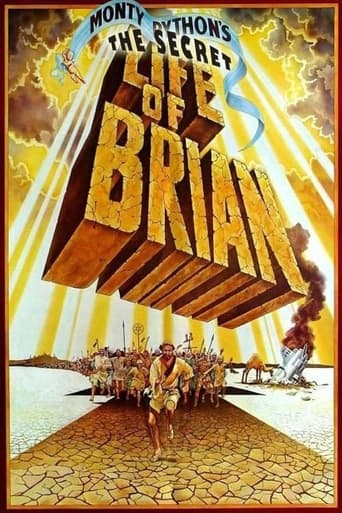
A documentary about the making of the controversial Life of Brian and the surrounding accusations of blasphemy.
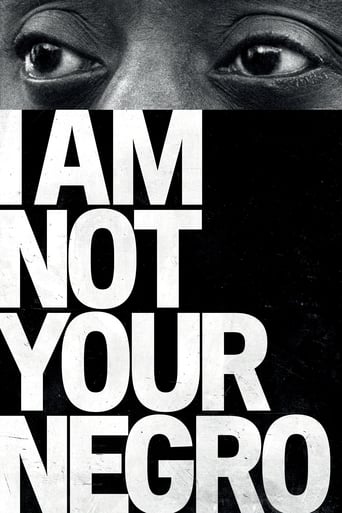
Working from the text of James Baldwin’s unfinished final novel, director Raoul Peck creates a meditation on what it means to be Black in the United States.

A documentary on the expletive's origin, why it offends some people so deeply, and what can be gained from its use.

Documentary filmmaker Amy Berg investigates the life of 30-year pedophile Father Oliver O'Grady and exposes the corruption inside the Catholic Church that allowed him to abuse countless children. Victims' stories and a disturbing interview with O'Grady offer a view into the troubled mind of the spiritual leader who moved from parish to parish gaining trust ... all the while betraying so many.

This revealing documentary honors the legendary Sidney Poitier—iconic actor, filmmaker, and civil rights activist. Featuring interviews with Denzel Washington, Spike Lee, Halle Berry, and more.

Alex Gibney explores the charged issue of pedophilia in the Catholic Church, following a trail from the first known protest against clerical sexual abuse in the United States and all way to the Vatican.
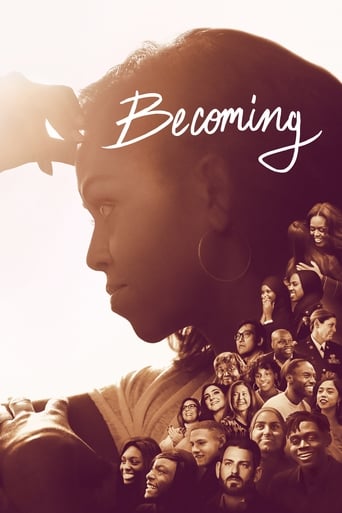
Join former first lady Michelle Obama in an intimate documentary looking at her life, hopes and connection with others as she tours with "Becoming."
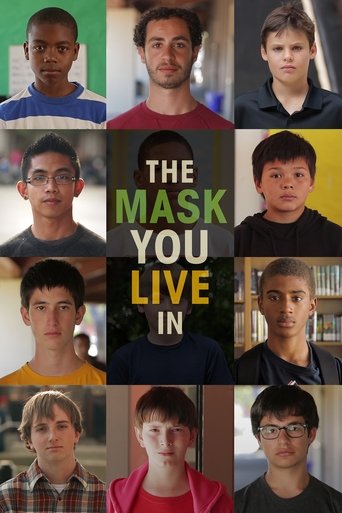
Compared to girls, research shows that boys in the United States are more likely to be diagnosed with a behaviour disorder, prescribed stimulant medications, fail out of school, binge drink, commit a violent crime, and/or take their own lives. The Mask You Live In asks: as a society, how are we failing our boys?

A documentary on the modeling industry's 'supply chain' between Siberia, Japan, and the U.S., told through the experiences of the scouts, agencies, and a 13-year-old model.
Similar titles
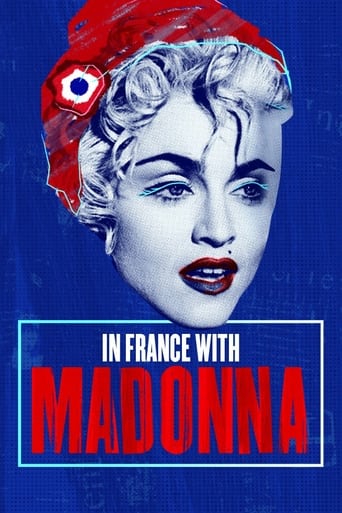
France is at the heart of Madonna's life. She is inspired by French culture and its values and has surrounded herself with French artists for many years. To celebrate the 40th anniversary of the Queen of Pop's career, this film revisits the close and unique bond between Madonna and France and features testimonials from close collaborators and French friends who have helped create her unique artistic universe: Maripol, Jean Paul Gaultier, Julien d'Ys, Nicolas Huchard, and Marion Motin. Today's artists such as Florence Foresti, Leïla Slimani, Victor Weinsanto and HollySiz talk about the influence of this emancipating figure, which extends far beyond music.
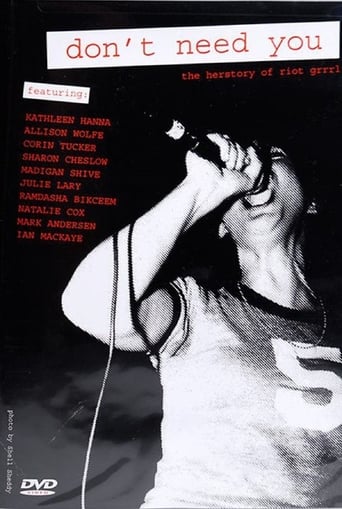
A documentary film that tells the story of the origins of Riot Grrrl in the American independent music scene of the 1990s, and how this feminist movement evolved into a revolutionary underground network of education and self-awareness through music, writing, activism, and women-friendly community.

"The ascent of the Aiguilles Ravanel and Mummery", climbed by young guides in cycling pants: The brothers Armand Charlet and Georges Charlet, Arthur Ravanel, Henri Couttet and Charles Balmat. The film was shot by Georges Tairraz II, Chamoniard mountain photographer, representative of the third generation of a family line of mountain photographers and filmmakers. George Tairraz II's film will lay the groundwork for a French vision of mountain film; In the 1930s, a French school of mountain cinema emerged, less expressionist, more stripped down and realistic than the German school. These are the films of Marcel Ichac, Roger Frison-Roche, Samivel, Georges Tairraz II, etc. It develops according to the principles set by Marcel Ichac, in opposition to the German school. It is both about getting out of the dramatic vision of the mountain and placing the mountain and the climbers at the heart of the plot.
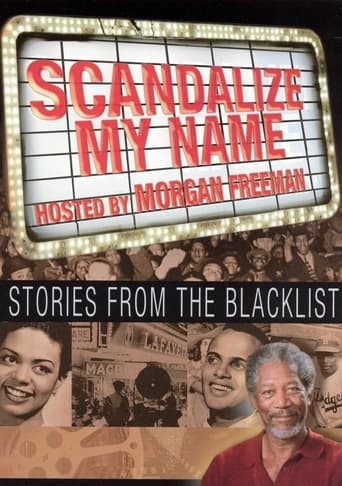
A look at the confluence of the Red Scare, McCarthyism, and blacklists with the post-war activism by African Americans seeking more and better roles on radio, television, and stage. It begins in Harlem, measures the impact of Paul Robeson and the campaign to bring him down, looks at the role of HUAC, J. Edgar Hoover and of journalists such as Ed Sullivan, and ends with a tribute to Canada Lee. Throughout are interviews with men and women who were there, including Dick Campbell of the Rose McLendon Players and Fredrick O'Neal of the American Negro Theatre. In the 1940s and 1950s, anti-Communism was one more tool to maintain Jim Crow and to keep down African-Americans.
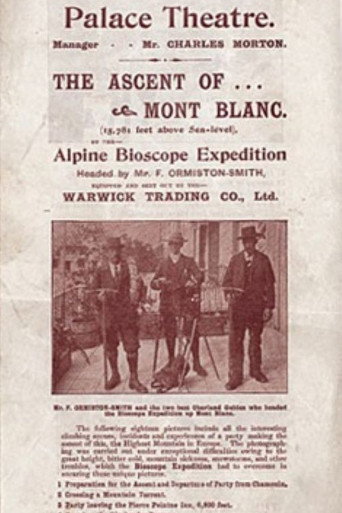
A pioneering mountaineering film made by Frank Ormiston-Smith for the Warwick Trading Company in 1902. Ormiston-Smith himself led and filmed an expedition of seven men up to the top of Mont Blanc. The party left Chamonix the 23rd of september up to Pierre-Pointue and Grands Mulets and reached the top the 25th. The film consists of 18 scenes including a final scene of the team on the summit. This is the first major mountain film shown widely in cinemas. The mountaineering filming is rudimentary by later standards, but in 1902 it gave audiences moving pictures of places, and altitudes, which they could never expect to witness otherwise.

Marcel Ichac accompanied the mountaineer Armand Charlet, in 1943, in the repetition of the first crossing of the Aiguilles du Diable that the guide of the Chamonix valley had made in 1925. A roped party joined on snow and ice the Col du Géant, reached at the Mont-Blanc-du-Tacul stop and on the Col du Diable. The men cross the needles by climbing chimneys, cracks and abseiling walls. They access the eastern slope of the Mont-Blanc massif which offers a panorama of the Grandes Jorasses and Mont-Blanc. Armand Charlet was the first to reach the summits of four needles above 4000 meters: the Devil's Horn, Pointe Chaubert, Pointe Médiane and Pointe Carmen; he also tells how he successfully climbed the furthest, the Isolated. Marcel Ichac shot these scenes as close as possible to his subject, he responded with this film with a “truth” cinema, the principle of which we find in his later productions.
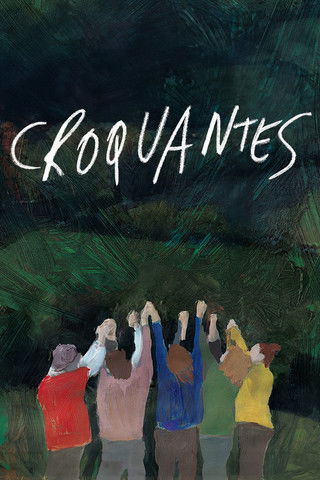

With heart and determination, Antoine Griezmann overcame his small stature to become one of the world's top soccer players and a World Cup champion.
Documentary exploring the effect of mass immigration on the dwindling white community of the East End, from the perspective of those who remain and those who chose to leave.

Too high, misused, unfair... a large part of the French and Europeans criticize taxes. From tax-rascal to tax revolt, the movement of yellow vests in France has returned to the center of attention the question of consent to tax. How to explain a different resistance to taxes from one country to another without tax pressure being an explanation? Is there a "good" tax? Jean Quatremer takes us on a journey to the tax center across Europe, to meet those who pay it, those who decide it, those who study it... or those who allow to avoid it.
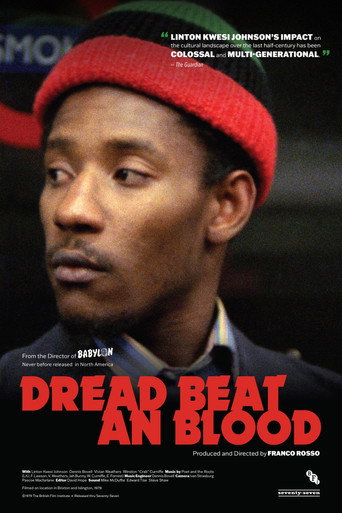
Follows dub poet master Linton Kwesi Johnson out of the recording studio onto the Brixton streets.

Harmful chemicals are disproportionately affecting Black communities in Southern Louisiana along the Mississippi River. I am One of the People is an experimental short film exposing the environmental racism of “Cancer Alley.”
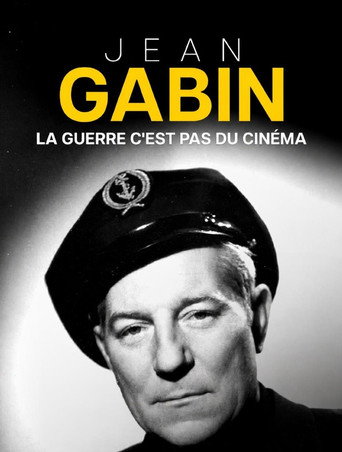
From Hollywood and Marlene Dietrich to the battles of the 2nd Armored Division, the seldom-known tale of monumental French actor Jean Gabin during the war.
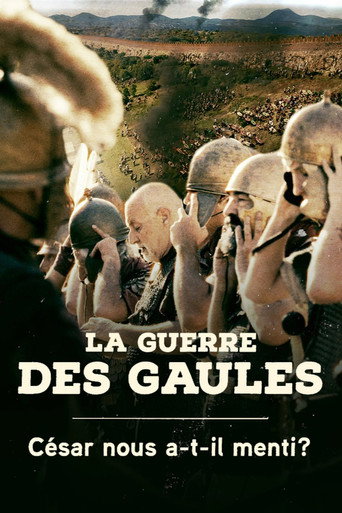
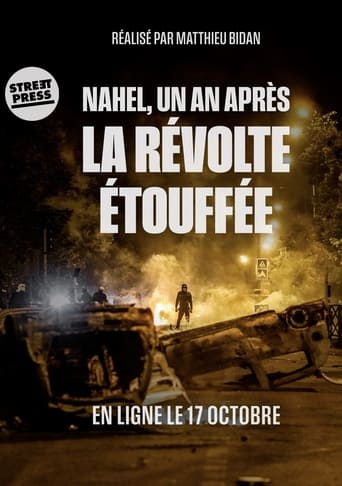

November 2017, North of Paris : H. Reiner-Onet cleaning company workers are fighting an exemplary battle. This 45 days strike, one of the longest in the history of the French railway, led by these men and women, ended in a decisive victory against two giants, Onet and the SNCF. One of the most impoverished sectors among railway workers, they had no previous experience with striking or organized struggle. How did they pull such a victory ? Their dermination to fight was undoubtedly the key to winning, but so are the links they forged with revolutionary activists who brought with them a tradition of fighting for workers against employers.