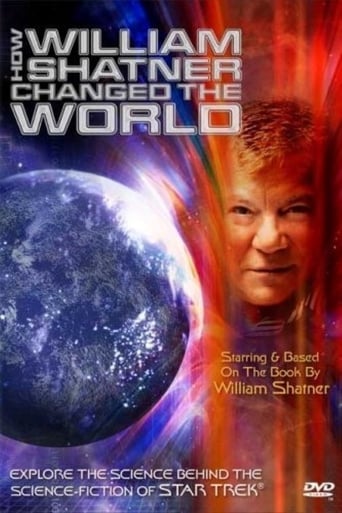
How William Shatner Changed the World
2005-11-13 · 120 min · ★ 5.7
William Shatner presents a light-hearted look at how the "Star Trek" TV series have influenced and inspired today's technologies, including: cell phones, medical imaging, computers and software, SETI, MP3 players and iPods, virtual reality, and spaceship propulsion.
Trailers are previews, not full movies.
No authorized playback source configured. Use the legal watch options below.
Production details
- Directors
- Julian Jones
- Production companies
- Mentorn Media, Handel Productions
- Countries
- Canada
- Status
- Released
Top Cast
 William ShatnerSelf - Host / Narrator (voice)
 George TakeiSelf
 Jonathan FrakesSelf
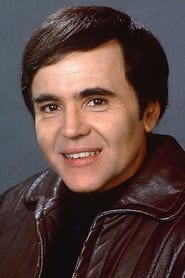 Walter KoenigSelf (archive footage)
 Bruce DamerSelf
 Mae JemisonSelf
Title information and images are supplied by TMDb. Explore our discovery guide for advice on comparing metadata and legal viewing options.
Where to watch
Availability provided by JustWatch via TMDb. Offers can change. Provider links are listed on TMDb; full playback requires a separately authorized source.
Availability not listed for this country.
Seasons & episodes
Recommendations
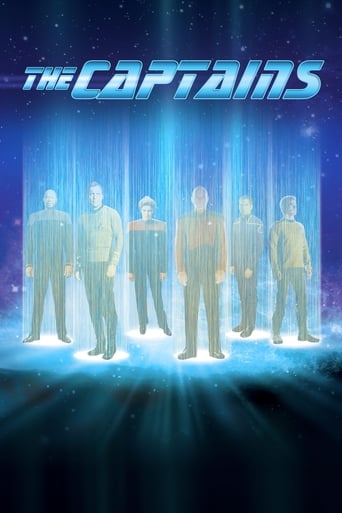
The Captains is a feature-length documentary film written and directed by William Shatner. The film follows Shatner as he interviews the other actors who have portrayed starship captains in the Star Trek franchise.

A documentary about ten very different lives connected by having appeared onscreen wearing masks or helmets in Star Wars.

Al Pacino's deeply-felt rumination on Shakespeare's significance and relevance to the modern world through interviews and an in-depth analysis of "Richard III."
Go behind the scenes with stars, puppeteers and creators as they bring Jim Henson's magical world of Thra back to life in a sweeping fantasy series.
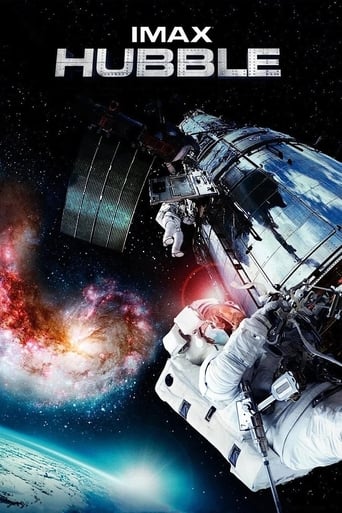
An IMAX 3D camera chronicles the effort of 7 astronauts aboard the Space Shuttle Atlantis to repair the Hubble Space Telescope.
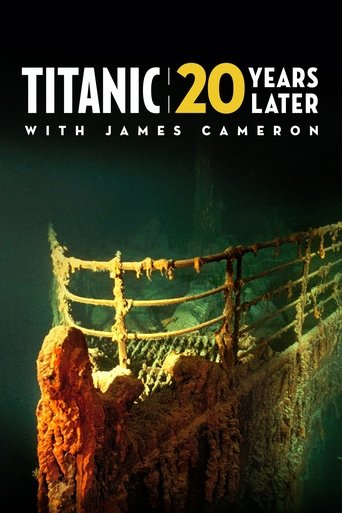
For the 20th anniversary of "Titanic," James Cameron reopens the file on the disaster.
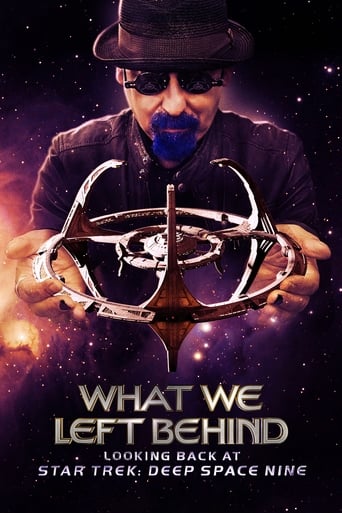
A documentary exploring the legacy of Star Trek: Deep Space Nine, the reasons it went from the black sheep of Star Trek to a beloved mainstay of the franchise, and a brainstorm with the original writers on what a theoretical eighth season of the show could look like.
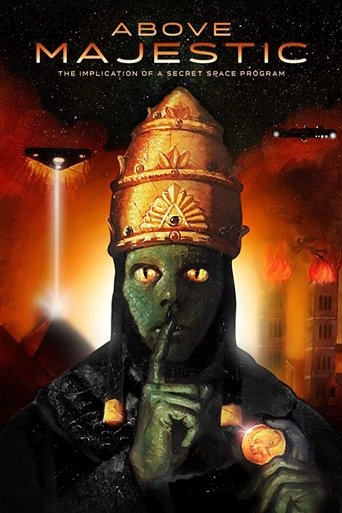
A look at the origins, history and conspiracies behind the "Majestic 12", a clandestine group of military and corporate figureheads charged with reverse-engineering extraterrestrial technology.

Unprecedented access to the New York Times newsroom yields a complex view of the transformation of a media landscape fraught with both peril and opportunity.
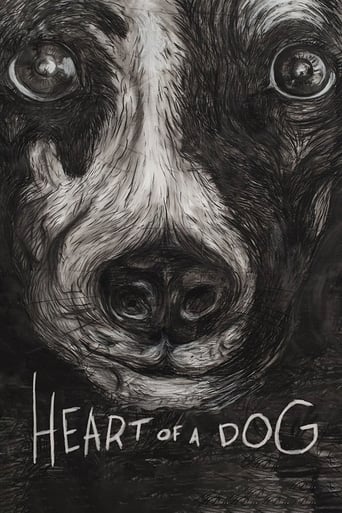
Musician and performance artist Laurie Anderson reflects on the deaths of her husband Lou Reed, her mother and her beloved dog.
Filmmaker Lawrence Shapiro discusses voice-over acting with the talented people behind the characters.
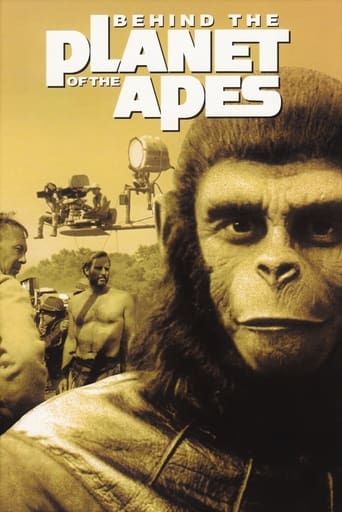
Roddy McDowall takes you, film by film, from production meetings to make-up sessions, then right onto the movie set to see the actual filming of the science fiction masterpiece. The most comprehensive history of Planet of the Apes ever created, this fascinating 127-minute documentary explores one of the most imaginative and influential series in movie history.
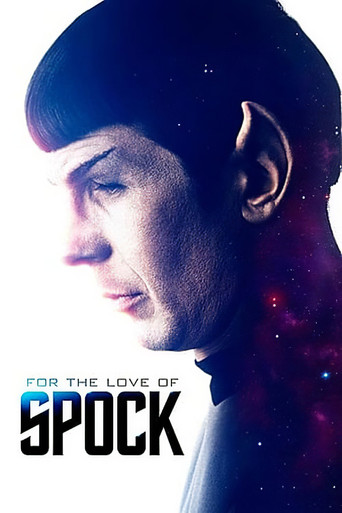
The life of Mr. Spock, as well as that of Leonard Nimoy, the actor who played him for almost fifty years, written and directed by his son: Adam.

An atmospheric essay, which is an alternative version of Count Dracula, a film directed by Jess Franco in 1970; a ghostly narration between fiction and reality.

The history of cinematic sound, told by legendary sound designers and visionary filmmakers.
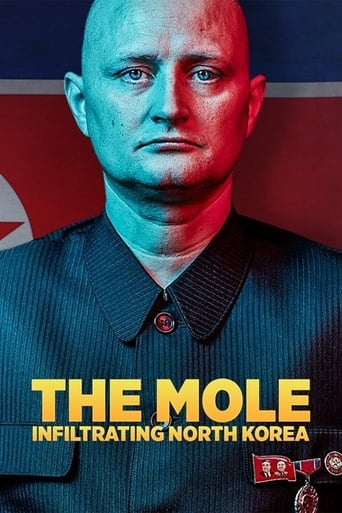
A real-life undercover thriller about two ordinary men who embark on an outrageously dangerous ten-year mission to penetrate the world's most secretive and brutal dictatorship: North Korea.
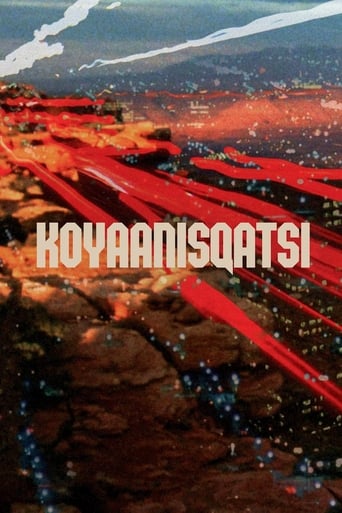
Takes us to locations all around the US and shows us the heavy toll that modern technology is having on humans and the earth. The visual tone poem contains neither dialogue nor a vocalized narration: its tone is set by the juxtaposition of images and the exceptional music by Philip Glass.
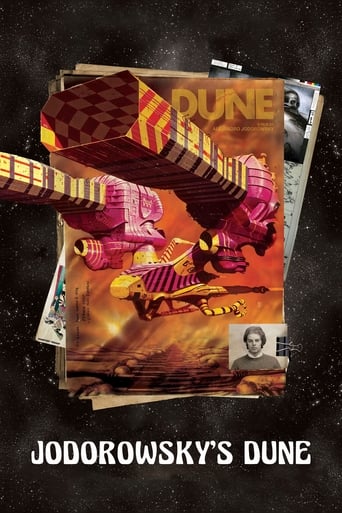
In 1974, Chilean-French director Alejandro Jodorowsky embarked on the quixotic project of adapting Frank Herbert's influential novel Dune (1969) for the big screen. After investing two years, and millions of dollars, the gigantic project ended in failure; but the artists Jodorowsky brought together to carry it out continued to work together, and ended up laying the foundations for modern science fiction cinema.
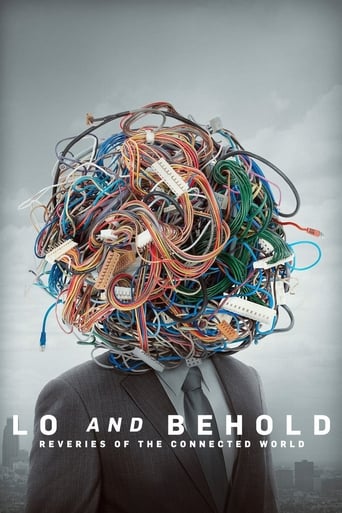
Werner Herzog's exploration of the Internet and the connected world.
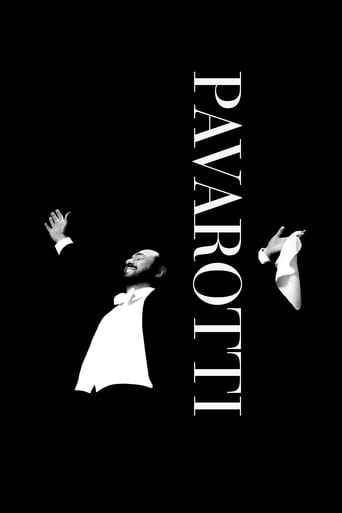
Featuring never-before-seen footage, concert performances and intimate interviews, filmmaker Ron Howard examines the life and career of famed opera tenor Luciano Pavarotti.
Similar titles
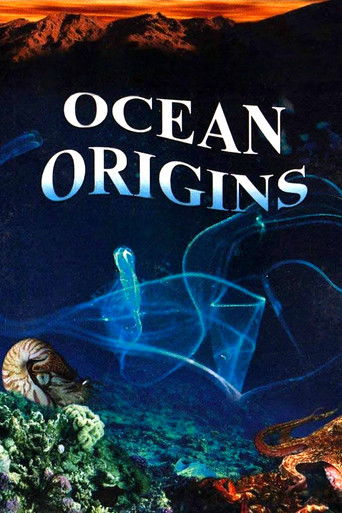
A documentary that explores the natural world of the sea, from the single-celled organism to more complex forms of life, OCEAN ORIGINS was originally filmed in the IMAX large format, which adds a crispness and clarity to the images. This documentary film seeks to examine the process of evolution by looking at the many creatures of the sea that can illustrate the way multi-cellular life emerged over the course of four billion years. OCEAN ORIGINS is a creative film that uses fascinating documentary footage to look at scientific theories and principles in an interesting manner
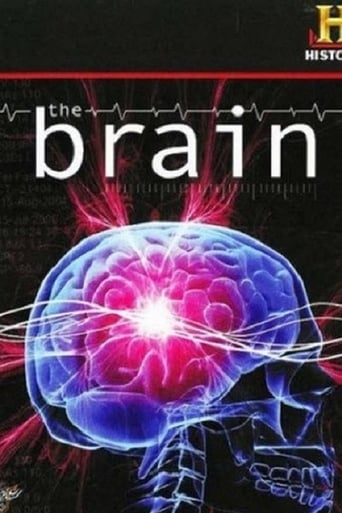
THE BRAIN is an astonishing voyage of discovery into our last biological frontier. Although today s computers can make calculations in one-100th of a second and technology can transport us outside the bonds of Earth, only now are we beginning to understand the most complex machine in the universe. Using simple analogies, real-life case studies, and state-of-the-art CGI, this special shows how the brain works, explains the frequent battle between instinct and reason, and unravels the mysteries of memory and decision-making. It takes us inside the mind of a soldier under fire to see how decisions are made in extreme situations, examines how an autistic person like Rain Man develops remarkable skills, and takes on the age-old question of what makes one person good and another evil. Research is rushing forward. We’ve learned more about the workings of the brain in the last five years than in the previous one hundred.

A documentary on the history and making of the epic anime series "Space Battleship Yamato" (known as "Star Blazers" in the U.S.), from its creation in the 1970's to 2005!
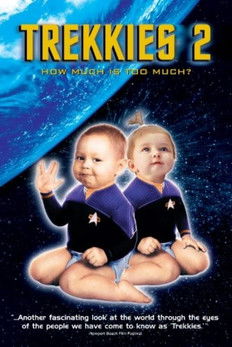
Denise Crosby takes another look at the huge fans of "Star Trek" and how the series from around the world has affected and shaped their lives.

Did Mars ever have life on it? To answer this question, Europe and Russia have launched a unique and ambitious 2-stage project: ExoMars 2016-2018. This documentary is a thrilling look behind the scenes of a magnificent human and scientific adventure. We will uncover the most fascinating aspects of this mission and the search for signs of life on Mars.

An unprecedented examination of the impact the Star Trek experience has had on the franchise's most celebrated participants: William Shatner and Leonard Nimoy. These two stars have arguably embodied the brightest icons in the sci-fi universe; Shatner as passionate Captain James T. Kirk, and Nimoy as logical-minded, half Vulcan Mr. Spock.

Focusing on the vulnerability of digital data, Digital Amnesia ponders the sustainability of modern artifacts that have no material state. Notable archivists share their perspectives on the Digital Age and whether it poses great promise or threat to the longevity of digital information and our collective memory.
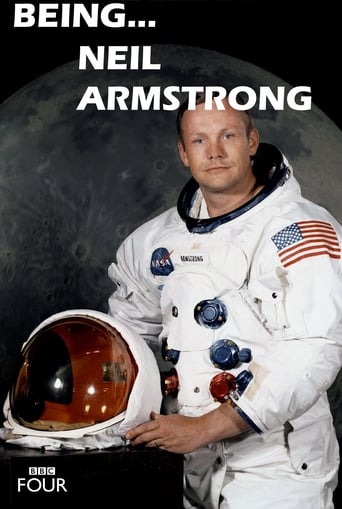
It has been said that 10,000 years from now only one name will still be remembered, that of Neil Armstrong. But in the four decades since he first set foot on the moon, Armstrong has become increasingly reclusive. Andrew Smith, author of the best-selling book Moondust, journeys across America to try and discover the real Neil Armstrong. He tracks down the people who knew Armstrong, from his closest childhood friend to fellow astronauts and Houston technicians, and even the barber who sold his hair, in a wry and sideways look at the reluctant hero of the greatest event of the 20th century.
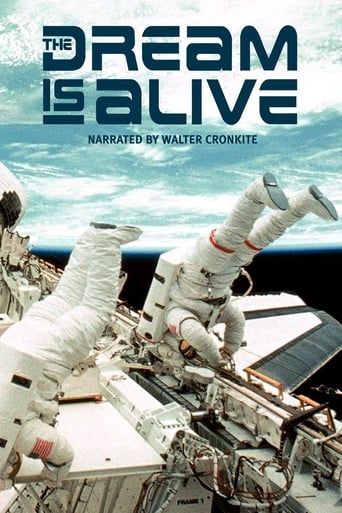
The Dream Is Alive takes you into space alongside the astronauts on the space shuttle. Share with them the delights of zero gravity while working, eating and sleeping in orbit around the Earth. Float as never before over the towering Andes, the boot of Italy, Egypt and the Nile. Witness firsthand a tension-filled satellite capture and repair and the historic first spacewalk by an American woman.
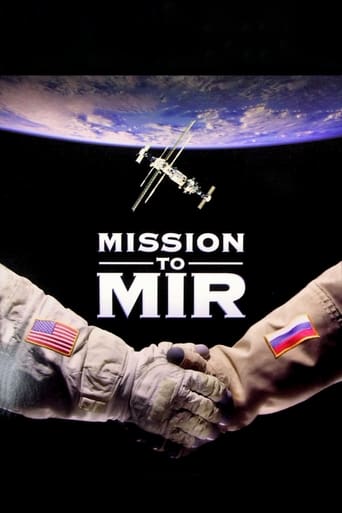
This film shows how far we have come since the cold-war days of the 50s and 60s. Back then the Russians were our "enemies". And to them the Americans were their "enemies" who couldn't be trusted. Somewhere in all this a young girl in Oklahoma named Shannon set her sights on becoming one of those space explorers, even though she was told "girls can't do that." But she did.
Comets pose one of the greatest threats to life on Earth - a threat that can only be countered if we find out more about them. In 2005, in an audacious bid to do just that, NASA scientists launched a space probe to collide with a comet in the emptiness of deep space. This film follows the amazing story of mission Deep Impact, from its inception through to the final nail-biting moments when the probe and comet Tempel 1 met head-on.
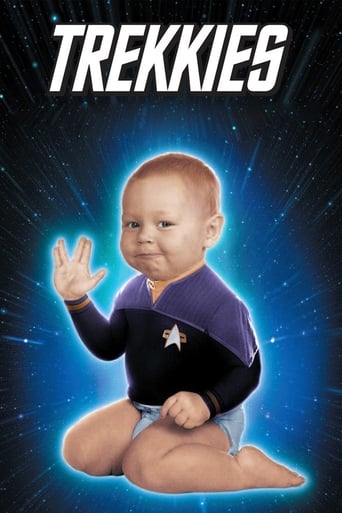
Denise Crosby takes a first look at the huge fans of "Star Trek" from around America and how the series has affected and shaped their lives.
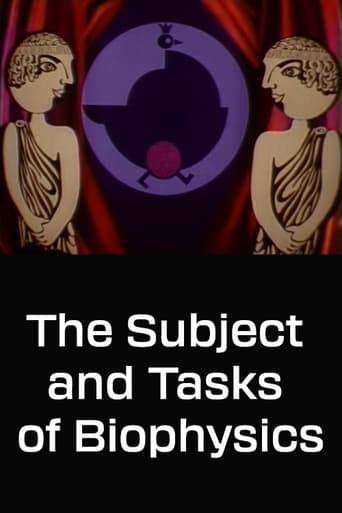
Experimental educational film reveals the emergence of some ideas of Biophysics in historical, philosophical and methodological aspects. The first film from the Biophysics Cycle (1982-1989).
CERN and the University of California-Santa Barbara are collaborating in the search for the elusive substance that physicists and astronomers believe holds the universe together -- dark matter. Where is this search now in the realm of particle physics and what comes next?
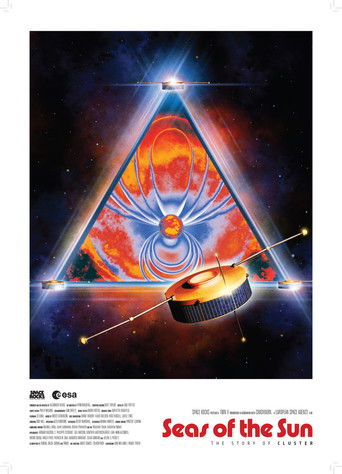
What began with tragedy ended in triumph. This is the untold story of the European Space Agency’s pioneering 25-year Cluster mission to study how invisible solar storms impact Earth's environment.
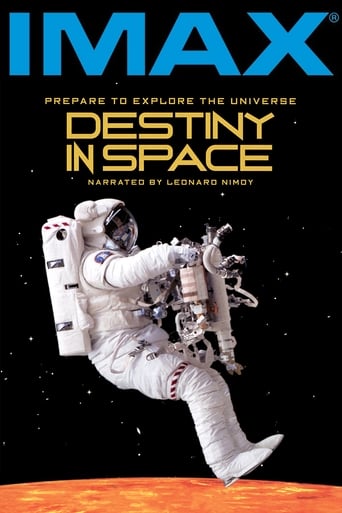
Travel alongside the astronauts as they deploy and repair the Hubble Space Telescope, soar above Venus and Mars, and find proof of new planets and the possibility of other life forming around distant stars.
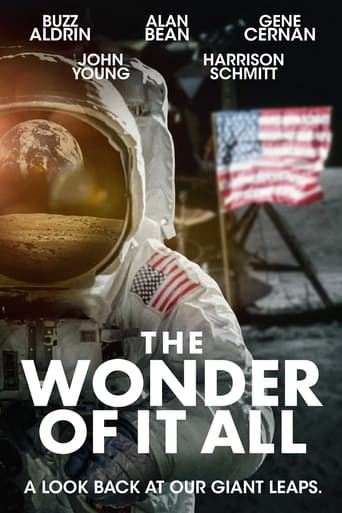
The Wonder of it All focuses on the human side of the men behind the Apollo missions through candid interviews with seven of the Apollo astronauts: Buzz Aldrin, Alan Bean, Edgar Mitchell, John Young, Charles Duke, Eugene Cernan and Harrison Schmitt. They all reflect on the training, the tragedies, the camaraderie, and the effect that their space travel has had on their families.
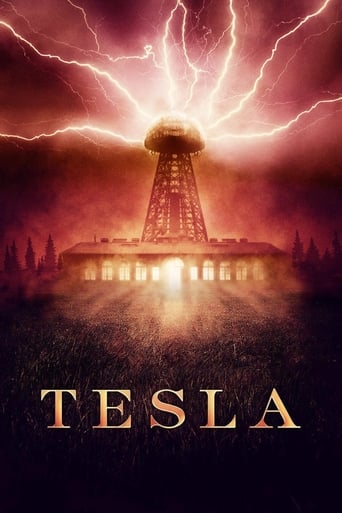
Meet Nikola Tesla, the genius engineer and tireless inventor whose technology revolutionized the electrical age of the 20th century. Although eclipsed in fame by Edison and Marconi, it was Tesla's vision that paved the way for today's wireless world. His fertile but undisciplined imagination was the source of his genius but also his downfall, as the image of Tesla as a mad scientist came to overshadow his reputation as a brilliant innovator.
A Cambridge geneticist dispels misconceptions about living with obesity and explores why the epidemic continues to expand across the UK and America.

This feature-length documentary is a portrait of eclipse chasers, people for whom solar eclipses - among nature's more spectacular phenomena – are a veritable obsession. The film follows 4 of them as they travel incredible distances to witness the last total eclipse of the millennium as it sweeps eastward across Europe to India. At various points along the way enthusiasts Alain Cirou in France, Paul Houde in Austria, Olivier Staiger in Germany and Debasis Sarkar in India offer their impressions of the historic event.