Gay Parie in Wartime
1919-03-16 · Runtime unavailable · Not rated
Released on March 16th, 1919. Produced by Burton Holmes.
Trailers are previews, not full movies.
No authorized playback source configured. Use the legal watch options below.
Production details
- Directors
- Unavailable
- Production companies
- Burton Holmes Travel Pictures
- Countries
- United States of America
- Status
- Released
Top Cast
Cast unavailable.
Title information and images are supplied by TMDb. Explore our discovery guide for advice on comparing metadata and legal viewing options.
Where to watch
Availability provided by JustWatch via TMDb. Offers can change. Provider links are listed on TMDb; full playback requires a separately authorized source.
Availability not listed for this country.
Seasons & episodes
Recommendations

The epic life story of Alice Guy-Blaché (1873–1968), a French screenwriter, director and producer, true pioneer of cinema, the first person who made a narrative fiction film; author of hundreds of movies, but banished from history books. Ignored and forgotten. At last remembered.
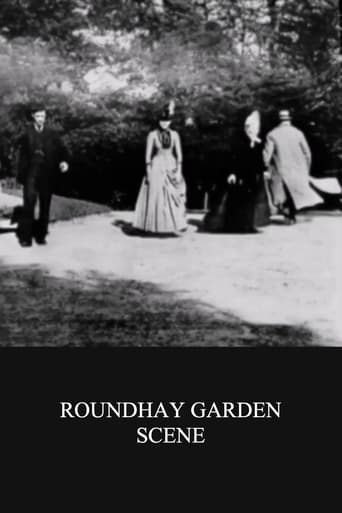
The earliest surviving motion-picture film, and believed to be one of the very first moving images ever created, was shot by Louis Aimé Augustin Le Prince using the LPCCP Type-1 MkII single-lens camera. It was taken on paper-based photographic film in the garden of Oakwood Grange, the Whitley family house in Roundhay, Leeds, West Riding of Yorkshire (UK), on 14 October 1888. The film shows Adolphe Le Prince (Le Prince’s son), Mrs. Sarah Whitley (Le Prince’s mother-in-law), Joseph Whitley, and Miss Harriet Hartley walking around in circles, laughing to themselves, and staying within the area framed by the camera. Roundhay Garden Scene is often associated with a recording speed of around 12 frames per second and runs for about 2 to 3 seconds.

The history of cinematic sound, told by legendary sound designers and visionary filmmakers.

Cameramen and women discuss the craft and art of cinematography and of the "DP" (the director of photography), illustrating their points with clips from 100 films, from Birth of a Nation to Do the Right Thing. Themes: the DP tells people where to look; changes in movies (the arrival of sound, color, and wide screens) required creative responses from DPs; and, these artisans constantly invent new equipment and try new things, with wonderful results. The narration takes us through the identifiable studio styles of the 30s, the emergence of noir, the New York look, and the impact of Europeans. Citizen Kane, The Conformist, and Gordon Willis get special attention.

A documentary about World War I with never-before-seen footage to commemorate the centennial of Armistice Day, and the end of the war.

When Allied forces liberated the Nazi concentration camps in 1944-45, their terrible discoveries were recorded by army and newsreel cameramen, revealing for the first time the full horror of what had happened. Making use of British, Soviet and American footage, the Ministry of Information’s Sidney Bernstein (later founder of Granada Television) aimed to create a documentary that would provide lasting, undeniable evidence of the Nazis’ unspeakable crimes. He commissioned a wealth of British talent, including editor Stewart McAllister, writer and future cabinet minister Richard Crossman – and, as treatment advisor, his friend Alfred Hitchcock. Yet, despite initial support from the British and US Governments, the film was shelved, and only now, 70 years on, has it been restored and completed by Imperial War Museums under its original title "German Concentration Camps Factual Survey".
A look behind the lens of Christopher Nolan's space epic.

Daniel Craig candidly reflects on his 15 year adventure as James Bond. Including never-before-seen archival footage from Casino Royale to the upcoming 25th film No Time To Die, Craig shares his personal memories in conversation with 007 producers, Michael G Wilson and Barbara Broccoli.

A compilation of over 30 years of private home movie footage shot by Lithuanian-American avant-garde director Jonas Mekas, assembled by Mekas "purely by chance", without concern for chronological order.
An intimate documentary delving into Rian Johnson's process as he comes in as a director new to the Star Wars universe.

Filmmakers discuss the legacy of Alfred Hitchcock and the book “Hitchcock/Truffaut” (“Le cinéma selon Hitchcock”), written by François Truffaut and published in 1966.
In 1975, Ryszard Kapuściński, a veteran Polish journalist, embarked on a seemingly suicidal road trip into the heart of the Angola's civil war. There, he witnessed once again the dirty reality of war and discovered a sense of helplessness previously unknown to him. Angola changed him forever: it was a reporter who left Poland, but it was a writer who returned…

Meet the real-life airmen who inspired Masters of the Air as they share the harrowing and transformative events of the 100th Bomb Group.

Prelude to War was the first film of Frank Capra's Why We Fight propaganda film series, commissioned by the Pentagon and George C. Marshall. It was made to convince American troops of the necessity of combating the Axis Powers during World War II. This film examines the differences between democratic and fascist states.
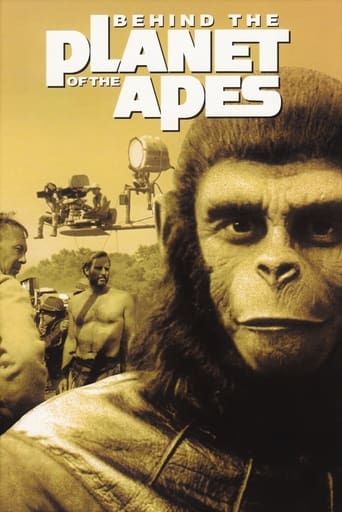
Roddy McDowall takes you, film by film, from production meetings to make-up sessions, then right onto the movie set to see the actual filming of the science fiction masterpiece. The most comprehensive history of Planet of the Apes ever created, this fascinating 127-minute documentary explores one of the most imaginative and influential series in movie history.
Documentary about the art of film editing. Clips are shown from many groundbreaking films with innovative editing styles.

A documentary about the life and films of director John Ford.
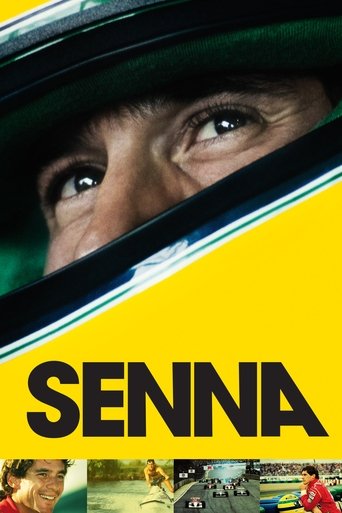
The remarkable story of Brazilian racing driver Ayrton Senna, charting his physical and spiritual achievements on the track and off, his quest for perfection, and the mythical status he has since attained, is the subject of Senna, a documentary feature that spans the racing legend's years as an F1 driver, from his opening season in 1984 to his untimely death a decade later.

As a visually radical memoir, CAMERAPERSON draws on the remarkable footage that filmmaker Kirsten Johnson has shot and reframes it in ways that illuminate moments and situations that have personally affected her. What emerges is an elegant meditation on the relationship between truth and the camera frame, as Johnson transforms scenes that have been presented on Festival screens as one kind of truth into another kind of story—one about personal journey, craft, and direct human connection.
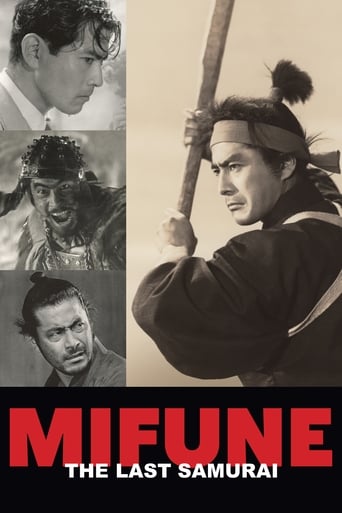
An account of the life and work of legendary Japanese actor Toshirō Mifune (1920-97), the most prominent actor of the Golden Age of Japanese cinema.
Similar titles

Chronicles the migrant crisis occurring in Europe and the consequences on both refugees and natives.
Short documentary about movies locations from Yugoslavian movies and how they look nowadays.
The T.N.P., the Théâtre National Populaire, an important experimental theater directed by Jean Vilar. Franju combines sequences from theatrical performances with documentary images, creating links and confrontations between theater and the real world.
Documentary film exploring the making, and legacy of 'Forbidden Planet'
Cinema and painting establish a fluid dialogue and begins with introspection in the themes and forms of the plastic work of a woman tormented by the elongated specters, originating from her obsessions and nightmares.

Shot in Quebec, Canada, The Subterranean Blackness of Roots is a 16mm film triptych which uses several processes specific to analog cinema (hand processing, optical printing, photochemical alteration). The film seeks to show the sensory experience of the invisible life of stones, plants and the nature that surrounds us. It’s a dive into the heart of matter, the essence of the vegetal world and the nourishing earth.

A journey through six different countries and characters into a world where chemistry is the ultimate response to human pursuits of well-being.


Characteristics and behavior of the house shrew are illustrated.
In a candid and unflinching portrait of Palestinian prisoners, Shimon Dotan takes viewers inside the highest security prisons in Israel where thousands of Palestinians fill these detention facilities.
Edoardo Iaschi (known as Eddie Brock) is an Italian indie singer born and raised in Rome. When his song “Non è mica te” unexpectedly goes viral on TikTok, Edo is thrust into the spotlight and forced to confront the realities of adulthood, fame, and a world far bigger than he ever imagined…
A homeless man living in a encampment in Minneapolis tells his perspective on the ongoing crisis of homelessness.
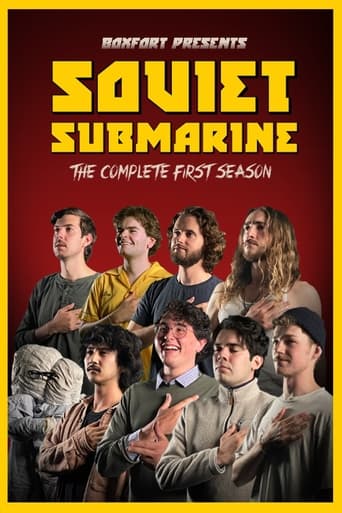
On March 26th, 2020, seven boys locked themselves in a house for 48 hours, with only potatoes, bread, and red light for survival. Watch the chaos unfold and tension rise between the comrades as they struggle to find a cure before it's too late.
A brief essay on the ecology of a forest along the Laurentian Shield, in Quebec.

To support his mother in Mexico, Angel, a nude dancer, turns the web into his new stage.
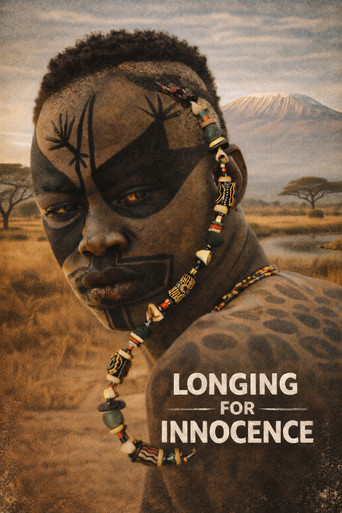
Between 1963 and 1976, filmmaker Leni Riefenstahl spent months living among in the Nuba people in the Kordofan Province of Sudan, documenting their cultural traditions as well as the everyday activities crucial to their very survival.
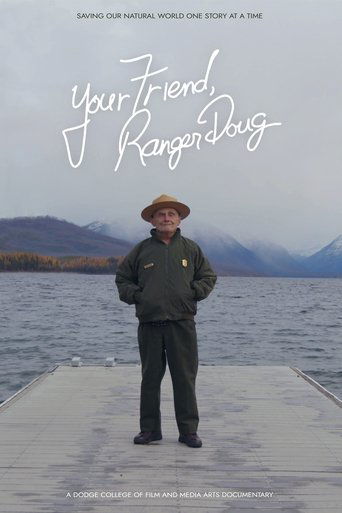
A 94-year-old Glacier National Park ranger confronts the decline of the park he calls home as he reflects on his life and the legacy he will leave behind.