A Trip to the Jenolan Caves of Australia
1918-01-14 · Runtime unavailable · Not rated
Travelogue produced by Burton Holmes. Released on January 14th, 1918.
Trailers are previews, not full movies.
No authorized playback source configured. Use the legal watch options below.
Production details
- Directors
- Unavailable
- Production companies
- Burton Holmes Travel Pictures
- Countries
- United States of America
- Status
- Released
Top Cast
Cast unavailable.
Title information and images are supplied by TMDb. Explore our discovery guide for advice on comparing metadata and legal viewing options.
Where to watch
Availability provided by JustWatch via TMDb. Offers can change. Provider links are listed on TMDb; full playback requires a separately authorized source.
Availability not listed for this country.
Seasons & episodes
Recommendations
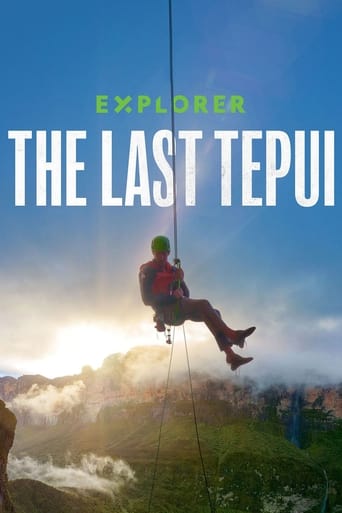
This documentary starring climber Alex Honnold and famous biologist Bruce Means document their expedition to the South American sky islands in search of new species and discoveries. Follows elite climber Alex Honnold and a world-class climbing team led by National Geographic Explorer and climber Mark Synnott on a grueling mission deep in the Amazon jungle as they attempt a first-ascent climb up a 1000 foot sheer cliff.

A visual montage portrait of our contemporary world dominated by globalized technology and violence.

When Allied forces liberated the Nazi concentration camps in 1944-45, their terrible discoveries were recorded by army and newsreel cameramen, revealing for the first time the full horror of what had happened. Making use of British, Soviet and American footage, the Ministry of Information’s Sidney Bernstein (later founder of Granada Television) aimed to create a documentary that would provide lasting, undeniable evidence of the Nazis’ unspeakable crimes. He commissioned a wealth of British talent, including editor Stewart McAllister, writer and future cabinet minister Richard Crossman – and, as treatment advisor, his friend Alfred Hitchcock. Yet, despite initial support from the British and US Governments, the film was shelved, and only now, 70 years on, has it been restored and completed by Imperial War Museums under its original title "German Concentration Camps Factual Survey".
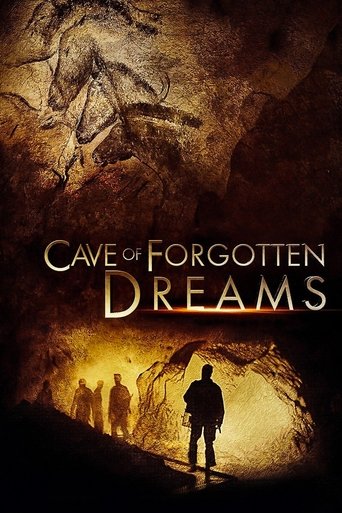
Werner Herzog gains exclusive access to film inside the Chauvet caves of Southern France, capturing the oldest known pictorial creations of humankind in their astonishing natural setting.
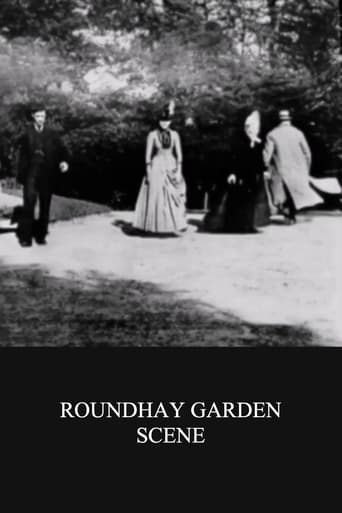
The earliest surviving motion-picture film, and believed to be one of the very first moving images ever created, was shot by Louis Aimé Augustin Le Prince using the LPCCP Type-1 MkII single-lens camera. It was taken on paper-based photographic film in the garden of Oakwood Grange, the Whitley family house in Roundhay, Leeds, West Riding of Yorkshire (UK), on 14 October 1888. The film shows Adolphe Le Prince (Le Prince’s son), Mrs. Sarah Whitley (Le Prince’s mother-in-law), Joseph Whitley, and Miss Harriet Hartley walking around in circles, laughing to themselves, and staying within the area framed by the camera. Roundhay Garden Scene is often associated with a recording speed of around 12 frames per second and runs for about 2 to 3 seconds.
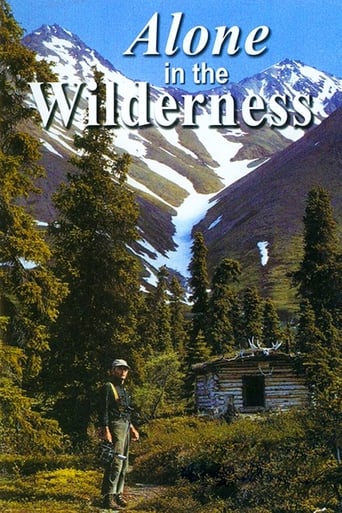
Dick Proenneke retired at age 50 in 1967 and decided to build his own cabin in the wilderness at the base of the Aleutian Peninsula, in what is now Lake Clark National Park. Using color footage he shot himself, Proenneke traces how he came to this remote area, selected a homestead site and built his log cabin completely by himself. The documentary covers his first year in-country, showing his day-to-day activities and the passing of the seasons as he sought to scratch out a living alone in the wilderness.

Carefully picked scenes of nature and civilization are viewed at high speed using time-lapse cinematography in an effort to demonstrate the history of various regions.
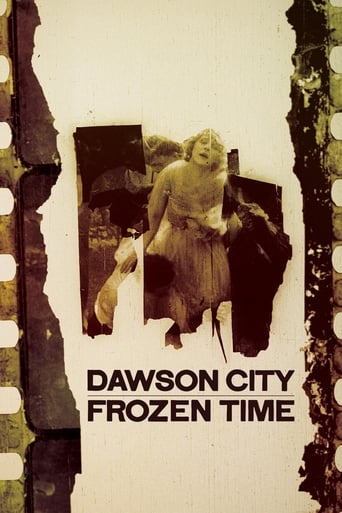
The true history of a collection of some 500 films dating from 1910s to 1920s, which were lost for over 50 years until being discovered buried in a sub-arctic swimming pool deep in the Yukon Territory, in Dawson City, located about 350 miles south of the Arctic Circle.
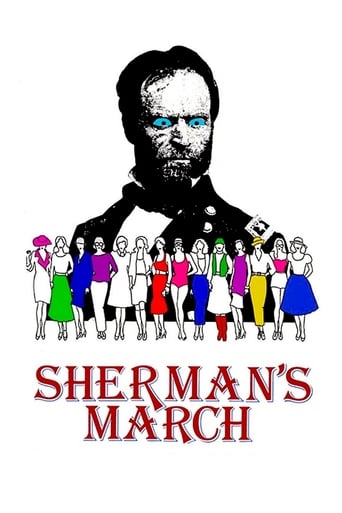
Documentarian Ross McElwee originally set out to make a travelogue of sorts tracing General William T. Sherman's infamous scorched-earth march through the Confederacy in the latter stages of the Civil War. Instead, haunted by a recent breakup with a girlfriend, McElwee ends up documenting his progress -- or lack thereof -- in starting a new relationship. His journey then becomes one of self-reflection and self-discovery rather than a historical/sociological exploration.

Daniel Craig candidly reflects on his 15 year adventure as James Bond. Including never-before-seen archival footage from Casino Royale to the upcoming 25th film No Time To Die, Craig shares his personal memories in conversation with 007 producers, Michael G Wilson and Barbara Broccoli.

A compilation of over 30 years of private home movie footage shot by Lithuanian-American avant-garde director Jonas Mekas, assembled by Mekas "purely by chance", without concern for chronological order.

Unravel the case of Utah therapist Jodi Hildebrandt, whose child abuse arrest with parenting YouTuber Ruby Franke exposed a twisted tale of manipulation.
Images of two women, two men, and a gray cat form a montage of rapid bits of movement. A woman is in a bedroom, another wears an apron: they work with their hands, occasionally looking up. A man enters a room, a woman smiles. He sits, another man sits and smokes. The cat stretches. There are close-ups of each. The light is dim; a filter accentuates red. A bare foot stands on a satin sheet. A woman disrobes. She pets the cat. Preserved by the Academy Film Archive in 2006.
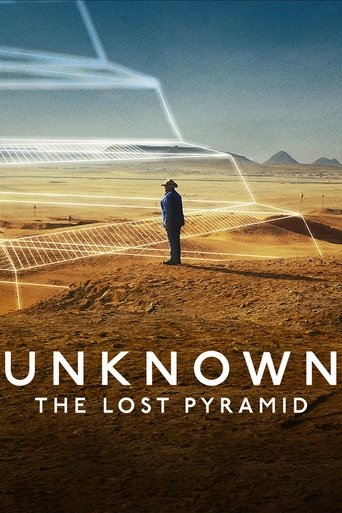
Egyptian archaeologists dig into history, discovering tombs and artifacts over 4,000 years old as they search for a buried pyramid in this documentary.
In 1972, a seemingly typical shoestring budget pornographic film was made in a Florida hotel: "Deep Throat," starring Linda Lovelace. This film would surpass the wildest expectation of everyone involved to become one of the most successful independent films of all time. It caught the public imagination which met the spirit of the times, even as the self-appointed guardians of public morality struggled to suppress it, and created, for a brief moment, a possible future where sexuality in film had a bold artistic potential. This film covers the story of the making of this controversial film, its stunning success, its hysterical opposition along with its dark side of mob influence and allegations of the on set mistreatment of the film's star.
Described as being a film about determination, danger and the ocean’s greatest depths, James Cameron's "Deepsea Challenge 3D" tells the story of Cameron’s journey to fulfill his boyhood dream of becoming an explorer. The movie offers a unique insight into Cameron's world as he makes that dream reality – and makes history – by becoming the first person to travel solo to the deepest point on the planet.
A documentary about the making of David Fincher's 2008 film THE CURIOUS CASE OF BENJAMIN BUTTON. Virtually every element in the evolution of the Fincher's film is documented here, from the project's attachment to numerous other directors during the 1990s, to its shoot in 2006 and 2007 in New Orleans, to its complex, CGI-intensive postproduction process.
In 1975, Ryszard Kapuściński, a veteran Polish journalist, embarked on a seemingly suicidal road trip into the heart of the Angola's civil war. There, he witnessed once again the dirty reality of war and discovered a sense of helplessness previously unknown to him. Angola changed him forever: it was a reporter who left Poland, but it was a writer who returned…

A feature-length exploration of the game's creation, and a love letter to the trials of exploring new territory. There are no road maps or guide books for creating a new world. The only way through is to fail—over and over again. This is the story of how a team of artists, musicians, programmers, writers, actors, filmmakers, playtesters, and a lonely UI designer—came together and pushed each other to build something larger than themselves.
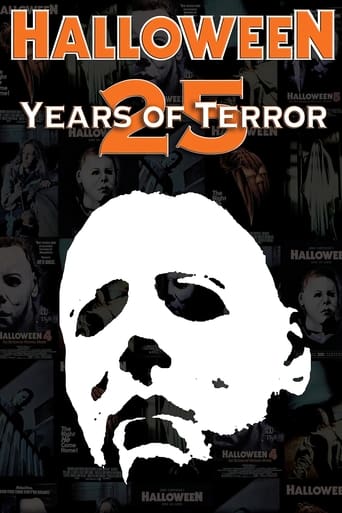
Follow the evolution of the 'Halloween' movies over the past twenty-five years. It examines why the films are so popular and revisits many of the original locations used in the films - seeing the effects on the local community. For the first time, cast, crew, critics and fans join together in the ultimate 'Halloween' retrospective.
Similar titles
A pro-Republican propaganda documentary made during the Spanish Civil War. It reports on the demonstration held in Barcelona on December 27, 1937 to commemorate the capture of Teruel by the Republican forces.
A lyrical and haunting portrait of reindeer herding in the twilight expanses of the Lappish wilderness.
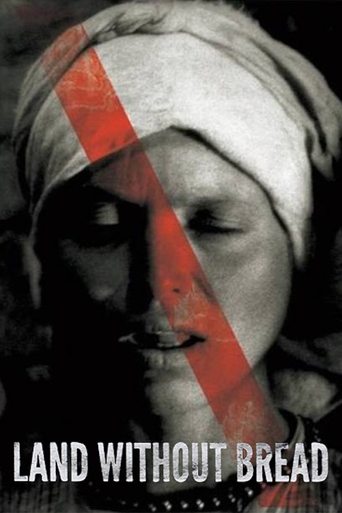
An exploration —manipulated and staged— of life in Las Hurdes, in the province of Cáceres, in Extremadura, Spain, as it was in 1932. Insalubrity, misery and lack of opportunities provoke the emigration of young people and the solitude of those who remain in the desolation of one of the poorest and least developed Spanish regions at that time.
A short lyrical document about an ancient Oriental discipline, this film moves from the streets of China, where the people practice Tai-Chi daily, to North America, where the same movements are executed by a solitary figure in a park.
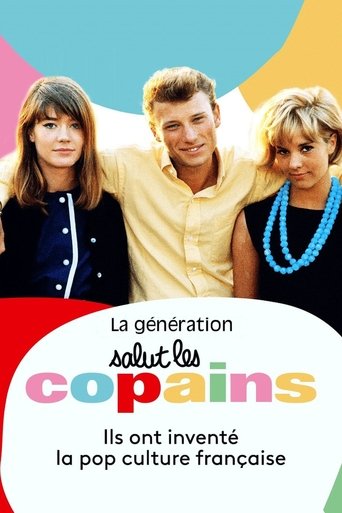

Daniela, a young woman coming out of a breakup, moves to Lisbon for a few months. Feeling lonely, she starts dating Diogo, a happy-go-lucky guy she meets on Tinder. They get to know each other as they explore solitude, love, and friendship, aware that they will soon part ways.


Short film made by Elio Belletti.
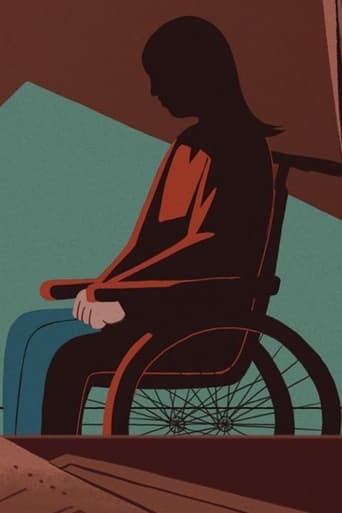
People with learning disabilities often experience worse physical and mental health. This film is a starting point to address these inequalities.
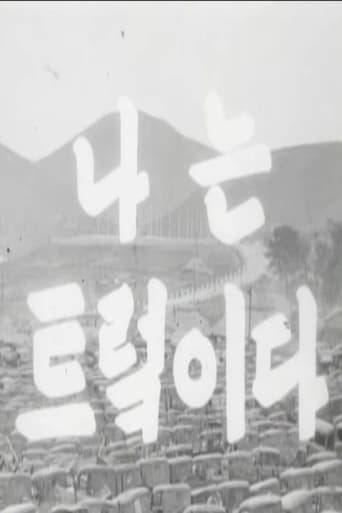
Worldy renowned for his masterpiece The Housemaid (1960), Kim Ki-young debuts with his first short film I Am a Truck (1953), which was sponsored by UN and made a year after the armistice of the Korean War. This film is a fascinating glimpse into the mind of a soon-to-be powerful auteur and influential filmmaker in the post-war Korean cinema, if not the whole history of Korean cinema.

12 years later, a failed school short film is resignified to share the multiple experiences that exist in the creation of a film.

Every year, tens of thousands of children are forced to leave their countries unaccompanied by an adult.
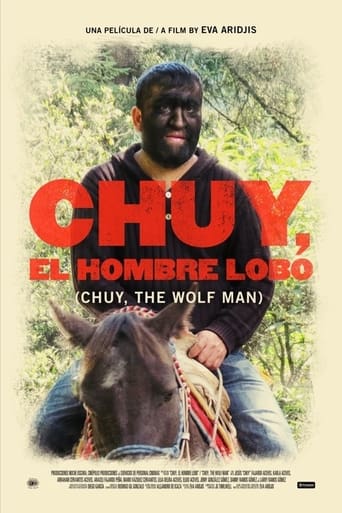
Jesus 'Chuy' Aceves and a dozen living members of his extended family suffer from the very rare condition of congenital hypertrichosis, meaning they were born with excessive hair on their faces and bodies. Due to their appearance, they suffer from discrimination in all areas of their lives: the children are made fun of at school and abandoned by their 'non-hairy' parents, and the adults cannot find work unless they choose to exhibit themselves as freaks in circuses. This moving and visually arresting documentary is a portrait of Chuy and his family members. It examines their day-to-day lives and their struggle to find love, acceptance and employment.

A Good Wolf is a feature-length documentary film examining a 40-year conflict over a single tract of land adjacent to Denali National Park—a volatile struggle between state and federal authorities, fur trappers and wildlife advocates, and competing human interests on public lands. Armed with thorough data, biologists and activists bring a new proposal to state authorities, hoping to regain protections for wolves near the park boundary. But local trappers are adamantly opposed. Hanging in the balance are some of America’s most iconic landscapes and wildlife -- including the remarkable Wolf 1202.
A poetic journey through the paths and places of old Castile that were traveled and visited by the melancholic knight Don Quixote of La Mancha and his judicious squire Sancho Panza, the immortal characters of Miguel de Cervantes, which offers a candid depiction of rural life in Spain in the early 1930s and illustrates the first sentence of the first article of the Spanish Constitution of 1931, which proclaims that Spain is a democratic republic of workers of all kind.
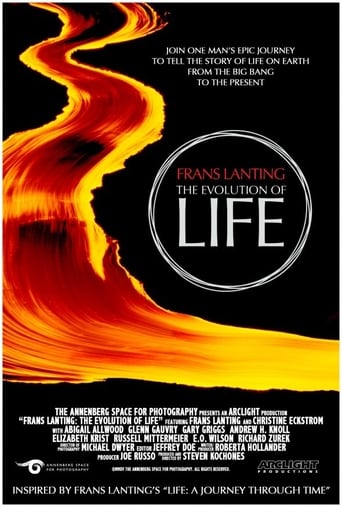
A dazzling journey through time via the remarkable images of National Geographic photographer Frans Lanting and his epic "LIFE" project, which presents a stunning interpretation of life on Earth, from the Big Bang through the present.
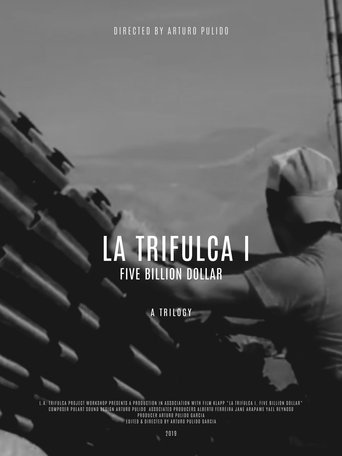
An exodus of migrants settled in Tijuana and they hope to cross each day regardless of the consequences, the children tell us what they see, want and what they are willing to pay.
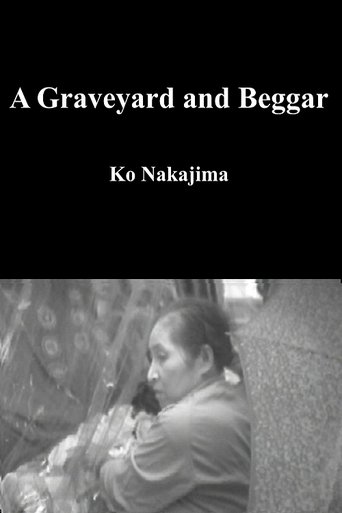
A work of Video Earth Tokyo, it is an interview with a homeless who lived in the Aoyama cemetery. Photography by Michael Goldberg.

A 10-year-old boy and his father support themselves by pulling a cart through Bombay's chaotic traffic. One day when they visit the doctor, they are told that they should change jobs. A visual and sound intensive documentary about a nightmarish traffic situation beyond all control.
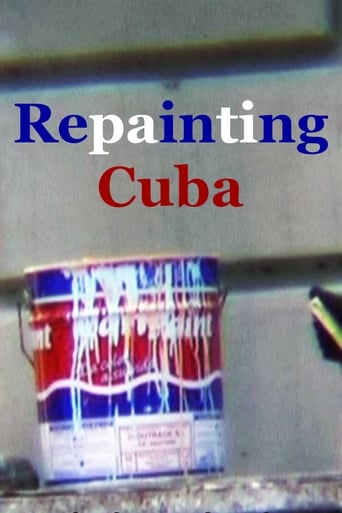
Repainting Cuba takes a critical look at communist Cuba, where both the facades and the aging regime were given a coating of colorful paint in connection with the 50 year anniversary of the revolution. Two young Cubans under house arrest talk about being imprisoned for dealing with foreign tourists in a society where gossip and backstabbing is endemic, and where the heavy varnish can’t conceal the cracks.