Old and New Manila
1916-04-03 · Runtime unavailable · Not rated
Released on the third of April, 1916. Produced by Burton Holmes.
Trailers are previews, not full movies.
No authorized playback source configured. Use the legal watch options below.
Production details
- Directors
- Unavailable
- Production companies
- Burton Holmes Travel Pictures
- Countries
- United States of America
- Status
- Released
Top Cast
Cast unavailable.
Title information and images are supplied by TMDb. Explore our discovery guide for advice on comparing metadata and legal viewing options.
Where to watch
Availability provided by JustWatch via TMDb. Offers can change. Provider links are listed on TMDb; full playback requires a separately authorized source.
Availability not listed for this country.
Seasons & episodes
Recommendations

A compilation of over 30 years of private home movie footage shot by Lithuanian-American avant-garde director Jonas Mekas, assembled by Mekas "purely by chance", without concern for chronological order.

The epic life story of Alice Guy-Blaché (1873–1968), a French screenwriter, director and producer, true pioneer of cinema, the first person who made a narrative fiction film; author of hundreds of movies, but banished from history books. Ignored and forgotten. At last remembered.
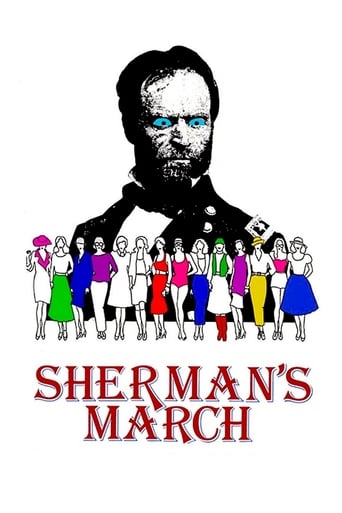
Documentarian Ross McElwee originally set out to make a travelogue of sorts tracing General William T. Sherman's infamous scorched-earth march through the Confederacy in the latter stages of the Civil War. Instead, haunted by a recent breakup with a girlfriend, McElwee ends up documenting his progress -- or lack thereof -- in starting a new relationship. His journey then becomes one of self-reflection and self-discovery rather than a historical/sociological exploration.
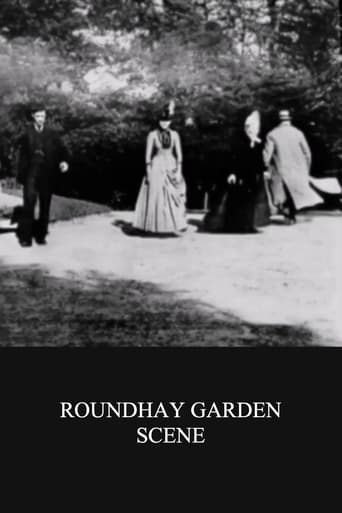
The earliest surviving motion-picture film, and believed to be one of the very first moving images ever created, was shot by Louis Aimé Augustin Le Prince using the LPCCP Type-1 MkII single-lens camera. It was taken on paper-based photographic film in the garden of Oakwood Grange, the Whitley family house in Roundhay, Leeds, West Riding of Yorkshire (UK), on 14 October 1888. The film shows Adolphe Le Prince (Le Prince’s son), Mrs. Sarah Whitley (Le Prince’s mother-in-law), Joseph Whitley, and Miss Harriet Hartley walking around in circles, laughing to themselves, and staying within the area framed by the camera. Roundhay Garden Scene is often associated with a recording speed of around 12 frames per second and runs for about 2 to 3 seconds.
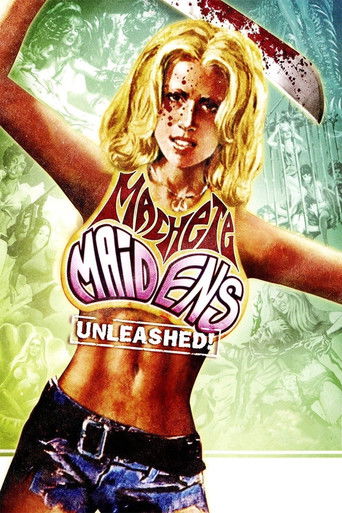
In the final decades of the 20th century, the Philippines was a country where low-budget exploitation-film producers were free to make nearly any kind of movie they wanted, any way they pleased. It was a country with extremely lax labor regulations and a very permissive attitude towards cultural expression. As a result, it became a hotbed for the production of cheapie movies. Their history and the genre itself are detailed in this breezy, nostalgic documentary.

When Allied forces liberated the Nazi concentration camps in 1944-45, their terrible discoveries were recorded by army and newsreel cameramen, revealing for the first time the full horror of what had happened. Making use of British, Soviet and American footage, the Ministry of Information’s Sidney Bernstein (later founder of Granada Television) aimed to create a documentary that would provide lasting, undeniable evidence of the Nazis’ unspeakable crimes. He commissioned a wealth of British talent, including editor Stewart McAllister, writer and future cabinet minister Richard Crossman – and, as treatment advisor, his friend Alfred Hitchcock. Yet, despite initial support from the British and US Governments, the film was shelved, and only now, 70 years on, has it been restored and completed by Imperial War Museums under its original title "German Concentration Camps Factual Survey".

Daniel Craig candidly reflects on his 15 year adventure as James Bond. Including never-before-seen archival footage from Casino Royale to the upcoming 25th film No Time To Die, Craig shares his personal memories in conversation with 007 producers, Michael G Wilson and Barbara Broccoli.
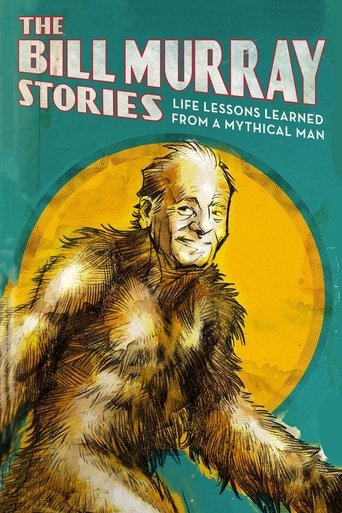
One man’s journey to find meaning in Bill Murray’s many unexpected adventures with everyday people, rare and never-before seen footage of the comedic icon participating in stories previously presumed to be urban legend.

A documentary about the life and films of director John Ford.

A visual montage portrait of our contemporary world dominated by globalized technology and violence.

The history of cinematic sound, told by legendary sound designers and visionary filmmakers.
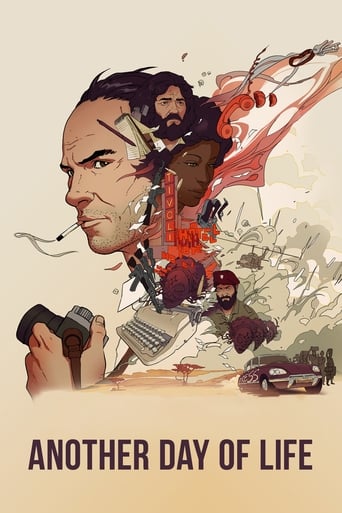
In 1975, Ryszard Kapuściński, a veteran Polish journalist, embarked on a seemingly suicidal road trip into the heart of the Angola's civil war. There, he witnessed once again the dirty reality of war and discovered a sense of helplessness previously unknown to him. Angola changed him forever: it was a reporter who left Poland, but it was a writer who returned…

Ranjit, a farmer in India, takes on the fight of his life when he demands justice for his 13-year-old daughter, the victim of a brutal gang rape. His decision to support his daughter is virtually unheard of, and his journey unprecedented.
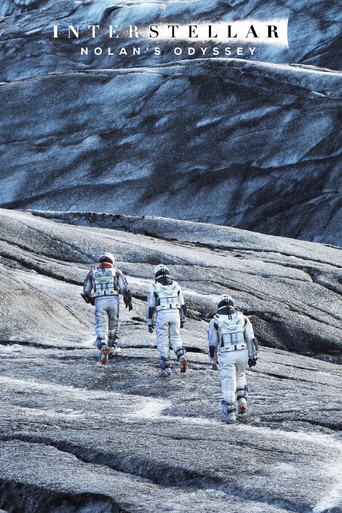
A look behind the lens of Christopher Nolan's space epic.
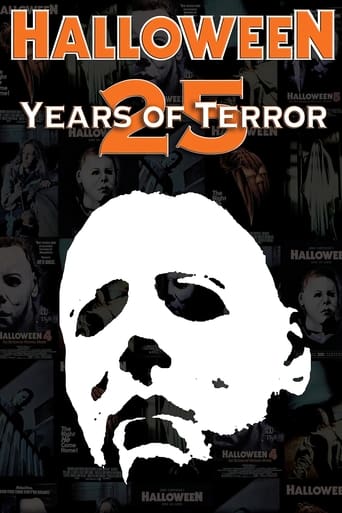
Follow the evolution of the 'Halloween' movies over the past twenty-five years. It examines why the films are so popular and revisits many of the original locations used in the films - seeing the effects on the local community. For the first time, cast, crew, critics and fans join together in the ultimate 'Halloween' retrospective.

Through deeply personal interviews with her siblings and an examination of the photographs, letters, and belongings left behind, Mariska assembles a new portrait of her mother Jayne Mansfield, an extraordinary and complex woman.
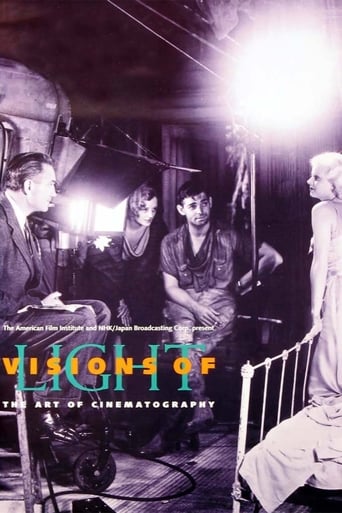
Cameramen and women discuss the craft and art of cinematography and of the "DP" (the director of photography), illustrating their points with clips from 100 films, from Birth of a Nation to Do the Right Thing. Themes: the DP tells people where to look; changes in movies (the arrival of sound, color, and wide screens) required creative responses from DPs; and, these artisans constantly invent new equipment and try new things, with wonderful results. The narration takes us through the identifiable studio styles of the 30s, the emergence of noir, the New York look, and the impact of Europeans. Citizen Kane, The Conformist, and Gordon Willis get special attention.
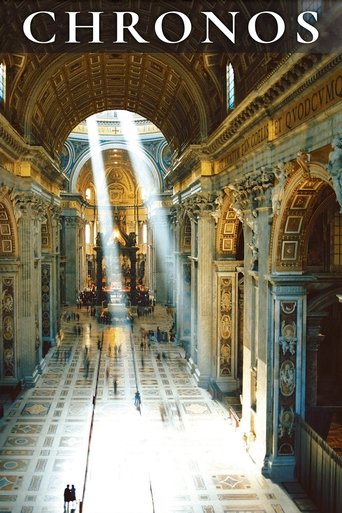
Carefully picked scenes of nature and civilization are viewed at high speed using time-lapse cinematography in an effort to demonstrate the history of various regions.

Director Michael Apted revisits the same group of British-born adults after a 7 year wait. The subjects are interviewed as to the changes that have occurred in their lives during the last seven years.
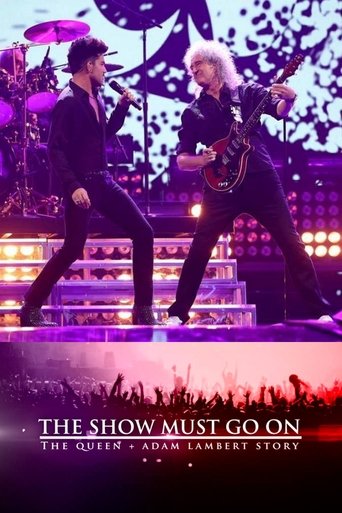
A documentary chronicling Queen and Lambert's incredible journey since they first shared the stage together on "American Idol" in 2009.
Similar titles
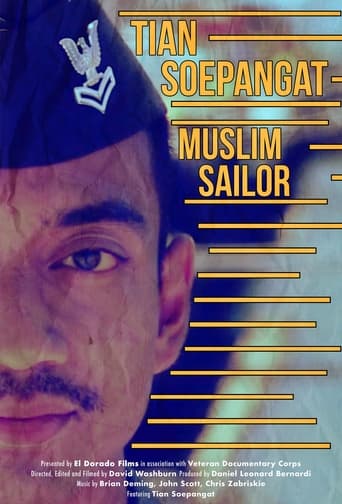
Tian Soepangat joins the U.S. Navy out of a commitment to helping others. As a Muslim, Tian is uncertain of his shipmates' attitudes toward his religion, and so he hides it. Eventually discovering he doesn't have to hide his faith, he is free to express pride in his heritage.
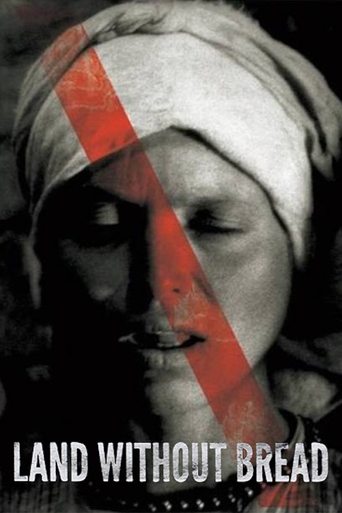
An exploration —manipulated and staged— of life in Las Hurdes, in the province of Cáceres, in Extremadura, Spain, as it was in 1932. Insalubrity, misery and lack of opportunities provoke the emigration of young people and the solitude of those who remain in the desolation of one of the poorest and least developed Spanish regions at that time.

Pereda returns with a small, mysterious and moving tribute to Chantal Akerman, conceived as a series of joyful impossible letters addressed to the great disappeared from the cinema, to answer her fictional question about renting her bright apartment in Coyoacán.

The Bitterfeld lignite combine includes a large number of lignite plants, open-cast mines, power stations and briquette factories. The film presents several mining professions, shows miners' jobs, mostly in connection with modern mining technology, and points out the great prospects that mining offers in a wide variety of professions.

Haunting colour travelogue taking in Ulster, Lewis, Lincoln and Cardiff's Tiger Bay.

This Traveltalk series short visits Hungary's capital, Budapest.
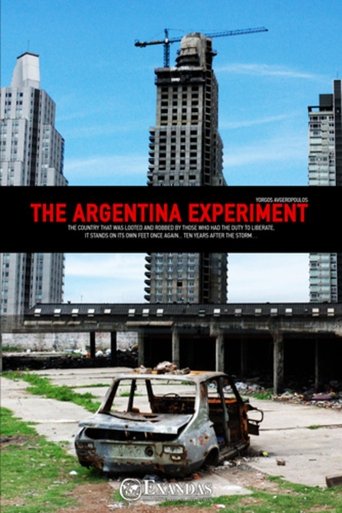
In December 2001, in Buenos Aires, great crowds of people are heading towards the historic square Plaza de Mayo. Argentina, once amongst the richest economies in the world, has gone bankrupt. The government has resigned and Argentina’s president, Fernando de la Rua, flees from the presidential residency in a helicopter, amidst a storm of enraged people clashing with the police, breaking banks, looting super markets and shouting “Out with the lot of them!” The 2001 social explosion marked the end of a neoliberal economic model which lasted 10 years and left a toll of 35 deaths (murdered by the police and the private guards of the banks), 30,000 collateral damages (suicides, heart and brain attacks) and approximately 20,000,000 (over half the population) submerged in poverty and misery.
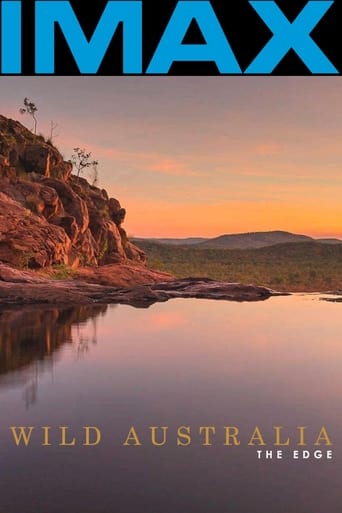
From beautiful but dangerous waterfalls to canyons and underground rivers carved into stone millions of years ago, Wild Australia is a stunning look at our fragile world and how it relates to Earth of ninety million years ago
A road safety film for pedestrians in city traffic. Demonstrates typical unsafe practices.

Short documentary about Twin Peaks: The Return.
Two women in a living room: smoking, playing cards, listening to the radio. As often in Dwoskin’s films, the use of masks, make-up and costumes allows the characters to playfully transform themselves. Shot in colour film, C-film exuberates swinging London energy. In the second part of the film, the women appear to be watching the rushes of the film on an editing table. ”We are making a movie” we hear them say. As Dwoskin points out, “C-film asks how much is acting acted”, an ongoing question in Dwoskin’s cinema. Produced by Alan Power, with Esther Anderson & Sally Geeson.
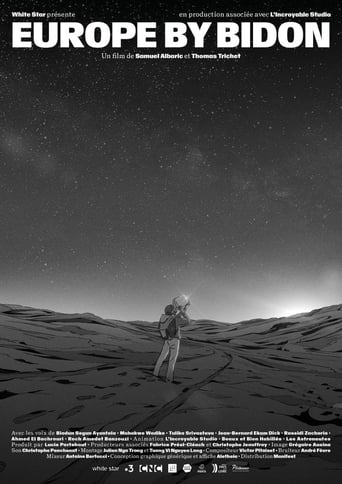
Biodun is Nigerian. In this animated documentary, he tells the story of his journey on foot from Lagos to Paris, how he survives with a container (un bidon) and thanks to his courage. With his amazing patter, he transforms the events into extraordinary adventures.

The earliest 'rockumentary' of John Mayall and his musicians filmed in their homes, dressing rooms, motorways, airports, clubs, concert halls and at festivals.
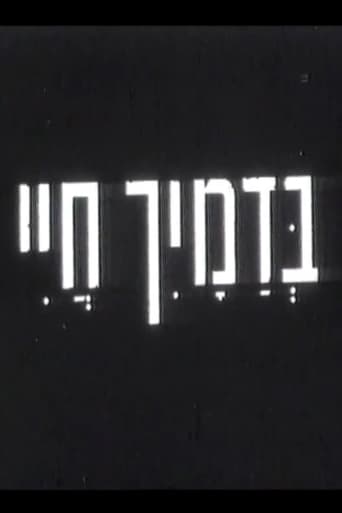
Candles, tears of crying women, memories: that is how the film In Thy Blood Live begins. David Perlov's camera travels over photographs, focuses on faces that are no more, as in a gesture of parting. The history of the Holocaust is revealed in this film in a condensed, intensive way: first the memorials for the victims throughout Israel, and only then the beginning of it all - the rise of the Nazi regime, the Ghetto with its hunger and death, but with its music and theatre too, the uprising, the death camps; and it ends with the trial of Adolf Eichmann, one of the chief architects of the genocide. The music of Oedoen Partos, blending Jewish, Israeli and European motives, helps portray in sounds that lost world which now belongs to memory alone
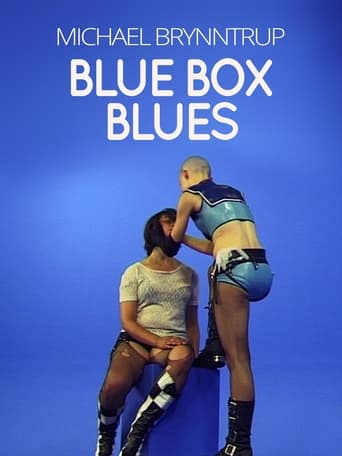
Captures the violence and tenderness, alongside the dominance and submission, that is found in a single, intimate embrace.

Presented by Prince Wilhelm of Sweden, a film about the Västergötland province.

This is a film about 12-year-old girls, made by 12-year-old girls, for 12-year-old girls, or anyone that has been a 12-year-old girl, or will be a 12-year-old girl, or wishes they were a 12-year-old girl. This inquisitive cross between a documentary and a theatre piece was created by Tilda Cobham-Hervey and twelve 12-year-old girls, where real girls articulate what they hope for, what they remember and what it feels like to be twelve. Performing themselves in a filmed field guide, together these specimens investigate their own species.
