

A Brave Engineer: Buster Keaton's Last Ride
2026-05-18 · 52 min · Not rated
From 1920 to 1965, the great Buster Keaton made spectacular use of locomotives in his films. This video essay charts the course of his iconic cinematic career across the many tracks he rode along on screen: as a young man in the surge of his silent movie ascent in Our Hospitality, while making his masterpiece The General, and traversing the width of Canada on a railway speeder car as an old man in The Railrodder.
Trailers are previews, not full movies.
No authorized playback source configured. Use the legal watch options below.
Production details
- Directors
- Luke Ryan
- Production companies
- Eureka Entertainment
- Countries
- United Kingdom
- Status
- Released
Top Cast
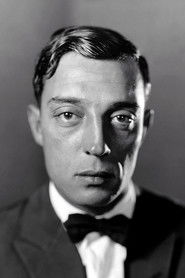 Buster KeatonSelf (Archival)
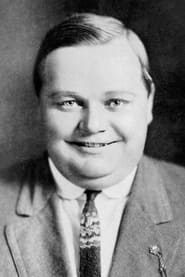 Roscoe ArbuckleSelf (Archival)
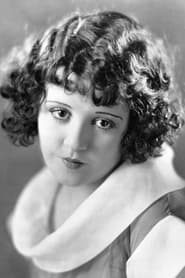 Marion MackSelf (Archival)
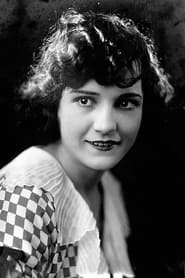 Sybil SeelySelf (Archival)
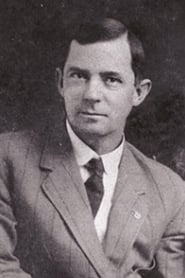 Joe KeatonSelf (Archival)
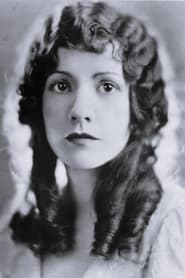 Natalie TalmadgeSelf (Archival)
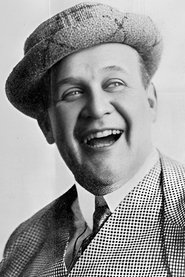 Joe RobertsSelf (Archival)
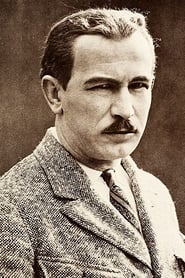 Glen CavenderSelf (Archival)
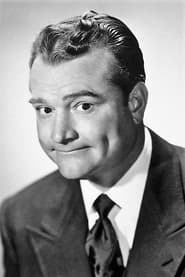 Red SkeltonSelf (Archival)
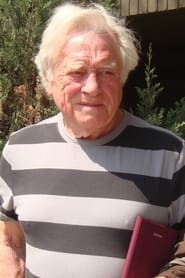 Gerald PottertonSelf (Archival)
Title information and images are supplied by TMDb. Explore our discovery guide for advice on comparing metadata and legal viewing options.
Where to watch
Availability provided by JustWatch via TMDb. Offers can change. Provider links are listed on TMDb; full playback requires a separately authorized source.
Availability not listed for this country.
Seasons & episodes
Recommendations
In 1974, Chilean-French director Alejandro Jodorowsky embarked on the quixotic project of adapting Frank Herbert's influential novel Dune (1969) for the big screen. After investing two years, and millions of dollars, the gigantic project ended in failure; but the artists Jodorowsky brought together to carry it out continued to work together, and ended up laying the foundations for modern science fiction cinema.
An impressionistic portrait of the iconic actor Harry Dean Stanton comprised of intimate moments, film clips from some of his 250 films and his renditions of American folk songs.
Since the invention of cinema, the standard format for recording moving images has been film. Over the past two decades, a new form of digital filmmaking has emerged, creating a groundbreaking evolution in the medium. Keanu Reeves explores the development of cinema and the impact of digital filmmaking via in-depth interviews with Hollywood masters, such as James Cameron, David Fincher, David Lynch, Christopher Nolan, Martin Scorsese, George Lucas, Steven Soderbergh, and many more.
Follow the evolution of the 'Halloween' movies over the past twenty-five years. It examines why the films are so popular and revisits many of the original locations used in the films - seeing the effects on the local community. For the first time, cast, crew, critics and fans join together in the ultimate 'Halloween' retrospective.

An atmospheric essay, which is an alternative version of Count Dracula, a film directed by Jess Franco in 1970; a ghostly narration between fiction and reality.

The history of cinematic sound, told by legendary sound designers and visionary filmmakers.
Cast, crew and fans explore the "Back to the Future" time-travel trilogy's resonance throughout our culture, thirty years after Marty McFly went back in time.

Daniel Craig candidly reflects on his 15 year adventure as James Bond. Including never-before-seen archival footage from Casino Royale to the upcoming 25th film No Time To Die, Craig shares his personal memories in conversation with 007 producers, Michael G Wilson and Barbara Broccoli.
Filmmaker Lawrence Shapiro discusses voice-over acting with the talented people behind the characters.
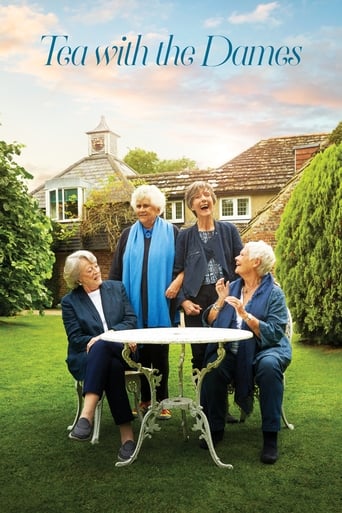
BBC Arena's documentary on the Dames of British Theatre and film featuring Maggie Smith, Eileen Atkins, Judi Dench and Joan Plowright on screen together for the first time as they reminisce over a long summer weekend in a house Joan once shared with Sir Laurence Olivier.
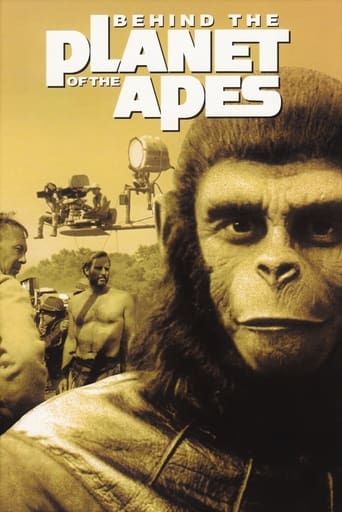
Roddy McDowall takes you, film by film, from production meetings to make-up sessions, then right onto the movie set to see the actual filming of the science fiction masterpiece. The most comprehensive history of Planet of the Apes ever created, this fascinating 127-minute documentary explores one of the most imaginative and influential series in movie history.
Robert Altman's life and career contained multitudes. This father of American independent cinema left an indelible mark, not merely on the evolution of his art form, but also on the western zeitgeist. With its use of rare interviews, representative film clips, archival images, and musings from his family and most recognizable collaborators, Altman is a dynamic and heartfelt mediation on an artist whose expression, passion and appetite knew few bounds.

Al Pacino's deeply-felt rumination on Shakespeare's significance and relevance to the modern world through interviews and an in-depth analysis of "Richard III."

As a visually radical memoir, CAMERAPERSON draws on the remarkable footage that filmmaker Kirsten Johnson has shot and reframes it in ways that illuminate moments and situations that have personally affected her. What emerges is an elegant meditation on the relationship between truth and the camera frame, as Johnson transforms scenes that have been presented on Festival screens as one kind of truth into another kind of story—one about personal journey, craft, and direct human connection.
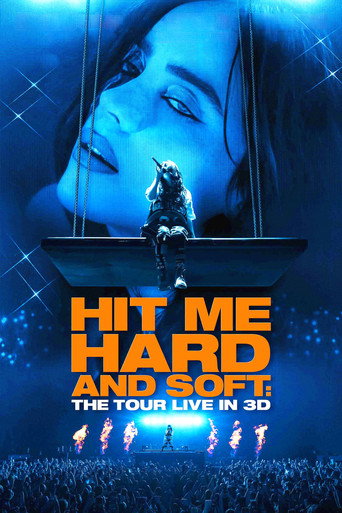
Captured during Billie Eilish's sold-out world tour, a concert experience from one of the most celebrated and successful artists of her generation, presented in immersive 3D.

Documentary filmmaker Amy Berg investigates the life of 30-year pedophile Father Oliver O'Grady and exposes the corruption inside the Catholic Church that allowed him to abuse countless children. Victims' stories and a disturbing interview with O'Grady offer a view into the troubled mind of the spiritual leader who moved from parish to parish gaining trust ... all the while betraying so many.

The life and career of an actor, artist, and icon. His own journey through his own camera.

Martin Scorsese, Robert De Niro, Joe Pesci, and Al Pacino in conversation about The Irishman.
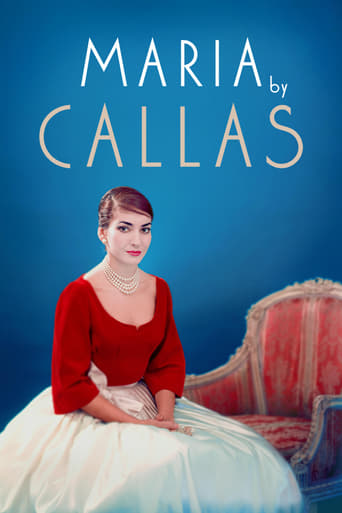
Told through performances, TV interviews, home movies, family photographs, private letters and unpublished memoirs, the film reveals the essence of an extraordinary woman who rose from humble beginnings in New York City to become a glamorous international superstar and one of the greatest artists of all time.

The epic life story of Alice Guy-Blaché (1873–1968), a French screenwriter, director and producer, true pioneer of cinema, the first person who made a narrative fiction film; author of hundreds of movies, but banished from history books. Ignored and forgotten. At last remembered.
Similar titles
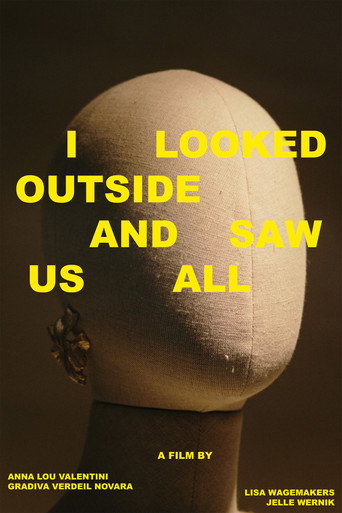
A variety of storefront mannequins look at, contemplate on, and talk about public space.
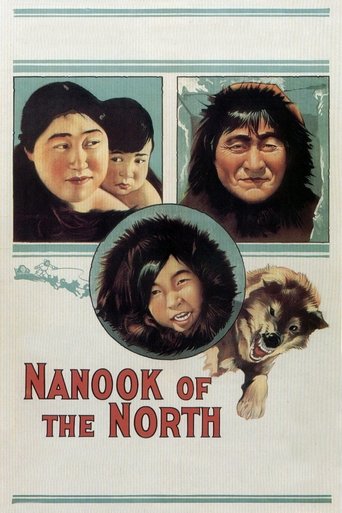
This pioneering documentary film depicts the lives of the indigenous Inuit people of Canada's northern Quebec region. Although the production contains some fictional elements, it vividly shows how its resourceful subjects survive in such a harsh climate, revealing how they construct their igloo homes and find food by hunting and fishing. The film also captures the beautiful, if unforgiving, frozen landscape of the Great White North, far removed from conventional civilization.
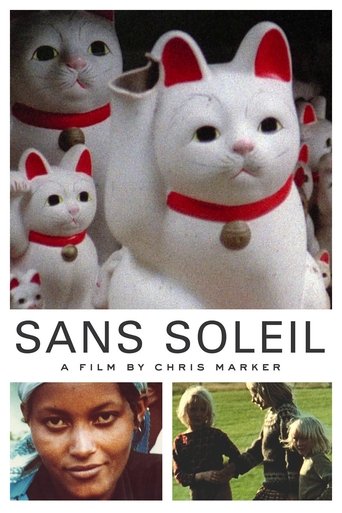
A woman narrates the thoughts of a world traveler, meditations on time and memory expressed in words and images from places as far-flung as Japan, Guinea-Bissau, Iceland, and San Francisco.
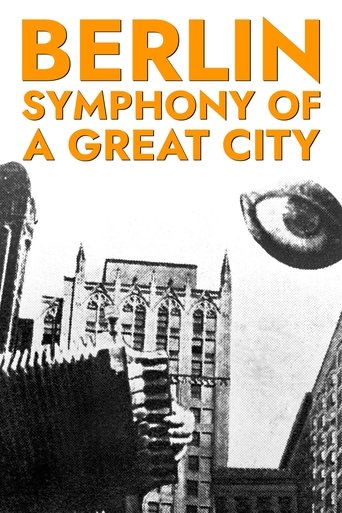
A day in the city of Berlin, which experienced an industrial boom in the 1920s, and still provides an insight into the living and working conditions at that time. Germany had just recovered a little from the worst consequences of the First World War, the great economic crisis was still a few years away and Hitler was not yet an issue at the time.
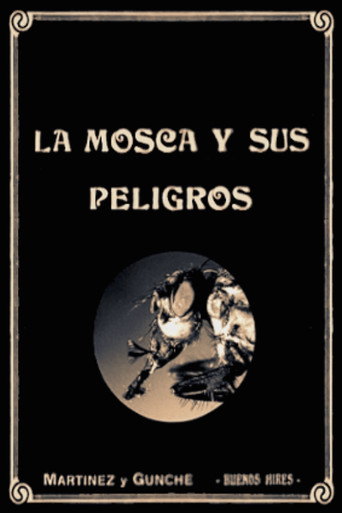
The Dangers of the Fly is an educational film made by Ernesto Gunche and Eduardo Martínez de la Pera, also responsible for Gaucho Nobility (1915), the biggest blockbuster of Argentinean silent cinema. De la Pera was a talented photographer, always willing to try new gadgets and techniques. This film experiments with microphotography in the style of Jean Comandon's films for Pathé and it is part of a series which included a film about mosquitoes and paludism and another one about cancer, which are considered lost. Flies were a popular subject of silent films and there are more than a dozen titles featuring them in the teens and early twenties.
Shot both on and from an elevated electric train.

Newsreel of the visit of sultan Mehmed V Resad to Bitola.
A retrospective about the world of the mineral, following different narrative lines, centered on housing, labor, transport, recreation among others. Original copy is lost, only 14 minutes are available.
The Weight of Sight is a playful and very personal essay where director Truls Krane Meby, through a massive archive of his own material - anything from DV-tapes to 35mm - explores the last 20 years of digital development - how it’s influenced the images we make, and our bodies. What kind of images do we get of the world now that everyone is a photographer, and what does it do with how we unfold our identities? How has the internet both captured and freed us? And will Truls even dare to show this film?

Clear Skies, Light Breeze, is a 2013 visual essay by Tati expert Stéphane Goudet about the debut of Monsieur Hulot

Footage of the expedition leaving Antarctica from New Zealand shot by government cameraman James McDonald. His excellency Admiral Sir Wilmot Hawksworth Fawkes, Commander-in-Chief of the Royal Navy's Australian Station, visits and inspects the "Nimrod."

A video essay on the history and morality of the Robin Hood legend.
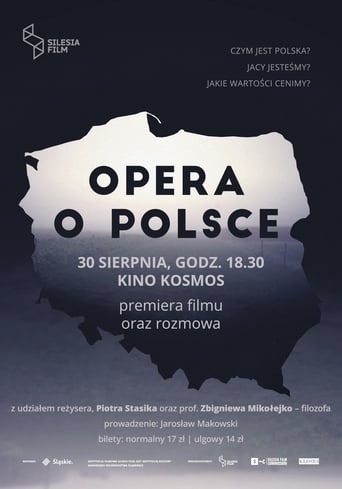
Pole, who are you? This film collage that combines archival and contemporary materials, documentary and staged pictures, press reports, social announcements, sale offers and speech excerpts is an attempt to answer this question. Referring to the Polish tradition of a creative documentary in the style of Wojciech Wiszniewski, the film presents various manifestations of Polishness: patriotic and religious rituals, everyday traditions as well as characteristic landscapes or intimate memories from childhood.
After the disappearance of Aldemar his wife decided to get overall uncertainty by including him in the list of deaths in the 1938 Colombian National Census. Today, 83 years later, I repeat her. I try to find myself among the numbers in the digital database in order to finish the torture that has also implied my own disappearance.
We look first at Westminster Abbey and the Towers of Parliament. And the sight-seeing only starts there as it continues to all the famous buildings of London.
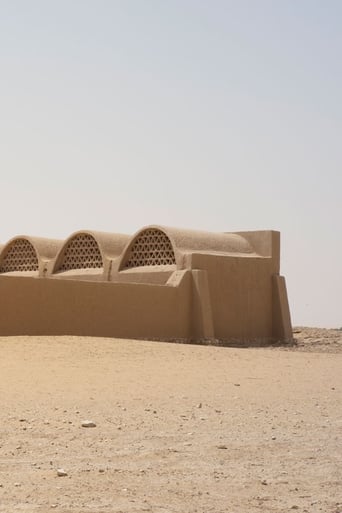
Egypt's only modernist architect Hassan Fathy (1900-1989) was committed to ecology and sustainability in his architecture. This film takes us with slow steps, in still images, to two villages he created. Fathy's historically grounded, forward-looking designs prompt us to reflect on the past as well as contemplate new solutions for the future.
From the behavior, discourse, and appearance of individual actors, Vachek composes, in the form of a mosaic, a broad and many-layered film-argument about Czechoslovak democracy in the period of its rebirth, all administered with the director’s inimitable point of view.
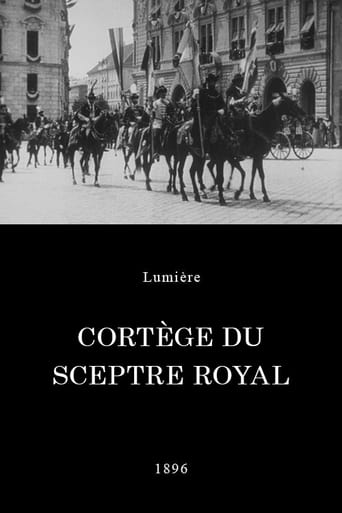
“These two views were taken during the celebrations given in 1896 on the occasion of the millennium of the founding of the Kingdom of Hungary.” Horsemen and foot soldiers parade, all dressed in historical uniforms.
A visual essay about Mario Bava's film "Shock" by Alexandra Heller-Nicholas examining the film’s imagery, objects, and connections between possession and puppetry.