

Photos
2024-02-01 · Runtime unavailable · Not rated
Trailers are previews, not full movies.
No authorized playback source configured. Use the legal watch options below.
Production details
- Directors
- Antoine Sextier
- Production companies
- Cintamani Films, Francute Production
- Countries
- France, Chile
- Status
- Released
- Budget
- USD 500
Top Cast
Title information and images are supplied by TMDb. Explore our discovery guide for advice on comparing metadata and legal viewing options.
Where to watch
Availability provided by JustWatch via TMDb. Offers can change. Provider links are listed on TMDb; full playback requires a separately authorized source.
Availability not listed for this country.
Seasons & episodes
Recommendations
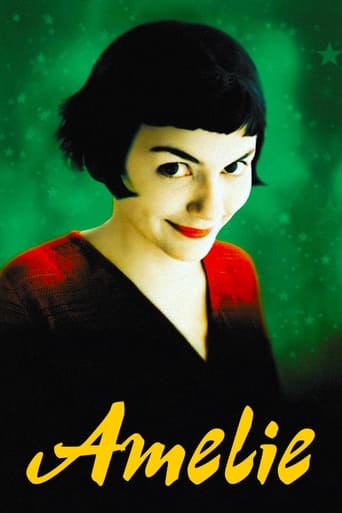
At a tiny Parisian café, the adorable yet painfully shy Amélie accidentally discovers a gift for helping others. Soon Amelie is spending her days as a matchmaker, guardian angel, and all-around do-gooder. But when she bumps into a handsome stranger, will she find the courage to become the star of her very own love story?
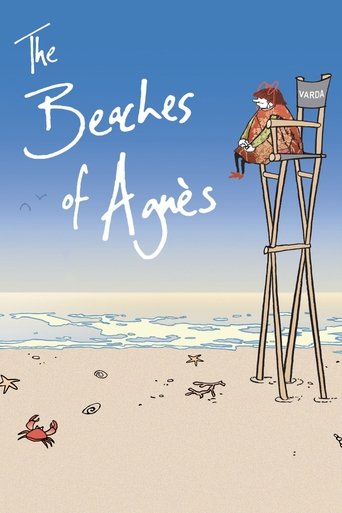
Filmmaking icon Agnès Varda, the award-winning director regarded by many as the grandmother of the French new wave, turns the camera on herself with this unique autobiographical documentary. Composed of film excerpts and elaborate dramatic re-creations, Varda's self-portrait recounts the highs and lows of her professional career, the many friendships that affected her life and her longtime marriage to cinematic giant Jacques Demy.
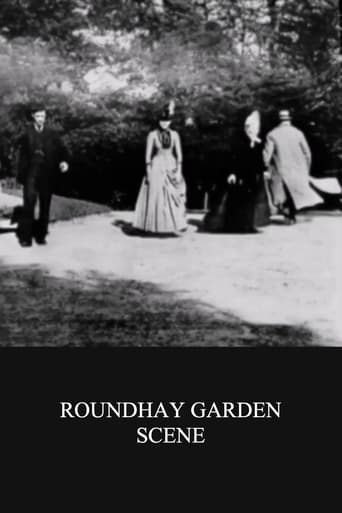
The earliest surviving motion-picture film, and believed to be one of the very first moving images ever created, was shot by Louis Aimé Augustin Le Prince using the LPCCP Type-1 MkII single-lens camera. It was taken on paper-based photographic film in the garden of Oakwood Grange, the Whitley family house in Roundhay, Leeds, West Riding of Yorkshire (UK), on 14 October 1888. The film shows Adolphe Le Prince (Le Prince’s son), Mrs. Sarah Whitley (Le Prince’s mother-in-law), Joseph Whitley, and Miss Harriet Hartley walking around in circles, laughing to themselves, and staying within the area framed by the camera. Roundhay Garden Scene is often associated with a recording speed of around 12 frames per second and runs for about 2 to 3 seconds.
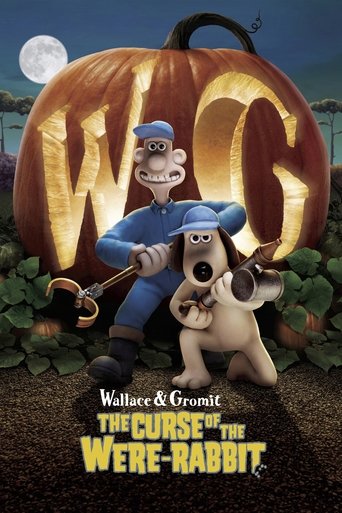
Cheese-loving eccentric Wallace and his cunning canine pal Gromit run a business ridding the town of garden pests. Using only humane methods, which turns their home into a halfway house for evicted vermin, the pair stumble upon a mystery involving a voracious vegetarian monster that threatens to ruin the annual veggie-growing contest.

After a flight back home, Sam Hendrix returns with a doll he innocently acquired along the way. As it turns out, the doll is actually stuffed with heroin, and a group of criminals led by the ruthless Roat has followed Hendrix back to his place to retrieve it. When Hendrix leaves for business, the crooks make their move -- and find his blind wife, Susy, alone in the apartment. Soon, a life-threatening game begins between Susy and the thugs.
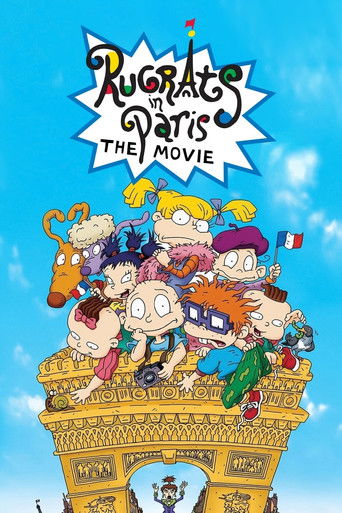
A group of rambunctious toddlers travel a trip to Paris. As they journey from the Eiffel Tower to Notre Dame, they learn new lessons about trust, loyalty and love.
In Le Livre d’Image, Jean-Luc Godard recycles existing images (films, documentaries, paintings, television archives, etc.), quotes excerpts from books, uses fragments of music. The driving force is poetic rhyme, the association or opposition of ideas, the aesthetic spark through editing, the keystone. The author performs the work of a sculptor. The hand, for this, is essential. He praises it at the start. “There are the five fingers. The five senses. The five parts of the world (…). The true condition of man is to think with his hands. Jean-Luc Godard composes a dazzling syncopation of sequences, the surge of which evokes the violence of the flows of our contemporary screens, taken to a level of incandescence rarely achieved. Crowned at Cannes, the last Godard is a shock film, with twilight beauty.

Ann, a frustrated wife, enters into counseling due to a troubled marriage. Unbeknownst to her, her husband John has begun an affair with her sister. When John’s best friend Graham arrives, his penchant for interviewing women about their sex lives forever changes John and Ann’s rocky marriage.

Two brilliant research scientists have invented a device capable of recording and playing back sensory experiences only to have devastating results when one of them records their own death.
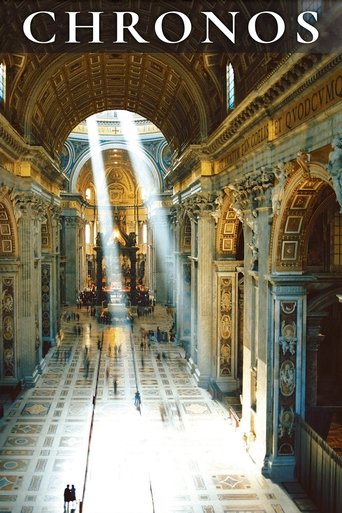
Carefully picked scenes of nature and civilization are viewed at high speed using time-lapse cinematography in an effort to demonstrate the history of various regions.
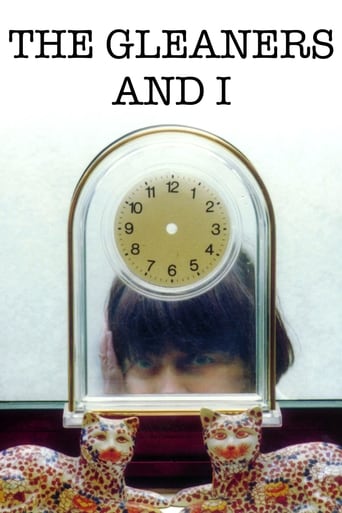
Varda focuses her eye on gleaners: those who scour already-reaped fields for the odd potato or turnip. Her investigation leads from forgotten corners of the French countryside to off-hours at the green markets of Paris, following those who insist on finding a use for that which society has cast off, whether out of necessity or activism.
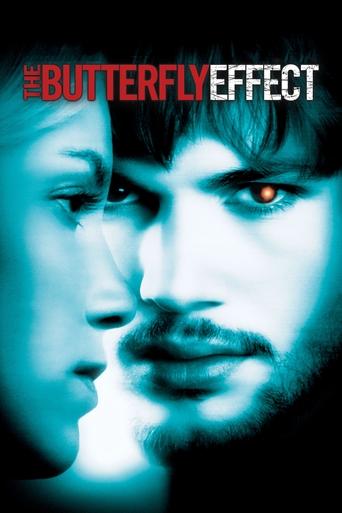
A young man struggles to access sublimated childhood memories. He finds a technique that allows him to travel back into the past, to occupy his childhood body and change history. However, he soon finds that every change he makes has unexpected consequences.
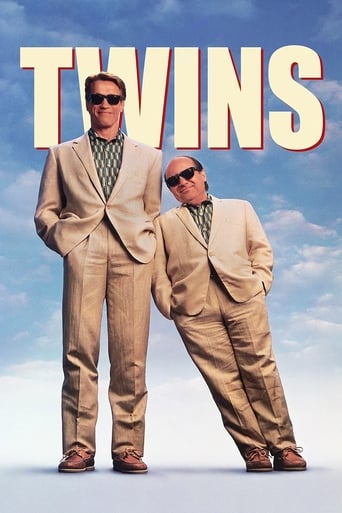
Julius and Vincent Benedict are the results of an experiment that would allow for the perfect child. Julius was planned and grows to athletic proportions. Vincent is an accident and is somewhat smaller in stature. Vincent is placed in an orphanage while Julius is taken to a south seas island and raised by philosophers. Vincent becomes the ultimate low life and is about to be killed by loan sharks.

A precocious girl, her nasty parents, two punk-rock losers and a weak-kneed salesman inadvertently become the guests of two ghoulish senior citizens in their dark, haunted mansion.
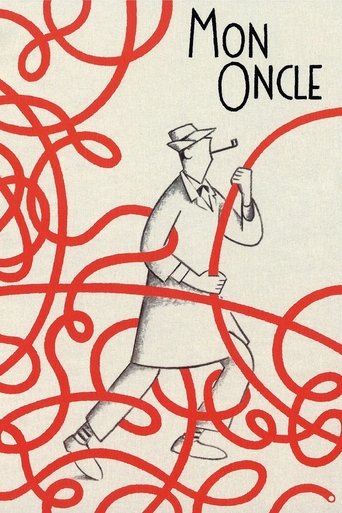
Genial, bumbling Monsieur Hulot loves his top-floor apartment in a grimy corner of the city, and cannot fathom why his sister's family has moved to the suburbs. Their house is an ultra-modern nightmare, which Hulot only visits for the sake of stealing away his rambunctious young nephew. Hulot's sister, however, wants to win him over to her new way of life, and conspires to set him up with a wife and job.

Loner Mark Lewis works at a film studio during the day and, at night, takes racy photographs of women. Also he's making a documentary on fear, which involves recording the reactions of victims as he murders them. He befriends Helen, the daughter of the family living in the apartment below his, and he tells her vaguely about the movie he is making.
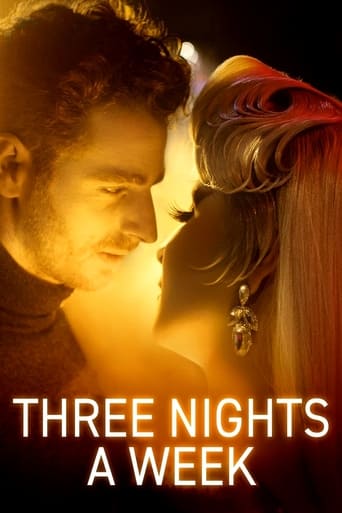
When young Baptiste meets Cookie Kunty, a young Parisian drag queen, he feels compelled to start a new photographic project.
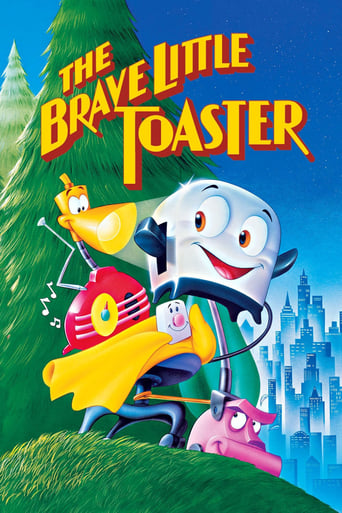
A group of dated appliances, finding themselves stranded in a summer home that their family had just sold, decide to seek out their eight year old 'master'.

After the death of her beloved grandmother, eight-year-old Nelly meets a strangely familiar girl her own age in the woods. Instantly forming a connection with this mysterious new friend, Nelly embarks on a fantastical journey of discovery which helps her come to terms with this newfound loss.
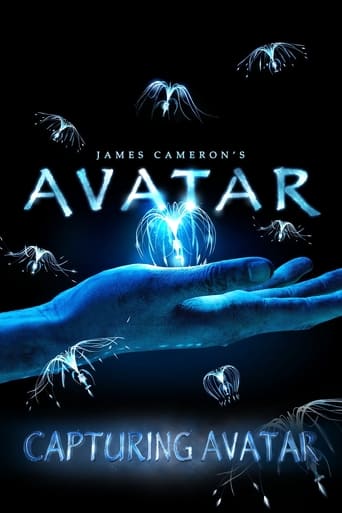
Capturing Avatar is a feature length behind-the-scenes documentary about the making of Avatar. It uses footage from the film's development, as well as stock footage from as far back as the production of Titanic in 1995. Also included are numerous interviews with cast, artists, and other crew members. The documentary was released as a bonus feature on the extended collector's edition of Avatar.
Similar titles
Jo; or The Act of Riding a Bike is Zefier's third film.

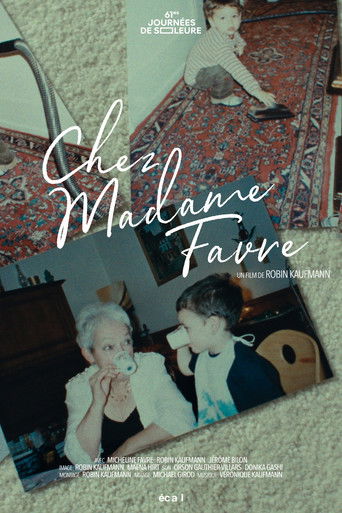
In a nursing home, a young man visits his grandmother. As she constantly repeats that she wants to go home, his grandson visits her now empty apartment, seeking to capture memories of a fading past.
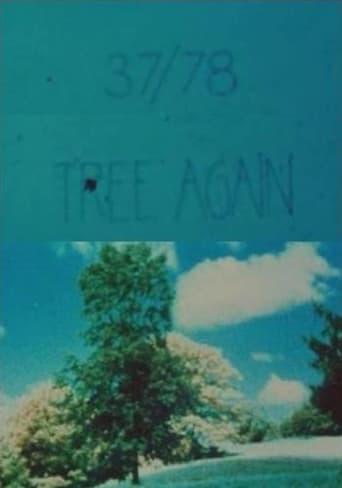
At the center are takes which do not change - a tree in a field in Vermont, U.S.A. Since the film was shot over a period of fifty days, the single frame shots create a storm of pictures.

After almost being hit by a car, a young man's provocative gesture quickly escalates into a life or death chase into the woods. A figure appears who sends the night spiraling into nightmarish insanity.

The story of a lonely man who accidentally discovers an old camera and uses it to capture pictures of his life.

A girl with a mysterious background arrives at the city, whose existence gradually becomes as light as the floating air. In the dark night of a chaotic age, must we live like spectres?
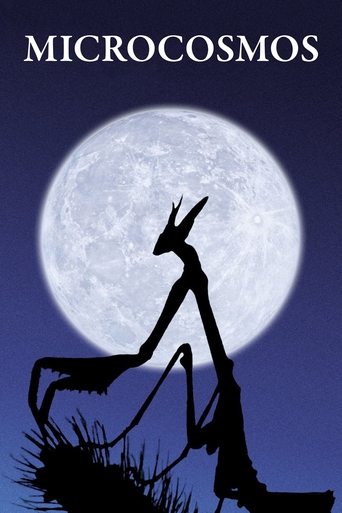
A documentary of insect life in meadows and ponds, using incredible close-ups, slow motion, and time-lapse photography. It includes bees collecting nectar, ladybugs eating mites, snails mating, spiders wrapping their catch, a scarab beetle relentlessly pushing its ball of dung uphill, endless lines of caterpillars, an underwater spider creating an air bubble to live in, and a mosquito hatching.

A joke so poorly told and unfunny that the characters within the joke are forced to reveal their spirit through the process of their own destruction.

An instructional film detailing the manufacturing process of a whole new consumer product, as well as its many uses, applications, and social benefits.
A surreal memoir by an unseen narrator of a strange community of people in an abandoned Prague house.


A mother consumes abnormal objects in the hopes of granting her child desirable traits. While she has good intentions, her actions may not be good for her baby.
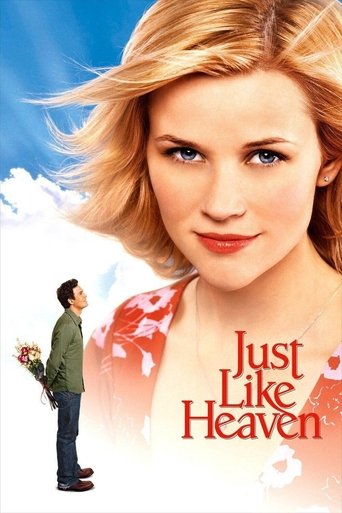
Shortly after David Abbott moves into his new San Francisco digs, he has an unwelcome visitor on his hands: winsome Elizabeth Masterson, who asserts that the apartment is hers -- and promptly vanishes. When she starts appearing and disappearing at will, David thinks she's a ghost, while Elizabeth is convinced she's alive.
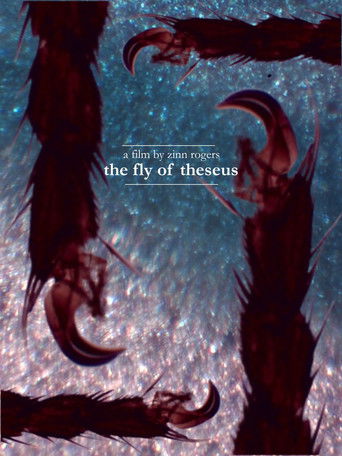
If the fly eats the flower, does the fly become the flower?
A poetic story of a proletarian couple’s relationship during the years of economic crisis and unemployment – of all the films directed by E. F. Burian, the film Chceme žít (We Want to Live, 1949) is probably his worst. The intention to create a powerful work of cinema that would combine modern means of expression with the ideological canons of socialist realism failed completely. Ježek and Tarnovski discovered these „shambles“ and tried to rebuild a structure out of the hopelessness and futility of life. Ježek has photochemically “transcribed” selected passages with the greatest possible degree of humility towards the work of the great avant-gardist, Tarnovski similarly makes the soundtrack visible. The improvised encounter of sound and image in dialogic mode can lead to various misunderstandings resulting in ambiguous compromise.