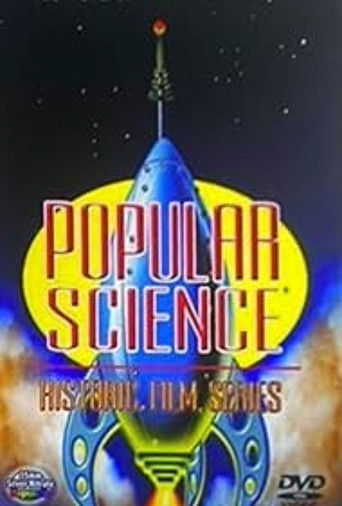
Popular Science J-0-3
1940-12-20 · 11 min · ★ 8.0
Pliofilm plastic (rubber hydrochloride) and applications in raingear, food packaging, a transparent dress. Also, hybrid giant vegetables; plastic contact lenses; the nature and prevention of dust explosions.
Trailers are previews, not full movies.
No authorized playback source configured. Use the legal watch options below.
Production details
- Directors
- Robert Carlisle
- Production companies
- Paramount Pictures
- Countries
- United States of America
- Status
- Released
Top Cast
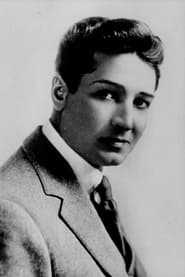 Gayne WhitmanSelf (Voice)
Title information and images are supplied by TMDb. Explore our discovery guide for advice on comparing metadata and legal viewing options.
Where to watch
Availability provided by JustWatch via TMDb. Offers can change. Provider links are listed on TMDb; full playback requires a separately authorized source.
Availability not listed for this country.
Seasons & episodes
Recommendations
Explore the evolution of Buzz Lightyear from toy to human in the making of Pixar’s Lightyear. Dive into the origin and cultural impact of everyone’s favorite Space Ranger, the art of designing a new “human Buzz,” and the challenges faced by the Lightyear crew along the way.
Cameramen and women discuss the craft and art of cinematography and of the "DP" (the director of photography), illustrating their points with clips from 100 films, from Birth of a Nation to Do the Right Thing. Themes: the DP tells people where to look; changes in movies (the arrival of sound, color, and wide screens) required creative responses from DPs; and, these artisans constantly invent new equipment and try new things, with wonderful results. The narration takes us through the identifiable studio styles of the 30s, the emergence of noir, the New York look, and the impact of Europeans. Citizen Kane, The Conformist, and Gordon Willis get special attention.

The history of cinematic sound, told by legendary sound designers and visionary filmmakers.
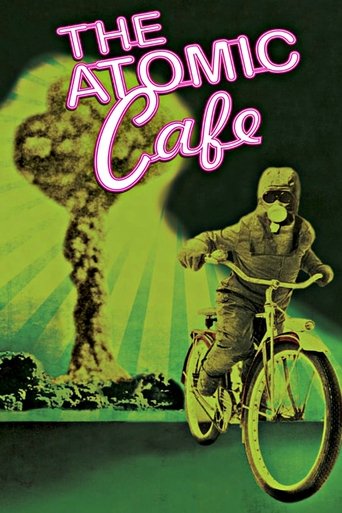
A disturbing collection of 1940s and 1950s United States government-issued propaganda films designed to reassure Americans that the atomic bomb was not a threat to their safety.
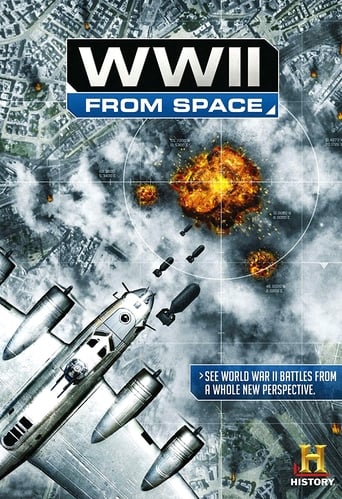
WWII from Space delivers World War II in a way you've never experienced it before. This HISTORY special uses an all-seeing CGI eye that offers a satellite view of the conflict, allowing you to experience it in a way that puts key events and tipping points in a global perspective. By re-creating groundbreaking moments that could never have been captured on camera, and by illustrating the importance of simultaneity and the hidden effects of crucial incidents, HISTORY presents the war's monumental moments in a never-before-seen context. And with new information brought to the forefront, you'll better understand how a nation ranked 19th in the world's militaries in 1939 emerged six years later as the planet's only atomic superpower.

A documentary about the life and films of director John Ford.

Ranjit, a farmer in India, takes on the fight of his life when he demands justice for his 13-year-old daughter, the victim of a brutal gang rape. His decision to support his daughter is virtually unheard of, and his journey unprecedented.

Through deeply personal interviews with her siblings and an examination of the photographs, letters, and belongings left behind, Mariska assembles a new portrait of her mother Jayne Mansfield, an extraordinary and complex woman.

This documentary movie is about the battle of San Pietro, a small village in Italy. Over 1,100 US soldiers were killed while trying to take this location, that blocked the way for the Allied forces from the Germans. Preserved by the Academy Film Archive in 2005.
Tells the history and importance of The National Film Registry, a roll call of American cinema treasures that reflects the diversity of film, and indeed the American experience itself.

“The Soviet Story” is a story of an Allied power, which helped the Nazis to fight Jews and which slaughtered its own people on an industrial scale. Assisted by the West, this power triumphed on May 9th, 1945. Its crimes were made taboo, and the complete story of Europe’s most murderous regime has never been told. Until now...
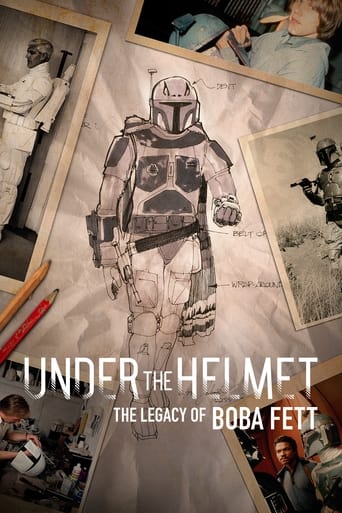
A special celebrating the origins and legacy of Star Wars' legendary bounty hunter, Boba Fett.
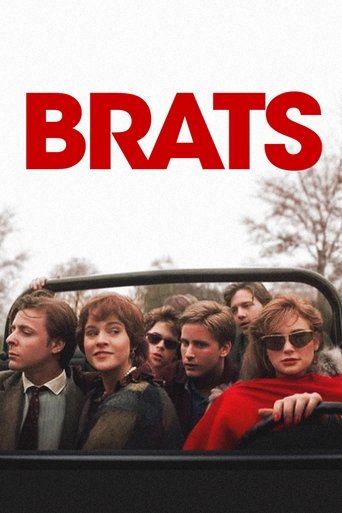
In the 1980s, Andrew McCarthy was part of a young generation of actors who were set to take over Hollywood after a string of successful teen movies. However, when the New York magazine cover story in 1985 dubs them the Brat Pack, stars in the making suddenly find themselves losing control over the trajectory of their careers. Now, almost forty years later, McCarthy looks to reconnect with peers and co-stars so that together they can reflect on their respective legacies.
Five broken cameras – and each one has a powerful tale to tell. Embedded in the bullet-ridden remains of digital technology is the story of Emad Burnat, a farmer from the Palestinian village of Bil’in, which famously chose nonviolent resistance when the Israeli army encroached upon its land to make room for Jewish colonists. Emad buys his first camera in 2005 to document the birth of his fourth son, Gibreel. Over the course of the film, he becomes the peaceful archivist of an escalating struggle as olive trees are bulldozed, lives are lost, and a wall is built to segregate burgeoning Israeli settlements.
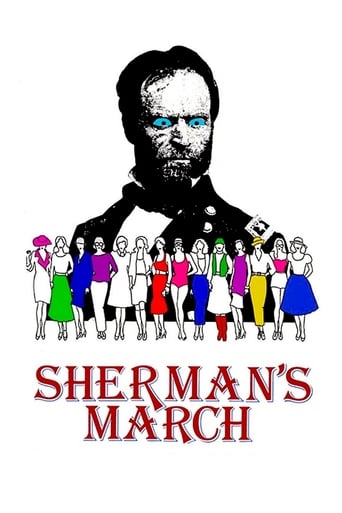
Documentarian Ross McElwee originally set out to make a travelogue of sorts tracing General William T. Sherman's infamous scorched-earth march through the Confederacy in the latter stages of the Civil War. Instead, haunted by a recent breakup with a girlfriend, McElwee ends up documenting his progress -- or lack thereof -- in starting a new relationship. His journey then becomes one of self-reflection and self-discovery rather than a historical/sociological exploration.
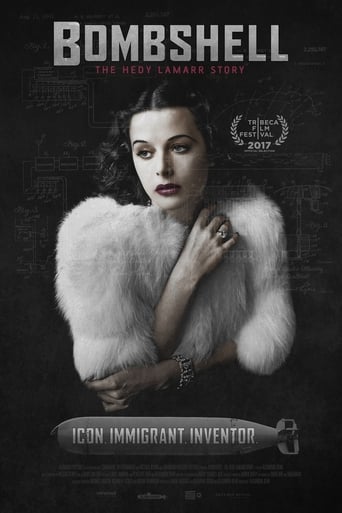
The life and career of the hailed Hollywood movie star and underappreciated genius inventor, Hedy Lamarr.

A look at how the community of Newtown, Connecticut came together in the aftermath of the largest mass shooting of schoolchildren in American history.
In 1972, a seemingly typical shoestring budget pornographic film was made in a Florida hotel: "Deep Throat," starring Linda Lovelace. This film would surpass the wildest expectation of everyone involved to become one of the most successful independent films of all time. It caught the public imagination which met the spirit of the times, even as the self-appointed guardians of public morality struggled to suppress it, and created, for a brief moment, a possible future where sexuality in film had a bold artistic potential. This film covers the story of the making of this controversial film, its stunning success, its hysterical opposition along with its dark side of mob influence and allegations of the on set mistreatment of the film's star.

Over 35 years after Bob Lazar's revelations, this documentary exposes secrets of a facility the government still denies. Featuring Lazar's testimony, recreations, and new evidence, it reopens a case that continues to spark global curiosity

Director Michael Apted revisits the same group of British-born adults after a 7 year wait. The subjects are interviewed as to the changes that have occurred in their lives during the last seven years.
Similar titles
A short documentary about the making of "The Great Dictator."
CERN and the University of California-Santa Barbara are collaborating in the search for the elusive substance that physicists and astronomers believe holds the universe together -- dark matter. Where is this search now in the realm of particle physics and what comes next?

Many members of the Dutch Underground were gay and lesbian. This film pays homage to them and recounts their story.
A movie about the education for nurse told from Bente's perspective. She starts at the preschool at Rødkilde Højskole at Møn and comes from there to a hospital, where student time begins. After three years, Bente is trained and can get the nursing needle attached to the robe.
On 20 November 1945, in what had once been the spiritual centre of the Nazi Empire, the first Nuremberg trial opened. Nuremberg examines the first trail in detail: the scale and speed of the US-led effort to place the Third Reich's leaders in the dock; the charges brought against them; the courtroom drama; the final judgements. Of the 21 defendants, three were acquitted, seven given jail sentences and the remaining eleven sentenced to death, among them Hitler's right-hand man, Hermann Goering. This programme also explores the twelve subsequent trials against the backdrop of the emerging Cold War and the shifting allegiances of allies and enemies in the immediate post-war period.
Social democracy propaganda film about future dreams for Denmark in 1960. Although Denmark is free again, the former opponent and worker, Svend, is disillusioned: "It is all something soft". The dream of the future is incarnated by a young woman, Karen, who shows Svend the visions of a better life in the 'youth's land'. There are homes and a nuclear-powered car for everyone.
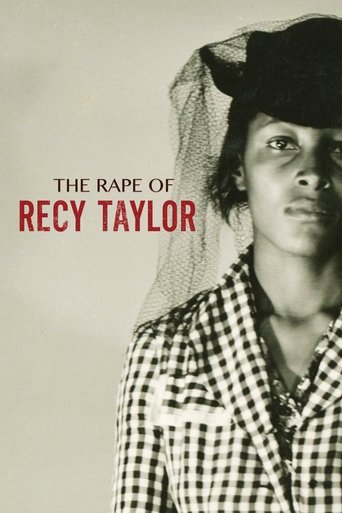
Recy Taylor, a 24-year-old black mother and sharecropper, was gang raped by six white boys in 1944 Alabama. Common in Jim Crow South, few women spoke up in fear for their lives. Not Recy Taylor, who bravely identified her rapists. The NAACP sent its chief rape investigator Rosa Parks, who rallied support and triggered an unprecedented outcry for justice. The film exposes a legacy of physical abuse of black women and reveals Rosa Parks’ intimate role in Recy Taylor’s story.
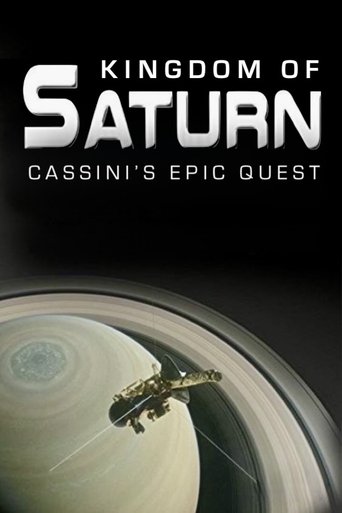
Before the joint NASA/ESA Cassini-Huygens mission, humanity only knew what had been learned, decades earlier, with the previous limited, rapid "fly-by" Pioneer and Voyager missions. Cassini-Huygens spent more than 13 years in wildly varied orbits around Saturn, allowing the spacecraft to pass near many of its moons, as well as execute a soft-landing of its Huygens lander on the moon Titan. By mission end, it accumulated a mountain of imagery and scientific data that will continue to be studied for years to come. This film is a testament to the amazing efforts of the scientists who planned and executed the mission. It combines breathtaking images, movies, and a variety of animations to take the viewer into Saturn's complex system of rings and moons, as well as stepping viewers through some of the more exciting scientific discoveries made over the course of the elaborately complex mission.
In this documentary about the exile of two famous French actors in Argentina during and after World War II, the director Cozarinsky returns to Argentina after many years in France and recalls places and events from his childhood, particularly the celebration of the liberation of Paris on in August of 1944, in Buenos Aires's Plaza Francia. Featuring testimony from various authors and acquaintances of Maria (Renee) Falconetti and Robert Le Vigan, the film explores their lives and final years in Argentina.

A film record of a Soviet expedition to Pamir, not to be confused with Krysha Mira, a different 1928 expedition film also about Pamir, directed by Vladimir Erofeyev, released in USA as Roof Of the World. A pictorial record of the 1928 Russian-German expedition to explore and map an area of the unexplored heart of the Pamirs. During the expedition, three German researchers (E. Allwein, E. Schneider and Karl Wien) made the first attempt to reach the highest point of the Trans-Alai Range, which at that time had the name of the Kaufman Peak (today, Lenin Peak or Ibn Sina). They started climbing upstream of the Saukdara river and continued climbing along the Greater Saukdara Glacier towards the Krilenko Pass at 5820 m. On September 25, 1928 they started climbing from the saddle along the NE Ridge and at 15.30 they made the first ascent of Lenin Peak at an altitude of 7127 m.

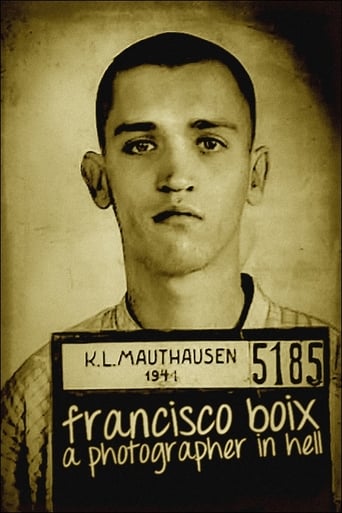
In 1939, just finished the Spanish Civil War, Spanish republican photographer Francesc Boix escapes from Spain; but is captured by the Nazis in 1940 and imprisoned in the Mauthausen concentration camp, in Austria, a year later. There, he works as a prisoner in the SS Photographic Service, hiding, between 1943 and 1945, around 20,000 negatives that later will be presented as evidence during several trials conducted against Nazi war criminals after World War II.
A captivating and personal detective story that uncovers the truth behind the childhood of Michaël Prazan's father, who escaped from Nazi-occupied France in 1942 thanks to the efforts of a female smuggler with mysterious motivations.
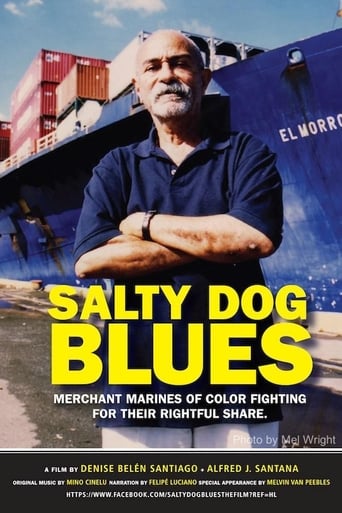
The film looks at men and women of color in the U.S. Merchant Marine from 1938-1975. Through chronicling the lives of these men and women who, with a median age of 82, are beset with a host of life-threatening illnesses, the movie tells how they navigated issues of racism, disparities in the workplace, gender and familial relations.
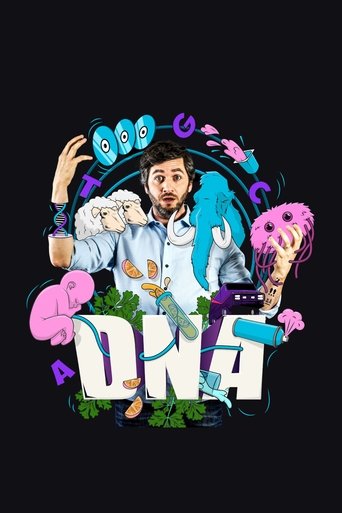
Human genetics is one of the most exciting fields in science at the moment. Not only does it advance exponentially fast, it is also a field of study that will very soon affect our daily lives. We will all have to deal with the possibilities and technologies that human genetics have to offer, today and in the coming years. Quite a few questions and dilemmas still have to be answered by us. Do I want to know everything that can be found out from my DNA? And who is allowed to use and read my genetic code? My doctor? The police? The chef of my favourite restaurant? Also, what genetic technologies do I want to use? Do I want to clone my dog, choose my children’s eye colour, or genetically modify them to give them extra talents? Do I want others in society to be allowed to do that? The current and future possibilities of human genetics are simply overwhelming. They are both promising and frightening, chilling and delightful.
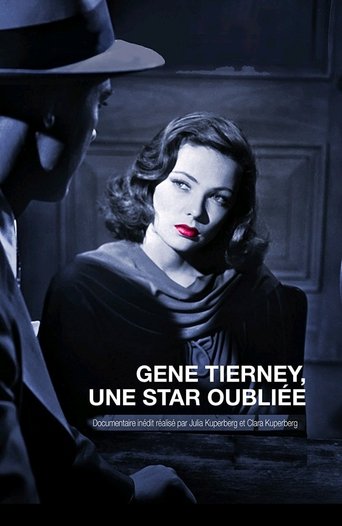
Martin Scorsese is among those paying tribute to Gene Tierney, the Academy Award-nominated American actress who was a leading lady in Hollywood throughout the 1940s and '50s.
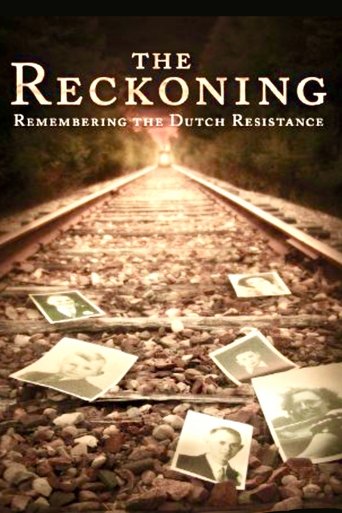
The documentary that captures the compelling story and eyewitness account of six survivors in war-torn Netherlands during World War II.
A variety of scientific subjects, including the laboratory of a plastic surgeon in London, and his method for applying permanent makeup; a new school for kiddies employing finger paint so they can express their urge to put things on paper; Army aviation, showing the latest development in blind landing. Produced in Cinecolor.
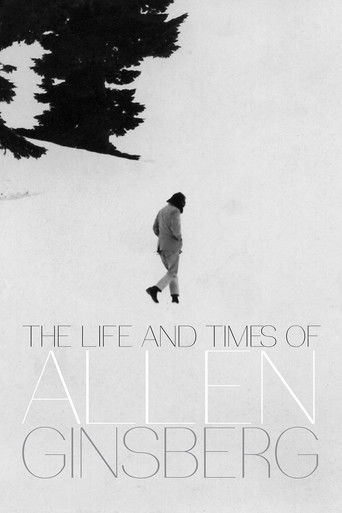
Visionary, radical, spiritual seeker, renowned poet, founding member of a major literary movement, champion of human rights, Buddhist, political activist and teacher. Extensive archival footage, interviews, and home movies cover Allen Ginsberg's life, activism, and influence on American culture through the Beat era, the 1960s, and beyond.