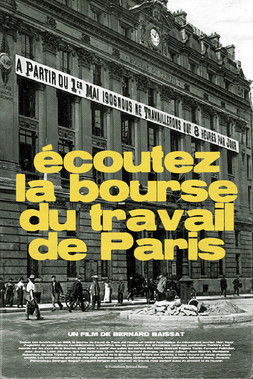
Écoutez La Bourse Du Travail De Paris
1982-01-01 · 84 min · ★ 10.0
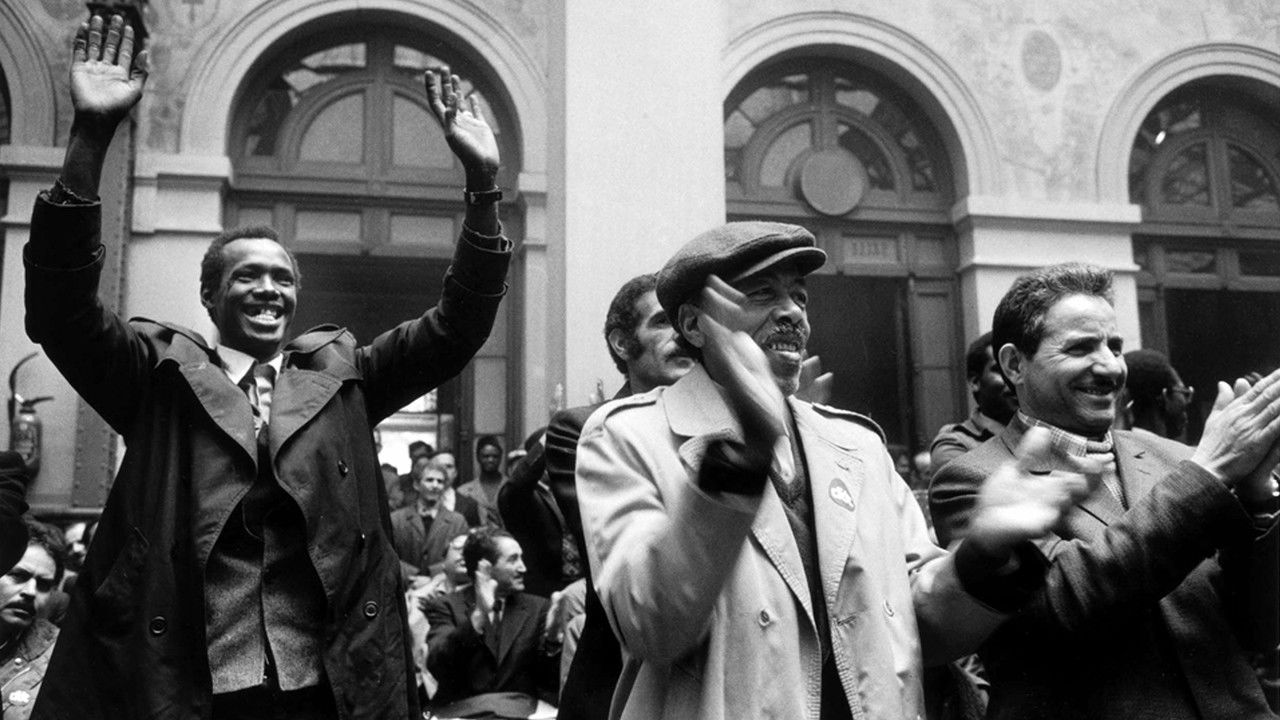
Since its opening in 1882, the Paris Bourse du Travail (Labor Exchange) has remained a nerve center of the labor movement. Once a hotbed of revolutionary syndicalism, and now a meeting place for the main labor federations, history is etched into the walls of the Bourse. It is from the rooms bearing the names of illustrious figures—Eugène Varlin, Fernand Pelloutier, Jean Jaurès, Léon Jouhaux—that historians (Jean Bruhat, Bernard Georges, Jacques Julliard, Jean Maitron, Madeleine Reberioux, Denise Trintant) and the Bourse's general secretary, Jean Braire, have sought to bring to life a century of social history. The general secretaries of the five major labor federations (André Bergeron, Jean Bornard, Edmond Maire, Jacques Pommateau, Georges Seguy) discuss the origins of the Bourses du Travail, but also address the present and the future.
Trailers are previews, not full movies.
No authorized playback source configured. Use the legal watch options below.
Production details
- Directors
- Bernard Baissat
- Production companies
- Productions Bernard Baissat
- Countries
- France
- Status
- Released
Top Cast
 Jean BraireSelf
 Jean MaitronSelf
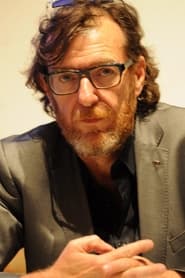 Bernard GeorgeSelf
 Madeleine RebériouxSelf
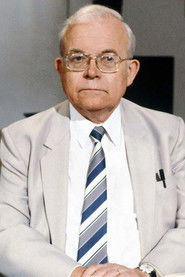 André BergeronSelf
 Edmond MaireSelf
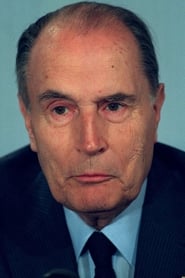 François MitterrandSelf (archive footage)
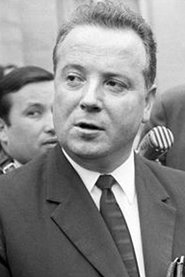 Georges SéguySelf
Title information and images are supplied by TMDb. Explore our discovery guide for advice on comparing metadata and legal viewing options.
Where to watch
Availability provided by JustWatch via TMDb. Offers can change. Provider links are listed on TMDb; full playback requires a separately authorized source.
Availability not listed for this country.
Seasons & episodes
Recommendations
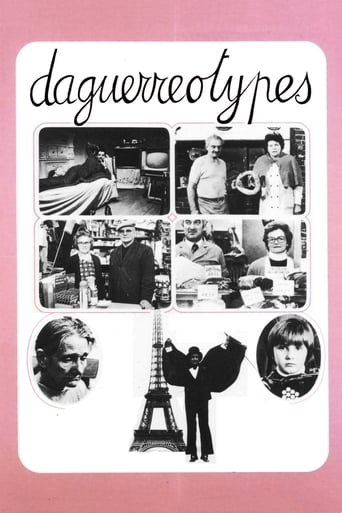
An intimate portrait of the small shops and shopkeepers of the Rue Daguerre in Paris, a picturesque street that has been the filmmaker’s home for more than 50 years.
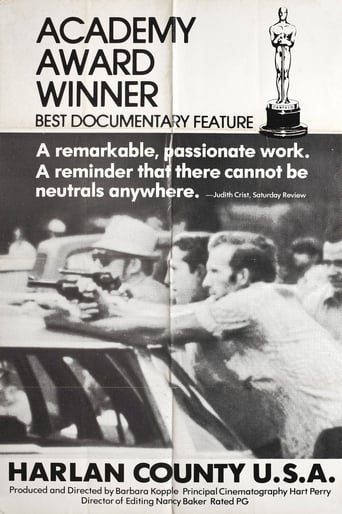
A heartbreaking record of the thirteen-month struggle between a community fighting to survive and a corporation dedicated to the bottom line.
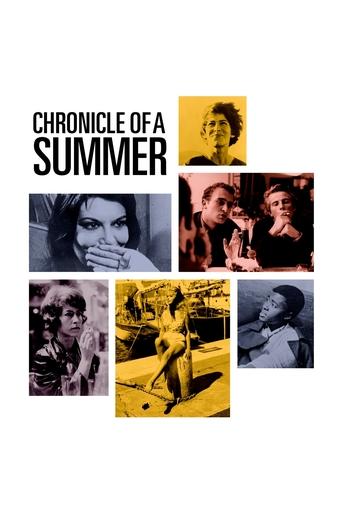
Paris, summer 1960. Anthropologist and filmmaker Jean Rouch and sociologist and film critic Edgar Morin wander through the crowded streets asking passersby how they cope with life's misfortunes.
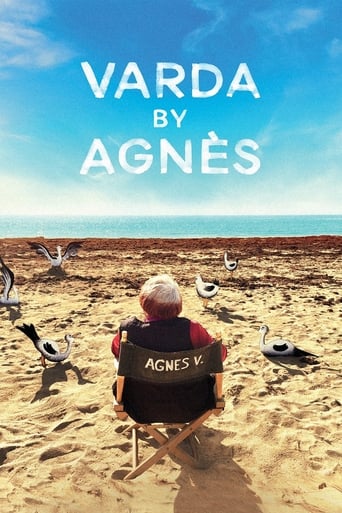
An unpredictable documentary from a fascinating storyteller, Agnès Varda’s last film sheds light on her experience as a director, bringing a personal insight to what she calls "cine-writing," traveling from Rue Daguerre in Paris to Los Angeles and Beijing.

The history of cinematic sound, told by legendary sound designers and visionary filmmakers.
This documentary revisits the French football team's controversial 2010 World Cup and the bus strike that sparked global headlines and national outrage.
Experience the events of September 11, 2001 through the eyes of President Bush and his closest advisors as they personally detail the crucial hours and key decisions from that historic day.

A behind-the-scenes documentary about the Clinton for President campaign, focusing on the adventures of spin doctors James Carville and George Stephanopoulos.
Follow the evolution of the 'Halloween' movies over the past twenty-five years. It examines why the films are so popular and revisits many of the original locations used in the films - seeing the effects on the local community. For the first time, cast, crew, critics and fans join together in the ultimate 'Halloween' retrospective.

Director Claude Lanzmann spent 11 years on this sprawling documentary about the Holocaust, conducting his own interviews and refusing to use a single frame of archival footage. Dividing Holocaust witnesses into three categories – survivors, bystanders, and perpetrators – Lanzmann presents testimonies from survivors of the Chelmno concentration camp, an Auschwitz escapee, and witnesses of the Warsaw Ghetto Uprising, as well as a chilling report of gas chambers from an SS officer at Treblinka.
A documentary on Jacques Vergès, the controversial lawyer and former Free French Forces guerrilla, exploring how Vergès assisted, from the 1960s onwards, anti-imperialist terrorist cells operating in Africa, Europe, and the Middle East. Participants interviewed include Algerian nationalists Yacef Saadi, Zohra Drif, Djamila Bouhired and Abderrahmane Benhamida, Khmer Rouge members Nuon Chea and Khieu Samphan, once far-left activists Hans-Joachim Klein and Magdalena Kopp, terrorist Carlos the Jackal, lawyer Isabelle Coutant-Peyre, neo-Nazi Ahmed Huber, Palestinian politician Bassam Abu Sharif, Lebanese politician Karim Pakradouni, political cartoonist Siné, former spy Claude Moniquet, novelist and ghostwriter Lionel Duroy, and investigative journalist Oliver Schröm.
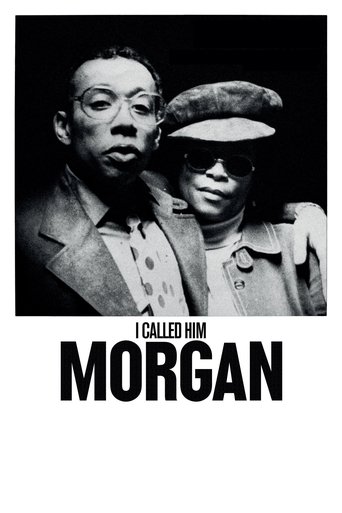
Part jazz history, part true-crime tale, Kasper Collin’s new documentary employs extensive archival footage and new interviews to tell the tragic story of the magnificently talented trumpeter Lee Morgan and his common-law wife Helen, who murdered him in a New York bar in 1972.
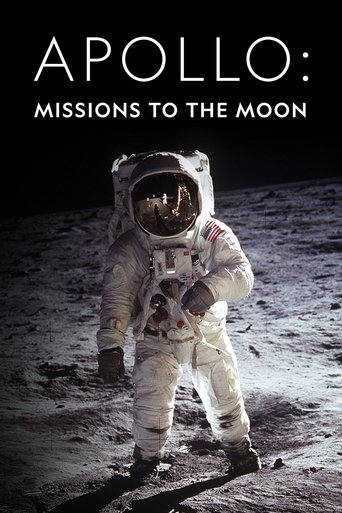
National Geographic's riveting effort recounts all 12 crewed missions using only archival footage, photos and audio.

The epic life story of Alice Guy-Blaché (1873–1968), a French screenwriter, director and producer, true pioneer of cinema, the first person who made a narrative fiction film; author of hundreds of movies, but banished from history books. Ignored and forgotten. At last remembered.
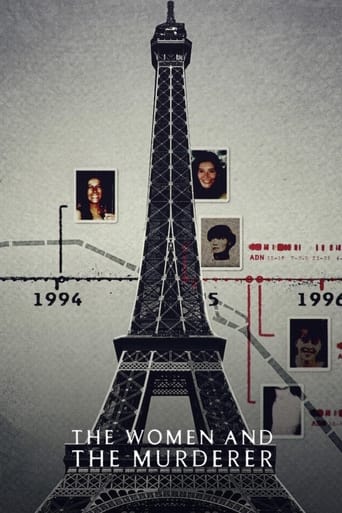
This documentary traces the capture of serial killer Guy Georges through the tireless work of two women: a police chief and a victim's mother.
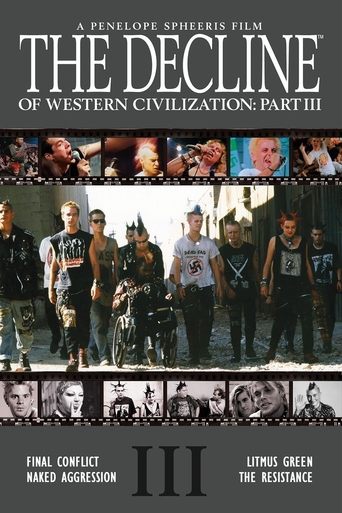
A musical study of Los Angeles in the late 90s, where homeless teens roam the streets and profess to live a punk lifestyle of music, drugs, and flouting authority.

Alexander McQueen's rags-to-riches story is a modern-day fairy tale, laced with the gothic. Mirroring the savage beauty, boldness and vivacity of his design, this documentary is an intimate revelation of McQueen's own world, both tortured and inspired, which celebrates a radical and mesmerizing genius of profound influence.

Fans, experts and creators of “League of Legends” detail the game’s rise from free demo to global esports titan.
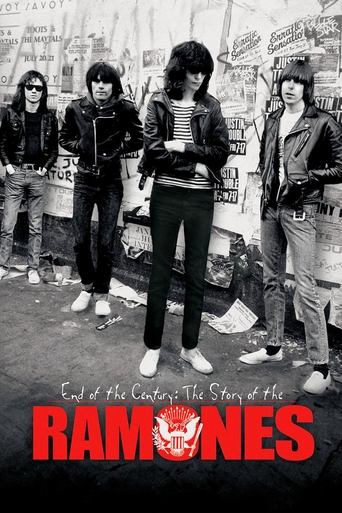
A years-in-the-making documentary on the legendary punk band the Ramones. Through a mixture of archival footage, archival and new interviews with all members of the band's various lineups, and new interviews with a number of their contemporaries, the film traces the peaks and valleys the band experienced over the course of its 20-plus year career before disbanding in 1995.

Oliver Stone charts the history of the United States from the Second World War to the present.
Similar titles
Interviews and images from the work and leisure time of guest workers in the Federal Republic are combined into a militant appeal for solidarity.
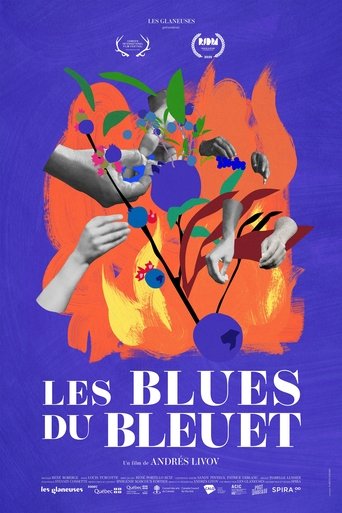
Summer unveils a new blueberry season in northern Canada. The fields are covered in blue and workers from all over scramble before the frost puts an end to the harvest. And yet this time of year is much more than just picking: it's a time of music and connection.
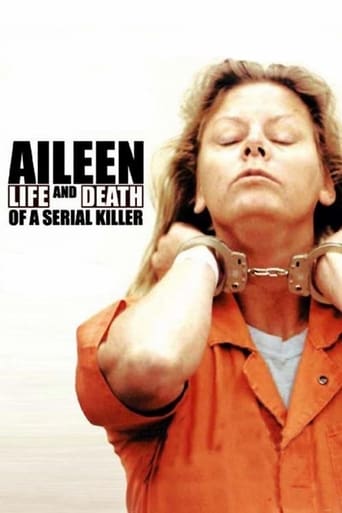
British documentarian Nick Broomfield creates a follow-up piece to his 1992 documentary of the serial killer Aileen Wuornos, a highway prostitute who was convicted of killing six men in Florida between 1989 and 1990. Interviewing an increasingly mentally unstable Wuornos, Broomfield captures the distorted mind of a murderer whom the state of Florida deems of sound mind -- and therefore fit to execute. Throughout the film, Broomfield includes footage of his testimony at Wuornos' trial.
Rotem Genossar, a teacher at the Bialik-Rogozin campus in south Tel Aviv, founds a running group for his students, young African refugees whose families fled their homeland and now live in Israel without any legal status. At first running is just a social activity for the students, but it quickly becomes a means to fight for their civil rights, part of a struggle to secure them a place of their own, out of the margins of Israeli society.

"I often say sociology is a martial art, a means of self-defence. Basically, you use it to defend yourself, without having the right to use it for unfair attacks." (Pierre Bourdieu) The world has witnesses who speak out loud what others keep to themselves. They are neither gurus, nor masters, but those who consider that the city and the world can be thought out. The sociologist, Pierre Bourdieu is one such witness." Over a three- year period, Pierre Carles' camera followed him through different situations: a short conversation with Günter Grass, a lively conference with the inhabitants of a working-class suburb, his relations with his students and colleagues and his plea that sociology be part of the life of the city. His thinking has a sort of familiarity, which means it is always within our reach. It is the thinking of a French intellectual who has chosen to think his times.

This film was shot between 2014 and 2019 in the town of Zhili, a district of Huzhou City in Zhejiang province, China. Zhili is home to over 18,000 privately-run workshops producing children's clothes, mostly for the domestic market, but some also for export. The workshops employ around 300,000 migrant workers, chiefly from the rural provinces of Yunnan, Guizhou, Anhui, Jiangxi, Henan and Jiangsu.
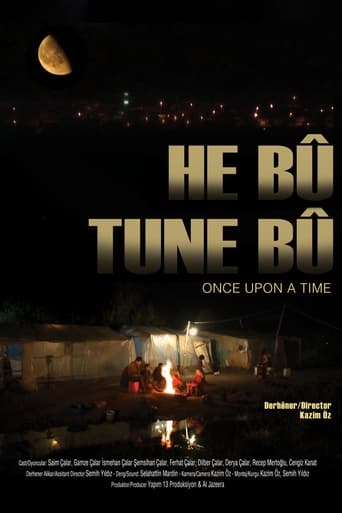
Every year, a Kurdish family leaves Gaziantep (Anatolia) to work on the land near Ankara. This thankless life of seasonal labor turns upside down when the eldest son falls in love.

From the Sahara to Mellila, witnesses talk about how they narrowly escaped death, unlike their companions - all migrants who were literally and symbolically swallowed up by the frontier.
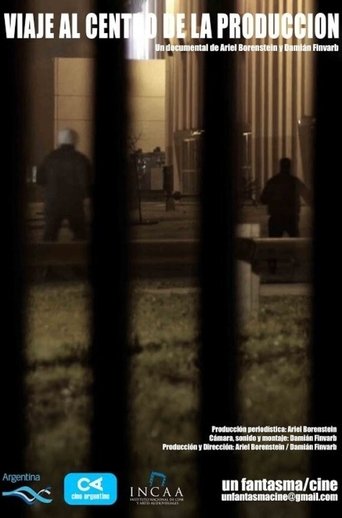
The film investigates an industry considered one of the pillars of growth during Kirchnerism in which, during these years, relations and conflicts were drawn between the manufacturers - foreign in its entirety -, the auto parts companies, the Argentine government, the Brazilian one, the union leaderships. -centrally from SMATA-, the workers and the left. The documentary delves into the interests that intersect and the confrontations that originate between the different actors in the chain, which became clear in recent times when the industry, which aspired to reach one million cars manufactured per year, began to regress. The different actors of the "Journey to the Center of Production" are intertwined in the conflict of the auto parts company Gestamp, which opened a dispute regarding who pays for the crisis in the sector and what solutions are seen in that dispute.
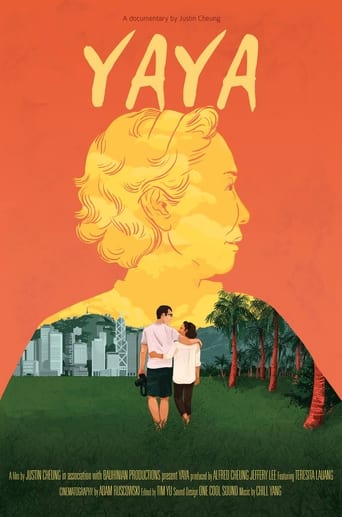
YAYA is a story about a filmmaker who explores the complex relationship between his family and the domestic worker who spent decades away from her family in the Philippines to raise his. This documentary is a tribute to all the domestic workers in Hong Kong, who has served as the backbone of Hong Kong's economy by unleashing a substantial female workforce into the economy and taken care of so many lives with love and care. You are all heroes in the hearts of the Hong Kong people. - Justin Cheung, the director

Filmed in the coal country of West Virginia, "Matewan" celebrates labor organizing in the context of a 1920s work stoppage. Union organizer, Joe Kenehan, a scab named "Few Clothes" Johnson and a sympathetic mayor and police chief heroically fight the power represented by a coal company and Matewan's vested interests so that justice and workers' rights need not take a back seat to squalid working conditions, exploitation and the bottom line.

1963, in a hotel room in Berlin. Mahmut Güzel, a migrant worker, is waiting to return to Turkey. But then Thilo Schmidt from the employment office and his Turkish interpreter, Kani Kipcak, arrive to inform him that he must stay in Germany because he is needed, and they refuse to let him leave. Mahmut does everything in his power to leave the country.

A week in the life of the exploited, child newspaper sellers in turn-of-the-century New York. When their publisher, Joseph Pulitzer, tries to squeeze a little more profit out of their labours, they organize a strike, only to be confronted with the Pulitzer's hard-ball tactics.
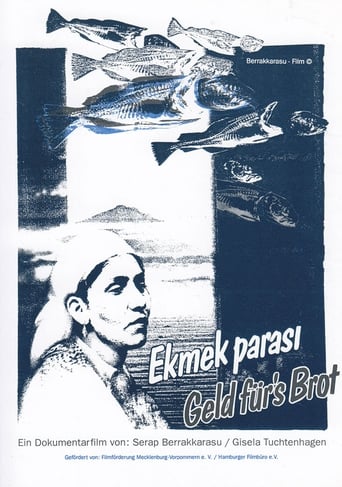
Women from Turkey and Mecklenburg are working together side-by-side at a fish-processing factory in Lübeck. As they work, they share stories about their lives, including their sorrows, griefs, hopes, and dreams, while expressing their longing for home and feelings of being lost in a foreign place.
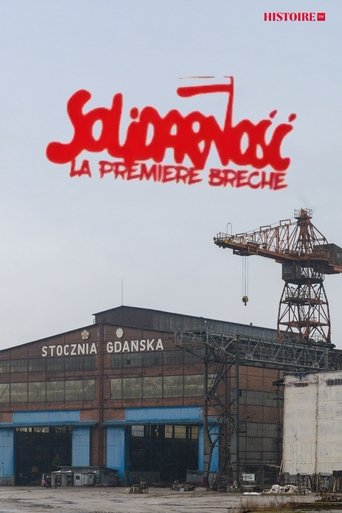
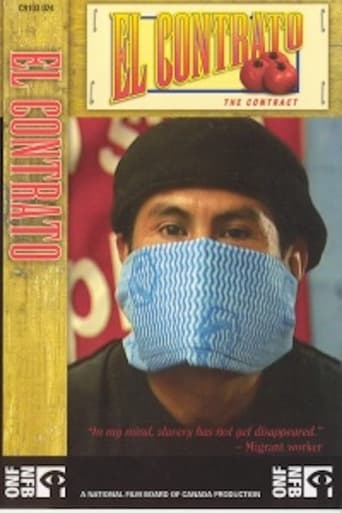
This documentary from Min Sook Lee follows a poverty-stricken father from Central Mexico, along with several of his countrymen, as they make their annual migration to southern Ontario to pick tomatoes. For 8 months a year, the town's population absorbs 4,000 migrant workers who toil under conditions, and for wages, that no local would accept. Yet despite a fear of repercussions, the workers voice their desire for dignity and respect.
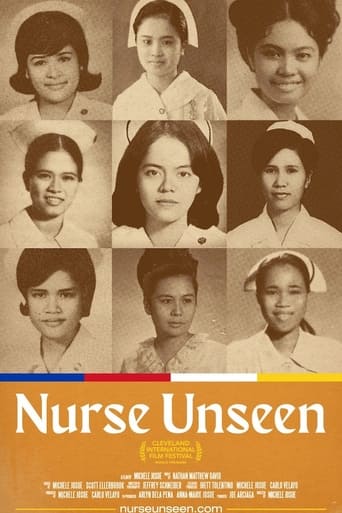
Explores the little-known history and humanity of the unsung Filipino nurses risking their lives on the front lines of a pandemic, thousands of miles from home.
A film documenting work shortages during the Depression of the 1930s and the attempts to deal with the unemployed, in particular young men. The film discusses the establishment of relief camps and projects, where men were paid twenty cents per day; the founding of organizations such as the Co-operative Commonwealth Federation (CCF), Workers' Unity League, and Relief Camp Workers' Union; general unionization and protest of the unemployed, including the On To Ottawa Trek, Regina Riot, sit-in strike from May to June 1938 at the Vancouver Main Post Office, Vancouver Art Gallery and Hotel Georgia, and the resulting Bloody Sunday of June 19.

As a result of the negotiation of the agreement in Bazán Ferrol, thousands of workers marched in a demonstration on March 10, 1972. In the midst of the dictatorship, the Armed Police fired on the demonstration, with dozens of wounded and two workers killed: Daniel Niebla and Amador Rey. The film addresses the entire process of penetration of the worker commissions and the communist party into the shipyard, the tensions in the negotiation of the agreement, the events of March 9 and 10 and their international repercussions. as well as the so-called 'Process of the 23' in which the main labor leaders were tried three years later.