Red-Hunt 2 - National Crime
1999-11-27 · 75 min · Not rated
A follow-up to 1996's documentary on the massacre at Cheju island, Red Hunt 2 exposes the real facts of the outrage upon personal rights and the brutal butchering occurred 50 years ago. Lives of nine survivors with their grieving testimony expose the horror of six yearlong massacres by Rhee Seung-man regime which still lingers today.
Trailers are previews, not full movies.
No authorized playback source configured. Use the legal watch options below.
Production details
- Directors
- Cho Sung-bong
- Production companies
- Unavailable
- Countries
- South Korea
- Status
- Released
Top Cast
Cast unavailable.
Title information and images are supplied by TMDb. Explore our discovery guide for advice on comparing metadata and legal viewing options.
Where to watch
Availability provided by JustWatch via TMDb. Offers can change. Provider links are listed on TMDb; full playback requires a separately authorized source.
Availability not listed for this country.
Seasons & episodes
Recommendations

A string of threatening emails escalates into a revenge plot involving a newly married US marshal and his ex-girlfriend.

After another 7 year wait, director Michael Apted revisits the same group of British-born children from Seven Up! and 7 Plus Seven. The subjects are interviewed as to the changes that have occurred in their lives during the last seven years.

Director Michael Apted revisits the same group of British-born adults after a 7 year wait. The subjects are interviewed as to the changes that have occurred in their lives during the last seven years.

Director Michael Apted revisits the same group of British-born adults after a 7 year wait. The subjects are interviewed as to the changes that have occurred in their lives during the last seven years.
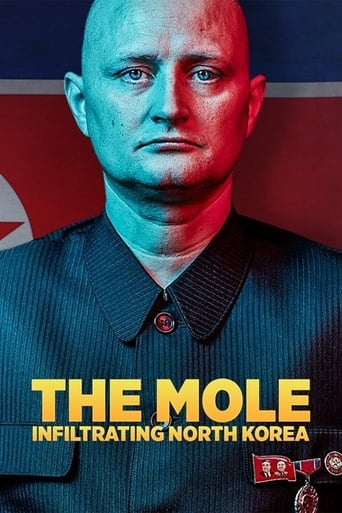
A real-life undercover thriller about two ordinary men who embark on an outrageously dangerous ten-year mission to penetrate the world's most secretive and brutal dictatorship: North Korea.

An inside look at one of the most anticipated movie sequels ever with James Cameron and cast.

From set designs to character arcs, get exclusive cast and director interviews on how Season 2 of the globally most-watched series was brought to life.

A documentary about how a dominant cultural and demographic institution both sustains their traditional activities and adapts to the digital revolution.

A 1993 documentary film about Bruce Lee. The film includes interviews from some of his fellow students and opponents who worked alongside him in his movies.

Through deeply personal interviews with her siblings and an examination of the photographs, letters, and belongings left behind, Mariska assembles a new portrait of her mother Jayne Mansfield, an extraordinary and complex woman.

In the Realms of the Unreal is a documentary about the reclusive Chicago-based artist Henry Darger. Henry Darger was so reclusive that when he died his neighbors were surprised to find a 15,145-page manuscript along with hundreds of paintings depicting The Story of the Vivian Girls, in What is Known as the Realms of the Unreal, of the Glodeco-Angelinnian War Storm, Cased by the Child Slave Rebellion.

Just two years away from turning 30, participants in Michael Apted's documentary series are facing serious questions of identity and purpose, wondering whether they've found their place in the world.

A documentary on the modeling industry's 'supply chain' between Siberia, Japan, and the U.S., told through the experiences of the scouts, agencies, and a 13-year-old model.

In an intimate and joyful story of love in the face of loss, celebrated poets Andrea Gibson and Megan Falley find strength—and unexpected hilarity—in what might be their final year together.

A documentary on the expletive's origin, why it offends some people so deeply, and what can be gained from its use.
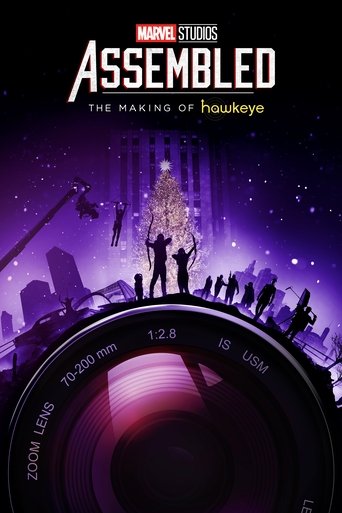
Join the likes of Jeremy Renner, Hailee Steinfeld, Florence Pugh, and Vincent D’Onofrio as they reveal how Marvel Studios’ “Hawkeye” was conceived and created. Witness firsthand what it took to pull off the show’s pulse-pounding action set pieces, and discover how iconic characters from the pages of Marvel Comics such as Kate Bishop were adapted and brought to life for the six-episode series.

The film follows adventurer Jeff Johnson as he retraces the epic 1968 journey of his heroes Yvon Chouinard and Doug Tompkins to Patagonia.
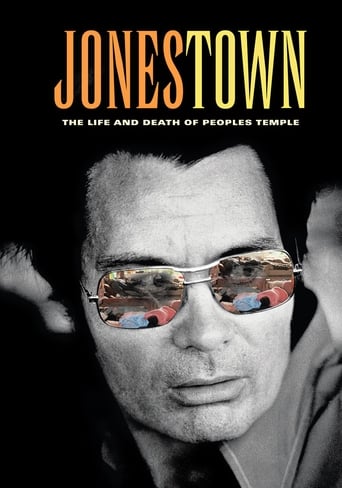
Featuring never-before-seen footage, this documentary delivers a startling new look at the Peoples Temple, headed by preacher Jim Jones who, in 1978, led more than 900 members to Guyana, where he orchestrated a mass suicide via tainted punch.
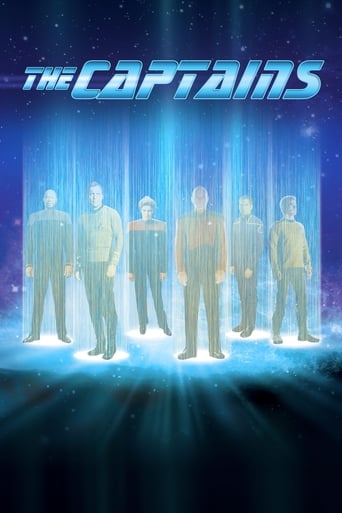
The Captains is a feature-length documentary film written and directed by William Shatner. The film follows Shatner as he interviews the other actors who have portrayed starship captains in the Star Trek franchise.
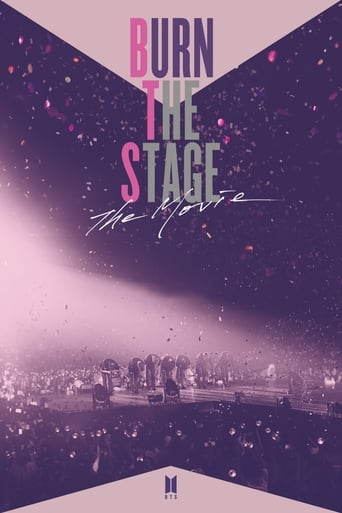
Burn the Stage: the Movie is the first movie from BTS, going behind-the-scenes of the BTS WINGS TOUR to reveal the full story of the band’s meteoric rise to fame. This unmissable film provides an intimate look at what happens when the most successful global boy band of all time breaks down barriers and invades the mainstream music scene. Exclusive tour footage and brand-new one-on-one interviews with BTS members give fans an unprecedented glimpse into their lives and an opportunity for everyone to celebrate together worldwide.
Similar titles

Focusing on Mrs. Kang Sang-hee’s life, she lost her husband in the Jeju Uprising (March 3rd, 1948). The film views the dark-side of Jeju Island, a huge grave, which is completely opposite of the other side of the island, the famous tourist attraction. It says that the tragedy has been going on about the recent Gang-jeong village situation.
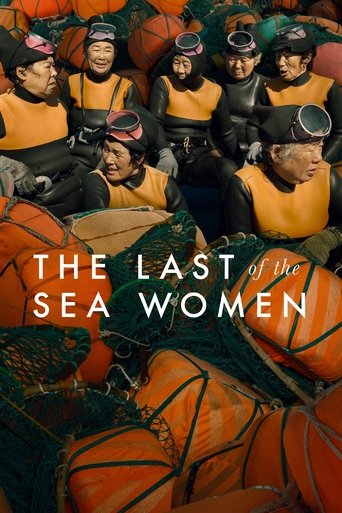
On the shores of Jeju Island, a fierce group of South Korean divers fight to save their vanishing culture from looming threats.

The film shows demonstrations against building the second airport in Jeju Island the performances of environmentalists very closely and in detail, by which it develops a desperate love story.
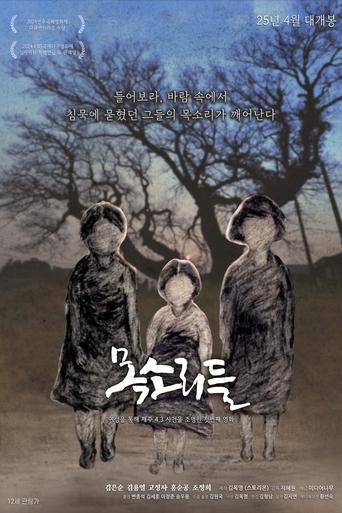
In the turmoil of the Jeju 4.3 incident, Jeju Island witnessed the loss of an estimated 25,000 to 30,000 lives, with women constituting a significant yet often unrecognized proportion of the victims. This documentary illuminates the once-shrouded experiences of these women, led by a dedicated Jeju 4.3 researcher.
Confronting half of her mother’s life—her mother who had survived the Jeju April 3 Incident—the director tries to scoop out disappearing memories. A tale of family, which carries on from Dear Pyongyang, carving out the cruelty of history, and questioning the precarious existence of the nation-state.
Following water's flow through the volcanic body of Jeju Island, the film traces resilience across geological, historical, and mythical time. A lone visitor enters a cave where submerged memories—of militarization and exploitation—surface through sound.
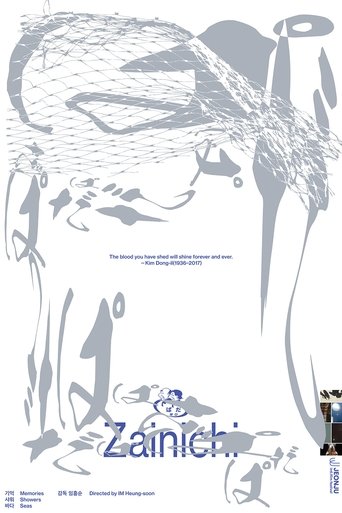
The late Kim Dong-il, a Jeju April 3 refugee in Japan, left behind over 2,000 crocheted items and pieces of clothing that preserved her memories, identity, and history. As the film traces the redistribution of her belongings, it illuminates the still-unhealed lives of various Zainichi Koreans who lived through the same era, sharing and connecting their intertwined memories.

In an abandoned resort on the South Korean island of Jeju, a group of people perform a symbolic funeral ritual to end a world built on hierarchies, division and destruction.

Jeju authorities felled about 900 cedar trees on Bijarim-ro for a road expansion project. Citizens exposed the project's flawed environmental impact assessment, leading to its suspension. They continued efforts to protect Seongsan, slated for the second airport, and Bijarim-ro. This documentary follows the journeys of five women involved in this movement.
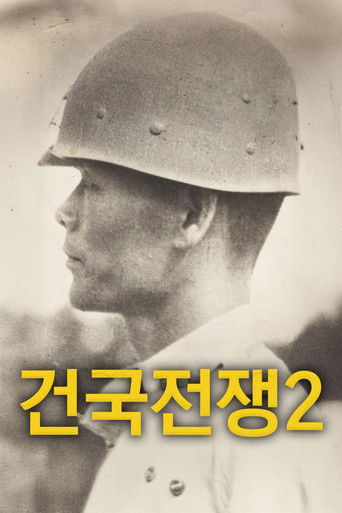
How did South Korea, after liberation in 1945 defend liberal democracy against leftist and communist forces? The door to that secret is now revealed.
This is a record of people who face up to the big change.
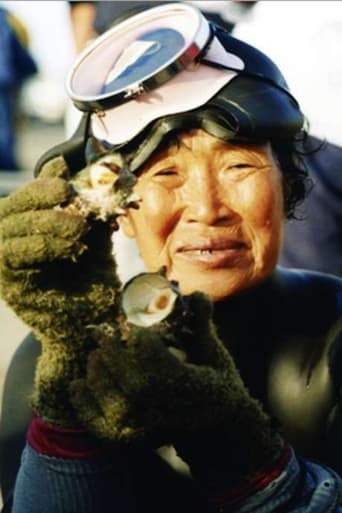
Jeju-do is the largest of Korean islands and lies between Korea and Japan. There, for hundreds of years, women dive without breathing apparatus, to the ocean floor and collect shellfish, octopus, and urchins that they sell. The divers are in their sixties and seventies and their daughters do not want to inherit their work, lifestyle, and health problems that go with diving. As a filmmaker I was privileged to meet many of these women and dive with them. Their stories of hardship and pride confirmed my desire to record this unique and ancient tradition.
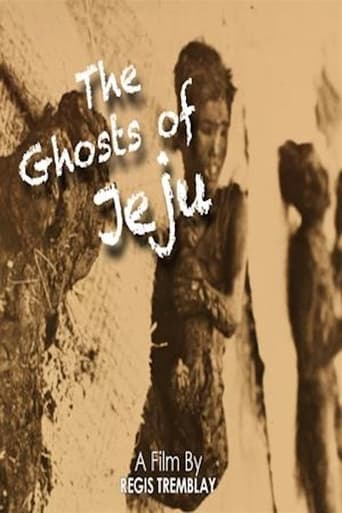
Documentary about the struggle of the people of Jeju Island, South Korea. Set in the context of the U.S. presence in Korea after World War II, the film reveals horrible atrocities at the hands of the U.S. Military Government of Korea.

In Jeju Province, located off the southern coast of Korea, are the women of the sea, those who hold breath for life. These women still exist and they still dive the old way, without tanks. They go into the waters of 10- to 20-meter depth to harvest seaweed and shellfish to make a living. They make a living in the same sea, but each haenyeo’s sea of life is different. The community is divided into three tiers- Group A, B and C, based on skills and capabilities. One’s rank is determined by sum or breath. Sum, is pre-determined at birth. Therefore, sum is desired. However, the ocean is harsh. May you desire! But seek what is not yours, the ocean will devour you. Life, for these women of the sea, is about holding one’s breath, and containing and controlling one’s desire. The film is a six year record of the lives of the haenyeos in Udo, an islet in the province of Jeju, known to be the birthplace of haenyeo. It is a close look into the lives that stand on the boundary of life and death.
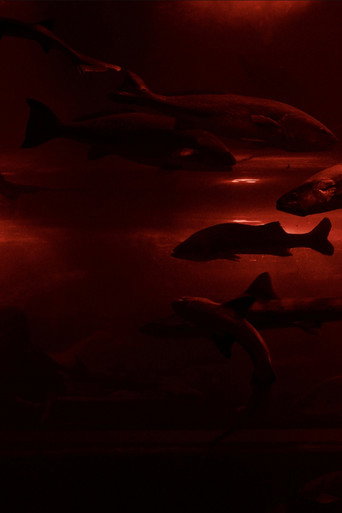
In 1948, a red wave rose. From Yeosu to Busan, the filmmaker traces lives and memories layered along the sea. The Yeosu-Suncheon Incident erupted when soldiers stationed in Yeosu refused orders to suppress the Jeju 4·3 uprising, and many civilians were killed during the Rhee Syngman government's crackdown. After the Korean War began, the government branded National Guidance Alliance members as communists and carried out massacres nationwide. Beyond the killing sites in both cities lies the sea, along which state violence flowed from Yeosu to Busan.

Battling deep depression, Jaeyoun returns to her roots on the island of Marano, South Korea, to visit her family of female free fivers known as haenyeo. To her surprise, she finds a connection to nature and her ancestors that literally saves her life.
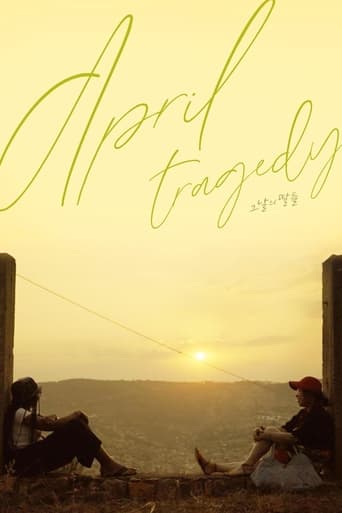
The oral writer of the April 3 Uprising and a Rwandan who came to Korea to study face each other, have a conversation, and then go on a trip hand in hand. The two people, from different generations, nationalities, and occupations, have something in common: they are the daughters of massacre survivors.
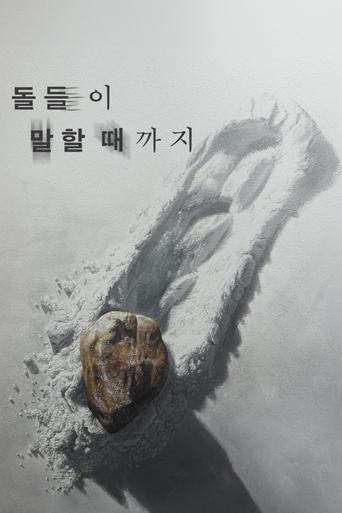
There are five grandmothers, four of whom went to Jeonju Prison due to the Jeju 4.3. All of them were young people around the age of 20 at the time of the incident in 1948. The outline of the incident is formed when hearing the experiences of those who were sent to prison without trial particularly as women. The audience feels indescribable emotions by the fact that they have lived on despite what they had gone through, things that are just too much for a human being to bear.