Naturals: Untouched
1996-01-02 · 47 min · Not rated
Ron Harris produced and directed television programs for Playboy Television between 1995 and 1999, such as Ron Harris' Camera Up-Close & Dangerous, Ron Harris' Star Shapes, a series of seven one-hour specials and Naturals a series of five one-hour specials.
Trailers are previews, not full movies.
No authorized playback source configured. Use the legal watch options below.
Production details
- Directors
- Ron Harris
- Production companies
- Playboy Enterprises
- Countries
- United States of America
- Status
- Released
Top Cast
Cast unavailable.
Title information and images are supplied by TMDb. Explore our discovery guide for advice on comparing metadata and legal viewing options.
Where to watch
Availability provided by JustWatch via TMDb. Offers can change. Provider links are listed on TMDb; full playback requires a separately authorized source.
Availability not listed for this country.
Seasons & episodes
Recommendations
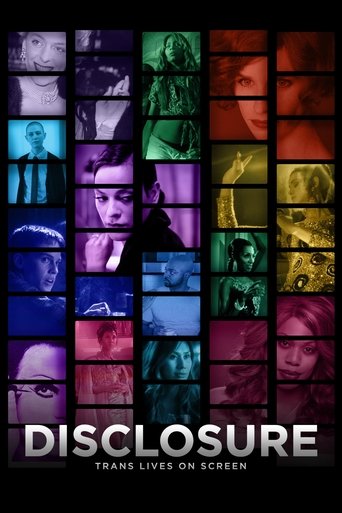
An investigation of how Hollywood's fabled stories have deeply influenced how Americans feel about transgender people, and how transgender people have been taught to feel about themselves.
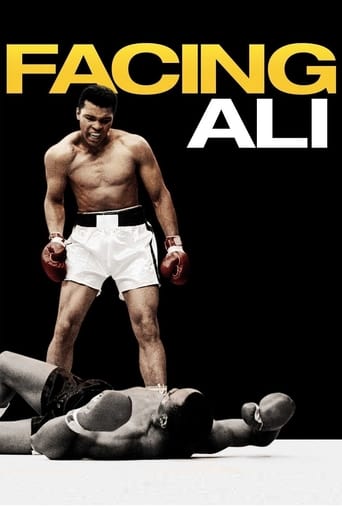
Ten of Muhammad Ali's former rivals pay tribute to the three-time world heavyweight champion.
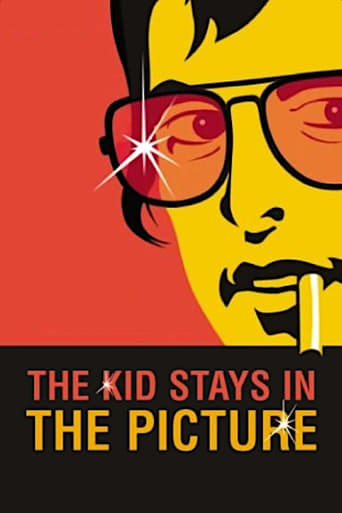
Documentary about legendary Paramount producer Robert Evans, based on his famous 1994 autobiography.

The story of Robert Pilatus and Fabrice Morvan, who became fast friends during their youth in Germany. With Rob coming from a broken home and Fabrice having left an abusive household, they shared a similar upbringing, as well as a future goal: to become famous superstars. In a few short years, their dreams came true. Rob and Fab, better known as Milli Vanilli, became the world's most popular pop duo in 1990 and won the GRAMMY for Best New Artist. However, their ascension to success came with a devastating price that ultimately led to their infamous undoing.
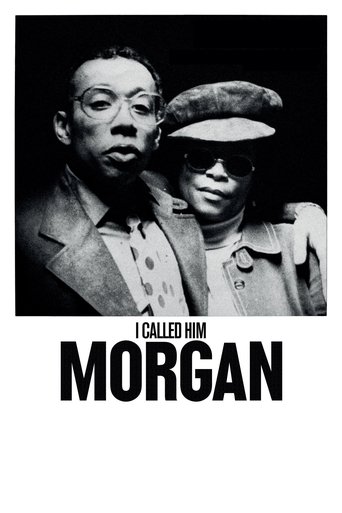
Part jazz history, part true-crime tale, Kasper Collin’s new documentary employs extensive archival footage and new interviews to tell the tragic story of the magnificently talented trumpeter Lee Morgan and his common-law wife Helen, who murdered him in a New York bar in 1972.
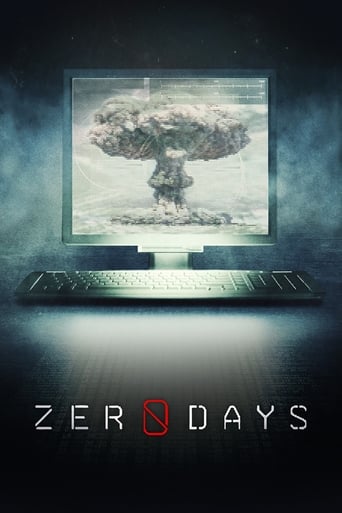
Alex Gibney explores the phenomenon of Stuxnet, a self-replicating computer virus discovered in 2010 by international IT experts. Evidently commissioned by the US and Israeli governments, this malware was designed to specifically sabotage Iran’s nuclear programme. However, the complex computer worm ended up not only infecting its intended target but also spreading uncontrollably.

A love letter from a young mother to her daughter, the film tells the story of Waad al-Kateab’s life through five years of the uprising in Aleppo, Syria as she falls in love, gets married and gives birth to Sama, all while cataclysmic conflict rises around her. Her camera captures incredible stories of loss, laughter and survival as Waad wrestles with an impossible choice– whether or not to flee the city to protect her daughter’s life, when leaving means abandoning the struggle for freedom for which she has already sacrificed so much.
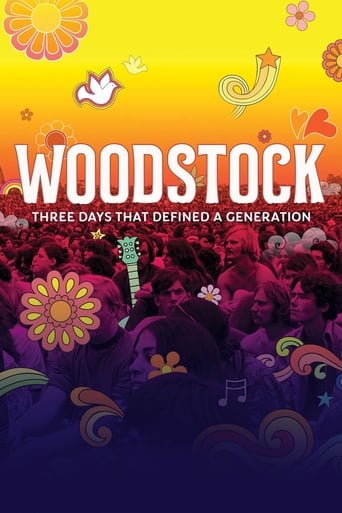
50 years after the legendary fest, Barak Goodman’s electric retelling of Woodstock, from the point of view of those who were on the ground, evokes the freedom, passion, community, and joy the three-day music festival created.
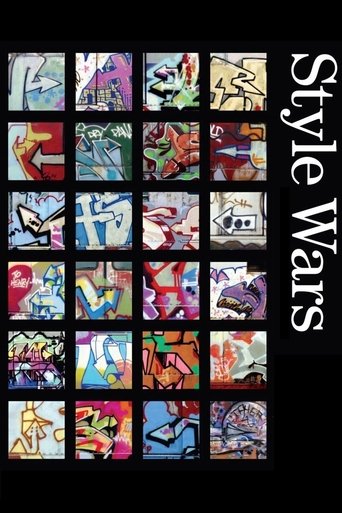
Tony Silver and Henry Chalfant's PBS documentary tracks the rise and fall of subway graffiti in New York in the late 1970s and early 1980s.
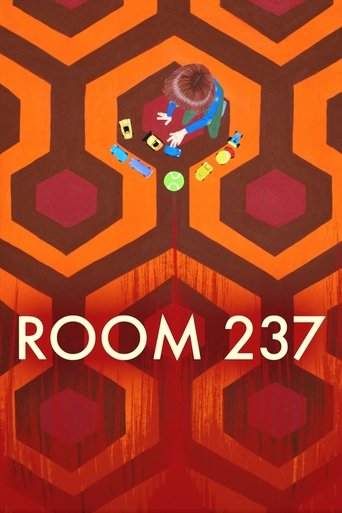
A subjective documentary that explores various theories about hidden meanings in Stanley Kubrick's classic film The Shining. Five very different points of view are illuminated through voice over, film clips, animation and dramatic reenactments.
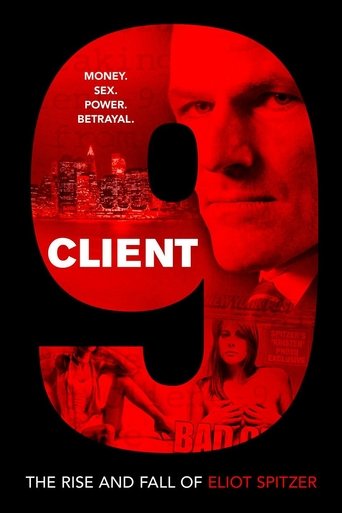
An in-depth look at the rapid rise and dramatic fall of New York Governor Eliot Spitzer.
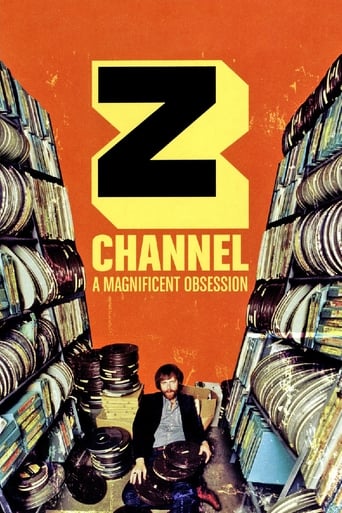
A documentary on the Z Channel, one of the first pay cable stations in the US, and its programming chief, Jerry Harvey. Debuting in 1974, the LA-based channel's eclectic slate of movies became a prime example of the untapped power of cable television.
Using previously unheard audiotapes recorded shortly after John Belushi’s death, director R.J. Cutler’s documentary feature examines the too-short life of the once-in-a-generation talent who captured the hearts and funny bones of devoted audiences.
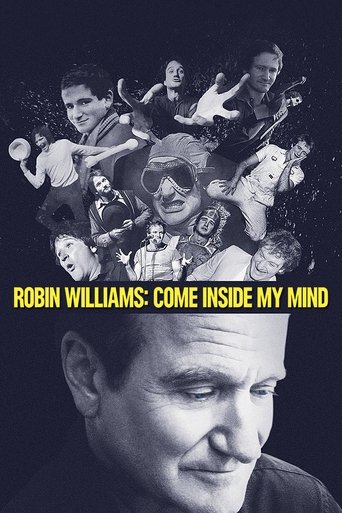
A funny, intimate and heartbreaking portrait of one of the world’s most beloved and inventive comedians, Robin Williams, told largely through his own words. Celebrates what he brought to comedy and to the culture at large, from the wild days of late-1970s L.A. to his death in 2014.
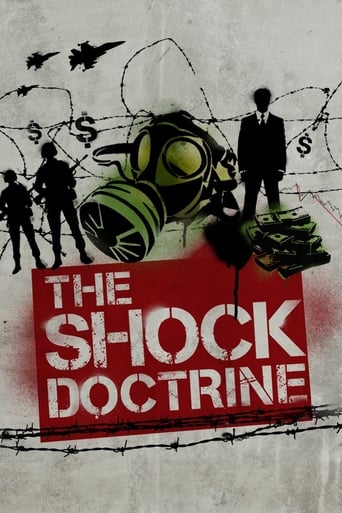
An investigation of "disaster capitalism", based on Naomi Klein's proposition that neo-liberal capitalism feeds on natural disasters, war and terror to establish its dominance.

When Steve Jobs died the world wept. But what accounted for the grief of millions of people who didn’t know him? This evocative film navigates Jobs' path from a small house in the suburbs, to zen temples in Japan, to the CEO's office of the world's richest company, exploring how Jobs’ life and work shaped our relationship with the computer. The Man in the Machine is a provocative and sometimes startling re-evaluation of the legacy of an icon.
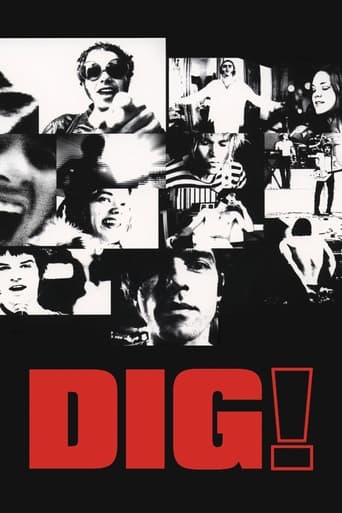
A documentary on the once promising American rock bands The Brian Jonestown Massacre and The Dandy Warhols. The friendship between respective founders, Anton Newcombe and Courtney Taylor, escalated into bitter rivalry as the Dandy Warhols garnered major international success while the Brian Jonestown Massacre imploded in a haze of drugs.
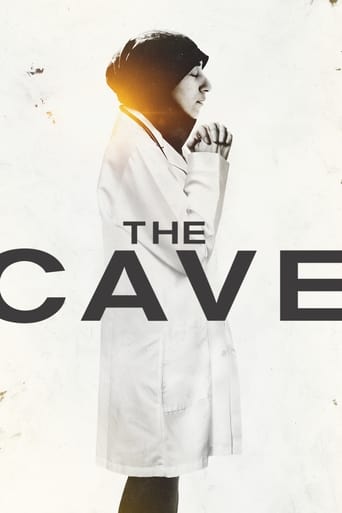
Deep beneath the surface in the Syrian province of Ghouta, a group of female doctors have established an underground field hospital. Under the supervision of paediatrician Dr. Amani and her staff of doctors and nurses, hope is restored for some of the thousands of children and civilian victims of the ruthless Syrian civil war.

When Allied forces liberated the Nazi concentration camps in 1944-45, their terrible discoveries were recorded by army and newsreel cameramen, revealing for the first time the full horror of what had happened. Making use of British, Soviet and American footage, the Ministry of Information’s Sidney Bernstein (later founder of Granada Television) aimed to create a documentary that would provide lasting, undeniable evidence of the Nazis’ unspeakable crimes. He commissioned a wealth of British talent, including editor Stewart McAllister, writer and future cabinet minister Richard Crossman – and, as treatment advisor, his friend Alfred Hitchcock. Yet, despite initial support from the British and US Governments, the film was shelved, and only now, 70 years on, has it been restored and completed by Imperial War Museums under its original title "German Concentration Camps Factual Survey".
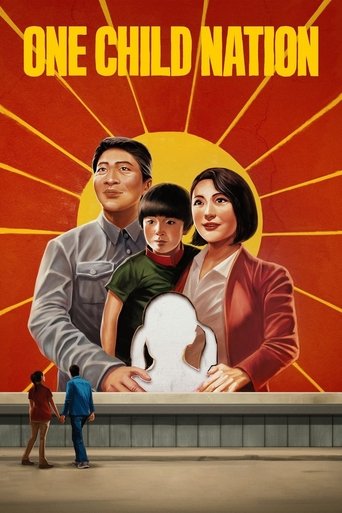
Through interviews with both victims and instigators, Nanfu Wang, a first-time mother, breaks open decades of silence on a vast, unprecedented social experiment that shaped — and destroyed — countless lives in China.
Similar titles
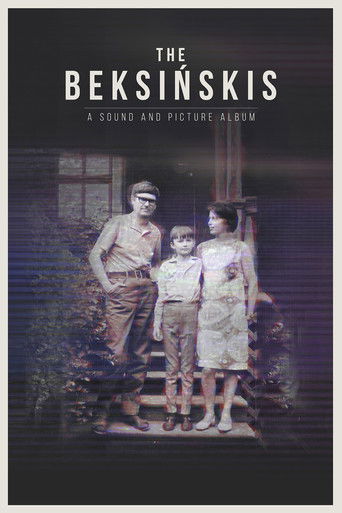
Painter Zdzisław Beksiński, his wife Zofia and their son Tomasz, a well-known radio journalist and translator, were a typical and unconventional family, both at the same time. One of the father’s obsessions was filming himself and his family members. Using archival footage only, shot primarily by Zdzisław, as well many other materials, which have not been presented anywhere so far, the film tells a tragic story of the Beksińskis that has never ceased to fascinate Polish filmmakers.
Unlike any art movie you've ever seen, Making it in Manhattan is informed 'entertainment' about the people who make contemporary art. Artists, collectors, and dealers bring to life the art capital of the world, New York, as it plunges into the 21st Century. Presenting a cross-section of artists, the film discusses inspiration, aesthetics, and the meaning of success. With Louise Bourgeois, Brice Marden, Chuck Close, Neil Jenney, Elizabeth Murray, Ashley Bickerton, Gary Simmons, Ursula von Rydingsvard, Rirkrit Tiravanija, St. Clair Cemin, Ivan Karp, Jay Gorney, Matthew Marks, Jerry Saltz, Herb & Dorothy Vogel, and others. From abstraction to figuration, from installation to conceptual art, from the privacy of the doctor's office to the posh gallery opening, Making it in Manhattan captures the reality of a special world. Music by Tom Waits, Don Braden Ryuichi Sakamoto, George van Eps, Piero Umiliani with Chet Baker.

Travelling around the country, Art City: Simplicity takes viewers on a revealing trip into the studios and lives of a group of singular artists. On a desert mesa outside Santa Fe, Richard Tuttle invents his mysterious and marvellously humble forms, made of wire, cardboard, wood. In Taos, Agnes Martin rhythmically repeats extremely simplified images. Near the Santa Monica surf, John Baldessari, aims for successful juxtapositions of photographs and text. In his North Hollywood living room, Robert Williams revels in surreal cartoon imagery. At a cabin in Woodstock, Joan Snyder refines her sensuous art amid a lush forest. Mike Bidlo salutes Duchamp in a SoHo Gallery, while on Sunset Boulevard, Amy Adler reclaims personal history through self-portraits. Through this group of memorable iconoclasts, the creative "act" is there to see and study.

Many artists use the pain, exhilaration and resolution of private desires to express themselves. Art City: A Ruling Passion focuses on intense personalities who’ve used their art to explore the emotional impact of psychological truths. Everything that Louise Bourgeois creates - whether in marble, fabric or bronze - comes from memory. Michael Ray Charles investigates the marketing of black memorabilia, using early American advertising imagery. Elizabeth Peyton reinvents portraiture, using her friends as subjects, as well as pop culture royalty. Ed Ruscha’s literary landscapes burst from the physical world "right outside the window." The comic spirit of Lari Pittman contrasts with his graphic declarations. In a landmark house, Richmond Burton remembers his dreams to build "psychic fields" of abstraction. The arrays of featureless faces by David Deutsch are stimulated by sub-conscious sensations.
Presents life in 18th century Spain as the painter Francisco de Goya showed it to us.
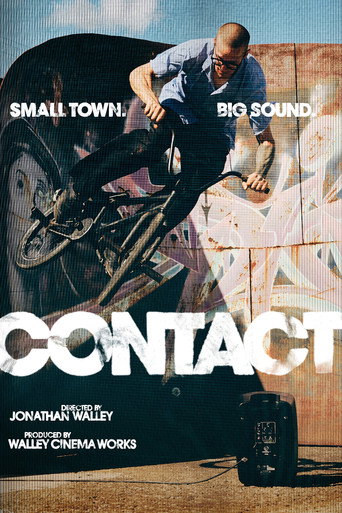
CONTACT is a short documentary film directed by Jonathan Walley that chronicles the transformation of an entire skatepark into a playable musical instrument—where the skate, BMX, art, and music scenes collide. HCS has been many things: a skatepark, gallery, library, museum, and stage; but, for one weekend, Derek Nelson fabricator, activist, BMX pro, and artist, transformed his skatepark into an immersive sonic installation—part instrument, part playground—for the community of Binghamton, NY to become co‑creators in a conflagration of sound. SMALL TOWN, BIG SOUND. CONTACT reminds us of the joy in creativity, community, and the DIY spirit. Contact is about pushing boundaries, experimenting with art, and reclaiming space in an increasingly cruel, unkind, and oppressive world. It’s a poetic exploration of the creative process told by a filmmaker who calls HCS home.
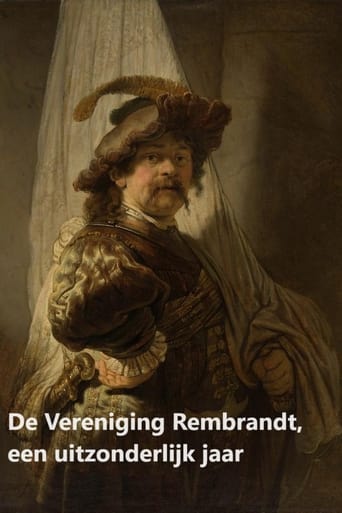
Documentary about the Rembrandt Association. In the 19th century, a lot of Dutch art disappeared abroad, before the Rembrandt Association stood up in 1883 to put a stop to it. Today, 140 years later, the Association still helps determine what art lovers see in Dutch museums. In their crowning year, the Association faces a difficult choice: will they make the largest contribution in their history to the purchase of Rembrandt's De Vaandeldrager? The amount of 175 million needed for the painting is causing discussion. Is this money well spent?

Lyonel Feininger's work is as individual and unmistakable as he is himself. As a classical modernist artist, he is difficult to categorize. He lived and worked in Germany for a long time. He began his career as a caricaturist, later became known as a painter and headed the printing workshops at the Bauhaus. His work cannot be classified as cubism or expressionism. The film visits places that inspired him, such as Paris, the villages around Weimar and, above all, the Baltic coast - many of which are reflected in Feininger's work and make the development of his oeuvre comprehensible.

Celebrating Billy Connolly's 75th birthday and 50 years in the business, three Scottish artists - John Byrne, Jack Vettriano and Rachel MacLean - each create a new portrait of the Big Yin. As he sits with each artist, Billy talks about his remarkable life and career which has taken him from musician and pioneering stand-up to Hollywood star and national treasure.
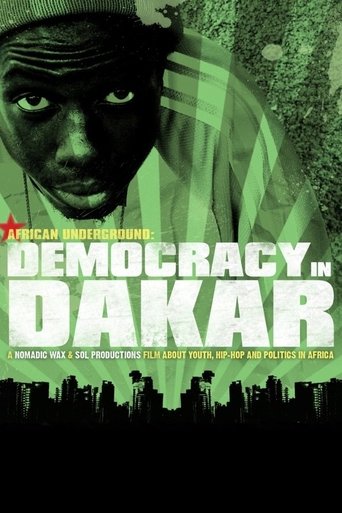
African Underground: Democracy in Dakar is a groundbreaking documentary film about hip-hop youth and politics in Dakar Senegal. The film follows rappers, DJs, journalists, professors and people on the street at the time before, during and after the controversial 2007 presidential election in Senegal and examines hip-hop’s role on the political process. Originally shot as a seven part documentary mini-series released via the internet – the documentary bridges the gap between hip-hop activism, video journalism and documentary film and explores the role of youth and musical activism on the political process.
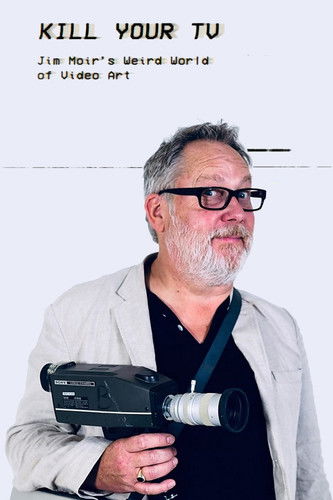
Jim Moir (aka Vic Reeves) explores Video Art, revealing how different generations ‘hacked’ the tools of television to pioneer new ways of creating art that can be beautiful, bewildering and wildly experimental.
This MGM Passing Parade series short takes a look at changing definitions of art in the United States.
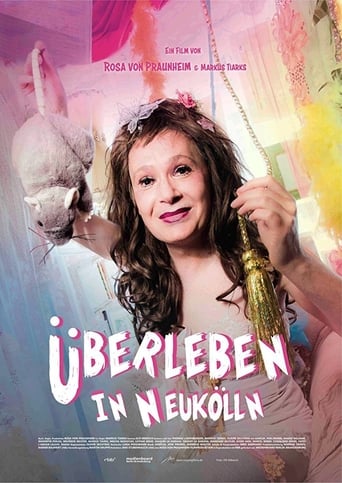
About Stefan Stricker, who calls himself Juwelia and has been running a gallery on Sanderstraße in Berlin Neukölln for many years. Every weekend he invites guests to shamelessly recount from his life and to sing poetic songs written with his friend from Hollywood Jose Promis. Juwelia has been poor and sexy all her life, has always struggled for recognition, but only partially.

Giuseppina Pasqualino di Marineo, better known as Pippa Bacca, was a 34 years old Italian artist. She crossed 11 countries involved in wars, hitchhiking with another Milanese artist, Silvia Moro, both wearing a wedding dress. This was a performance for peace, trust and hoping to prove that if you rely on others, you’ll receive good things only. After travelling many roads, the two artists decided to split for a while in Istanbul, planning to meet again in Byblos. Pippa left then, alone, and nobody heard from her again.
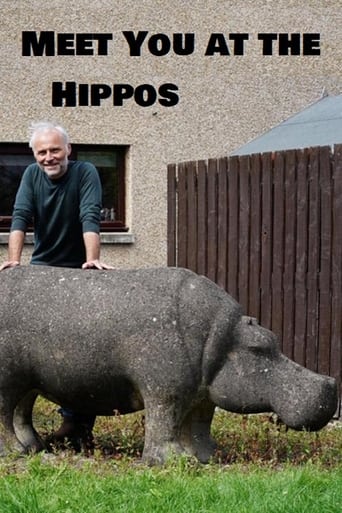
Actor Mark Bonnar is on a mission to understand more about the Scottish new towns in which he grew up, exploring the street sculpture made by artists such as his dad in the 60s, 70s and 80s. He discovers why the new towns are there and how they enticed people out of the bigger cities, and uncovers the surprising ways in which public art changed the new towns and the new towns changed public art. Mark's father, Stan, made sculptures that stand to this day on the streets of Glenrothes, East Kilbride and the Scottish new town that never was, Stonehouse. These new towns employed town artists to make artworks in the very housing precincts the new residents were moving into.

After 6 months of having ended a relationship, a frustrated cartoonist and a young filmmaker meet again at an art exhibition. The glances, the silences and the coincidences will make them question if there is still a chance for them to be together.

You've seen the shows, now see the Girls of Reality TV as you've only imagined them! From MTV's Real World Las Vegas and Road Rules, to Survivor and Big Brother, this Playboy exclusive release reveals some of the sexiest young stars on reality TV. Only Playboy can bring it to you this hot. Reality TV is hot and Playboy's Girls of Reality TV is even hotter. from MTV's Real World Las Vegas Trishelle Cannatella & Arissa Hill; from MTV's Road Rules (Morocco) Katie Doyle; from NBC's "Survivor: Marquesas" Sarah Jones; from CBS's "Big Brother 2" Shannon Michelle; from "Big Brother 3" Tonya Paoni.
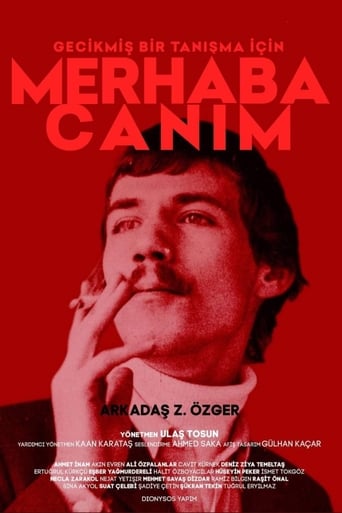
The documentary is titled after Arkadaş Z. Özger’s poem “Hello My Dear” which had caused much controversy in the period it was first published. Considered to be in defiance of heteronormativity, the said poem includes references to the poet’s personality, his family, his relationship to the society, and his “unexpected” death, which came three years after its publication. Today, 50 years after it was written, the documentary follows these same lines in the poem utilising cinematic elements. The documentary also rediscovers the poetics; reaches out to the family, the comrades, the friendships, departing from the official historical accounts, cognizant of his experience of otherness, in pursuit of the “lost” portrait of Arkadaş Z. Özger.

After a painful breakup, Ben develops insomnia. To kill time, he starts working the late night shift at the local supermarket, where his artistic imagination runs wild.