

The Paperflower Still Blooms
2025-09-14 · Runtime unavailable · Not rated
Returning to the ancestral home his grandfather built for the family, the eldest grandson finds no trace of his own childhood. Through the rhythmic cadence of his grandmother’s Hakka, he begins to reclaim his identity—stitching together a family history from old photographs and the stories that survived.
Trailers are previews, not full movies.
No authorized playback source configured. Use the legal watch options below.
Production details
- Directors
- Yeh Chih-fang
- Production companies
- Unavailable
- Countries
- Taiwan
- Status
- Released
Top Cast
Cast unavailable.
Title information and images are supplied by TMDb. Explore our discovery guide for advice on comparing metadata and legal viewing options.
Where to watch
Availability provided by JustWatch via TMDb. Offers can change. Provider links are listed on TMDb; full playback requires a separately authorized source.
Availability not listed for this country.
Seasons & episodes
Recommendations
Canadian actress and filmmaker Sarah Polley investigates certain secrets related to her mother, interviewing a group of family members and friends whose reliability varies depending on their implication in the events, which are remembered in different ways; so a trail of questions remains to be answered, because memory is always changing and the discovery of truth often depends on who is telling the tale.
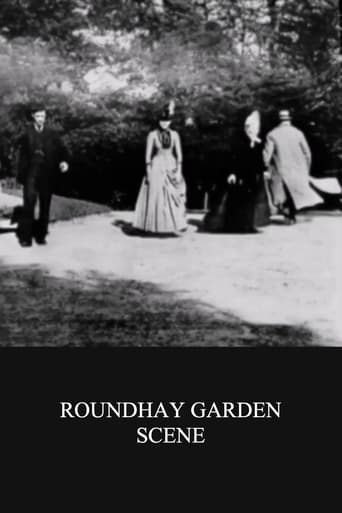
The earliest surviving motion-picture film, and believed to be one of the very first moving images ever created, was shot by Louis Aimé Augustin Le Prince using the LPCCP Type-1 MkII single-lens camera. It was taken on paper-based photographic film in the garden of Oakwood Grange, the Whitley family house in Roundhay, Leeds, West Riding of Yorkshire (UK), on 14 October 1888. The film shows Adolphe Le Prince (Le Prince’s son), Mrs. Sarah Whitley (Le Prince’s mother-in-law), Joseph Whitley, and Miss Harriet Hartley walking around in circles, laughing to themselves, and staying within the area framed by the camera. Roundhay Garden Scene is often associated with a recording speed of around 12 frames per second and runs for about 2 to 3 seconds.

Through deeply personal interviews with her siblings and an examination of the photographs, letters, and belongings left behind, Mariska assembles a new portrait of her mother Jayne Mansfield, an extraordinary and complex woman.

A compilation of over 30 years of private home movie footage shot by Lithuanian-American avant-garde director Jonas Mekas, assembled by Mekas "purely by chance", without concern for chronological order.

Ranjit, a farmer in India, takes on the fight of his life when he demands justice for his 13-year-old daughter, the victim of a brutal gang rape. His decision to support his daughter is virtually unheard of, and his journey unprecedented.

A documentary on the expletive's origin, why it offends some people so deeply, and what can be gained from its use.
Jonas Mekas weaves an elegiac diary film from his 1971–72 return to Lithuania, chronicling a visit to his birthplace of Semeniškiai after decades in exile. Blending personal memory with documentary observation, the film becomes both a portrait of homecoming and a meditation on displacement, family, and the passage of time.

A virtuoso jazz pianist and film composer tracks his family's lineage through his 91-year-old grandfather from Jim Crow Florida to the Walt Disney Concert Hall.

A detailing of the rise to prominence and global sporting superstardom of six supremely talented young Manchester United football players (David Beckham, Nicky Butt, Ryan Giggs, Paul Scholes, Phil and Gary Neville). The film covers the period 1992-1999, culminating in Manchester United's European Cup triumph.

The life of Mr. Spock, as well as that of Leonard Nimoy, the actor who played him for almost fifty years, written and directed by his son: Adam.
The life and career of an actor, artist, and icon. His own journey through his own camera.

In an intimate and joyful story of love in the face of loss, celebrated poets Andrea Gibson and Megan Falley find strength—and unexpected hilarity—in what might be their final year together.
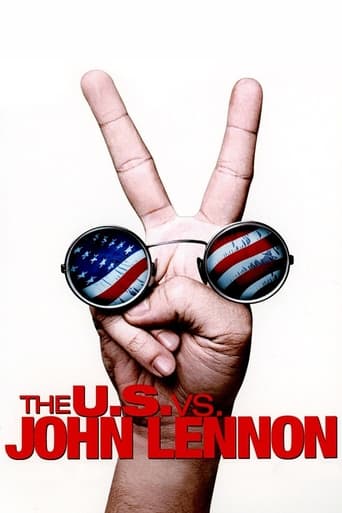
A documentary on the life of John Lennon, with a focus on the time in his life when he transformed from a musician into an antiwar activist.

Told through performances, TV interviews, home movies, family photographs, private letters and unpublished memoirs, the film reveals the essence of an extraordinary woman who rose from humble beginnings in New York City to become a glamorous international superstar and one of the greatest artists of all time.

A dreamlike conversation with the past and the present, reimagining Latasha Harlins' story by excavating intimate memories shared by those who loved her.
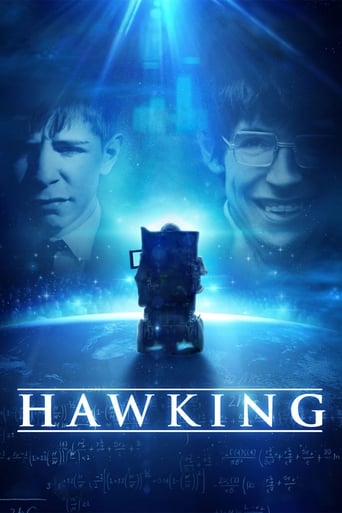
The extraordinary story of the planet’s most famous contemporary scientist, told in his own words and by those closest to him. Made with unique access to Hawking’s private life, this is an intimate and moving journey into Stephen's world, both past and present.

When Allied forces liberated the Nazi concentration camps in 1944-45, their terrible discoveries were recorded by army and newsreel cameramen, revealing for the first time the full horror of what had happened. Making use of British, Soviet and American footage, the Ministry of Information’s Sidney Bernstein (later founder of Granada Television) aimed to create a documentary that would provide lasting, undeniable evidence of the Nazis’ unspeakable crimes. He commissioned a wealth of British talent, including editor Stewart McAllister, writer and future cabinet minister Richard Crossman – and, as treatment advisor, his friend Alfred Hitchcock. Yet, despite initial support from the British and US Governments, the film was shelved, and only now, 70 years on, has it been restored and completed by Imperial War Museums under its original title "German Concentration Camps Factual Survey".

A documentary about how a dominant cultural and demographic institution both sustains their traditional activities and adapts to the digital revolution.
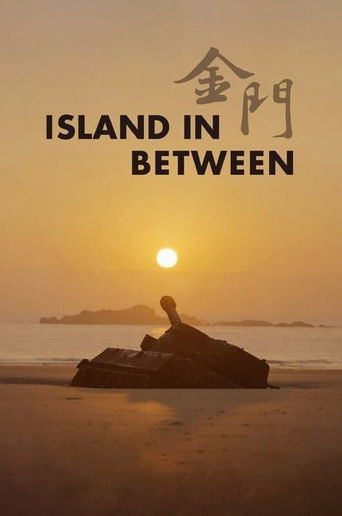
The rural Taiwanese outer islands of Kinmen sit merely 2 miles off the coast of China. Kinmen attracts tourists for its remains from the 1949 Chinese Civil War. It also marks the frontline for Taiwan in its escalating tension with China.
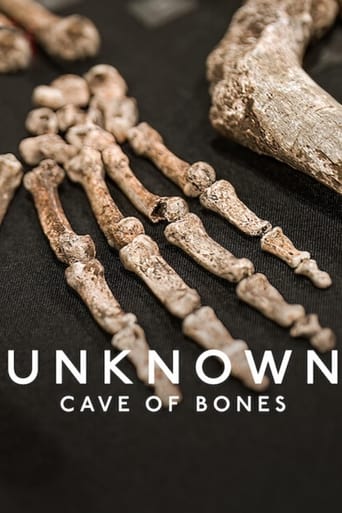
Scientists examine underground clues from over 250,000 years ago that raise questions about our early relatives — and what it truly means to be human.
Similar titles
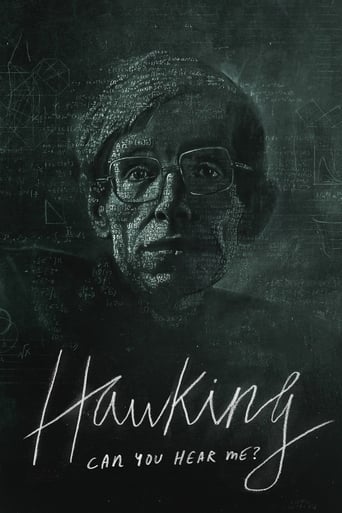
A documentary telling the remarkable human story of Stephen Hawking. For the first time, the personal archives and the testimonies of his closest family reveal both the scale of Hawking's triumphs and the real cost of his disability and success.
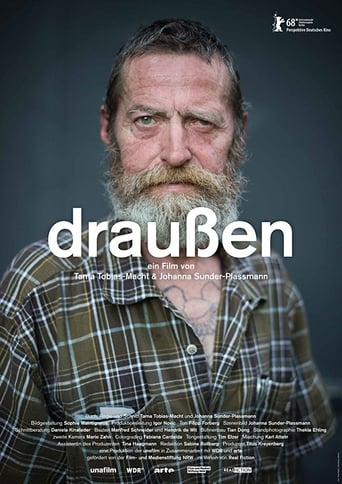
The film explores the turbulent lives of homeless persons in Cologne, Germany. Through their personal belongings the homeless share with the viewer their memories and emotions, and provide insight into the secrets of survival on the street.
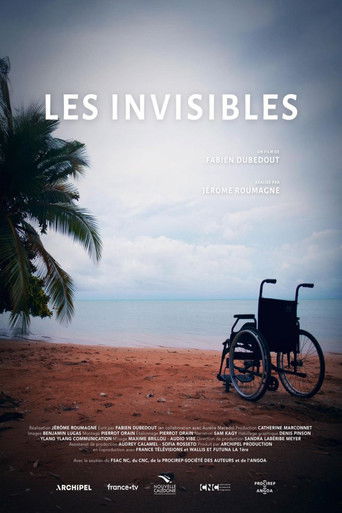
"In Wallis and Futuna, disability has long lived in the shadows. Invisible to the world, those affected were marginalized, deprived of genuine recognition and a place in society. Behind closed doors, shame and fear of judgment mingled with the pain of families convinced that a child with a disability was a curse. Today, these superstitions are gradually fading. But the wounds of the past remain, and the path to acceptance and inclusion is still long. On this archipelago, it is urgent to make up for lost time in terms of recognition, support, and dignity for every person with a disability."
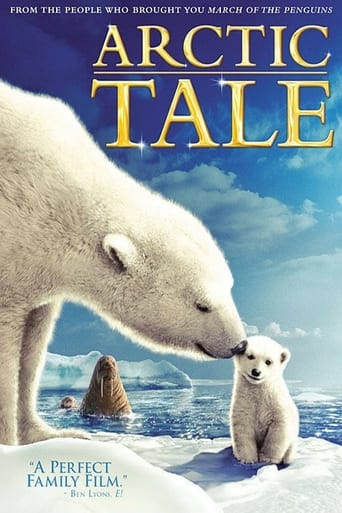
Arctic Tale is a 2007 documentary film from the National Geographic Society about the life cycle of a walrus and her calf, and a polar bear and her cubs, in a similar vein to the 2005 hit production March of the Penguins, also from National Geographic.

Examines the intergenerational impact of addiction by chronicling the love, labor, loss, and uncertainty of one woman’s struggle to live a life of sobriety. Weaving together moments of glee, fulfillment, acceptance, sorrow, and disappointment, this documentary takes an intimate look at the bonds that hold one family together and a disease that threatens to tear them apart.
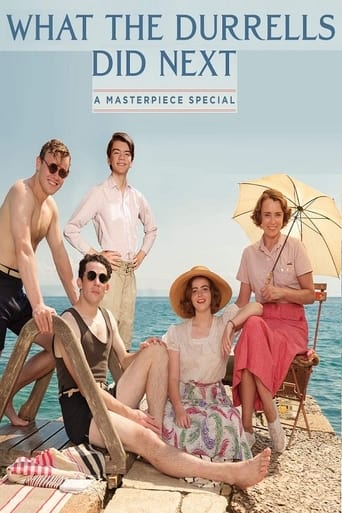
Hosted by Keeley Hawes, star of the popular television series The Durrells, this documentary reveals the adventures of the eccentric Durrell family once they left Corfu, Greece.
fifteen zero three nineteenth of january two thousand sixteen explores how everyday routines and gestures are transformed when a mother loses her child in the violence impacting Swedish outskirts since the early 2000s. The film resists simplistic media depictions of the suburbs and shows how a home can hold both mourning and the mobilization of women to fight for their own and others' children.
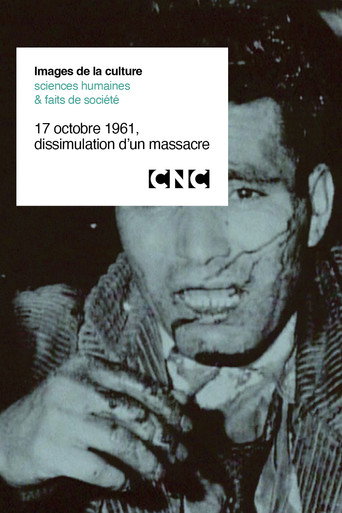
On October 17 and 18, 1961, during a non-violent demonstration against the imposed curfew, dozens of Algerians were murdered in Paris by police officers acting on orders from their superiors. For forty years, this crime has been concealed; yet these events, the deadliest on French soil since the Second World War, resemble, in some respects, the darkest hours of the collaboration. Why has this history been hidden? Under what conditions, and in the name of what reasons, did officials of a democratic state conceal the scale and gravity of such events?
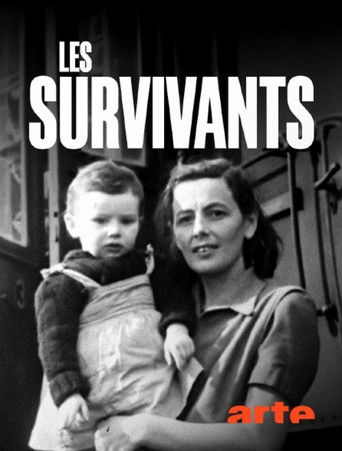
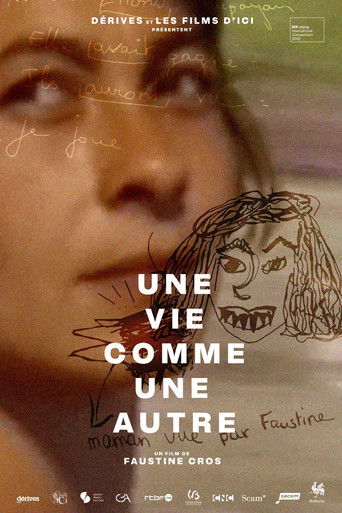
Over many years, the director’s father filmed his family life almost obsessively. His daughter’s birth, his son’s first steps, and always Valérie, the young mother. An impressive fund of material which their now grown-up daughter Faustine appropriates to tell quite a different story: that of a woman who sees her role as a mother and its demands take away her freedom step by step.
In this short film, artist Jobie Weetaluktuk turns his gaze on his family and the power of ritual through the story of a young woman and her unplanned child. In Inukjuak, an Inuit community in the Eastern Arctic, a baby boy has come into the world and they call him Timuti, a name that recurs across generations of his people, evoking other Timutis, alive and dead, who will nourish his spirit and shape his destiny.
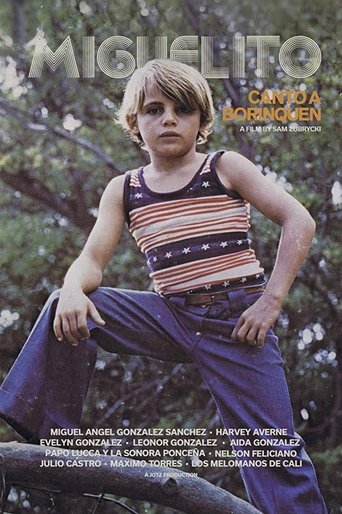
In 1973, eleven year old Miguelito was discovered singing in the San Juan airport by the legendary New York record producer Harvey Averne. Within the year, he went from the slums of Manuel A Perez, to recording an album with some of the finest salsa musicians of the time to finally performing with Eddie Palmieri at Madison Square Garden in front of 20,000 people. Throughout Latin America his songs ‘Payaso’ and ‘Canto a Borinquen’ had become cult hits. And then he simply disappeared...
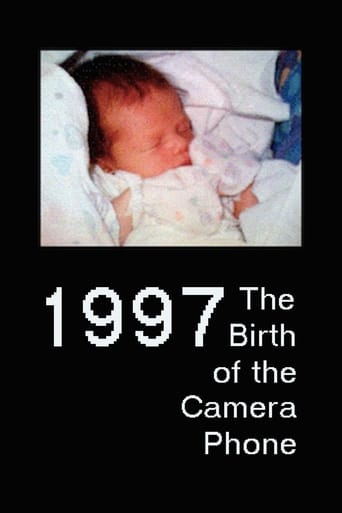
On June 11th, 1997, Philippe Kahn created the first camera phone solution to share pictures instantly on public networks. The impetus for this invention was the birth of Kahn's daughter, when he jerry-rigged a mobile phone with a digital camera and sent photos in real time. In 2016 Time Magazine included Kahn's first camera phone photo in their list of the 100 most influential photos of all time.
St. Ives and the painters based in the town, and the surrounding areas, are showcased in this fascinating documentary.

This documentary offers a deeply intimate look at extraordinary teenager Billie Eilish. Award-winning filmmaker R.J. Cutler follows her journey on the road, onstage, and at home with her family as the writing and recording of her debut album changes her life.
Echo is a youngster who can't quite decide if it's time to grow up and take on new responsibilities-or give in to her silly side and just have fun. Dolphin society is tricky, and the coral reef that Echo and his family call home depends on all of its inhabitants to keep it healthy. But Echo has a tough time resisting the many adventures the ocean has to offer.

A terrorist attack hits Shira's homeland shortly after she moves to the United States. Picking up a camera, she looks for ways to cope with the tragedy, thousands of miles away from those she loves and lost.
In this film from late in his career, Kramer returns to Hanoi after nearly 25 years to re-envision the city’s struggle through an uncertain and daunting past, present, and future. The Vietnamese characters in the film are diverse: Kramer’s former guide from an earlier visit in 1969; a tight-rope walker in the national circus; a man who took photos of B-52s and another who lost his fingers shooting them down.
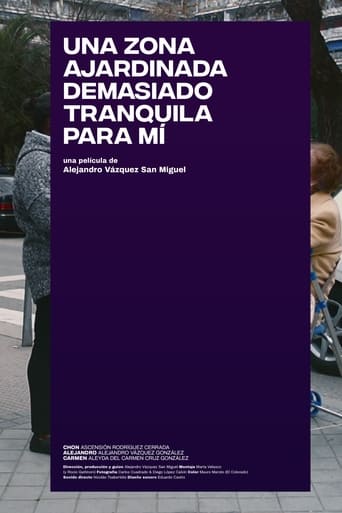
Memory prevents rest and a woman about to die takes advantage of cinema to tell her story (inseparable from that of Franco’s Spain) and to say goodbye. A terrace as a border and a song that crosses time. At home, nothing is always—and everything is still—in the present and defunct now. A home movie of ghosts, a generous gesture of intimacy and solidarity that not witnesses two people at the end of their long lives, but also reveals the weight of history and of the 20th century, which is always present today.