

Child of the Andes
1985-06-14 · 59 min · ★ 9.0
Ten-year-old Sébastiana recounts the history and legends and explains the local customs of Andahuaylillas, Peru, a small village located high in the Andes. Their simpler way of life has persisted for over three centuries, undisturbed by modern society's technology and materialism.
Trailers are previews, not full movies.
No authorized playback source configured. Use the legal watch options below.
Production details
- Directors
- Marilú Mallet
- Production companies
- ONF | NFB
- Countries
- Canada
- Status
- Released
Top Cast
 Rita LafontaineVoice
 Marilú MalletVoice
 Jean-Guy MoreauVoice
Title information and images are supplied by TMDb. Explore our discovery guide for advice on comparing metadata and legal viewing options.
Where to watch
Availability provided by JustWatch via TMDb. Offers can change. Provider links are listed on TMDb; full playback requires a separately authorized source.
Availability not listed for this country.
Seasons & episodes
Recommendations

The documentary's title translates as "to be and to have", the two auxiliary verbs in the French language. It is about a primary school in the commune of Saint-Étienne-sur-Usson, Puy-de-Dôme, France, the population of which is just over 200. The school has one small class of mixed ages (from four to twelve years), with a dedicated teacher, Georges Lopez, who shows patience and respect for the children as we follow their story through a single school year.

A group of British children aged 7 from widely ranging backgrounds are interviewed about a range of subjects. The filmmakers plan to re-interview them at 7 year intervals to track how their lives and attitudes change as they age.

From the heights of her modeling fame to her tragic death, this documentary reveals Anna Nicole Smith through the eyes of the people closest to her.

Through deeply personal interviews with her siblings and an examination of the photographs, letters, and belongings left behind, Mariska assembles a new portrait of her mother Jayne Mansfield, an extraordinary and complex woman.

Capturing the daily operations, administrative meetings, lectures, and diverse community services of the New York Public Library, Wiseman highlights how the institution functions as an egalitarian center for learning, digital equity (such as lending internet access), cultural exchange, and public service.

A string of threatening emails escalates into a revenge plot involving a newly married US marshal and his ex-girlfriend.
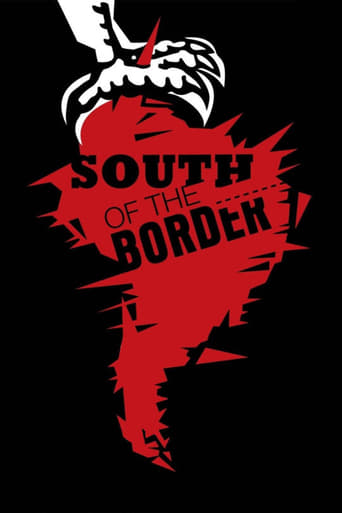
A road trip across five countries to explore the social and political movements as well as the mainstream media's misperception of South America while interviewing seven of its elected presidents.

Ranjit, a farmer in India, takes on the fight of his life when he demands justice for his 13-year-old daughter, the victim of a brutal gang rape. His decision to support his daughter is virtually unheard of, and his journey unprecedented.
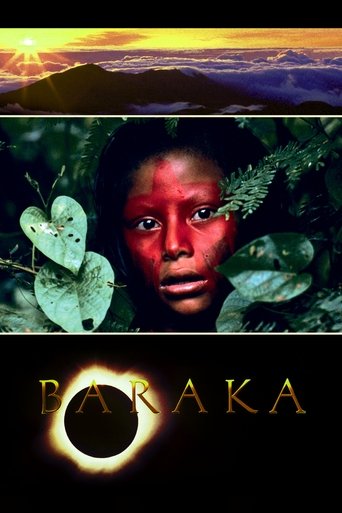
A paralysingly beautiful documentary with a global vision—an odyssey through landscape and time—that attempts to capture the essence of life.
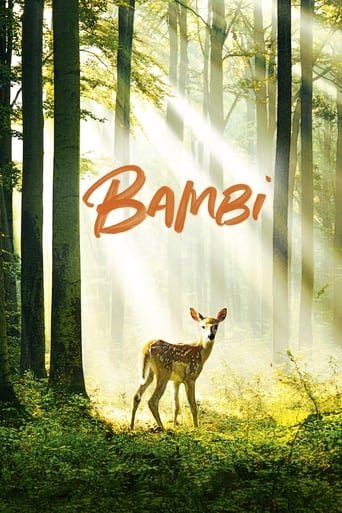
The life of Bambi, a male roe deer, from his birth through childhood, the loss of his mother, the finding of a mate, the lessons he learns from his father, and the experience he gains about the dangers posed by human hunters in the forest.
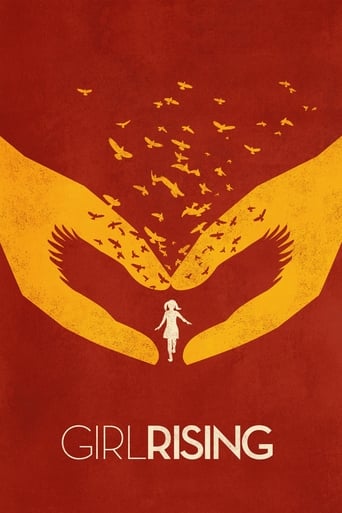
Nine filmmakers each profile a young girl from a different part of the world to weave a global tapestry of youth in the 21st century.

A non-narrated documentary following the lovesome lives of four infants from birth to their first birthday. The babies featured are two from rural areas: Ponijao from Opuwo, Namibia, and Bayar from Bayanchandmani, Mongolia, as well as two from urban areas: Mari from Tokyo, Japan, and Hattie from San Francisco, USA.
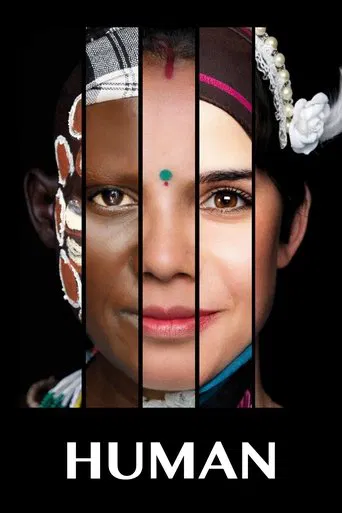
A collection of stories about and images of our world, offering an immersion to the core of what it means to be human. Through these stories full of love and happiness, as well as hatred and violence, it brings us face to face with the Other, making us reflect on our lives. From stories of everyday experiences to accounts of the most unbelievable lives, these poignant encounters share a rare sincerity and underline who we are – our darker side, but also what is most noble in us, and what is universal. Our Earth is shown at its most sublime through never-before-seen aerial images accompanied by soaring music, resulting in an ode to the beauty of the world, providing a moment to draw breath and for introspection. This film is a politically engaged work which allows us to embrace the human condition and to reflect on the meaning of our existence.

The film follows adventurer Jeff Johnson as he retraces the epic 1968 journey of his heroes Yvon Chouinard and Doug Tompkins to Patagonia.
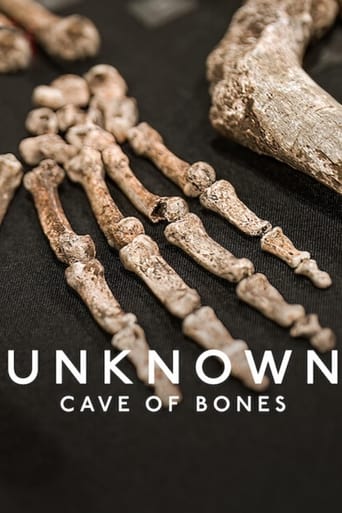
Scientists examine underground clues from over 250,000 years ago that raise questions about our early relatives — and what it truly means to be human.

Martin Scorsese, Robert De Niro, Joe Pesci, and Al Pacino in conversation about The Irishman.
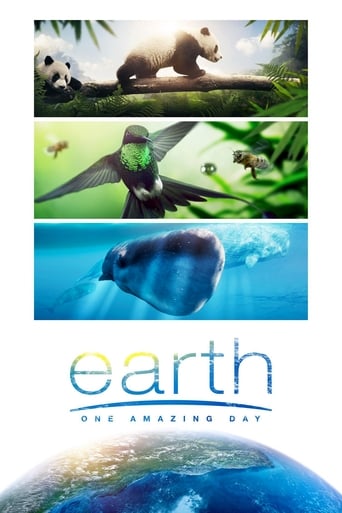
An astonishing journey revealing the awesome power of the natural world. Over the course of one single day, we track the sun from the highest mountains to the remotest islands to exotic jungles.
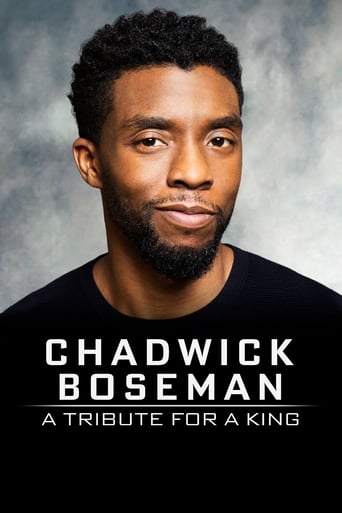
A tribute to Chadwick Boseman, celebrating his life and legacy.
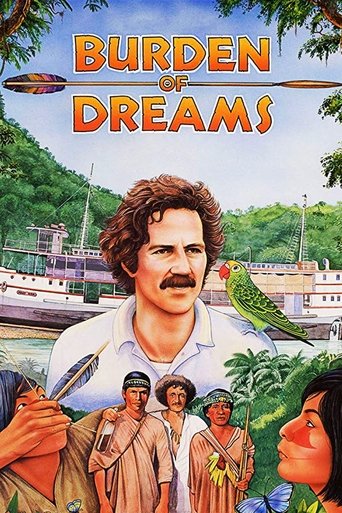
The Amazon rain forest, 1979. The crew of Fitzcarraldo (1982), a film directed by German director Werner Herzog, soon finds itself with problems related to casting, tribal struggles and accidents, among many other setbacks; but nothing compared to dragging a huge steamboat up a mountain, while Herzog embraces the path of a certain madness to make his vision come true.

A detailing of the rise to prominence and global sporting superstardom of six supremely talented young Manchester United football players (David Beckham, Nicky Butt, Ryan Giggs, Paul Scholes, Phil and Gary Neville). The film covers the period 1992-1999, culminating in Manchester United's European Cup triumph.
Similar titles
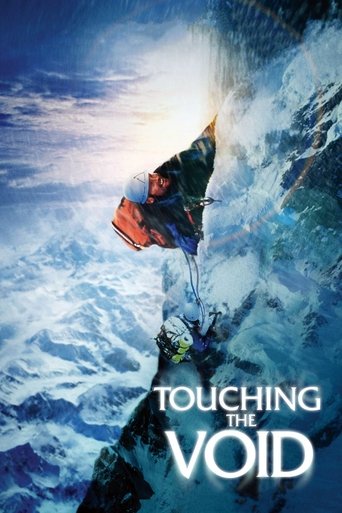
The true story of Joe Simpson and Simon Yates' disastrous and nearly-fatal mountain climb of 6,344m Siula Grande in the Cordillera Huayhuash in the Peruvian Andes in 1985.
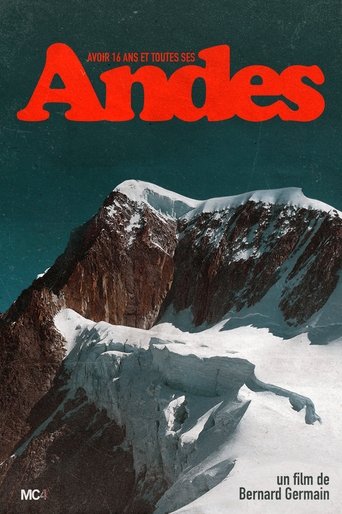
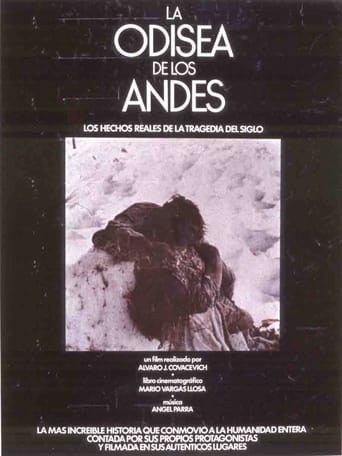
A documentary revolving around the 1972 crash of the plane carrying an Uruguayan rugby team; interviews with survivors and the families of victims.
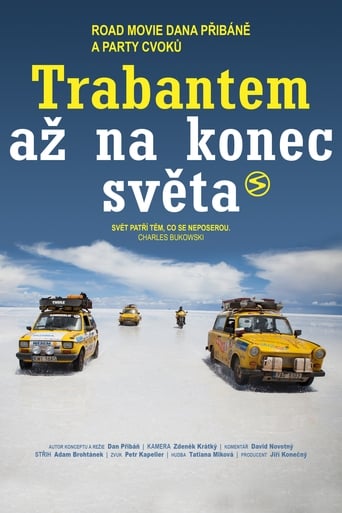
The third installment in Dan Přibáň's series of travel documentaries describes the author's journey with his friends across South America in vehicles that are often notorious but cult in their own way. The charming dynamics of the group on screen are further enhanced by the high-quality craftsmanship.
Thirty years later, Freddy Siso returns to Los Nevados to complete this documentary, once again portraying a reality marked by abandonment, oblivion, and faith. Faith in the land, faith in God, and faith in Saint Isidore. Through patient observation and reflection, the film revisits a community suspended in time, where devotion and memory persist despite decay and neglect.

Cartoneras is a documentary that grapples with Latin America’s urban realities, and the cardboard publishing movement that has emerged from these in the 21st century. Reflecting on the different contexts that propelled this form of community publishing, like Argentina’s 2001 economic crisis, the independent art scene, and the movements which formed around waste-pickers, the film’s narrative is developed through conversations with important actors from the cartonera world.

In June 1978, Patrick Vallençant made the first ski descent of the southeast face of Artesonjaru in Peru, in the Cordillera Blanca, 6,000 meters above sea level and 60° of slope. He left Huaraz on horseback, a donkey carrying his equipment. While crossing Cajas, the last village on the trail to Lake Paron, he was greeted by Victor and Cesar, two Indians who accompanied him to the lake. The climb to the summit was tiring, requiring as much effort from his arms as from his legs. The beginning of the descent was hesitant, the slope extremely steep. He achieved his feat on June 9, his thirty-second birthday.

Images of Argentinian companies and factories in the first light of day, seen from the inside of a car, while the director reads out documents in voiceover that reveals the collusion of the same concerns in the military dictatorship’s terror.
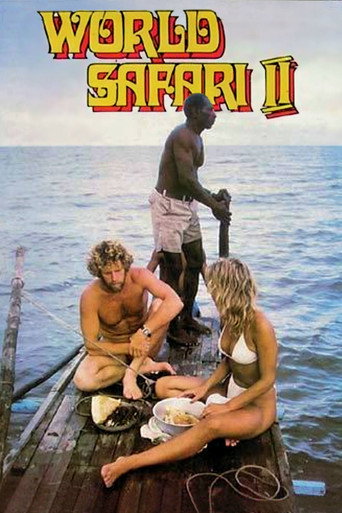
Six years in preparation & three years in filming, World Safari 2 covers one of the largest Australian cattle musters, the wild New Guinea highlands and finally discover the terrorist controlled jungles of South America.
The last two surviving members of the Piripkura people, a nomadic tribe in the Mato Grosso region of Brazil, struggle to maintain their indigenous way of life amidst the region's massive deforestation. Living deep in the rainforest, Pakyî and Tamandua live off the land relying on a machete, an ax, and a torch lit in 1998.
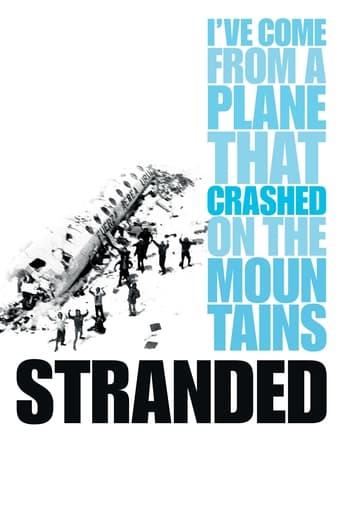
The story, told by the survivors, of a group of young men, members of a Uruguayan rugby team, who managed to survive for 72 days, at an altitude of almost 4,000 meters, in the heart of the Andes Mountains, after their plane, en route to Chile, crashed there on October 13, 1972.

A modern team of explorers venture to the legendary "Lost World"- the remote jungle plateau of Roraima in Venezuela. Cut off from time and the jungle below, feared by natives because of "evil spirits", flying reptiles and other beasts, Roraima has sparked human imagination since the time of the 19th century explorers. Sherlock Holmes author Sir Arthur Conan Doyle based his book "The Lost World" (1912) about men and dinosaurs on the tales from early explorers to this plateau. This was the inspiration for Jurassic Park. The modern expedition team encounters the animals, people and extreme habitat on its route across the Gran Sabana and up the 9000 ft. mountain. Once there they explore a new cave system, that may well contain new forms of life.
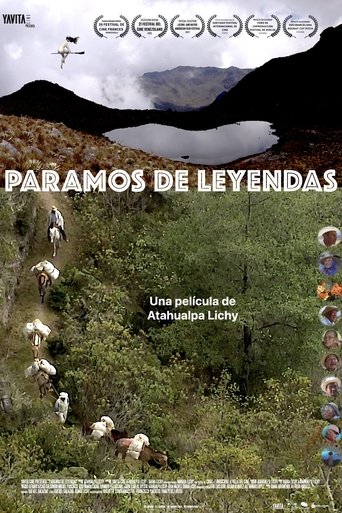
At the highest point of Venezuela, where the fog envelops the memory of time and the wind whispers ancestral tales, Páramos de Leyendas reveals, through portraits of muleteers and peasants, the courage of those who braved the heights and the relentless cold, often barefoot and wearing only a poncho. In this hostile environment, tough personalities were forged, but with an unparalleled spark of humor and wisdom.


In this film people appear, but only as one factor amongst others. Callused hands sow, weed, build and rake; stooped backs bring in the harvest.
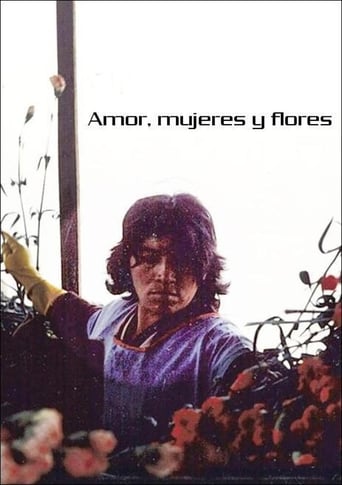
Women workers stand up to the toxic flower industry in Colombia.

CARO Vapor II is an exercise in imagination and a redefinition of what Brazilian popular music can be nowadays. From Rio’s samba jazz transported to the streets of Conjunto São Pedro in Fortaleza to Baião meeting the productions of the Neptunes, the artist understands old musical proposals as dreams of possible futures, pillars in the construction of a country whose work remains unfinished. Digging through these ruins and working their echoes in the present, he dares to envision another future. The exercises of imagining the past that haunt us have been exhumed and rebuilt. While this unfolds sonically, Don L’s pen reinforces: the Global South is what matters. Don scrutinizes the aspirations of what it means to be Latin American nowadays, in a world where virtually all experiences are heavily filtered by the internet and those in power. Territorial construction is also mental, provoking the listener by repeating, in new terms, the question: how much of your dreams was advertising?
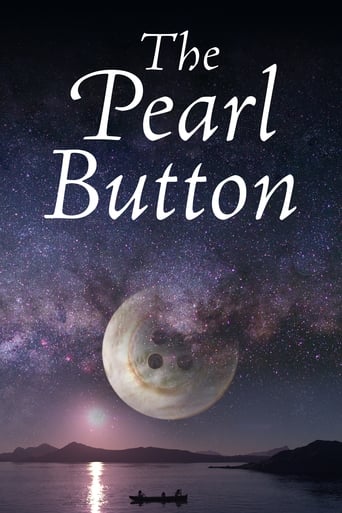
The ocean contains the history of all humanity. The sea holds all the voices of the earth and those that come from outer space. Water receives impetus from the stars and transmits it to living creatures. Water, the longest border in Chile, also holds the secret of two mysterious buttons which were found on its ocean floor. Chile, with its 2,670 miles of coastline and the largest archipelago in the world, presents a supernatural landscape. In it are volcanoes, mountains and glaciers. In it are the voices of the Patagonian Indigenous people, the first English sailors and also those of its political prisoners. Some say that water has memory. This film shows that it also has a voice.

Recent discoveries in archaeology are exploding the myth of the Amazon as a primeval wilderness, revealing traces of ancient civilizations that flourished for centuries, with populations numbering in the millions.