The Sahrawi teacher
2011-01-01 · 76 min · Not rated
For more than thirty years, tens of thousands of Saharawi have lived in makeshift camps, refugees in the Algerian desert. Because of this situation, children are forced to travel far to complete their studies. Many are trained in Cuba during a period of more than twelve years away from home. This documentary chronicles the daily lives of these students, both in the desert, as in Cuba, in a round trip full of contrasts.
Trailers are previews, not full movies.
No authorized playback source configured. Use the legal watch options below.
Production details
- Directors
- Nicolás Muñoz
- Production companies
- Toma 24
- Countries
- Spain
- Status
- Released
Top Cast
Cast unavailable.
Title information and images are supplied by TMDb. Explore our discovery guide for advice on comparing metadata and legal viewing options.
Where to watch
Availability provided by JustWatch via TMDb. Offers can change. Provider links are listed on TMDb; full playback requires a separately authorized source.
Availability not listed for this country.
Seasons & episodes
Recommendations
A behind the scenes look into George Romero's groundbreaking horror classic Night of the Living Dead.
More than 65 million people around the world have been forced from their homes to escape famine, climate change and war, the greatest displacement since World War II. Filmmaker Ai Weiwei examines the staggering scale of the refugee crisis and its profoundly personal human impact. Over the course of one year in 23 countries, Weiwei follows a chain of urgent human stories that stretch across the globe, including Afghanistan, France, Greece, Germany and Iraq.
Guzmán’s final installment shifts from covering the actions of Allende’s opponents to those who battled to revive & promote their toppled leader’s vision for a new Chile.
Filmmaker Christopher Quinn observes the ordeal of three Sudanese refugees -- Jon Bul Dau, Daniel Abul Pach and Panther Bior -- as they try to come to terms with the horrors they experienced in their homeland, while adjusting to their new lives in the United States.

A detailing of the rise to prominence and global sporting superstardom of six supremely talented young Manchester United football players (David Beckham, Nicky Butt, Ryan Giggs, Paul Scholes, Phil and Gary Neville). The film covers the period 1992-1999, culminating in Manchester United's European Cup triumph.

Through deeply personal interviews with her siblings and an examination of the photographs, letters, and belongings left behind, Mariska assembles a new portrait of her mother Jayne Mansfield, an extraordinary and complex woman.

A documentary on the life of John Lennon, with a focus on the time in his life when he transformed from a musician into an antiwar activist.

A documentary on the expletive's origin, why it offends some people so deeply, and what can be gained from its use.

Explore the evolution of Buzz Lightyear from toy to human in the making of Pixar’s Lightyear. Dive into the origin and cultural impact of everyone’s favorite Space Ranger, the art of designing a new “human Buzz,” and the challenges faced by the Lightyear crew along the way.

In an intimate and joyful story of love in the face of loss, celebrated poets Andrea Gibson and Megan Falley find strength—and unexpected hilarity—in what might be their final year together.

Stars of "The Walking Dead," Andrew Lincoln and Danai Gurira, walk down memory lane and visit iconic locations where pivotal moments between their characters, Rick and Michonne, were filmed.
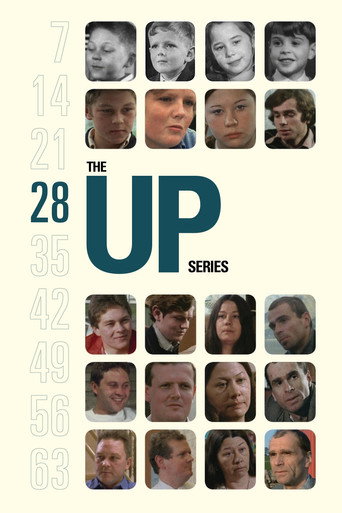
Just two years away from turning 30, participants in Michael Apted's documentary series are facing serious questions of identity and purpose, wondering whether they've found their place in the world.
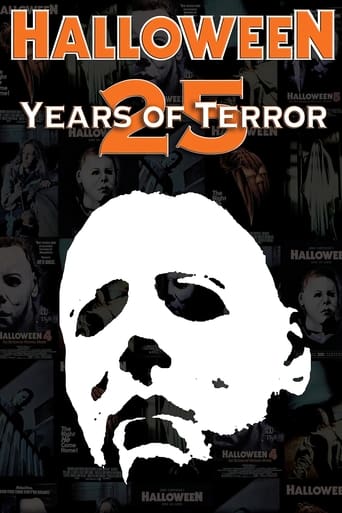
Follow the evolution of the 'Halloween' movies over the past twenty-five years. It examines why the films are so popular and revisits many of the original locations used in the films - seeing the effects on the local community. For the first time, cast, crew, critics and fans join together in the ultimate 'Halloween' retrospective.

Ranjit, a farmer in India, takes on the fight of his life when he demands justice for his 13-year-old daughter, the victim of a brutal gang rape. His decision to support his daughter is virtually unheard of, and his journey unprecedented.
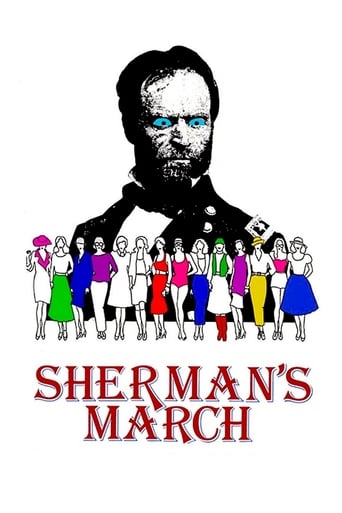
Documentarian Ross McElwee originally set out to make a travelogue of sorts tracing General William T. Sherman's infamous scorched-earth march through the Confederacy in the latter stages of the Civil War. Instead, haunted by a recent breakup with a girlfriend, McElwee ends up documenting his progress -- or lack thereof -- in starting a new relationship. His journey then becomes one of self-reflection and self-discovery rather than a historical/sociological exploration.
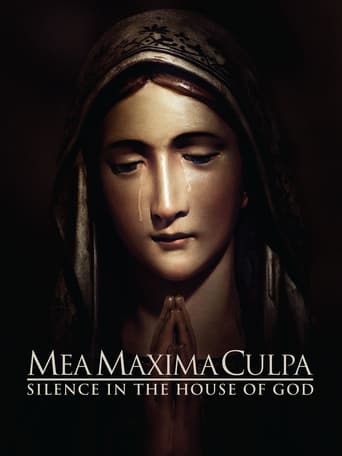
Alex Gibney explores the charged issue of pedophilia in the Catholic Church, following a trail from the first known protest against clerical sexual abuse in the United States and all way to the Vatican.

Retrospective documentary about the making of the horror cult classic "The Return of the Living Dead."

Using the book 'Fragments', which collects Marilyn Monroe's poems, notes and letters, and with participation from the Arthur Miller and Truman Capote estates who have contributed more material, each of the actresses will embody the legend at various stages in her life.

Alexander McQueen's rags-to-riches story is a modern-day fairy tale, laced with the gothic. Mirroring the savage beauty, boldness and vivacity of his design, this documentary is an intimate revelation of McQueen's own world, both tortured and inspired, which celebrates a radical and mesmerizing genius of profound influence.
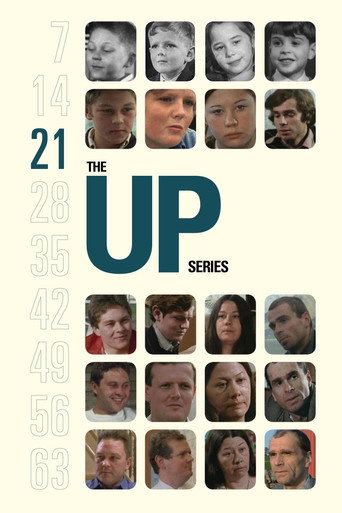
After another 7 year wait, director Michael Apted revisits the same group of British-born children from Seven Up! and 7 Plus Seven. The subjects are interviewed as to the changes that have occurred in their lives during the last seven years.
Similar titles
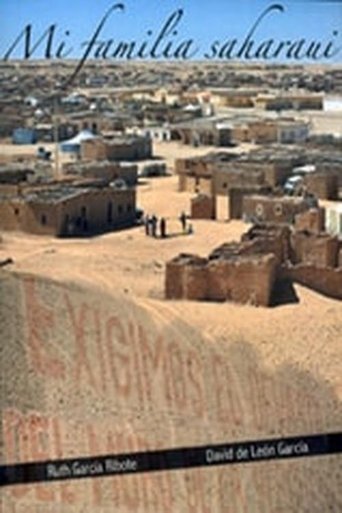
My Sahrawi family' is a report - documentary that reflects the bonds of unity between Sahrawi families and Spanish families who every summer welcome minors from refugee camps into their homes.

The Algerian region of Tindouf is home to more than 170,000 Sahrawis, who have been living in refugee camps since 1976, when Morocco occupied the Western Sahara region. In a place of inhospitable conditions and scarcity, the Sahrawi population lives on dwindling humanitarian aid. Six percent of them face the added difficulty of coeliac disease.
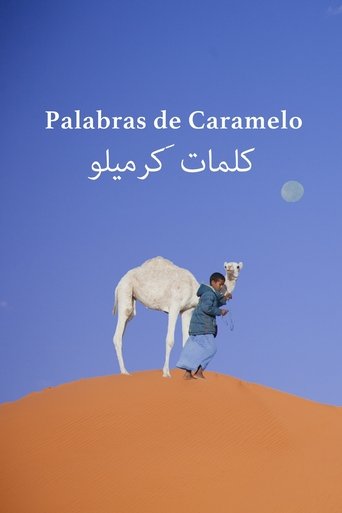
In a refugee camp in the Sahara desert lives a deaf boy who wants to learn to write. Welcome to the silent world of Kori and his best friend the camel Caramelo.
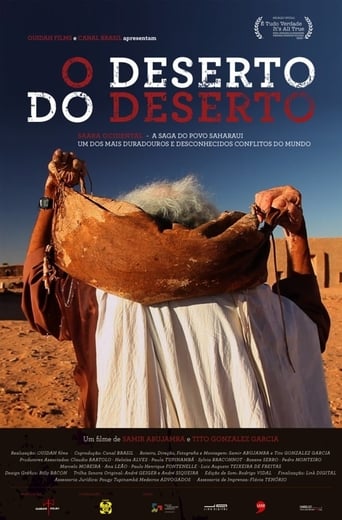
'The Desert of the Desert' is a feature documentary about one of the longest-running and least- known colonial conflicts and the plight of the Sahrawi desert nomads of Western Sahara since Morocco's 1975 invasion. Shot in Jan./Feb. 2014 in the Saharawi Liberated Territories of Western Sahara, and in the Saharawi Refugee Camps in Tindouf, Algeria, the film shows the saga of the Sahrawis, their struggle to regain their homeland and the sad paradox of a nomadic people forced to live in confinement. During production, the crew made a rare treck through 3,000 kilometers of bleak and dangerous desert, becoming unwitting participants in the conflict when their jeep was blown up by an anti-tank mine less than a kilometer from their destination on Western Sahara's Atlantic coast.

In the stunning and starkly beautiful landscape of Western Sahara, Walter Bencini recounts his journey to meet the Saharawi people, uprooted from their lands for decades and confined to desert tent camps named after the Moroccan cities where they once lived. It's the solidarity journey of a group of people from Valdarno, delivering the money and medicines raised through various initiatives directly into the hands of the beneficiaries.
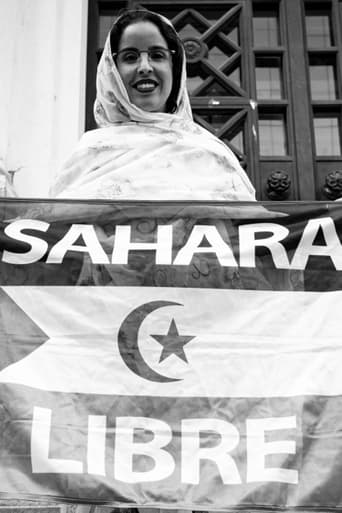
The Sahara has been and is populated by peoples who have passed through and occupied it since time immemorial. The Sahrawis are one of these peoples. When Spain withdrew from its colony in 1976, Morocco invaded. Thousands have had to leave their lands to seek refuge in camps in the Sahara, in neighboring Algeria, and thousands have had to migrate to Spain and other destinations outside the Sahara. And it is the women who built the camps while the men fought, and it is they who have increasingly gained social, cultural, and political influence in the territory and in the diaspora. This is their history and their reality.
Straddling a 2,400-kilometer-long wall constructed by the Moroccan army, the Western Sahara is today divided into two sections — one occupied by Morocco, the other under the control of the Sahrawi National Liberation Movement’s Polisario Front. Drawing from stories of flight, exile, interminable waiting and the arrested, persecuted lives on both sides of that wall, this film bears witness to the Sahrawi people, their land, their entrapment in other people’s dreams. In an esthetic that sublimates the real, Lost Land resonates like a score that juxtaposes sonorous landscapes, black-and-white portraits and nomadic poetics.
Muslim women who leave the camps as teenagers to study in Cuba. After over a decade living in the land of salsa, they return to the desert... how will their new spirit adapt to Islamic precepts? What reasons do they have for leaving Sahara at such a young age? What is their reason for returning?

In April of 2006 a total of 150 disposable cameras were distributed in two of the Sahrawi refugee camps with the objective of producing a self-portait of refugee families who have lived in the desert for 30 years.
This film presents, through the eyes four students - Gemma, Colo, Cristian and Mireia - their experience of the trip, the feelings that moved them, the work carried out in the camps and, above all, their contribution to raising awareness of the unresolved difficulties the Sahrawi people face.
An approach to Sahrawi culture, different aspects of daily life, culture and the struggle of the Sahrawi people in the Sahrawi refugee camps in Tindouf, Algeria, and in the area of the liberated territories of Tifariti.
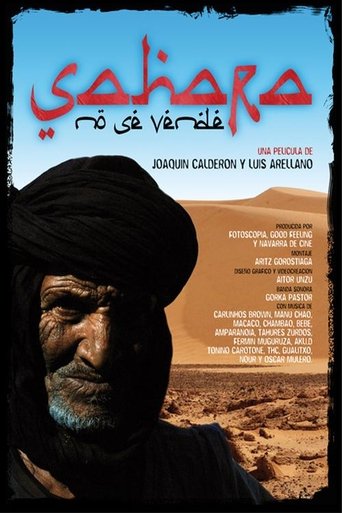
In April 2007, during the celebration of FiSahara, three friends embarked on the adventure of teaching a photography course in the Dajla refugee camp in Algeria.

Ali Salem Hamudi Mohamed - Yahdih, was born in 1955 in El Aaiún (Western Sahara). He completed his secondary schooling in the "Spanish" Sahara. A scholarship allowed him to enrol at the Universidad de la Peninsula in 1975, but Morocco's invasion of the Sahara led him to return to the city of his birth and go into exile with his people, participating in the resistance and helping to organise the Tindouf Refugee Camps (Algeria). In 1980, the Polisario Front and the Government of Cuba offered him the opportunity to study Architecture at the University of Havana. On his return to the Camps in 1985 he worked for the SADR's Department of Construction. He designed more than twenty public buildings, including town halls, schools and nursery schools, and also collaborated with international aid organisations to build hospitals and training colleges. All of these buildings were built collectively by the Saharan people. ;In 1999 he emigrated to Spain. His family joined him five years later.
Tuizza is the story of the Sahrawi women, who through their effort, have made one of the most inhospitable places in the planet, habitable.
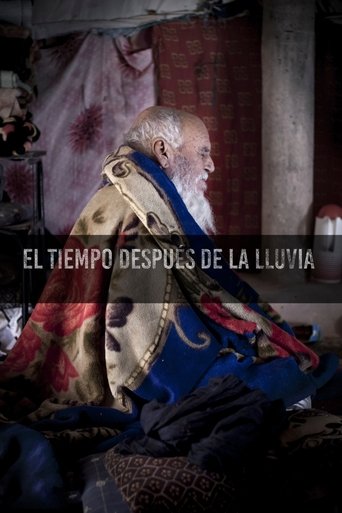
Young Mohamed Dih, who in Seville, returns to his birthplace – a refugee camp in Western Sahara. Time flows differently here: the times of the day are marked by calls to prayer and the seasons – by the rainfall. When a torrential downpour destroys his family’s home, the protagonist stays in the camp for longer to help to rebuild it.

Dadah, a Sahrawi boy living in the Dakhla refugee camp, knows nothing beyond life in the desert, the sand-filled air, the ever-present dunes on the horizon, school, games, the sullen world of the conversations that adults have while they make tea… Through film, he will discover very different worlds.
Documentary about Aminatou Haidar and her fight for the Sahrawi rights

Filmed in the camps of Sahrawi refugees living in West-Algeria and Tifaritti (the liberated territory). The narrator, in his multiple interviews, examines the reality of these people who have been condemned to silence in exile. This is a direct and concise documentary that gives the refugees the opportunity to express themselves, as well as hearing from other people implicated in the conflict.
Documentary about the arduous early years of the Sahrawi cause (1977)

The Sahrawi women relate their exil, the tortures, their memories and the difficulties of life as refugees. They are beautiful, touching... Educated by the Polisario Front and attached to the values of islam, they are widows, divorcede or married to fighting men. Owing to the force of circumstances, they have built a society of independant muslim women...