
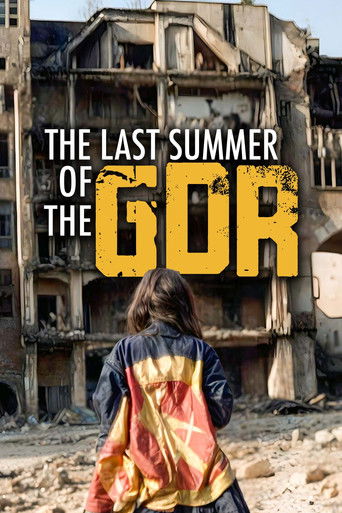
The Last Summer of the GDR: Freedom and Anarchy
2024-11-14 · 44 min · Not rated
After the fall of the Berlin Wall, citizens of East Germany had to get used to a new way of consuming, working, and living. New-found freedoms were a breath of fresh air for many but in the chaos leading up to reunification with West Germany, the experience was also disconcerting.
Trailers are previews, not full movies.
No authorized playback source configured. Use the legal watch options below.
Production details
- Directors
- Nina Rothermundt
- Production companies
- fernsehkombinat GmbH & Co. KG
- Countries
- Germany
- Status
- Released
Top Cast
Title information and images are supplied by TMDb. Explore our discovery guide for advice on comparing metadata and legal viewing options.
Where to watch
Availability provided by JustWatch via TMDb. Offers can change. Provider links are listed on TMDb; full playback requires a separately authorized source.
Availability not listed for this country.
Seasons & episodes
Recommendations

Oliver Stone charts the history of the United States from the Second World War to the present.

Through deeply personal interviews with her siblings and an examination of the photographs, letters, and belongings left behind, Mariska assembles a new portrait of her mother Jayne Mansfield, an extraordinary and complex woman.

The history of cinematic sound, told by legendary sound designers and visionary filmmakers.

A documentary on the expletive's origin, why it offends some people so deeply, and what can be gained from its use.

In an intimate and joyful story of love in the face of loss, celebrated poets Andrea Gibson and Megan Falley find strength—and unexpected hilarity—in what might be their final year together.
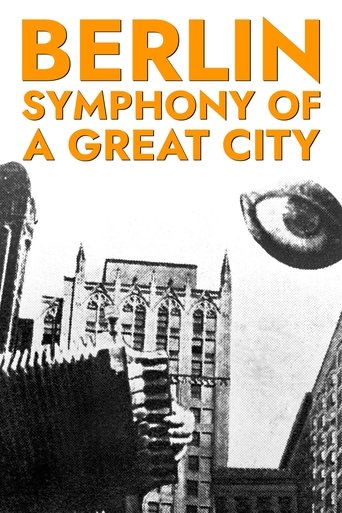
A day in the city of Berlin, which experienced an industrial boom in the 1920s, and still provides an insight into the living and working conditions at that time. Germany had just recovered a little from the worst consequences of the First World War, the great economic crisis was still a few years away and Hitler was not yet an issue at the time.
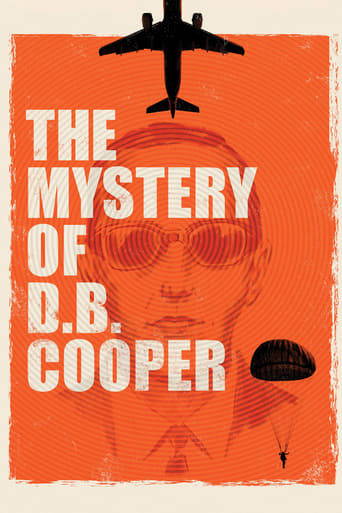
This documentary brings to life the stories of four people believed by their family and friends to be “DB Cooper,” a man who hijacked a 727 flying out of Seattle and jumped from the plane over the wilds of Washington State with a parachute and $200,000, never to be heard from again.
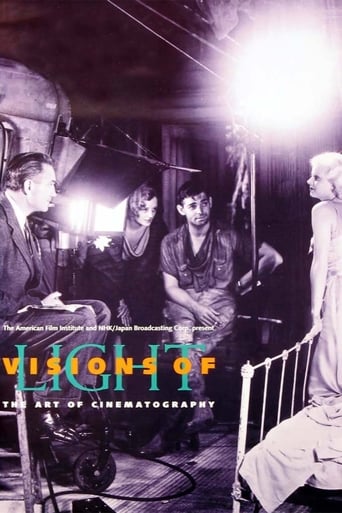
Cameramen and women discuss the craft and art of cinematography and of the "DP" (the director of photography), illustrating their points with clips from 100 films, from Birth of a Nation to Do the Right Thing. Themes: the DP tells people where to look; changes in movies (the arrival of sound, color, and wide screens) required creative responses from DPs; and, these artisans constantly invent new equipment and try new things, with wonderful results. The narration takes us through the identifiable studio styles of the 30s, the emergence of noir, the New York look, and the impact of Europeans. Citizen Kane, The Conformist, and Gordon Willis get special attention.

“The Soviet Story” is a story of an Allied power, which helped the Nazis to fight Jews and which slaughtered its own people on an industrial scale. Assisted by the West, this power triumphed on May 9th, 1945. Its crimes were made taboo, and the complete story of Europe’s most murderous regime has never been told. Until now...
Former United States Secretary of Defense Donald Rumsfeld discusses his career in Washington D.C. from his days as a congressman in the early 1960s to planning the invasion of Iraq in 2003.

A documentary highlighting the Soviet Union's legendary and enigmatic hockey training culture and world-dominating team through the eyes of the team's Captain Slava Fetisov, following his shift from hockey star and celebrated national hero to political enemy.
An account of the life and work of legendary Japanese actor Toshirō Mifune (1920-97), the most prominent actor of the Golden Age of Japanese cinema.

A compilation of over 30 years of private home movie footage shot by Lithuanian-American avant-garde director Jonas Mekas, assembled by Mekas "purely by chance", without concern for chronological order.
Part jazz history, part true-crime tale, Kasper Collin’s new documentary employs extensive archival footage and new interviews to tell the tragic story of the magnificently talented trumpeter Lee Morgan and his common-law wife Helen, who murdered him in a New York bar in 1972.
A behind-the-scenes documentary about the Clinton for President campaign, focusing on the adventures of spin doctors James Carville and George Stephanopoulos.
In 1972, a seemingly typical shoestring budget pornographic film was made in a Florida hotel: "Deep Throat," starring Linda Lovelace. This film would surpass the wildest expectation of everyone involved to become one of the most successful independent films of all time. It caught the public imagination which met the spirit of the times, even as the self-appointed guardians of public morality struggled to suppress it, and created, for a brief moment, a possible future where sexuality in film had a bold artistic potential. This film covers the story of the making of this controversial film, its stunning success, its hysterical opposition along with its dark side of mob influence and allegations of the on set mistreatment of the film's star.
Jonas Mekas weaves an elegiac diary film from his 1971–72 return to Lithuania, chronicling a visit to his birthplace of Semeniškiai after decades in exile. Blending personal memory with documentary observation, the film becomes both a portrait of homecoming and a meditation on displacement, family, and the passage of time.

A documentary about the making of season five of the acclaimed AMC series Breaking Bad.

The epic life story of Alice Guy-Blaché (1873–1968), a French screenwriter, director and producer, true pioneer of cinema, the first person who made a narrative fiction film; author of hundreds of movies, but banished from history books. Ignored and forgotten. At last remembered.
A keen chronicle of the unlikely rise to power of Adolf Hitler (1889-1945) and a dissection of the Third Reich (1933-1945), but also an analysis of mass psychology and how the desperate crowd can be deceived and shepherded to the slaughterhouse.
Similar titles
In 1956 Stalinstadt, East Germany, during the Hungarian uprising against Soviets is taking place, local teenagers perform a seemingly harmless act that causes unexpected consequences.
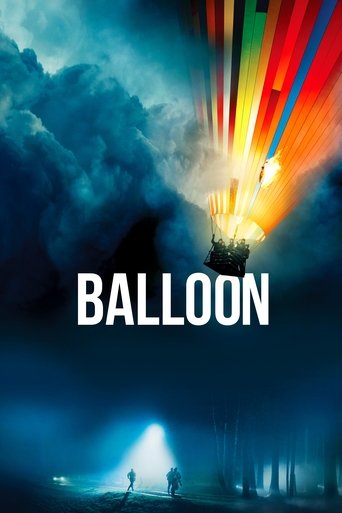
Two families attempt a daredevil plan to escape the GDR with a homemade hot air balloon, but it crashes just before the border. The Stasi finds traces of this attempt to escape and immediately starts investigations, while the two families are forced to build a new escape balloon. With each passing day the Stasi is closer on their heels – a nerve-wracking race against time begins.
Dragan Wende has lived in Berlin since the '70s and has seen the city change through the years. His nephew comes to live with him as Dragan remembers the better days he lived as a Yugoslavian immigrant in a divided city.
It was a foundational myth of the GDR that it was anti-fascist and free of Nazis. But was that really the case? The film takes a critical look on the actual way the brown heritage was dealt with in the GDR.
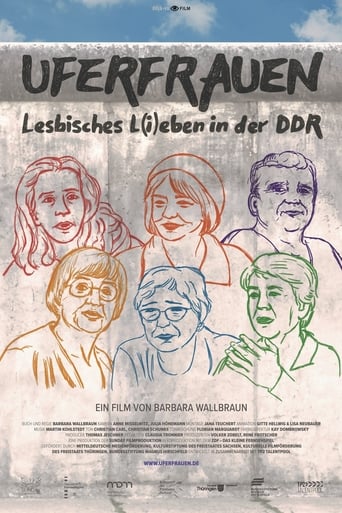
Portraits six lesbian protagonists from rural and metropolitan parts of the formerly socialist Republic and has them tell their captivating and sometimes outrageous life stories.
Citizens of East Germany talk about their experiences and feelings in the face of upcoming elections that will lead to reunification with the West. The past is tinged with regret, frustration and anger, while the future is uncertain.

Docudrama telling the story of a building with a breath taking career that began in the empire, flourished in the Weimar Republic, perished in the Nazi dictatorship, and was rebuilt after its partial destruction.
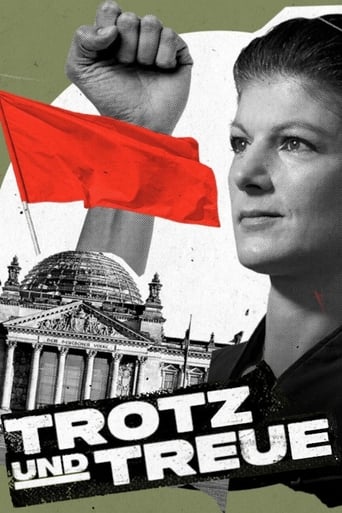
2024 is likely to be a decisive year for Sahra Wagenknecht's political future. In the arena of power, she might assume a role that she is already very familiar with. In the early years following the fall of the Berlin Wall, Sahra Wagenknecht became the "most famous face" of the PDS, the successor party to the SED. Yet, even as the youngest member of the party's executive board, she was considered a "disruptive factor." She is unyielding and swims against the tide. Sahra Wagenknecht does not distance herself from Stalinism, nor from the Berlin Wall, and wishes for a reformed GDR.
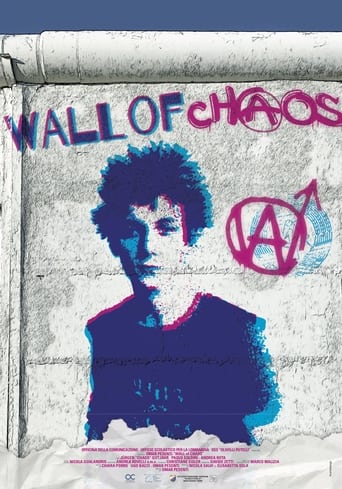
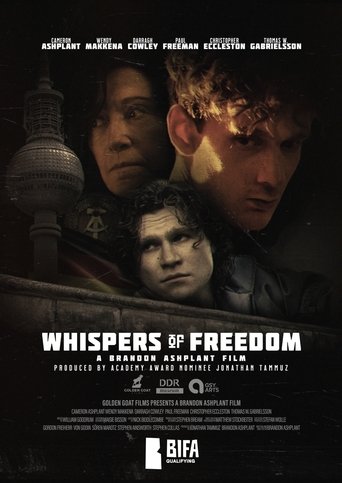
Described by Deadline Hollywood as the "tragic true story" of Chris Gueffroy, it follows one of the last daring attempts to escape across the infamous Berlin Wall.
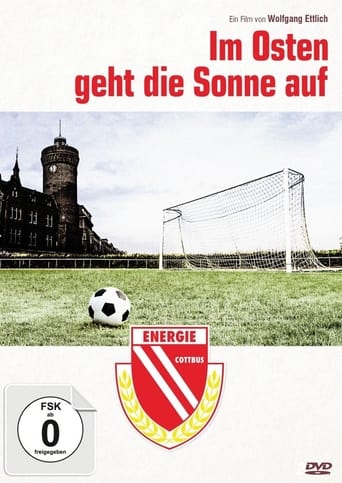
Energie Cottbus, a small soccer club from the periphery of the republic, got promoted to the first division of the Bundesliga. Everyone was sure: They will get relegated immediately again! But everything turned out differently! The underdog club gave Cottbus — which was to many only known from scare stories about lack of prospects and unemployment – joy, hope, and pride. The film looks behind the scenes and shares the thrill of the people for the finale of the season.

Tells the story of punk in the GDR.
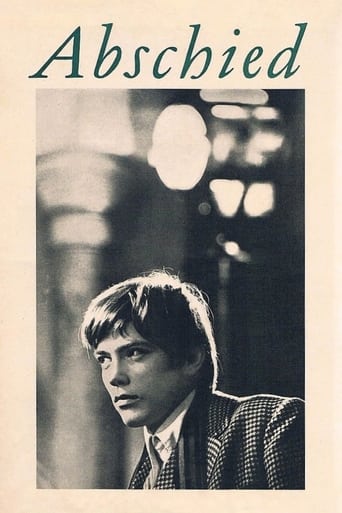
In August of 1914, amidst the public ecstasy surrounding the impending war, Hans Gastl, the young son of a Munich bürger, makes a decision: he will not take part in this war. This resolution signifies a turning point in his life; a farewell to his class and his family.
During the 16th Workers' Festival in Dresden in 1976, a student group of Chilean emigrants paints a mural symbolically depicting the activity of the Unidad Popular during Salvador Allende's reign. Festival guests comment on this work. Music by Chilean music group Jaspampa, formed in Leipzig in 1972.
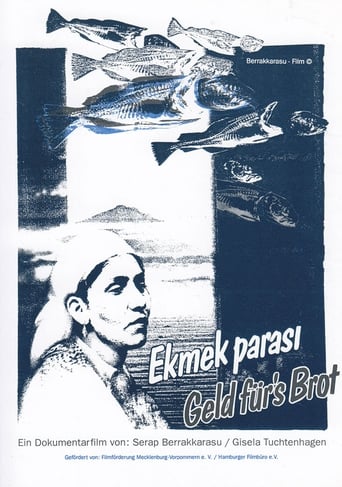
Women from Turkey and Mecklenburg are working together side-by-side at a fish-processing factory in Lübeck. As they work, they share stories about their lives, including their sorrows, griefs, hopes, and dreams, while expressing their longing for home and feelings of being lost in a foreign place.
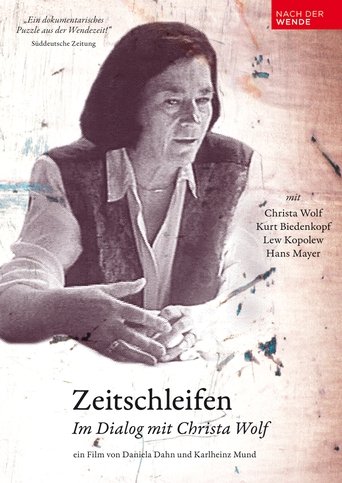
Journalist Daniela Dahn interviews the East-German author Christa Wolf during the German reunification: reflections on history, changing politics, life and work.

In 1949, German writer Thomas Mann and his daughter Erika embark on a road trip across a Germany in ruins, from US-dominated Frankfurt to Soviet-controlled Weimar.
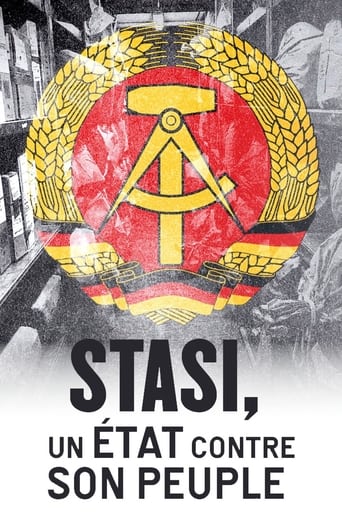
After the fall of the Berlin Wall, thousands of documents were hastily shredded by the dreaded GDR political police. 16,000 bags filled with six million pieces of paper were found. Thanks to the meticulous work of technology, the destinies of men and women who had been spied on and recorded without their knowledge could be reconstructed.
