Satan Kingdom Babylon
2025-10-16 · 77 min · ★ 6.0
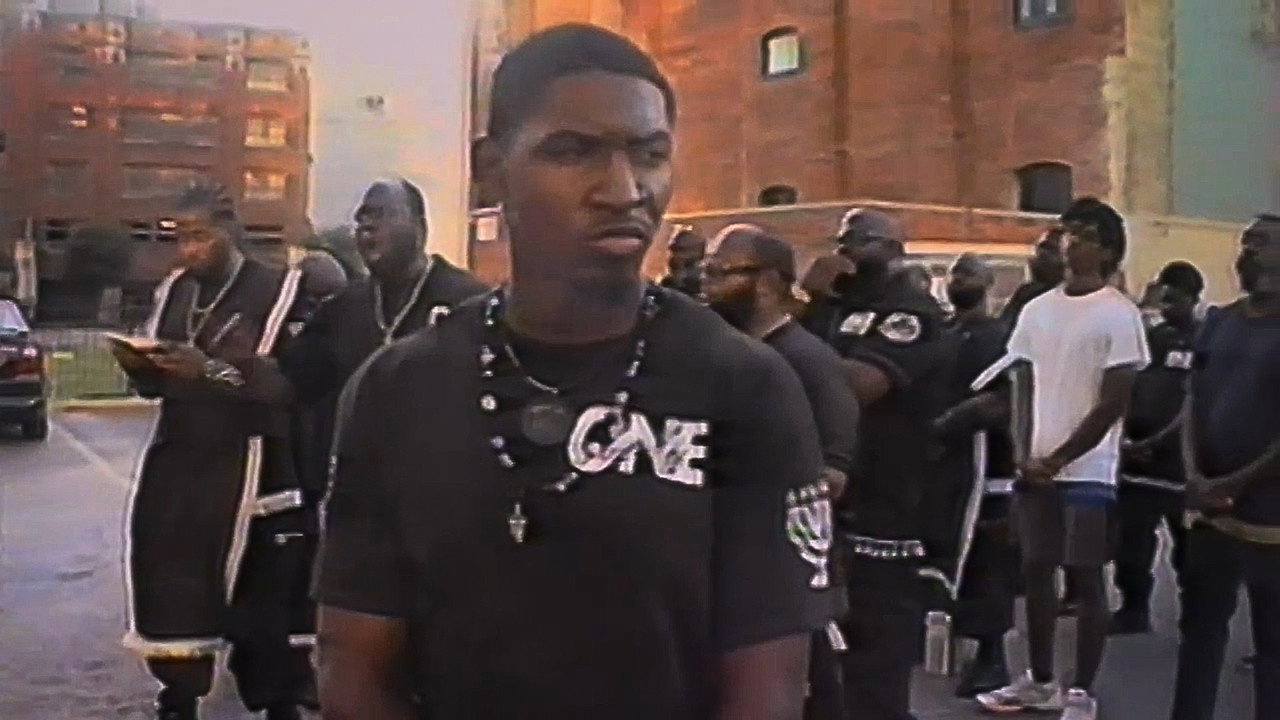
Experimental documentary examining the interaction of hate, religion, and the apocalypse in the United States.
Trailers are previews, not full movies.
No authorized playback source configured. Use the legal watch options below.
Production details
- Directors
- Marie Šprincl, Petr Šprincl
- Production companies
- Xova Film
- Countries
- Czech Republic
- Status
- Released
Top Cast
Cast unavailable.
Title information and images are supplied by TMDb. Explore our discovery guide for advice on comparing metadata and legal viewing options.
Where to watch
Availability provided by JustWatch via TMDb. Offers can change. Provider links are listed on TMDb; full playback requires a separately authorized source.
Seasons & episodes
Recommendations
A non-stop roller coaster ride through the scariest moments of the greatest terror films of all time.

Mark Patton sets the records straight about the controversial 1985 sequel to A Nightmare on Elm Street, which ended his acting career, just as it was about to begin.

The ultimate ‘80s Horror retrospective just got BIGGER. In Search of Darkness: Part II is a four-hour-plus sequel to the Rondo Hatton-nominated In Search of Darkness, adding 15 new interviewees and 40+ returning favorites for the biggest and most comprehensive ‘80s Horror documentary cast ever assembled.
Similar titles
Short film about racism.

A young model falls victim to a sadistic cult of sexual slavery, snuff tapes and black magic.
Police have been killing people in Columbus, Ohio, with near impunity for more than two decades, leaving behind a community bound together by grief – and a system that refuses to call these killings murder. In a searing indictment of the police and justice system at large, educator and curator Ingrid Raphael and journalist Melissa Gira Grant have collaborated in this short film, which spotlights the testimonies and resistance strategies of the loved ones of Henry Green, Tyre King, Donna Dalton and Julius Tate. These are the mothers, sisters, and grandmothers of those who were killed by Columbus police, women seeking justice for their family members, despite knowing that it is unlikely to be found within the system that caused their wrongful deaths.
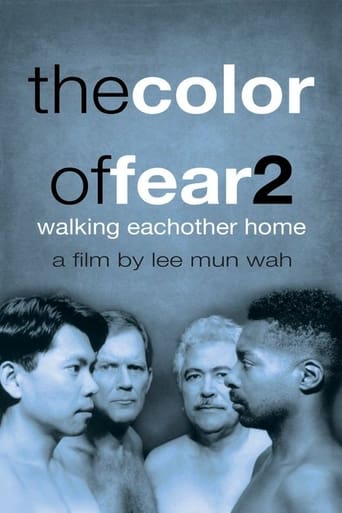
In THE COLOR OF FEAR, eight American men participated in emotionally charged discussions of racism. In this sequel, we hear and see more from those discussions, in which the men talk about about how racism has affected their lives in the United States. We also learn more about the relationships between them, and about their reactions during some of the most intense moments of that discussion.

Doing really well on your school assessment tests, but still having the school recommend that you go to preparatory vocational school. Going to a club with friends and having the bouncer keep you out. Having to endure jokes from classmates. These are examples of the sort of casual racism that the children of director Karin Junger and their friends have to face. In Ik alleen in de klas, director Karin Junger, white mother of three darker-skinned children, stands with her family to confront the racism they experience in their daily lives. Twelve adolescents meet at a mansion in France. The group consists of Junger’s children and their friends. All of them come from ethnic minority backgrounds and share a feeling of being excluded from Dutch society. Re-enactment is used to explore painful situations again. In this simple but effective documentary, we can see the impact of subtle and less subtle forms of racism on the lives of young Dutch people.

An analysis of the impact on the United States Latino community of immigration policies promoted by President Donald Trump.

In 1971, after being rejected by Hollywood, Bruce Lee returned to his parents’ homeland of Hong Kong to complete four iconic films. Charting his struggles between two worlds, this portrait explores questions of identity and representation through the use of rare archival footage, interviews with loved ones and Bruce’s own writings.
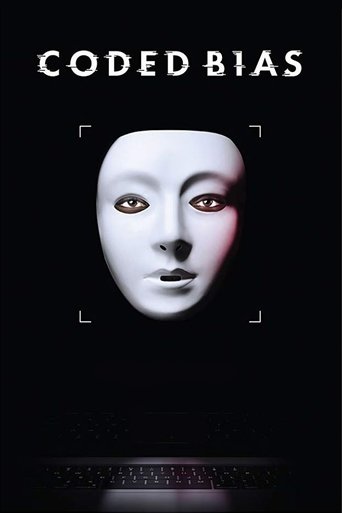
Exploring the fallout of MIT Media Lab researcher Joy Buolamwini's startling discovery that facial recognition does not see dark-skinned faces accurately, and her journey to push for the first-ever legislation in the U.S. to govern against bias in the algorithms that impact us all.

An ancient urn is found in a cemetery outside Rome. Once opened, it triggers a series of violent incidents: robberies, rapes and murders increase dramatically, while several mysterious, evil-looking young women coming from all over the world are gathering in the city. All these events are caused by the return of Mater Lacrimarum, the last of three powerful witches who have been spreading terror and death for centuries. Alone against an army of psychos and demons, Sarah Mandy, an art student who seems to have supernatural abilities of her own, is the only person left to prevent the Mother of Tears from destroying Rome.

In 1937, tens of thousands of Haitians and Dominicans of Haitian descent were exterminated by the Dominican army, on the basis of anti-black racism. Fast-forward to 2013, the Dominican Republic's Supreme Court stripped the citizenship of anyone with Haitian parents, retroactive to 1929, rendering more than 200,000 people stateless. Elena, the young protagonist of the film, and her family stand to lose their legal residency in the Dominican Republic if they don't manage to get their documents in time. Negotiating a mountain of opaque bureaucratic processes and a racist, hostile society around, Elena becomes the face of the struggle to remain in a country built on the labor of her father and forefathers.
This intimate portrait of an American domestic terrorist contemplating mayhem is a close-up and unflinching look at right-wing hatred and intolerance in the United States

A young writer is attacked by a notorious cult leader and mass murderer, a man who exerts an inexplicable control over his followers. When she claims no memory of the attack, her family begins to question her motives.

A failing scientist, Azrael Thran, decides to clone himself as a last minute effort to achieve success and escape his controlling father.

Journalist Émilie Tran Nguyen invites the viewer to follow her in her quest and discover, at the same time as her, the historical origins of this anti-Asian racism. Told in the first person, alternating archive images, interviews with historians, sociologists and field sequences, this film traces the making of prejudices in the French imagination and pop culture, to twist the neck of stereotypes, deconstruct and act.
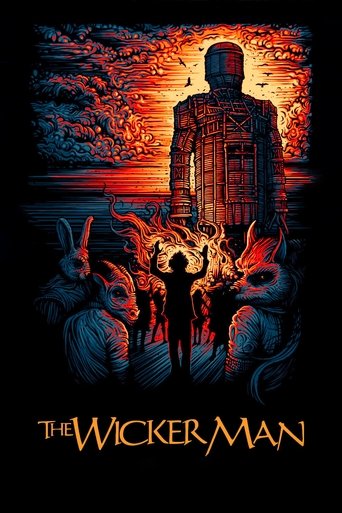
Police sergeant Neil Howie is called to an island village in search of a missing girl whom the locals claim never existed. The investigation is further complicated as Howie’s religious views clash with those of the island’s residents.
Documents the race riot of 1921 and the destruction of the African-American community of Greenwood in Tulsa, Oklahoma. With testimony by eyewitnesses and background accounts by historians.

A journey into the intricacies of mixed-race Japanese and their multicultural experiences in modern day Japan. For some hafus, Japan is the only home they know, for some living in Japan is an entirely new experience, and the others are caught somewhere between two different worlds.
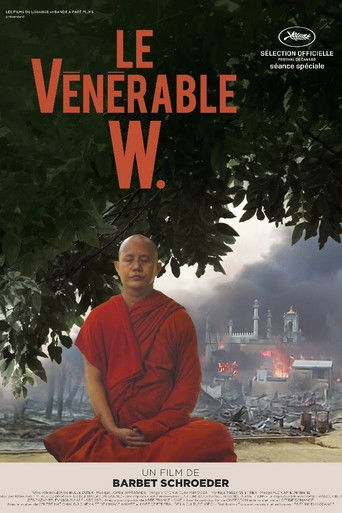
A view of the religious tensions between Muslims and Buddhist through the portrait of the Buddhist monk Ashin Wirathu, leader of anti-Muslim movement in Myanmar.
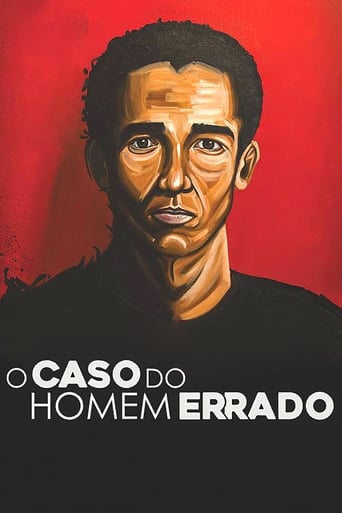
The documentary tells the story of Júlio César, a young Afro-Brazilian who was executed by the Police in the 1980s in Porto Alegre. The crime became notorious when the press published photos of Julius being put alive in the police car and arriving 37 minutes later shot and dead at the hospital.

Sandra and Deborah are two women trying to escape from a tragic recent event. They go for a vacation on a beach house but are then followed by an evil cult.