
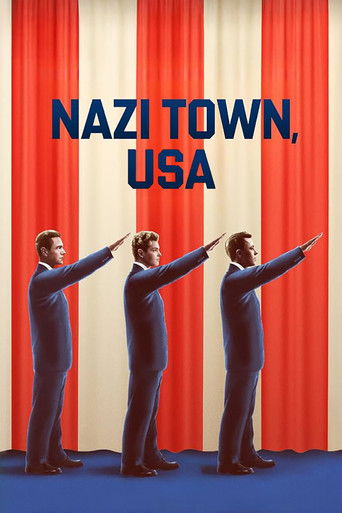
Nazi Town, USA
2024-01-23 · 57 min · ★ 8.2
In February 1939, more than 20,000 Americans filled Madison Square Garden for an event billed as a “Pro-American Rally.” Images of George Washington hung next to swastikas and speakers railed against the “Jewish controlled media” and called for a return to a racially “pure” America. The keynote speaker was Fritz Kuhn, head of the German American Bund. Nazi Town, USA tells the largely unknown story of the Bund, which had scores of chapters in suburbs and big cities across the country and represented what many believe was a real threat of fascist subversion in the United States. The Bund held joint rallies with the Ku Klux Klan and ran dozens of summer camps for children centered around Nazi ideology and imagery. Its melding of patriotic values with virulent anti-Semitism raised thorny issues that we continue to wrestle with today.
Trailers are previews, not full movies.
No authorized playback source configured. Use the legal watch options below.
Production details
- Directors
- Peter Yost, Edna Alburquerque
- Production companies
- PBS, American Experience Films
- Countries
- United States of America
- Status
- Released
Top Cast
 Sarah ChurchwellCultural Historian (self)
Title information and images are supplied by TMDb. Explore our discovery guide for advice on comparing metadata and legal viewing options.
Where to watch
Availability provided by JustWatch via TMDb. Offers can change. Provider links are listed on TMDb; full playback requires a separately authorized source.
Streaming
PBS Documentaries Amazon Channel
Rental
Amazon Video
Purchase
Amazon Video
Free
Kanopy
View authorized watch options on TMDbSeasons & episodes
Recommendations

When Allied forces liberated the Nazi concentration camps in 1944-45, their terrible discoveries were recorded by army and newsreel cameramen, revealing for the first time the full horror of what had happened. Making use of British, Soviet and American footage, the Ministry of Information’s Sidney Bernstein (later founder of Granada Television) aimed to create a documentary that would provide lasting, undeniable evidence of the Nazis’ unspeakable crimes. He commissioned a wealth of British talent, including editor Stewart McAllister, writer and future cabinet minister Richard Crossman – and, as treatment advisor, his friend Alfred Hitchcock. Yet, despite initial support from the British and US Governments, the film was shelved, and only now, 70 years on, has it been restored and completed by Imperial War Museums under its original title "German Concentration Camps Factual Survey".

Produced and presented as evidence at the Nuremberg war crimes trial of Hermann Göring and twenty other Nazi leaders, this film consists primarily of dead and surviving prisoners and of facilities used to kill and torture during the World War II.
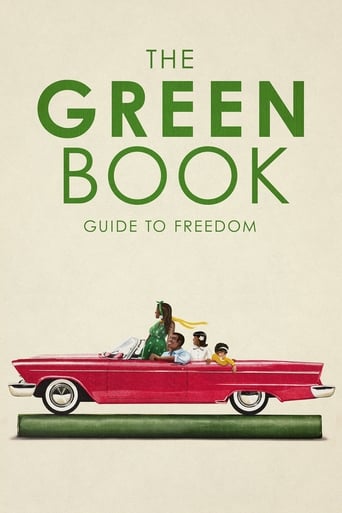
In 1936, Victor H. Green (1892-1960) published The Negro Motorist Green Book, a book that was both a travel guide and a survival manual, to help African-Americans navigate safe those regions of the United States where segregation and Jim Crow laws were disgracefully applied.

Alexander McQueen's rags-to-riches story is a modern-day fairy tale, laced with the gothic. Mirroring the savage beauty, boldness and vivacity of his design, this documentary is an intimate revelation of McQueen's own world, both tortured and inspired, which celebrates a radical and mesmerizing genius of profound influence.

A documentary on the expletive's origin, why it offends some people so deeply, and what can be gained from its use.
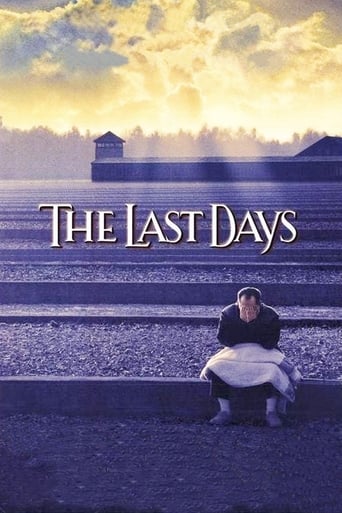
This Oscar-winning documentary recounts the harrowing stories of five Hungarian Jews who endured the horrors of the Holocaust and Hitler's reign.

Marcel Ophuls' riveting film details the heinous legacy of the Gestapo head dubbed "The Butcher of Lyon." Responsible for over 4,000 deaths in occupied France during World War II, Barbie would escape—with U.S. help—to South America in 1951, where he lived until a global manhunt led to his 1983 arrest and subsequent trial.
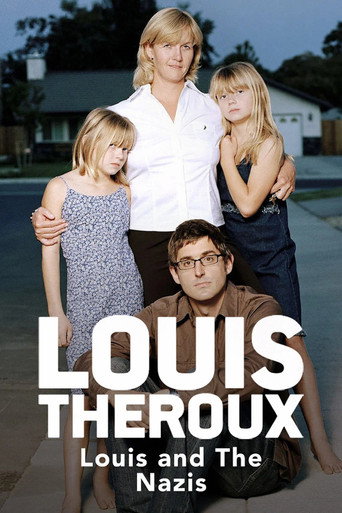
Louis Theroux travels to California to meet the man dubbed "the most dangerous racist in America"; Tom Metzger. Louis meets him, his family and his publicity manager as well as following him to skinhead rallies and on a visit to Mexico.
An in-depth look at the prison system in the United States and how it reveals the nation's history of racial inequality.
Working from the text of James Baldwin’s unfinished final novel, director Raoul Peck creates a meditation on what it means to be Black in the United States.

Through deeply personal interviews with her siblings and an examination of the photographs, letters, and belongings left behind, Mariska assembles a new portrait of her mother Jayne Mansfield, an extraordinary and complex woman.
An in-depth investigation into the private world of the American writer J. D. Salinger (1919-2010), who lived most of his life behind the impenetrable wall of a self-imposed seclusion: how his dramatic experiences during World War II influenced his life and work, his relationships with very young women, his obsessive writing methods, his many literary secrets.
Documentarian Ross McElwee originally set out to make a travelogue of sorts tracing General William T. Sherman's infamous scorched-earth march through the Confederacy in the latter stages of the Civil War. Instead, haunted by a recent breakup with a girlfriend, McElwee ends up documenting his progress -- or lack thereof -- in starting a new relationship. His journey then becomes one of self-reflection and self-discovery rather than a historical/sociological exploration.
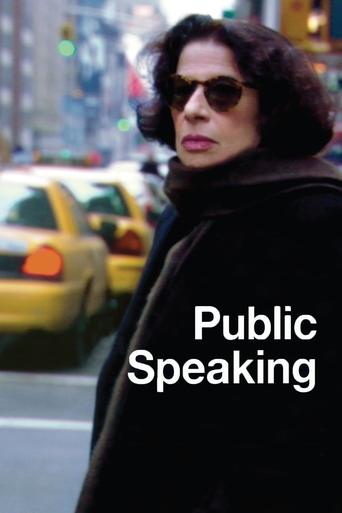
Martin Scorsese’s portrait of writer and social commentator Fran Lebowitz, celebrated for her sharp wit and observations on modern life. Filmed at New York’s Waverly Inn and intercut with archival footage and interviews, the documentary captures Lebowitz’s distinctive worldview through her spontaneous monologues and public appearances.

Oprah Winfrey talks with the exonerated men once known as the Central Park Five, plus the cast and producers who tell their story in "When They See Us."
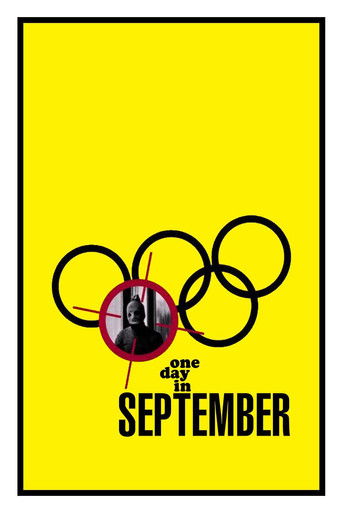
The full story of the 1972 Munich Olympics Massacre and the Israeli revenge operation 'Wrath of God.' The 1972 Munich Olympics were interrupted by Palestinian terrorists taking Israeli athletes hostage. Besides footage taken at the time, we see interviews with the surviving terrorist, Jamal Al Gashey, and various officials detailing exactly how the police, lacking an anti-terrorist squad and turning down help from the Israelis, botched the operation.
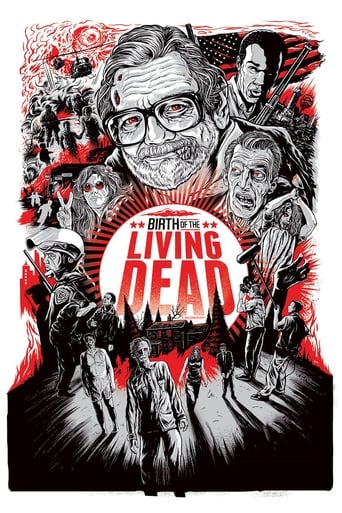
A behind the scenes look into George Romero's groundbreaking horror classic Night of the Living Dead.

In an intimate and joyful story of love in the face of loss, celebrated poets Andrea Gibson and Megan Falley find strength—and unexpected hilarity—in what might be their final year together.
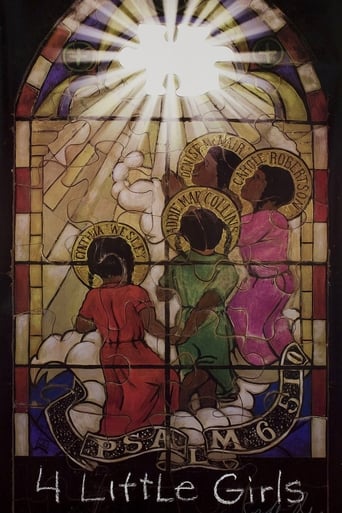
On September 15, 1963, a bomb destroyed a black church in Birmingham, Alabama, killing four young girls who were there for Sunday school. It was a crime that shocked the nation--and a defining moment in the history of the civil-rights movement. Spike Lee re-examines the full story of the bombing, including a revealing interview with former Alabama Governor George Wallace.
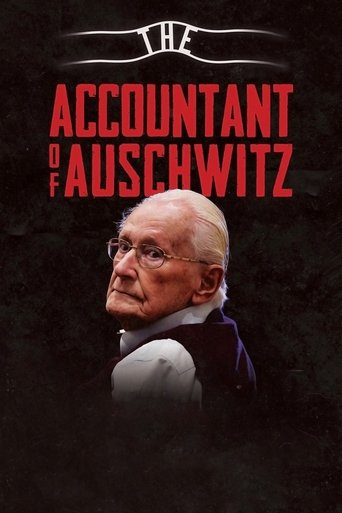
Oskar Gröning, known as the "Accountant of Auschwitz," was charged with the murder of 300,000 Jews. When he took the stand in 2015, at the age of 94, his trial made headlines worldwide.
Similar titles
The destruction of the city and its architectural heritage during the Allied bombing of the Second World War.
A tribute to the cameramen of the newsreel companies and the service film units, in the form of a compilation of film of the cameramen themselves, their training and some of their most dramatic film.
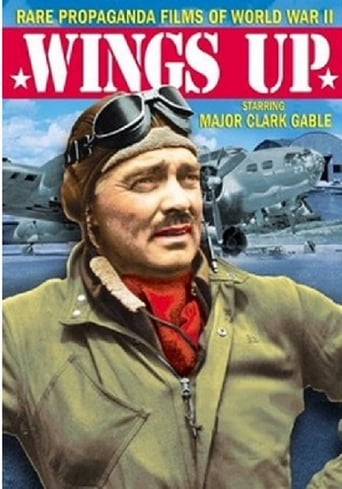
Clark Gable stars in this propaganda short about the Officers Candidate School of the Army Air Forces.
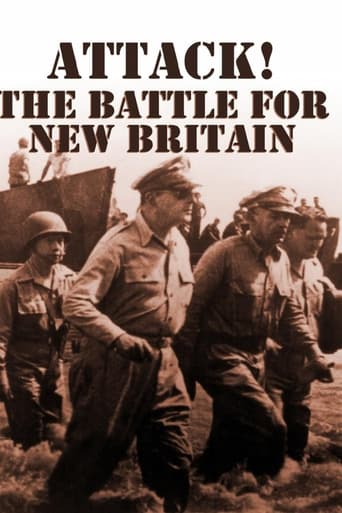
Actual footage by the United States Signal Corps of the landing and attack on Arawe Beach, Cape Glouster, New Britain island in 1943 in the South Pacific theatre of World War Two, and the handicaps of the wild jungle in addition to the Japanese snipers and pill-box emplacements.
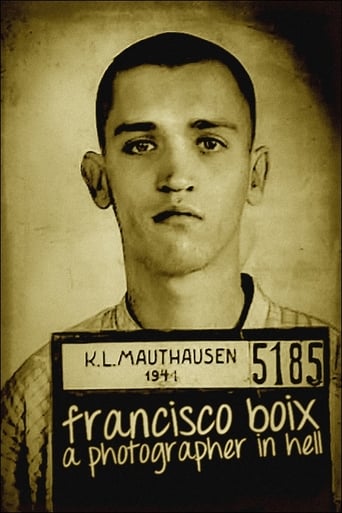
In 1939, just finished the Spanish Civil War, Spanish republican photographer Francesc Boix escapes from Spain; but is captured by the Nazis in 1940 and imprisoned in the Mauthausen concentration camp, in Austria, a year later. There, he works as a prisoner in the SS Photographic Service, hiding, between 1943 and 1945, around 20,000 negatives that later will be presented as evidence during several trials conducted against Nazi war criminals after World War II.
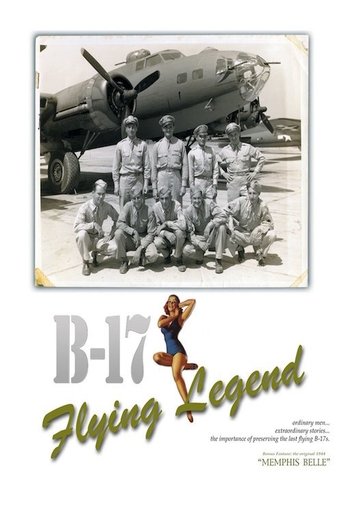
B-17 Flying Legend examines the importance of World War II's most famous airplane, and raises awareness about the importance of keeping the remaining B-17s flying for generations to come. This documentary covers the history of the airplane, from early designs to the outbreak of war, and the stories of bravery behind the faces of the men who flew them. It contrasts the past by also focusing on today's struggles to keep these flying museums in operation. Unless awareness is created to help with this preservation, in the near future B-17s will only be found in static displays. Almost 13,000 B-17s were built during the war. Sixty years later only 13 still fly. It is important to capture the history of the men behind these flying machines while they are still alive. It is also important to capture images of these machines while they still exist.
Just after midnight on 10 March 1945, the US launched an air-based attack on eastern Tokyo; continuing until morning, the raid left more than 100,000 people dead and a quarter of the city eradicated. Unlike their loved ones, Hiroshi Hoshino, Michiko Kiyooka and Minoru Tsukiyama managed to emerge from the bombings. Now in their twilight years, they wish for nothing more than recognition and reparations for those who, like them, had been indelibly harmed by the war – but the Japanese government and even their fellow citizens seem disinclined to acknowledge the past.
A captivating and personal detective story that uncovers the truth behind the childhood of Michaël Prazan's father, who escaped from Nazi-occupied France in 1942 thanks to the efforts of a female smuggler with mysterious motivations.
A remarkable film that takes a special look at the first war to be truly reported and recorded by one of the more unsung heroes of World War II: the combat photographer. Through the unflinching eye of their camera's lenses, these courageous soldiers continually risked their lives in their brave attempts to capture history.


After the World War I, Mussolini's perspective on life is severely altered; once a willful socialist reformer, now obsessed with the idea of power, he founds the National Fascist Party in 1921 and assumes political power in 1922, becoming the Duce, dictator of Italy. His success encourages Hitler to take power in Germany in 1933, opening the dark road to World War II. (Originally released as a two-part miniseries. Includes colorized archival footage.)
While Nazi ideology dominated Europe, Adolf Hitler used all dogmas to his advantage and fed the cult of his personality. How did the Führer manage to transform the Bible, the Church and the symbols of Christianity into instruments of power, winning the support of the Germans? This documentary traces the rise of a little-known theological organization: the “German Christians”, which became the most powerful propaganda tool of the Third Reich.


The documentary that captures the compelling story and eyewitness account of six survivors in war-torn Netherlands during World War II.
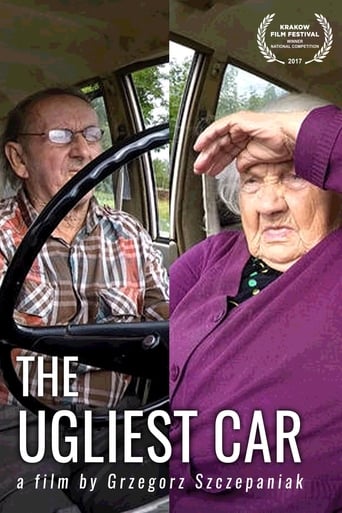
The youngest protagonist of the documentary is Wartburg, an automobile over 50 years of age. The car is still on the road, driven by Bogdan, a 70-year-old who is taking his mother to visit the German factory where she was forced to work during WWII. In this road movie which takes place between Majdanpek and Germany, the trip becomes a journey into the past, retracing memories from the war and revealing a unique relationship between an old son and his elderly mother.
The last weeks in the Nazi concentration camp revealed through the touching stories of survivors such as Eva Kor and Samuel Modiano. Between suffering and resistance, the documentary explores human courage in inhumane conditions, revealing the hope that flourished even in the darkest moments. A powerful tribute to memory and freedom, essential for not forgetting.
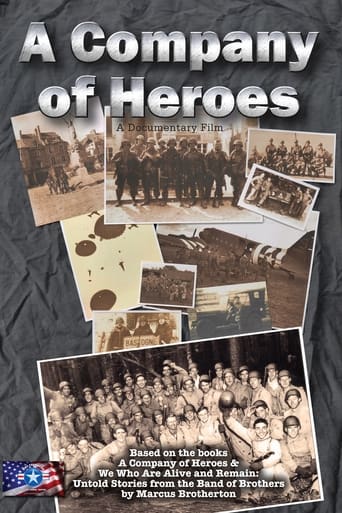
Easy Company, the 2nd Battalion of the 506th Parachute Infantry Regiment of the 101st Airborne Division, fought their way through Europe, liberated concentration camps, and drank a victory toast in April 1945 at Hitler's hideout. Veterans from Easy Company, along with the families of three deceased others, recount their horrors and victories, bonds they made and the friends they lost.