
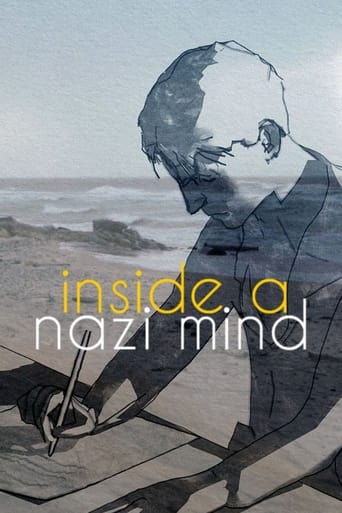
Inside a Nazi Mind: The Kindly Ones by Jonathan Littell
2023-11-15 · 56 min · ★ 7.2
An analysis of The Kindly Ones, Jonathan Littell's controversial novel, published in 2006, which dissects the ruthless mechanisms of the Shoah from the detached point of view of Maximilian Aue, a high-ranking Nazi officer.
Trailers are previews, not full movies.
No authorized playback source configured. Use the legal watch options below.
Production details
- Directors
- Jean-Christophe Klotz
- Production companies
- Les Films du Poisson, ARTE
- Countries
- France
- Status
- Released
Top Cast
 Rainer SievertMaximilian Aue (voice)
 Aurélia PetitSelf - Narrator (voice)
 Samuel BlumenfeldSelf - Journalist
 Pierre NoraSelf - Historian
 Rony BraumanSelf - Physician
 Niklas FrankSelf - Hans Frank's Son
 Jean-Christophe KlotzSelf - Interviewer (voice)
 Jorge SemprúnSelf - Writer (archive footage)
 Hans FrankSelf - Politician (archive footage)
 Adolf HitlerSelf - Politician (archive footage)
Title information and images are supplied by TMDb. Explore our discovery guide for advice on comparing metadata and legal viewing options.
Where to watch
Availability provided by JustWatch via TMDb. Offers can change. Provider links are listed on TMDb; full playback requires a separately authorized source.
Availability not listed for this country.
Seasons & episodes
Recommendations
Director Claude Lanzmann spent 11 years on this sprawling documentary about the Holocaust, conducting his own interviews and refusing to use a single frame of archival footage. Dividing Holocaust witnesses into three categories – survivors, bystanders, and perpetrators – Lanzmann presents testimonies from survivors of the Chelmno concentration camp, an Auschwitz escapee, and witnesses of the Warsaw Ghetto Uprising, as well as a chilling report of gas chambers from an SS officer at Treblinka.

An unprecedented and intimate look at the life, work and enduring legacy of British actress Audrey Hepburn (1929-1993).
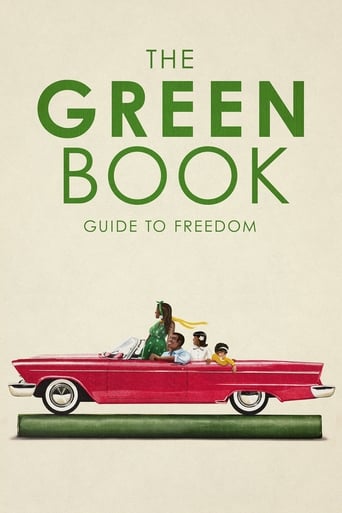
In 1936, Victor H. Green (1892-1960) published The Negro Motorist Green Book, a book that was both a travel guide and a survival manual, to help African-Americans navigate safe those regions of the United States where segregation and Jim Crow laws were disgracefully applied.

“The Soviet Story” is a story of an Allied power, which helped the Nazis to fight Jews and which slaughtered its own people on an industrial scale. Assisted by the West, this power triumphed on May 9th, 1945. Its crimes were made taboo, and the complete story of Europe’s most murderous regime has never been told. Until now...
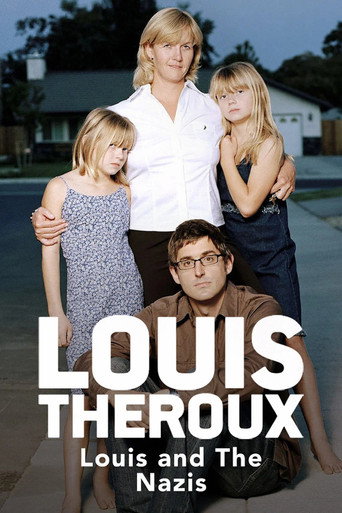
Louis Theroux travels to California to meet the man dubbed "the most dangerous racist in America"; Tom Metzger. Louis meets him, his family and his publicity manager as well as following him to skinhead rallies and on a visit to Mexico.
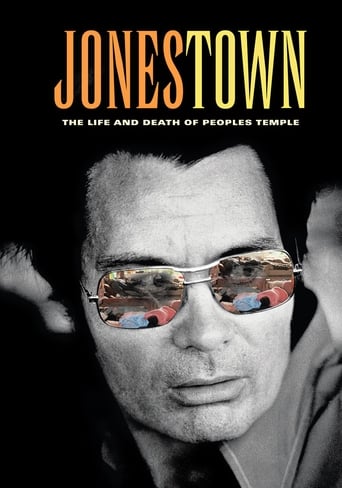
Featuring never-before-seen footage, this documentary delivers a startling new look at the Peoples Temple, headed by preacher Jim Jones who, in 1978, led more than 900 members to Guyana, where he orchestrated a mass suicide via tainted punch.
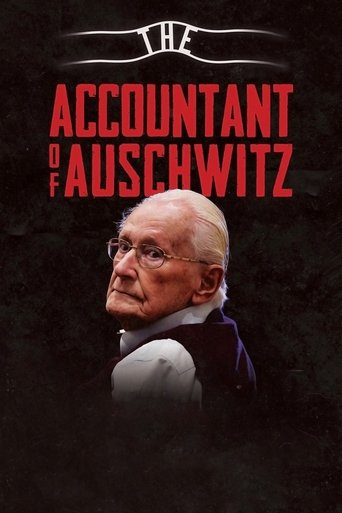
Oskar Gröning, known as the "Accountant of Auschwitz," was charged with the murder of 300,000 Jews. When he took the stand in 2015, at the age of 94, his trial made headlines worldwide.
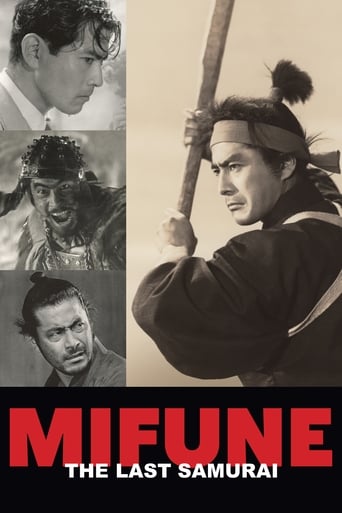
An account of the life and work of legendary Japanese actor Toshirō Mifune (1920-97), the most prominent actor of the Golden Age of Japanese cinema.
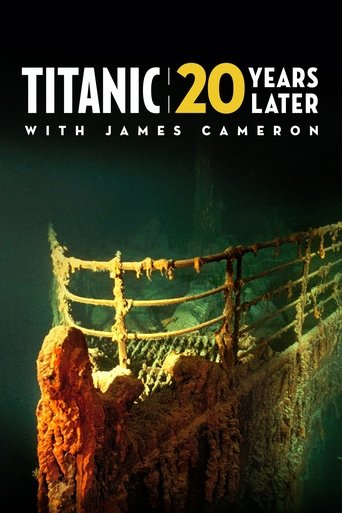
For the 20th anniversary of "Titanic," James Cameron reopens the file on the disaster.
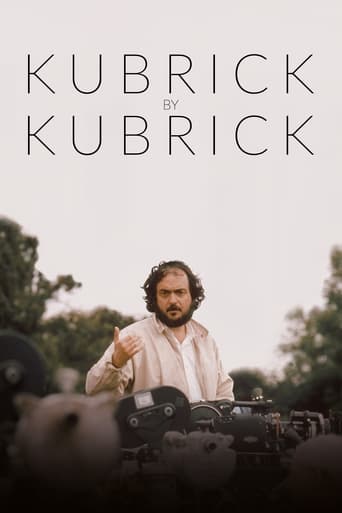
American filmmaker Stanley Kubrick (1928–1999), one of the greatest in history, but also one of the most reserved, gave few interviews throughout his long career, and none of them were filmed. A first-person journey through his life and work, based on a recorded conversation with French film critic Michel Climent.
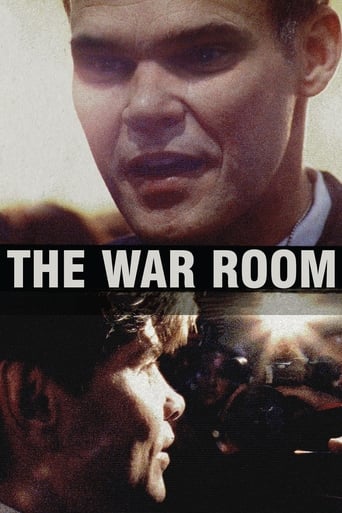
A behind-the-scenes documentary about the Clinton for President campaign, focusing on the adventures of spin doctors James Carville and George Stephanopoulos.

The epic life story of Alice Guy-Blaché (1873–1968), a French screenwriter, director and producer, true pioneer of cinema, the first person who made a narrative fiction film; author of hundreds of movies, but banished from history books. Ignored and forgotten. At last remembered.
This documentary follows superstar Bret Hart during his last year in the WWF. The film documents the tensions that resulted in The Montreal Screwjob, one of the most controversial events in the history of professional wrestling, in which Vince McMahon, Shawn Micheals, and others, legitimately conspired behind the scenes to go against the script and remove Bret Hart as champion.
This Oscar-winning documentary recounts the harrowing stories of five Hungarian Jews who endured the horrors of the Holocaust and Hitler's reign.

A documentary highlighting the Soviet Union's legendary and enigmatic hockey training culture and world-dominating team through the eyes of the team's Captain Slava Fetisov, following his shift from hockey star and celebrated national hero to political enemy.
Michael Moore comes home to the issue he's been examining throughout his career: the disastrous impact of corporate dominance on the everyday lives of Americans (and by default, the rest of the world).
"Trinity and Beyond" is an unsettling yet visually fascinating documentary presenting the history of nuclear weapons development and testing between 1945-1963. Narrated by William Shatner and featuring an original score performed by the Moscow Symphony Orchestra, this award-winning documentary reveals previously unreleased and classified government footage from several countries.
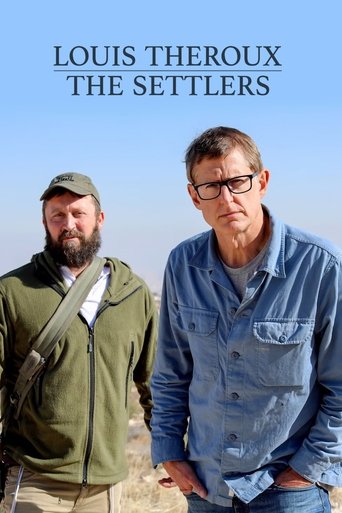
Fourteen years after his first visit, Louis Theroux meets some of the growing community of religious-nationalist Israelis who have settled in the occupied West Bank.

Filmmaker Alain Resnais documents the atrocities behind the walls of Hitler's concentration camps.
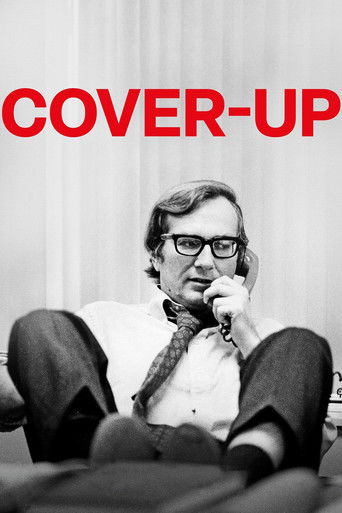
He's devoted his career to uncovering stories the powerful want buried. From My Lai to Abu Ghraib, dig into the life's work of journalist Seymour Hersh.
Similar titles

Paris 1942. François Mercier is an ordinary man who only aspires to start a family with the woman he loves, Blanche. He is also the employee of a talented jeweler, Mr. Haffmann. But faced with the German occupation, the two men will have no other choice but to conclude an agreement whose consequences, over the months, will upset the fate of our three characters.

The story, hidden by historians and biographers, of Jeanne, a black woman, whose real name is unknown, who was the muse and companion of the mythical French poet Charles Baudelaire (1821-1867).
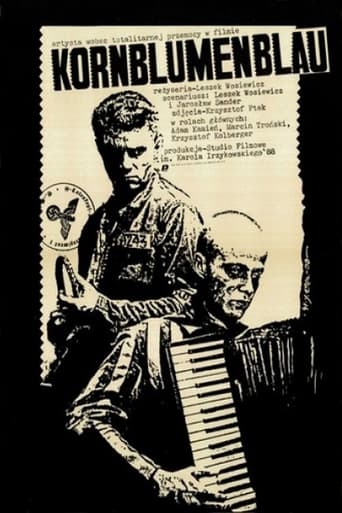
Based on a true story of a Polish musician who survived the concentration camp only because he could play on the accordion the title melody.
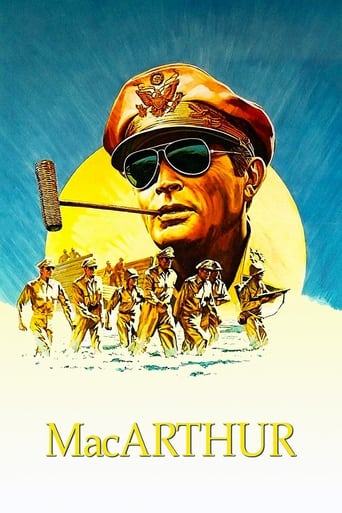
The film portrays MacArthur's life from 1942, before the Battle of Bataan, to 1952, when he was removed from his Korean War command by President Truman for insubordination, and is recounted in flashback as he visits West Point.
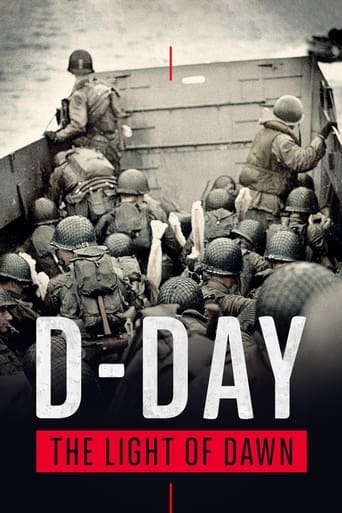
The Normandy landings of 6 June 1944 were pivotal to the outcome of WW2. We learn when Churchill and Roosevelt first proposed the operation and how preparations started—finishing with the key events of D-Day and the far-reaching effects of its outcome.
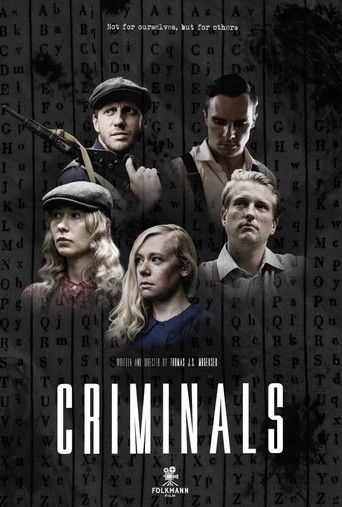
June, 1944, German-occupied Denmark. It has never been so dangerous to be part of the resistance. In a safe house, five fighters wait for comrades on a sabotage mission. When they do not return, and no news comes, fear begins to take hold.
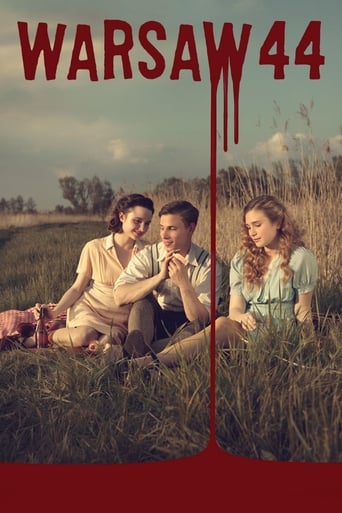
City of Warsaw, Poland, August 1st, 1944. Citizens have experienced inhuman acts of terror and violence during five long years of Nazi occupation. As the Soviet Army relentlessly approaches, the youngest and bravest among them rise up as one and face tyranny fighting street by street, but the price to pay will be high and hard the way to freedom…
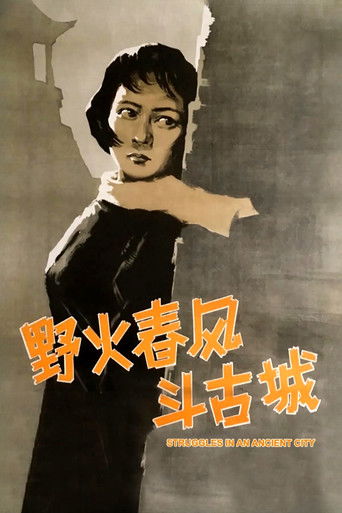
1943, the Japanese Army is falling back to the Pacific, leaving only collaborationist troops. Commissar Yang Xiaodong is sent to inflitrate the provincial capital.

Film critic Alejandro G. Calvo traces an audiovisual journey through the work of David Lynch trying to find clues to decipher his enigmatic universe.
A communist journalist from Prague is sent to Ravensbruck concentration camp.

In the Warsaw ghetto in 1943, Jews rise against the Nazis.
This film is about the Jewish girl Sara and the ruin of her family during World War II. Her parents have to live in the Jewish ghetto in Amsterdam, but later they are arrested and deported. Sara decides to flee with her brother and his girlfriend to Palestine. Based on the book by Marga Minco.

In this short documentary, Canadian poet Andrew Suknaski introduces us to Wood Mountain, the south central Saskatchewan village he calls home. In between musings on his poetry, which is tinged with nostalgia and the vast loneliness of the plains, the poet discusses the area’s multicultural background and Native heritage, as well as the customs and stories of these various ethnic groups.
By tracking scientists and Holocaust survivors in Lithuania, The Good Nazi tells the story of a Schindler-type Nazi officer who turned his back on his dark ideology and risked his life to save hundreds of Jews.
Milan, the last months of WWII. While everything starts to crumble down, RSI police chief Bruno Spada tries to crush the local anti-fascist resistance.

The Norwegian painter Edvard Munch is the author of a powerful body of work that is rooted in symbolism and expressionism. His most famous painting, "The Scream", painted in 1893, has become the symbol of existential anguish. He obsessively sought to express his most violent emotions in the face of death and love, bringing them together in a great whole, the "Frieze of Life". Nature, in perpetual movement, the bearer of vital momentum, helped him to exalt his anguish of living through its colors and undulating lines.
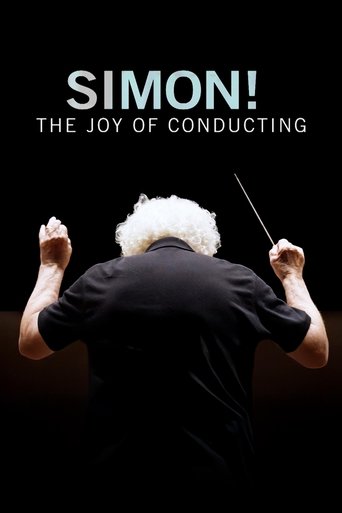
“As I child, I always had music in my head. I thought everybody did,” the legendary conductor Sir Simon Rattle recalls. His charming and humorous reflections on the unifying magic of conducting are complemented by interviews with well-known contemporaries and accompanied by thrilling concert footage. His music is a joy to all those who listen to it!
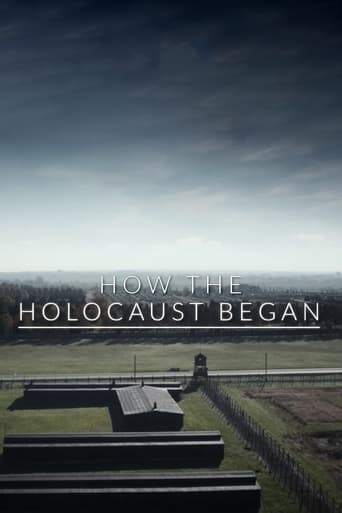
Historian James Bulgin reveals the origins of the Holocaust in the German invasion of the Soviet Union, exploring the mass murder, collaboration and experimentation that led to the Final Solution.
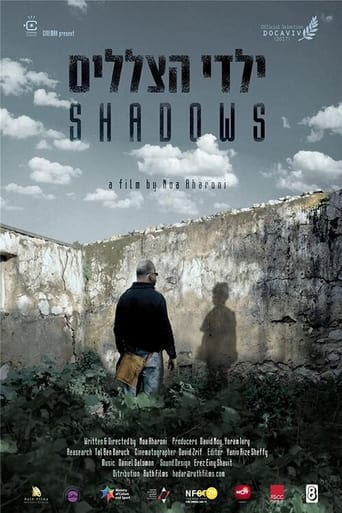
The stories of Eitan, Yigal and Miri show how long the past can cast its shadows. Their Holocaust-surviving parents were abused by the Nazis, then became abusers themselves—their fear and grief transformed into aggression and anger towards their children. For the first time on-screen, children of Holocaust survivors talk openly about the mental and physical suffering they experienced. Stories of abuse contrast with cheerful-looking black-and-white photos of the families. Even the grandchildren appear to be suffering from their parents’ burden of sorrow and pain. The children's attempt to talk about the past, as with Eitan and his ailing mother and Miri with her son, seem futile. The palpable inability to make contact is almost unbearable. Shadows asks the unavoidable questions: how long will the Holocaust continue to exert its evil influence on future generations, and how can the demons of the past be exorcised?