

Celluloide
1996-01-26 · 115 min · ★ 6.6
June 1944. In the newly liberated Rome, Roberto Rossellini and Sergio Amidei decide, against all odds, to make an unprecedented, true-to-life film on the tragic events that occurred during the Nazi occupation: Rome, Open City .
Trailers are previews, not full movies.
No authorized playback source configured. Use the legal watch options below.
Production details
- Directors
- Carlo Lizzani
- Production companies
- Dean Film, Istituto Luce Cinecittà
- Countries
- Italy
- Status
- Released
Top Cast
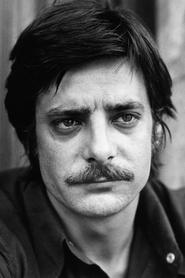 Giancarlo GianniniSergio Amidei
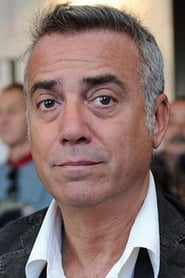 Massimo GhiniRoberto Rossellini
 Anna FalchiMaria Michi
 Lina SastriAnna Magnani
 Massimo DapportoGiuseppe Amato
 Antonello FassariAldo Fabrizi
 MilvaCountess
 Christopher WalkenRod Geiger
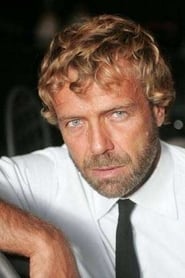 Massimo CiavarroMassimo Serato
 Francesca VenturaJone Tuzi
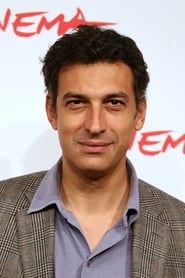 Francesco SicilianoFederico Fellini
 Mauro Leuce
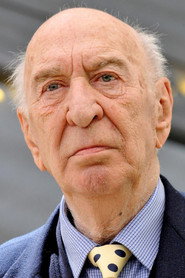 Giuliano MontaldoCivalleri (uncredited)
Title information and images are supplied by TMDb. Explore our discovery guide for advice on comparing metadata and legal viewing options.
Where to watch
Availability provided by JustWatch via TMDb. Offers can change. Provider links are listed on TMDb; full playback requires a separately authorized source.
Availability not listed for this country.
Seasons & episodes
Recommendations
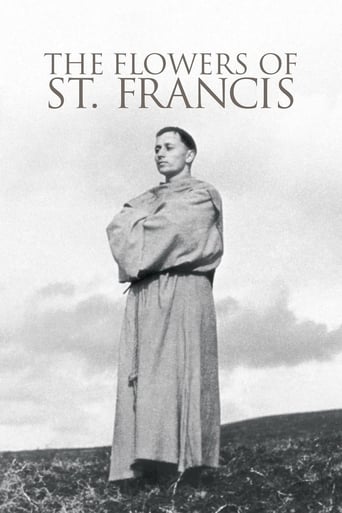
In a series of simple and joyous vignettes, director Roberto Rossellini and co-writer Federico Fellini lovingly convey the universal teachings of the People’s Saint: humility, compassion, faith, and sacrifice. Gorgeously photographed to evoke the medieval paintings of Saint Francis’s time, and cast with monks from the Nocera Inferiore Monastery, The Flowers of St. Francis is a timeless and moving portrait of the search for spiritual enlightenment.

In the years between WWI and the rise of Fascism, legendary thespian Eleonora Duse shocks everyone by getting back onstage at over 60 years of age. Struggling with the brutality of historical events unfolding and clinging to the possibility of utopia, she makes her art a revolutionary act, even at the cost of sacrificing health and affection—facing her final journey aware she could give up life itself, but not her own true nature.
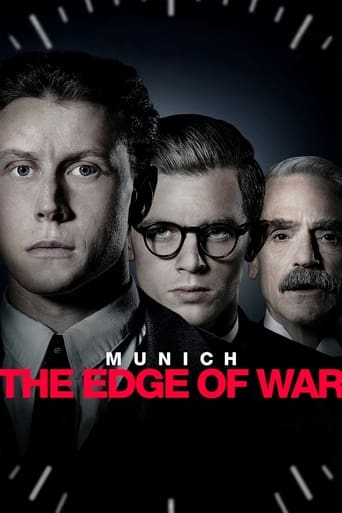
At the tense 1938 Munich Conference, former friends who now work for opposing governments become reluctant spies racing to expose a Nazi secret.
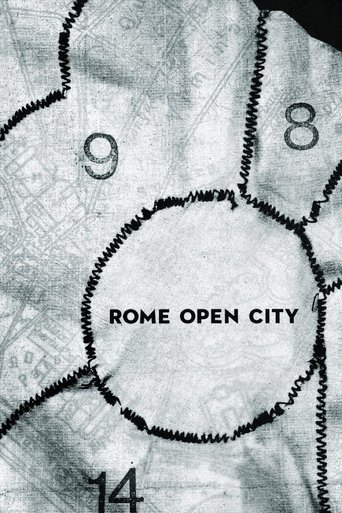
During the Nazi occupation of 1944 Rome, Resistance leader Giorgio Manfredi is pursued by the Nazis as he seeks refuge and a means of escape.
Stephen Glass is a staff writer for the respected current events and policy magazine The New Republic and a freelance feature writer for publications such as Rolling Stone, Harper's and George. By the mid-90s, Glass' articles had turned him into one of the most sought-after young journalists in Washington, but a bizarre chain of events - chronicled in Buzz Bissinger's September 1998 Vanity Fair article - suddenly stopped his career in its tracks.

A WWII veteran escapes his care home in Northern Ireland and embarks on an arduous but inspirational journey to France to attend the 75th anniversary of the D-Day landings, finding the courage to face the ghosts of his past.
This film is a glimpse into the life, love and the unconquerable spirit of the legendary Bruce Lee. From a childhood of rigorous martial arts training, Lee realizes his dream of opening his own kung-fu school in America. Before long, he is discovered by a Hollywood producer and begins a meteoric rise to fame and an all too short reign as one the most charismatic action heroes in cinema history.
A ticking-clock thriller following Winston Churchill in the 24 hours before D-Day.
Rome. The 1980s. After the magnum opus The Art of Joy she has been working on for a decade is rejected by the Italian publishing world, writer Goliarda Sapienza commits a desperate theft that costs her her reputation and social position. Incarcerated in Italy’s largest female prison, she finds herself living alongside thieves, junkies, sex workers and revolutionaries. After her release, she continues to meet with these women and over the course of a sweltering summer, a life-changing relationship flowers – a relationship that will reawaken her the desire to live and to write.
On July 19–21, 2001, over 200,000 people took to the streets of Genoa to protest against the ongoing G8 summit. Anti-globalization activists clashed with the police, with 23-year-old protester Carlo Giuliani shot dead after confronting a police vehicle. In the aftermath, the police organized a night raid on the Diaz high school, where around a hundred people between unarmed protesters—mostly students—and independent reporters who documented the police brutality during the protests had took shelter. What happened next was called by Amnesty International "the most serious breach of civil liberties in a democratic Western country since World War II."

War photographer W. Eugene Smith travels back to Japan where he documents the devastating effect of mercury poisoning in coastal communities.

Young women toiling in a factory are exposed to hazardous material which takes a disastrous toll on their health.
In post-World War II America, a woman, rebuilding her life in the suburbs with her husband, kidnaps her neighbor and seeks vengeance for the heinous war crimes she believes he committed against her.
The story of the descent into madness of Mussolini's secret first wife, Ida Dasler, who was seduced by his passion and vigor but blind to the fascist dictator's many flaws.
Buddy is a young boy on the cusp of adolescence, whose life is filled with familial love, childhood hijinks, and a blossoming romance. Yet, with his beloved hometown caught up in increasing turmoil, his family faces a momentous choice: hope the conflict will pass or leave everything they know behind for a new life.

The true story of photographer Elizabeth "Lee" Miller, a fashion model who became an acclaimed war correspondent for Vogue magazine during World War II.
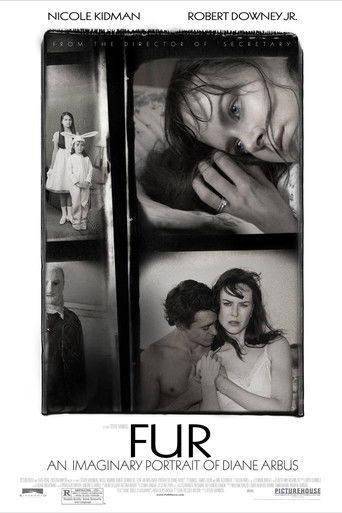
In 1958 New York Diane Arbus is a housewife and mother who works as an assistant to her husband, a photographer employed by her wealthy parents. Respectable though her life is, she cannot help but feel uncomfortable in her privileged world. One night, a new neighbor catches Diane's eye, and the enigmatic man inspires her to set forth on the path to discovering her own artistry.
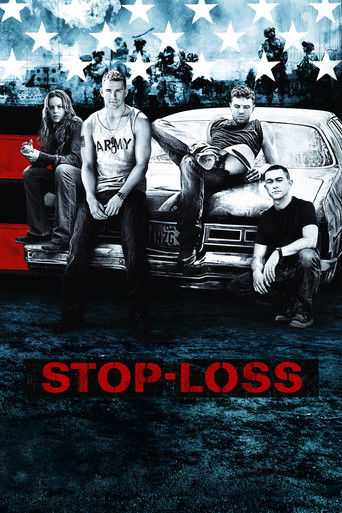
A veteran soldier returns from his completed tour of duty in Iraq, only to find his life turned upside down when he is arbitrarily ordered to return to field duty by the Army.
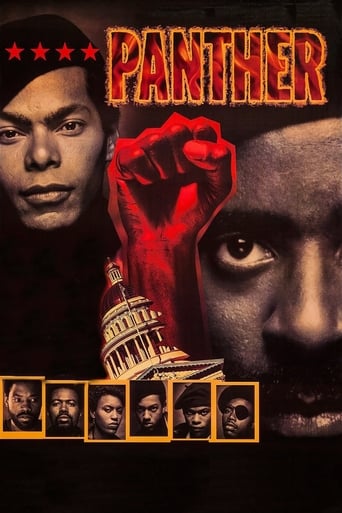
In this sprawling, fictionalized history of the Black Panthers, 1960s Oakland becomes a war zone as the Panthers battle for the right to exist.
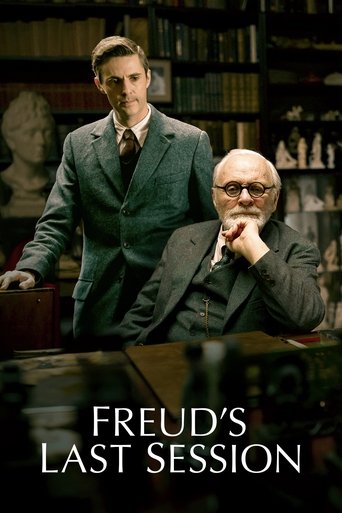
On the eve of the Second World War, two of the greatest minds of the twentieth century, C.S. Lewis and Sigmund Freud converge for their own personal battle over the existence of God. The film interweaves the lives of Freud and Lewis, past, present, and through fantasy, bursting from the confines of Freud’s study on a dynamic journey.
Similar titles
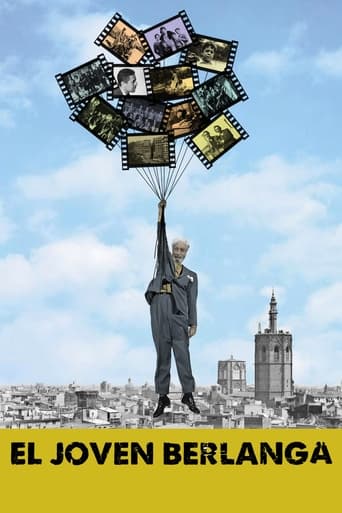
The early days of the future genius of Spanish cinema Luis García Berlanga, from his birth in Valencia in 1921 to his departure to Madrid in 1947 to become a filmmaker.

The life and professional career of the Spanish filmmaker Florián Rey (1894-1962), a brilliant artist who began his career in silent films and had great commercial success during the Second Republic (1931-1936): a journey to the early days of Spanish cinema.
Iranian film director Amir Naderi talks to Zar Amir Ebrahimi about his career in this documentary directed and produced by Ebrahimi and broadcast by BBC World Service and BBC Persian. Amir Naderi is one of the most influential figures of Iranian modern cinema. He was born in 1945 in the Persian Gulf port of Abadan. Orphaned at an early age and living the life of a street urchin, Naderi had to survive by selling ice, working as a shoeshine boy and recycling empty beer bottles. He developed his knowledge of cinema by watching films in the theaters where he worked at a very young age. He began his career by taking pictures for some notable Iranian features. In the 1970’s, he started directing his own films, and made some of the most important movies of the New Iranian Cinema. After moving to New York in the early 90’s, Amir Naderi continued to make films. They have premiered at the Venice, Cannes, Tribeca, and Sundance Film Festivals.
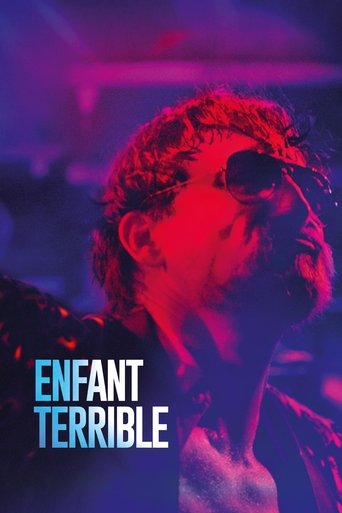
When 22-year-old Rainer Werner Fassbinder storms the stage of a small, progressive theatre in Munich 1967, and seizes the production without further ado, nobody suspects this brazen young rebel to become one of the most important post-war German filmmakers. Despite early setbacks, many of his films breakout at the most renowned films festivals and polarise audience, critics and filmmakers alike. His radical views and self-exploitation, as well as his longing for love, have made him one of the most fascinating film directors of this time.

When overwhelming expectations tower over him, Cecil must silence the doubt controlling him, while an aspiring film career slowly becomes the least of his worries. Written and directed by newcomer Aaron Fisher, Mr. Misunderstood takes a close look at the endless pressures that loom over one aspiring filmmaker's life, as he conveys the beautiful imperfection of our most human characteristics.

A retrospective look at the global impact of Alien, the science fiction and horror masterpiece directed by British filmmaker Ridley Scott in 1979, exploring the origins of its unique aesthetic and the audacity of its screenplay.
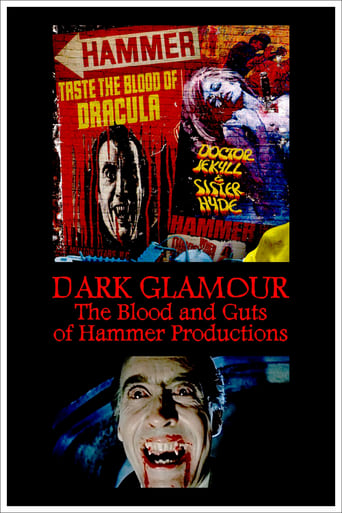
The greatness, fall and renaissance of Hammer, the flagship company of British popular cinema, mainly from 1955 to 1968. Tortured women and sadistic monsters populated oppressive scenarios in provocative productions that shocked censorship and disgusted critics but fascinated the public. Movies in which horror was shown in offensive colors: dreadful stories, told without prejudices, that offered fear, blood, sex and stunning performances.

The film represents life in a godforsaken Russian village. The only way to reach the mainland is to cross the lake by boat and a postman became the only connection with the outside world. A reserved community has been set up here. Despite the modern technologies and a spaceport nearby the people of the village live the way they would in the Neolithic Era. There is neither government nor social services or jobs. The postman's beloved woman escapes the village life and moves to the city. Postman's outboard engine gets stolen and he can no longer deliver mail. His normal pattern of life is disrupted. The postman makes a decision to leave for the city too but returns before long with no certain reason. The script is based on real characters' stories. People from the village play their own parts in the film. The search for the protagonist lasted for over a year.
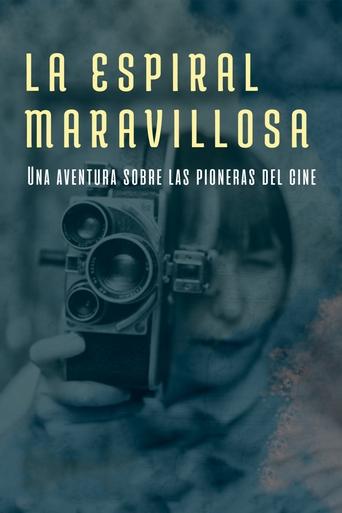
Spain, early 20th century. As a child, Leocadia Cantalapiedra was dazzled by a new art: cinema; but she lives in a society where directing films is something only men can do.
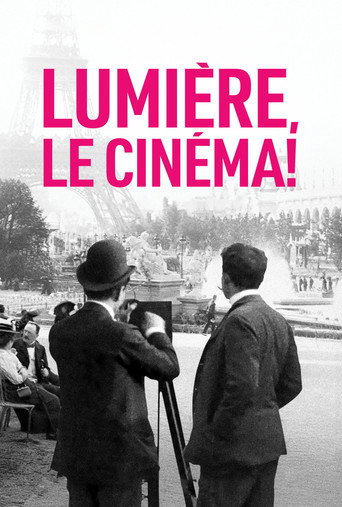
In one of those wonderful coincidences of history, lumière, the French word for “light,” was also the last name of brothers Auguste and Louis, whose brilliant invention, the cinematograph, helped to inaugurate the most beloved art form of the last 130 years. Institute Lumière director Thierry Frémaux uses Lumière, Le Cinema! to guide the viewer through over a hundred shorts—some famous, some forgotten, some never before seen—directed by Lumière and company. In the process, Frémaux illuminates how the brothers employed the camera as a creative instrument as they (and their operators) mastered framing, staging, and subject selection for quotidian and exotic microdocumentaries as well as the first ever fictional motion pictures. The result is not only a glorious re(telling) of the genesis of cinema but a profound meditation on the beautiful world captured—and the mysterious world imagined—by the Lumières.
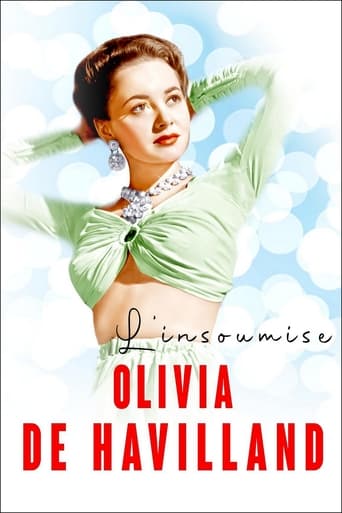
The legendary British-American actress Olivia de Havilland (1916-2020), who conquered Hollywood in the thirties, challenged the film industry when, in 1943, she took on the all-powerful producer Jack Warner in court, forever changing the ruthless working conditions that restricted the essential rights and freedom of artists.

A naive actor auditions for a film which could launch his career. The things he's asked to do make him more and more uncomfortable, until a choice remark from the director makes him see red.

Where do we come from and where do we go ? The eternal question of humanity which religions have tried to answer over the centuries - lt's the end of the year 2012. The Universe is about to undergo an imposing planetary alignment and a Total Eclipse will soon be upon Planet Earth. Great vibrational changes are imminent and set to disturb us. The eight members of the Galactic Council, led by Lord Ogmha (William Shatner), meet to discuss the effects of the imminent alignment. They are 8 creators (aliens) and each one of them governs a Planet. They are each responsible for the security and well-being of a 'LENS'. Together they balance the conflict and allegiance of the Universe. Treason puts Earth in danger and the LENS, the hard disc (crystal core) containing the recording of the entire history, DNA, memories and nucleus of mankind is hidden somewhere in Italy. Everyone is searching for it. If the Lens is opened and in the wrong hands it could reveal to the human beings the shocking
Embarrassed about his identity and culture, a meek Indian high-schooler decides to attend an American university to pursue his passion for film. But in doing so, he causes a rift in his fundamentalist family.
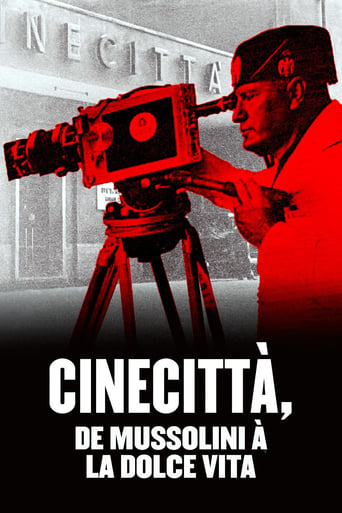
Cinecitta is today known as the center of the Italian film industry. But there is a dark past. The film city was solemnly inaugurated in 1937 by Mussolini. Here, propaganda films would be produced to strengthen the dictator's position.
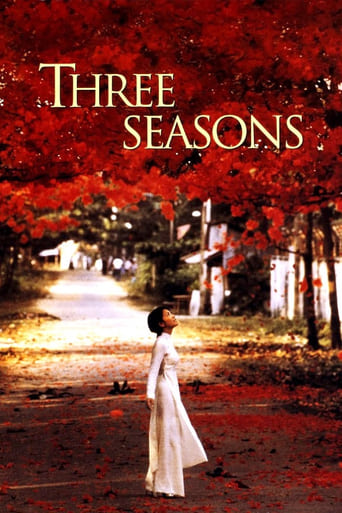
The residents of Ho Chi Minh City face modernization amid widespread poverty. A retired American Marine arrives on a search for his daughter, whom he abandoned at the end of the Vietnam War. Elsewhere, a cyclo driver falls for a troubled prostitute and schemes to raise money so he can spend time with her. Additionally, a young women begins harvesting lotuses for a writer suffering from leprosy, and a child trinket seller loses his traveling case.
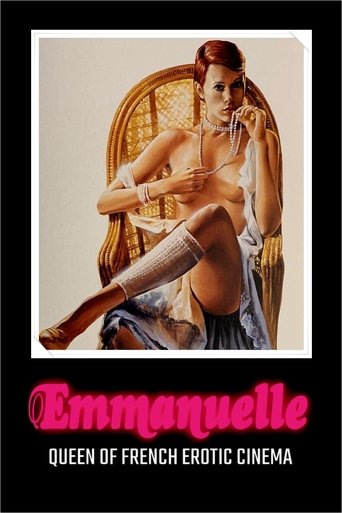
France, 1974. The erotic film Emmanuelle, directed by Just Jaeckin, breaks all records for cinema attendance: the story of the creation of a sensual epic that marked a turning point in the struggle for sexual emancipation.
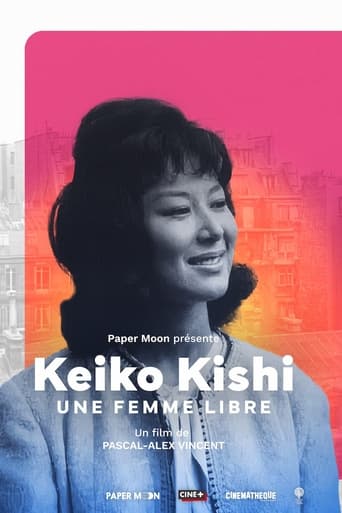
Born in 1932, Keiko Kishi has been one of the first Japanese actresses known worldwide. Her decision to move to France and to marry director Yves Ciampi in 1957 – after he filmed her in Typhoon Over Nagasaki starring Jean Marais and Danielle Darrieux – caused a huge scandal in Japan. Despite this transgression, Keiko Kishi continued acting in her home country with Kon Ichikawa, Yasujiro Ozu, Masaki Kobayashi… building unique bridges between Japanese and European cultures. Free and rebellious, she emancipated herself from the many obstacles she encountered in the film industry, and created her own production company in her early twenties. Let’s look back at the story of a pioneer, an inspiration for many generations.
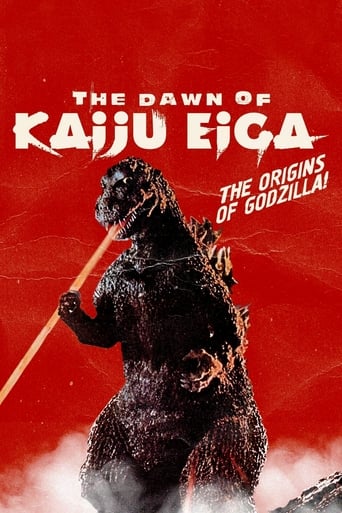
Japan, 1954. A legend emerges from the ashes of Hiroshima and Nagasaki, devastated by atomic bombs in 1945. The creature's name is Godzilla. The film that tells its story is the first of kaiju eiga, the giant monster movies.

In the aftermath of a breakup, a struggling filmmaker becomes seduced by his therapist while his ex-girlfriend grapples with her identity and where to go next.