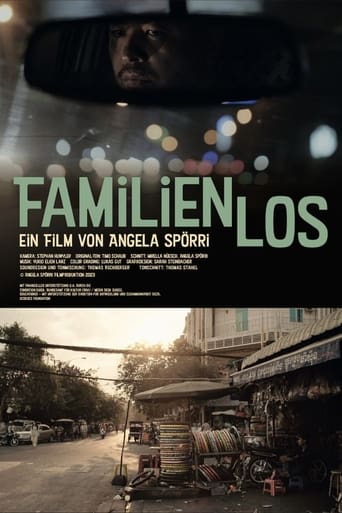
Familienlos
2023-01-20 · 87 min · Not rated
The story of Thun Chay, a Cambodian who was left behind by his mother in a refugee camp during their escape from the Red Khmer and the civil war in their home country.
Trailers are previews, not full movies.
No authorized playback source configured. Use the legal watch options below.
Production details
- Directors
- Angela Spörri
- Production companies
- Angela Spörri Filmproduktion
- Countries
- Switzerland
- Status
- Released
Top Cast
Title information and images are supplied by TMDb. Explore our discovery guide for advice on comparing metadata and legal viewing options.
Where to watch
Availability provided by JustWatch via TMDb. Offers can change. Provider links are listed on TMDb; full playback requires a separately authorized source.
Availability not listed for this country.
Seasons & episodes
Recommendations

In an intimate and joyful story of love in the face of loss, celebrated poets Andrea Gibson and Megan Falley find strength—and unexpected hilarity—in what might be their final year together.
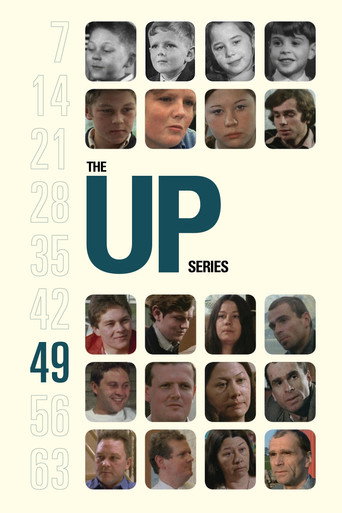
49 Up is the seventh film in a series of landmark documentaries that began 42 years ago when UK-based Granada's World in Action team, inspired by the Jesuit maxim "Give me the child until he is seven and I will give you the man," interviewed a diverse group of seven-year-old children from all over England, asking them about their lives and their dreams for the future. Michael Apted, a researcher for the original film, has returned to interview the "children" every seven years since, at ages 14, 21, 28, 35, 42 and now again at age 49.In this latest chapter, more life-changing decisions are revealed, more shocking announcements made and more of the original group take part than ever before, speaking out on a variety of subjects including love, marriage, career, class and prejudice.

Through deeply personal interviews with her siblings and an examination of the photographs, letters, and belongings left behind, Mariska assembles a new portrait of her mother Jayne Mansfield, an extraordinary and complex woman.

Ranjit, a farmer in India, takes on the fight of his life when he demands justice for his 13-year-old daughter, the victim of a brutal gang rape. His decision to support his daughter is virtually unheard of, and his journey unprecedented.

In the Realms of the Unreal is a documentary about the reclusive Chicago-based artist Henry Darger. Henry Darger was so reclusive that when he died his neighbors were surprised to find a 15,145-page manuscript along with hundreds of paintings depicting The Story of the Vivian Girls, in What is Known as the Realms of the Unreal, of the Glodeco-Angelinnian War Storm, Cased by the Child Slave Rebellion.

Director Michael Apted revisits the same group of British-born adults after a 7 year wait. The subjects are interviewed as to the changes that have occurred in their lives during the last seven years.

A documentary on the expletive's origin, why it offends some people so deeply, and what can be gained from its use.
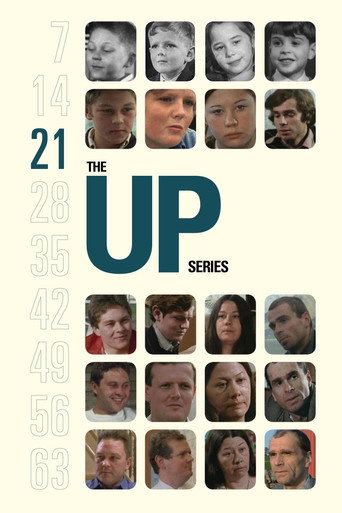
After another 7 year wait, director Michael Apted revisits the same group of British-born children from Seven Up! and 7 Plus Seven. The subjects are interviewed as to the changes that have occurred in their lives during the last seven years.

Over the course of one year, this film follows the life of an ordinary Pyongyang family whose daughter was chosen to take part in Day of the Shining Star (Kim Jong-il's birthday) celebration. While North Korean government wanted a propaganda film, the director kept on filming between the scripted scenes. The ritualized explosions of color and joy contrast sharply with pale everyday reality, which is not particularly terrible, but rather quite surreal.

An inside look at one of the most anticipated movie sequels ever with James Cameron and cast.

A string of threatening emails escalates into a revenge plot involving a newly married US marshal and his ex-girlfriend.

Director Michael Apted revisits the same group of British-born adults after a 7 year wait. The subjects are interviewed as to the changes that have occurred in their lives during the last seven years.

Alexander McQueen's rags-to-riches story is a modern-day fairy tale, laced with the gothic. Mirroring the savage beauty, boldness and vivacity of his design, this documentary is an intimate revelation of McQueen's own world, both tortured and inspired, which celebrates a radical and mesmerizing genius of profound influence.
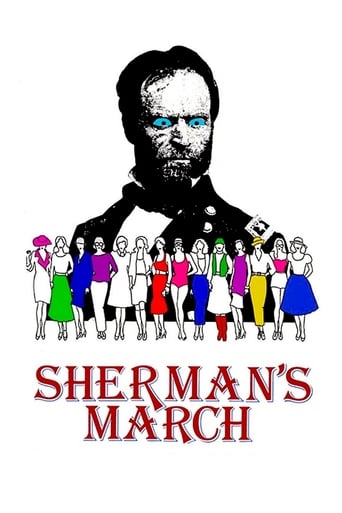
Documentarian Ross McElwee originally set out to make a travelogue of sorts tracing General William T. Sherman's infamous scorched-earth march through the Confederacy in the latter stages of the Civil War. Instead, haunted by a recent breakup with a girlfriend, McElwee ends up documenting his progress -- or lack thereof -- in starting a new relationship. His journey then becomes one of self-reflection and self-discovery rather than a historical/sociological exploration.
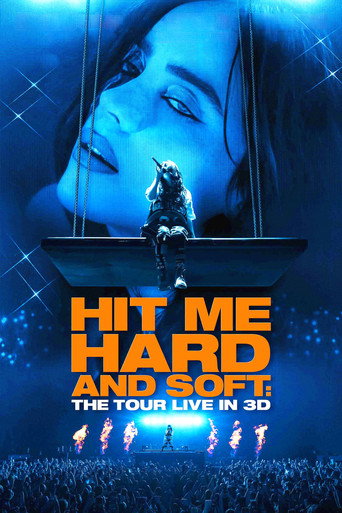
Captured during Billie Eilish's sold-out world tour, a concert experience from one of the most celebrated and successful artists of her generation, presented in immersive 3D.

The incomparable Bruce Springsteen performs his critically acclaimed latest album and muses on life, rock, and the American dream, in this intimate and personal concert film co-directed by Thom Zimny and Springsteen himself.
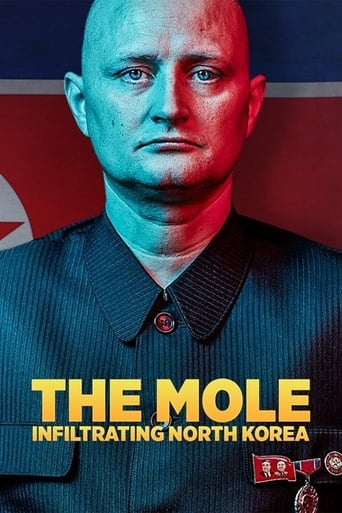
A real-life undercover thriller about two ordinary men who embark on an outrageously dangerous ten-year mission to penetrate the world's most secretive and brutal dictatorship: North Korea.
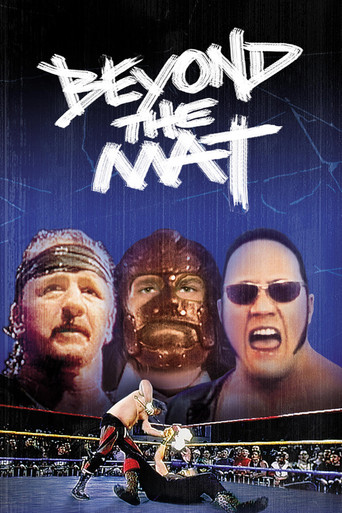
A heartfelt documentary focusing on the day-to-day lives of professional wrestlers, some on the rise, some on the wane, and others fighting for their lives.
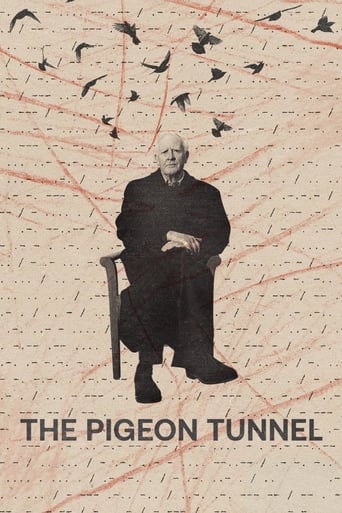
Academy Award winner Errol Morris pulls back the curtain on the storied life and career of David Cornwell, the former spy known to the literary world as John le Carré.
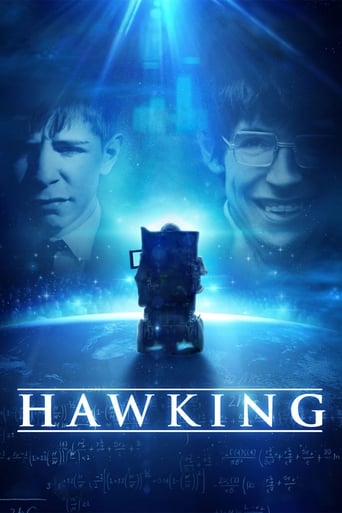
The extraordinary story of the planet’s most famous contemporary scientist, told in his own words and by those closest to him. Made with unique access to Hawking’s private life, this is an intimate and moving journey into Stephen's world, both past and present.
Similar titles
Nearly 250,000 South Korean children were adopted to the West as “orphans” in the 60 years following the Korean War. Some to loving homes. Others to tragic ends. Raised in places where they looked like nobody else, many were told to forget their past and be grateful. But the innate desire to understand where you came from has led many Korean adoptees to search for their roots. In the process, they discover lies in their past and families they never knew existed. In this documentary series, correspondent Wei Du travels around the world to meet Korean adoptees and accompany a few on their journey to reclaim who they are. Together, they reveal how an “orphan rescue” mission separated families and erased the roots of hundreds of thousands.
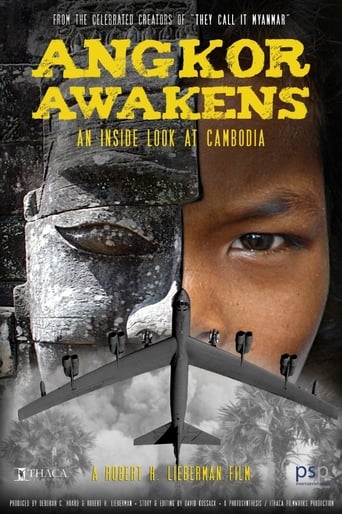
A moving psychological portrait of Cambodia decades after a devastating genocide, examining how baksbat (Khmer for "broken courage") continues to impact modern Cambodia.
The film's protagonists are the orphaned children taken into custody by the state and institutionalized at Children's House no. 6 from Bucharest. For Mészáros, the concern for the situation of children left orphaned during the Second World War is autobiographical: the director directly experienced the absence of parents in her own childhood.
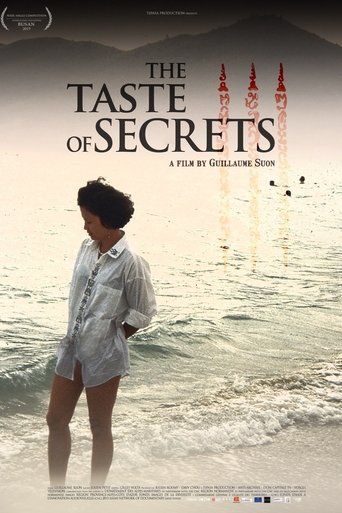
My mother always refused to speak about her childhood during the Cambodian genocide. Upset by her silence, my brother and I decide to follow Antoine, a grandson of Armenian genocide survivors, photographing the ghosts of his ancestors in the Middle East.
Through daily routines in a rural village, an indigenous elder couple recall their strange marriage to their grand-daughter, and sometimes to each other, in the changing rhythm of nature around them.

Short film about an orphanage.

The Falcons is an intimate, observational documentary that delves into the world of the Tshakhruk Ethnoband, a remarkable musical ensemble in the Armenian highlands. Comprised of special-needs children that reside at the state orphanage, these young musicians find solace, strength, and self-expression through the transformative power of music.
John Pilger shows how the UN has allowed the Khmer Rouge to grow stronger.
This short documentary chronicles the culture and arts of Cambodian Americans and the Lowell, MA community through the eyes of Sokhary Chau, the first Cambodian American Mayor in the United States. Chau immigrated to the U.S. at seven years old to escape the Khmer Rouge genocide. Through this unique story that showcases the best of Lowell—immigrant success, assimilation, history, and the development of the arts—we see a man born into a war-torn country who comes to America to be a first-in-the-nation leader.
Cambodian refugee Ted Ngoy builds a multi-million dollar empire by baking America's favourite pastry: the doughnut.
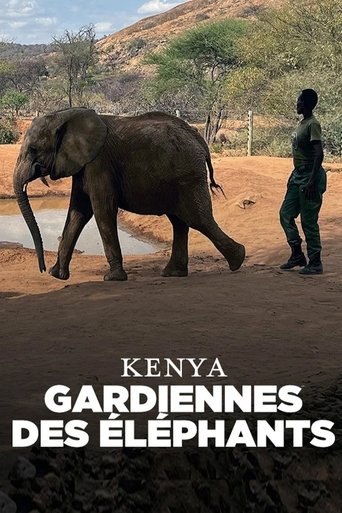
In the Namunyak Wildlife Conservancy in Kenya drought is a menace to both humans and animals. This documentary follows two Elephant Guardians in their tireless work to protect this endangered species.

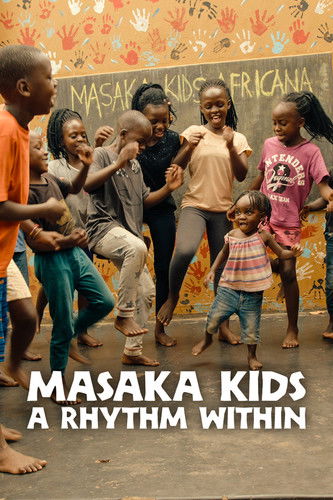
The story behind the Uganda-based YouTube dance sensations who have endured devastating personal loss from famine and war, and use the power of dance and song to overcome hardship.

Documentary on the Ethiopian orphanage ‘Toukoul’, filmed in Addis Ababa in December 2003
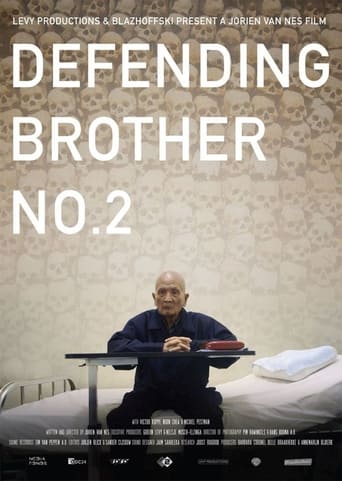
Two Dutch lawyers, Michiel Pestman and Victor Koppe, travel to Cambodia in 2011 to defend Nuon Chea in an international tribunal. Nuon Chea, also known as Brother No. 2, was the second man after Pol Pot in the Khmer Rouge regime. He is being charged with mass murder and crimes against humanity. For four years, the documentary follows the lawyers in their attempt to give this man a fair trial, but the UN tribunal is beset by local interests and a government which consists partly of other former members of the Khmer Rouge who would really like all of the blame to rest solely on the defendant. What should've been the crowning achievement in the careers of the lawyers turns out very different.
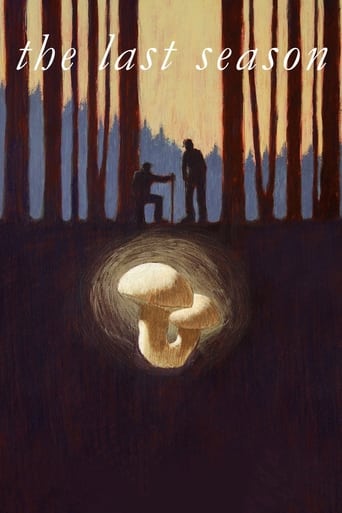
In search of the lucrative matsutake mushroom, two former soldiers discover the means to gradually heal their wounds of war. Roger, a self-described 'fall-down drunk' and sniper in Vietnam, and Kouy, a Cambodian refugee who fought the Khmer Rouge, bonded in the bustling tent-city known as Mushroom Camp, which pops up each autumn in the Oregon woods. Their friendship became an adoptive family; according to a Cambodian custom, if you lose your family like Kouy, you must rebuilt it anew. Now, however, this new family could be lost. Roger's health is declining and trauma flashbacks rack his mind; Kouy gently aids his family before the snow falls and the hunting season ends, signaling his time to leave.
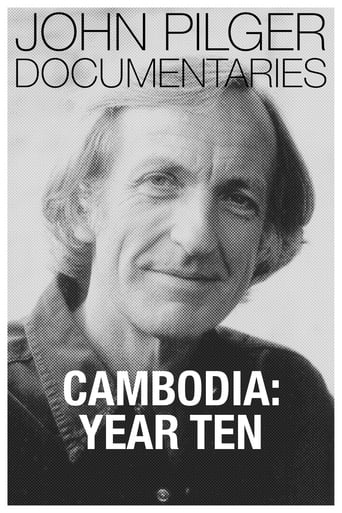
1989. An examination of how the UN protected and revitalised the Khmer Rouge.
After the collapse of the Communist regime in 1989, over 100,000 children were discovered living in Romanian orphanages. Follow Nori Vito, one of those orphans, as she journeys from her adopted American home to Romania and Greece to find the family she lost almost 30 years ago.
The Khmer Rouge slaughtered nearly two million people in the late 1970s. Yet the Killing Fields of Cambodia remain unexplained. Until now. Enter Thet Sambath, an unassuming, yet cunning, investigative journalist who spends a decade of his life gaining the trust of the men and women who perpetrated the massacres. From the foot soldiers who slit throats to Pol Pot's right-hand man, the notorious Brother Number Two, Sambath records shocking testimony never before seen or heard. Having neglected his own family for years, Sambath's work comes at a price. But his is a personal mission. He lost his parents and his siblings in the Killing Fields. Amidst his journey to discover why his family died, we come to understand for the first time the real story of Cambodia's tragedy.
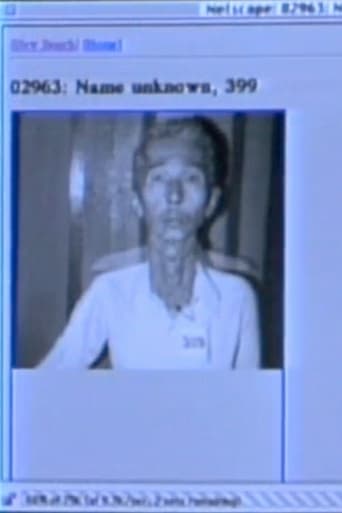
In okay bye-bye, so named for what Cambodian children shouted to the U.S. ambassador in 1975 as he took the last helicopter out of Phnom Phenh in advance of the Khmer Rouge, Rebecca Baron explores the relationship of history to memory. She questions whether, "image and memory can occupy the same space." Building on excerpts from letters, found super-8 footage of an unidentified Cambodian man, iconographic photographs from the Vietnam War and other partial images, Baron combines epistolary narrative, memoir, journalism, and official histories to question whether something as monumental as the genocidal slaughter of Cambodians during the Pol Pot regime can be examined effectively with traditional methodologies.