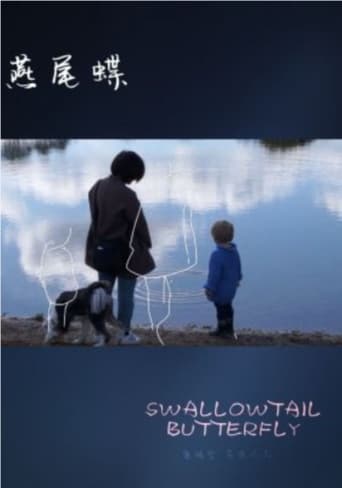
Swallowtail Butterfly
2017-01-01 · 27 min · Not rated
‘Body’ is an object we are all familiar with. For British sculptor Anthony Gormley, it is a medium for expressing thoughts about space, while for young female artist Wang Ying, it is a potential vehicle for expressing emotions. This documentary uses a split-screen method to create a three-dimensional space like a "body". It not only explores the artistic concept and development of Wang Ying, a female artist born in the 1990s who studied in the UK but also completed it on this basis. The documentary creator (me) thinks about her and her body, from'meeting','seeing' to'existence'
Trailers are previews, not full movies.
No authorized playback source configured. Use the legal watch options below.
Production details
- Directors
- Kang Yawen
- Production companies
- Unavailable
- Countries
- China
- Status
- Released
Top Cast
Cast unavailable.
Title information and images are supplied by TMDb. Explore our discovery guide for advice on comparing metadata and legal viewing options.
Where to watch
Availability provided by JustWatch via TMDb. Offers can change. Provider links are listed on TMDb; full playback requires a separately authorized source.
Availability not listed for this country.
Seasons & episodes
Recommendations
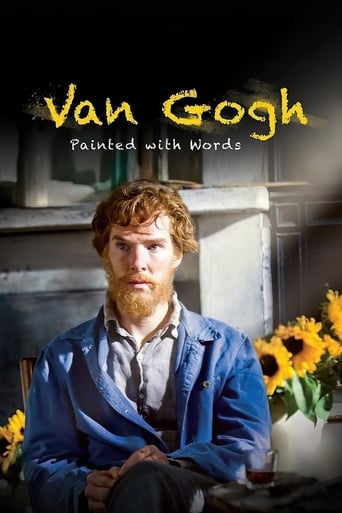
A drama-documentary presented by Alan Yentob, with Benedict Cumberbatch in the lead role. Every word spoken by the actors in this film is sourced from the letters that Van Gogh sent to his younger brother Theo, and of those around him. What emerges is a complex portrait of a sophisticated, civilised and yet tormented man.
Ten Minutes Older is a 2002 film project consisting of two compilation feature films entitled The Trumpet and The Cello. The project was conceived by the producer Nicolas McClintock as a reflection on the theme of time at the turn of the Millennium. Fifteen celebrated film-makers were invited to create their own vision of what time means in ten minutes of film.

Documentary filmmaker Amy Berg investigates the life of 30-year pedophile Father Oliver O'Grady and exposes the corruption inside the Catholic Church that allowed him to abuse countless children. Victims' stories and a disturbing interview with O'Grady offer a view into the troubled mind of the spiritual leader who moved from parish to parish gaining trust ... all the while betraying so many.

Against the darkening backdrop of New Delhi's apocalyptic air and escalating violence, two brothers devote their lives to protecting one casualty of the turbulent times: the bird known as the black kite.
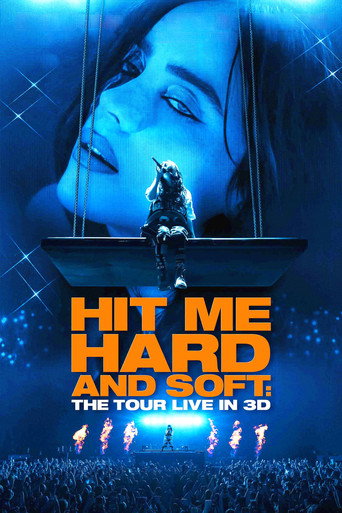
Captured during Billie Eilish's sold-out world tour, a concert experience from one of the most celebrated and successful artists of her generation, presented in immersive 3D.
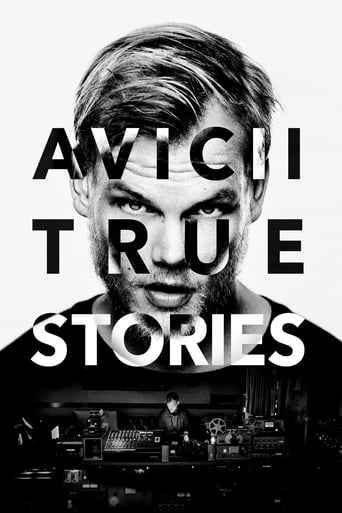
Documentary about the arena-packing Swedish DJ, chronicling his explosive rise to fame and surprising decision to retire from live performances in 2016.

The strange story of John McAfee, who went from millionaire software mogul to yogi, Kurtz-like jungle recluse to potential murderer, and most recently a prospective presidential candidate for the American Libertarian Party.
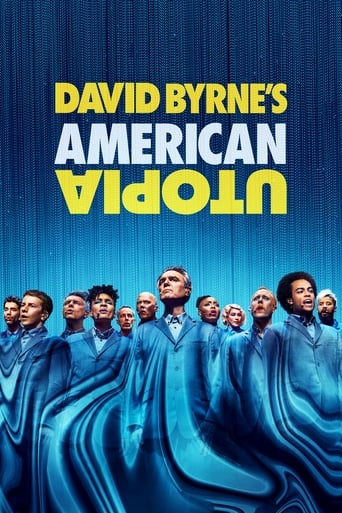
A filmed version of David Byrne's Broadway show, a unifying musical celebration that inspires audiences to connect to each other and to the global community.
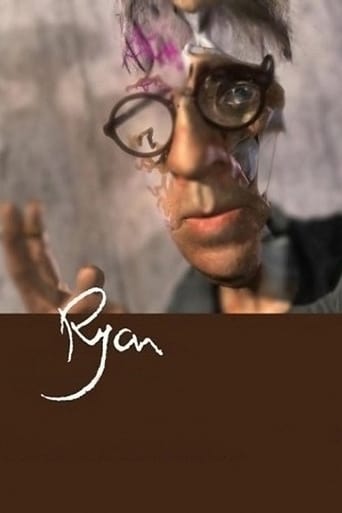
Centres on Canadian animator Ryan Larkin, who in later years lived on skid row in Montreal following a history of drug and alcohol abuse.

The Up in Smoke Tour is a West Coast hip hop tour in 2000 featuring artists Ice Cube, Eminem, Proof, Snoop Dogg, Dr. Dre, Nate Dogg, Kurupt, D12, MC Ren, Westside Connection, Mel-Man, Tha Eastsidaz, Doggy's Angels, Devin The Dude, Warren G, TQ, Truth Hurts and Xzibit.
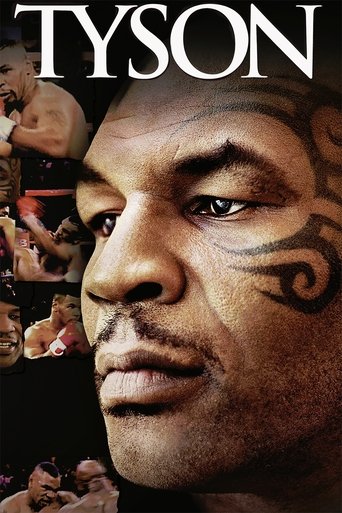
Director James Toback takes an unflinching, uncompromising look at the life of Mike Tyson--almost solely from the perspective of the man himself. TYSON alternates between the controversial boxer addressing the camera and shots of the champion's fights to create an arresting picture of the man.
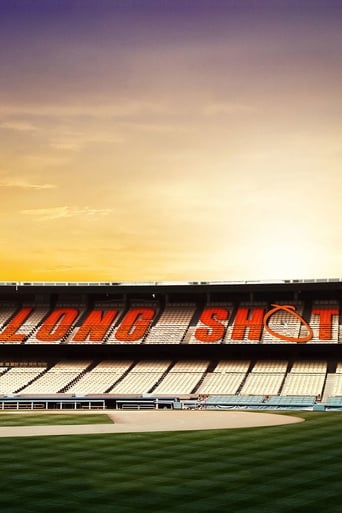
When Juan Catalan is arrested for a murder he insists he didn't commit, he builds his case for innocence around unexpected raw footage.
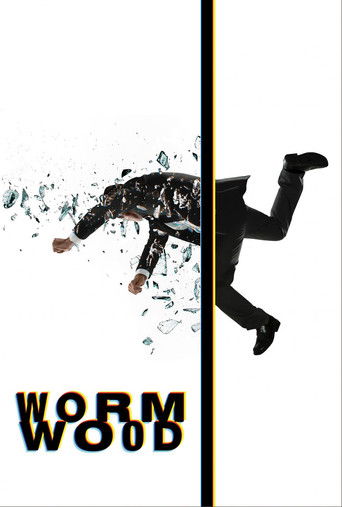
In this genre-bending tale, Errol Morris explores the mysterious death of a U.S. scientist entangled in a secret Cold War program known as MK-Ultra.
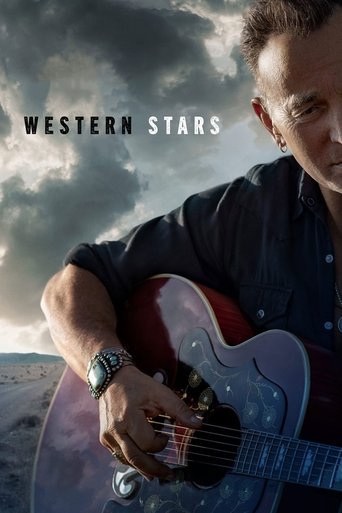
The incomparable Bruce Springsteen performs his critically acclaimed latest album and muses on life, rock, and the American dream, in this intimate and personal concert film co-directed by Thom Zimny and Springsteen himself.

Grammy® winner singer-songwriter Olivia Rodrigo takes a familiar road trip from Salt Lake City, where she began writing her debut album “SOUR,” to Los Angeles. Along the way, Rodrigo recounts the memories of writing and creating her record-breaking debut album and shares her feelings as a young woman navigating a specific time in her life. Through new live arrangements of her songs, intimate interviews and never-before-seen footage from the making of the album, audiences will follow Olivia along on a cinematic journey exploring the story of “SOUR.”
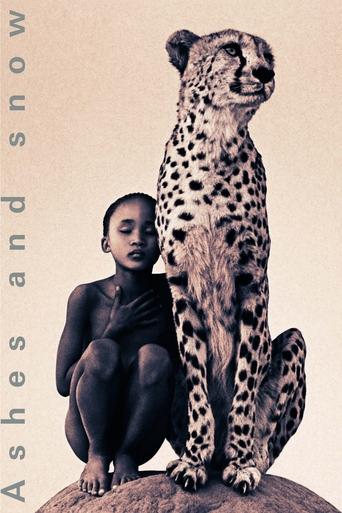
Ashes and Snow, a film by Gregory Colbert, uses both still and movie cameras to explore extraordinary interactions between humans and animals. The 60-minute feature is a poetic narrative rather than a documentary. It aims to lift the natural and artificial barriers between humans and other species, dissolving the distance that exists between them.
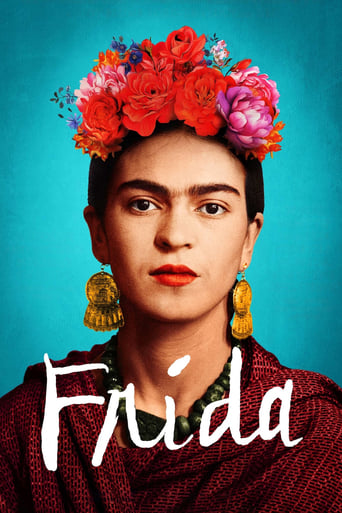
An intimately raw and magical journey through the life, mind, and heart of iconic artist Frida Kahlo. Told through her own words for the very first time — drawn from her diary, revealing letters, essays, and print interviews — and brought vividly to life by lyrical animation inspired by her unforgettable artwork.
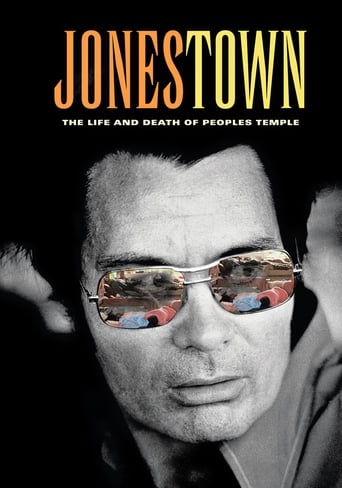
Featuring never-before-seen footage, this documentary delivers a startling new look at the Peoples Temple, headed by preacher Jim Jones who, in 1978, led more than 900 members to Guyana, where he orchestrated a mass suicide via tainted punch.

Police pull over a woman who claims she just gave birth. But the baby — and the blood — aren't hers. Twisted lies unravel in this true-crime documentary.

Lupita Nyong'o narrates a documentary about Peanuts and its creator, Charles M. Schulz. Famous fans—including Drew Barrymore, Kevin Smith, and Al Roker—share its influence on them, and a new animated story finds Charlie Brown on a quest.
Similar titles
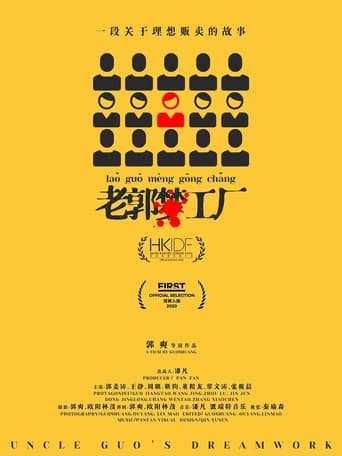
As a person who has taken art exams, Guo Jiang chose to enter the industry of "art exam training" after graduating from university. His role is that of both an educator and a businessman, although most of the time he prefers to appear as "Mr. Guo". The stage on which Mr. Guo's skills are put to use is a small county in central Henan, which is also his hometown. This documentary is about Guo Jiang's career and life.In short, hovering between the desire and the so-called ideal, adhere to or let go, he needs to make a choice.
A passenger on a bus, a man with a barrel on his head, and when they meet, the two worlds are connected...

Liu Haiying, who is praised by patients as the "sword of the world", is a doctor of medicine who grew up during the 80 years of agency thinking. He spent the most important stage of his career in Germany in the mid-1990s, and he developed a rigorous career. Careful and professional character. In many years of medical practice, Liu Haiying often paid out of his pocket to help poor families with severe spinal deformity patients. He knew that if these people did not undergo surgery, they would have organ failure or death waiting for them. However, long-term funding is unsustainable for the economy.Day and night heavy work has made this good doctor with superb medical skills a patient who needs to be taken care of. Colleagues advised him to take more care of his family and body, but he couldn't stop the pace of "saving the wounded." He was still staggering, guarding his life that was hard to give up and saved the wounded.
Danni, a young Chinese girl, comes home to pay her respect to her late grandfather. Out of place in the traditional Muslim environment, she unearths a hidden secret of her past and thus embarks on a journey, against her parents’wishes, in the suppressed but mesmerising world of Islamic culture in modern China.
The term "garbage" is relative, but most people's definition of garbage is absolute and rigid, and the definition of a person like "garbage man" is also relative. Compared to the ostrich that disappears when humans avoid garbage and not see psychological. With a lively and lovely tone, the film brings out the special views of how the two protagonists look at trash when they walk between the cities, and then connects the delicate relationship between their love for trash and their families.
In a city that worships money, there is a group of people who still insist on living the philosophy of "people are not living on food alone." Instead of choosing to live in seclusion, they choose to actively enter the world, improve their hearts, and influence others through artistic creation. Their innovation has not only driven the art world in Hong Kong but more importantly, through their enthusiasm for creation, they have made us understand that as long as we have a "heart", no matter how difficult the environment is, we can persist in a "love".
Filmed over three years on China’s railways, The Iron Ministry traces the vast interiors of a country on the move: flesh and metal, clangs and squeals, light and dark, and language and gesture. Scores of rail journeys come together into one, capturing the thrills and anxieties of social and technological transformation. The Iron Ministry immerses audiences in fleeting relationships and uneasy encounters between humans and machines on what will soon be the world’s largest railway network.
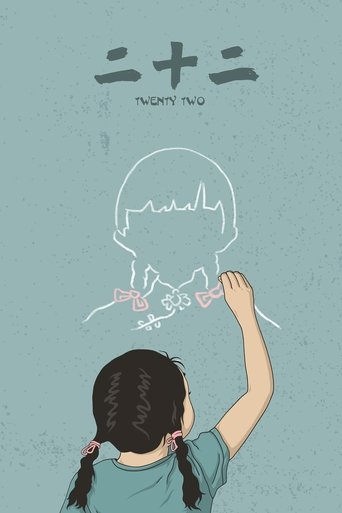
Follow the lives of the elderly survivors who were forced into sex slavery as “Comfort Women” by the Japanese during World War II. At the time of filming, only 22 of these women were still alive to tell their story. Through their own personal histories and perspectives, they tell a tale that should never be forgotten to generations unaware of the brutalization that occurred.

The documentary Building Archeology (jiànzhú kǎo) (2011) considers the more recent past. It’s made up of three vignettes about different buildings in Beijing: a museum, an abandoned hospital, and a detention center. The latter two vignettes are especially interesting. In the second, a woman wanders around the ruins of a hospital built in a week to deal with the 2003 SARS outbreak. The third concerns a former prisoner, tracing out a map of the detention center where he was held in 2011.

After witnessing the sudden death of a student in a classroom, a cowardly young teacher will face a whole classroom of students who have not yet died suddenly, as well as his own indistinguishable past, in which he exhibits his "name view" in preaching and self-doubt, and a class will pass.


Fishermen couple Ah Shing and Mei-wah, having lived from boat to shore, stayed together for most of their lives. After their son grew up, they have different visions towards the rest of their days. Ah Shing insists on fishing amid the decline of the local fishing industry. Mei-wah works as a factory worker and wishes for a more stable life. Even when there are subtle and profound changes in their relationships due to the different views, their affections for each other never stopped and they still support each other. This story is based on the real-life experience of the director's parents, and they play their own character in the film.
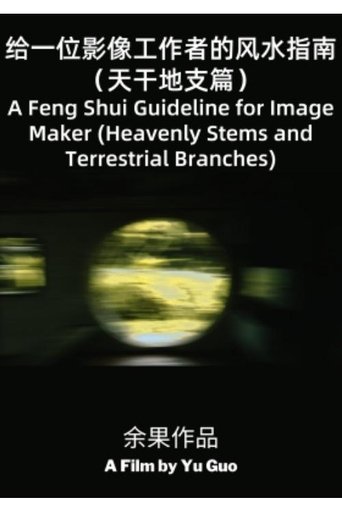
This video work is a fictional online Feng Shui guideline. A Feng Shui master on-screen in connecting to a person's brain to observe the image fragments in it and, based on that, try to give advice. It turns out to become a dispute between the two. Composed with images from real places like modern residences, high-speed train stations, national enterprises in mid of change, and mining factories, the video gives a dizzying visual effect. The artist narrates the words mixed with humorous, personal, and authoritarian languages. The work concerns the complex relationship between medium, feelings and narratives, and how a personal destiny can be narrated in relation to specific spatial-physicality.
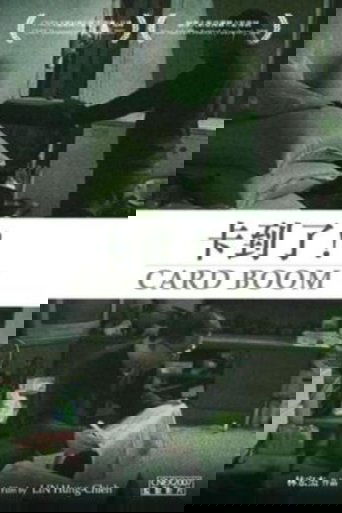
Cheng Sanhe, the first "Kanu" who successfully filed for bankruptcy in Taiwan, went from being inexplicably indebted at the beginning to realizing that he had already owed millions of debts. The bank's collection and the finance company used threats and intimidation to collect debts. Sanhe has since fallen into the hell of "using cards to raise cards". Taiwan’s first "card god" Yang Huiru, who successfully profited from banks with bonus points, used the loopholes in bank bonuses to successfully connect relatives and friends to purchase tickets or shopping station goods by swiping cards, and then use online auctions to earn the difference. Earning millions in the bank, the bank stopped using credit cards. Yang Huiru, who has also experienced personal pain, persuaded the card slaves to face reality: "Hurry up and cut off the card! Because the interest is too heavy, don’t think about borrowing another cash card to pay off the card debt. It’s getting deeper and deeper."
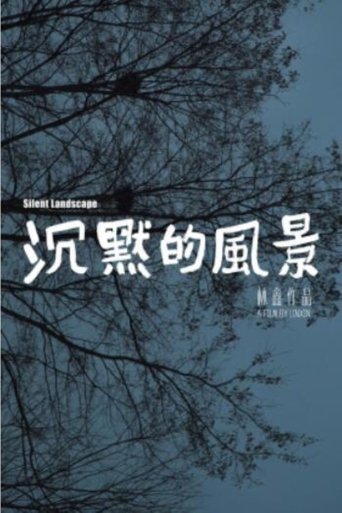
This is a film about the unison between the four seasons of life and the four seasons of the year, intertwined with the geospatial and temporal dimensions of a small town named Tongchuan situated on the northwest of the Loess Plateau.
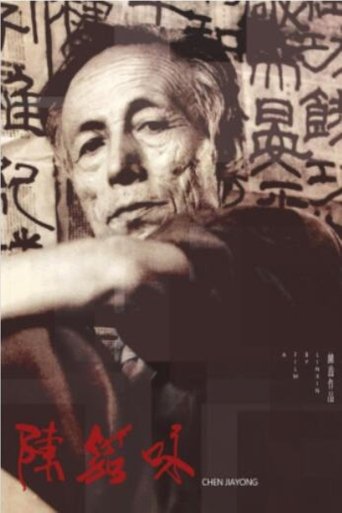
An individual's life experience is always a reflection and epitome of the times. Through the environment, literature, oral narration, calligraphy and painting works, this film faithfully records the upbringing background, family circumstances and life of the painter Chen Jiyong. His life experience and mind-watching are an ordinary case of countless intellectuals who have disappeared in the dust of time. At the same time, he has become a sample of images and life statues about this period of history.
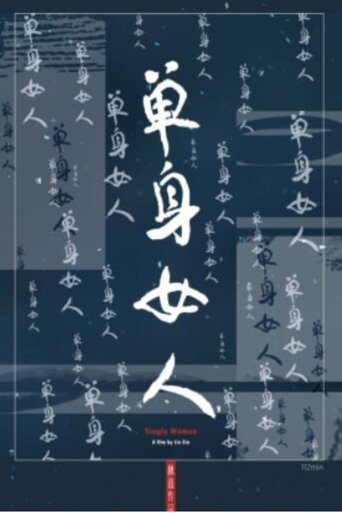
The film records the emotions and destinies of seven single women. Whether at a loss, confused, waiting in hope, disappointed, helpless, compromised, independent or defiant, they are closely bound up to this agitated and chaotic era. Through their different experiences they tell us about the failed marriages of middle-aged women, about life being single, and about a group of men who have not yet showed up but who appear vivid from a female perspective.
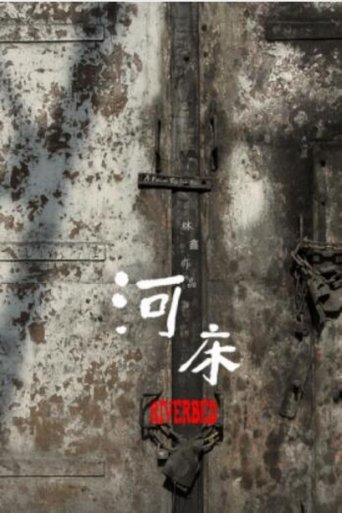
This is an image of a family. Through the memories of many people, it traces the growth, migration and different life experiences of several generations of the author's family. It shows the destiny of ordinary people and their inner scenery in social transformation. Each generation has its own joy and pain, and life still continues in hope, hardship and helplessness. The various imprints of survival that remain in the film are the hard riverbed of individual life and a period of micro-history washed out by time
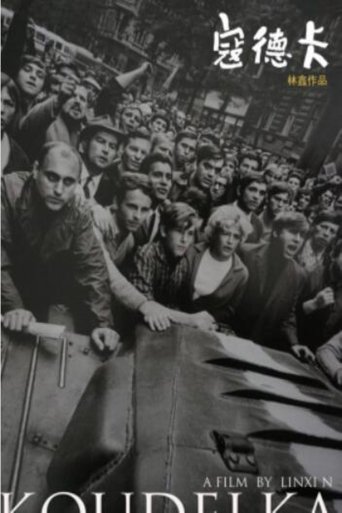
This is a documentary filmed in a subjective perspective. Without any commentary, the film records, in the switches and transitions of the faces, the gamut and track of emotions and vision of the author in enjoying the photographs by Koudelka—from the scenes of life in “Gypsies”, to the conflicts in “Invasion”, further to the still images in “Exiles”, and finally focused on desolately dignified “Chaos”. The four chapters of the film echo the four photo albums of Koudelka. With the indoor CD player playing the music by Shostakovich, the invasion of the landscape without the windows, intermingled with the background noise, complicates the ambient circumstances of the film and renders an immediate sense of urgency and relevance.
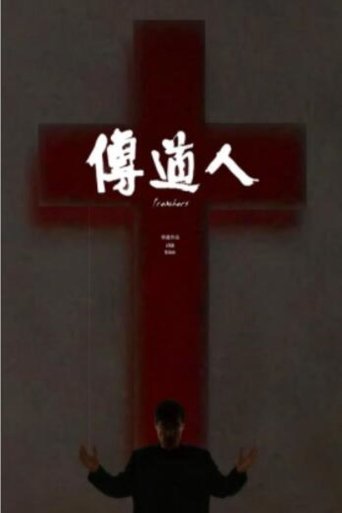
This is a documentary about faith, narrating the stories of a dozen or so Christians in the city of Tongchuan, in Shaanxi Province. Through the lives and beliefs of four generations of preachers, the film reflects on the profound influence of 50 years of social change on the local church. Whether recounting personal setbacks encountered on the serving path or people’s weaknesses, growth, or disputes within the church community, the film becomes a neutral and faithful portrayal of a group of preachers, of the history of the church community and of the status-quo of belief in this faithless era.