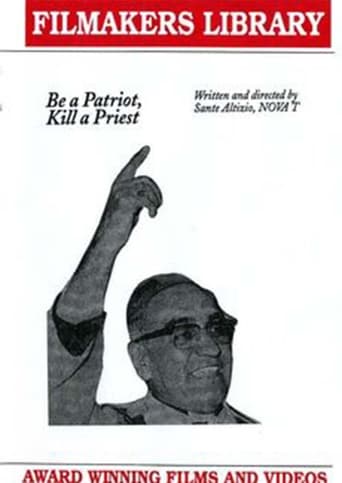
Be A Patriot, Kill A Priest
2001-01-01 · 65 min · Not rated
The war in El Salvador was the most cruel and bloody Latin America has ever seen. During that time of turmoil Latin American bishops created the famous preferential option for the poor, demanding justice, food and education in the name of the gospel. Using interviews and old footage, the film follows the civil war and the role of the Church in it. In 1977, after the murder of Father Rutilio Grande, the Archbishop Oscar Romero took a strong anti government position, broadcasting sermons over Radio Luz demanding that the government stop the repression. He could not understand why he was thought to be a follower of Karl Marx, when he knew "he followed only Jesus Christ." An inspiring film about people of faith who stood up against injustice.
Trailers are previews, not full movies.
No authorized playback source configured. Use the legal watch options below.
Production details
- Directors
- Sante Altizio
- Production companies
- Nova-T
- Countries
- El Salvador, United States of America
- Status
- Released
Top Cast
Cast unavailable.
Title information and images are supplied by TMDb. Explore our discovery guide for advice on comparing metadata and legal viewing options.
Where to watch
Availability provided by JustWatch via TMDb. Offers can change. Provider links are listed on TMDb; full playback requires a separately authorized source.
Availability not listed for this country.
Seasons & episodes
Recommendations

A string of threatening emails escalates into a revenge plot involving a newly married US marshal and his ex-girlfriend.

In an intimate and joyful story of love in the face of loss, celebrated poets Andrea Gibson and Megan Falley find strength—and unexpected hilarity—in what might be their final year together.

An inside look at one of the most anticipated movie sequels ever with James Cameron and cast.

After the high-profile killing of Damilola Taylor, Cornelius' family move out of London. But when they discover their new town is run by racists, Cornelius takes a drastic step to survive.

Director Michael Apted revisits the same group of British-born adults after a 7 year wait. The subjects are interviewed as to the changes that have occurred in their lives during the last seven years.

A documentary about ten very different lives connected by having appeared onscreen wearing masks or helmets in Star Wars.

The film follows adventurer Jeff Johnson as he retraces the epic 1968 journey of his heroes Yvon Chouinard and Doug Tompkins to Patagonia.

Alexander McQueen's rags-to-riches story is a modern-day fairy tale, laced with the gothic. Mirroring the savage beauty, boldness and vivacity of his design, this documentary is an intimate revelation of McQueen's own world, both tortured and inspired, which celebrates a radical and mesmerizing genius of profound influence.

A documentary about the making of season five of the acclaimed AMC series Breaking Bad.

Director Michael Apted revisits the same group of British-born adults after a 7 year wait. The subjects are interviewed as to the changes that have occurred in their lives during the last seven years.

A documentary about the life and films of director John Ford.
With a first-person look at the notorious Crips and Bloods, this film examines the conditions that have lead to decades of devastating gang violence among young African Americans growing up in South Los Angeles.

Through deeply personal interviews with her siblings and an examination of the photographs, letters, and belongings left behind, Mariska assembles a new portrait of her mother Jayne Mansfield, an extraordinary and complex woman.

Ranjit, a farmer in India, takes on the fight of his life when he demands justice for his 13-year-old daughter, the victim of a brutal gang rape. His decision to support his daughter is virtually unheard of, and his journey unprecedented.

A visual montage portrait of our contemporary world dominated by globalized technology and violence.

A compilation of over 30 years of private home movie footage shot by Lithuanian-American avant-garde director Jonas Mekas, assembled by Mekas "purely by chance", without concern for chronological order.
Film adaptation of French economist Thomas Piketty's ground-breaking global bestseller of the same name: an eye-opening journey through wealth and power.

This revealing documentary honors the legendary Sidney Poitier—iconic actor, filmmaker, and civil rights activist. Featuring interviews with Denzel Washington, Spike Lee, Halle Berry, and more.

Daniel Craig candidly reflects on his 15 year adventure as James Bond. Including never-before-seen archival footage from Casino Royale to the upcoming 25th film No Time To Die, Craig shares his personal memories in conversation with 007 producers, Michael G Wilson and Barbara Broccoli.

A documentary about how a dominant cultural and demographic institution both sustains their traditional activities and adapts to the digital revolution.
Similar titles
Return to El Salvador explores the reconstruction of El Salvador, post-civil war. The film revisits the struggles of the nation and examines what drives over 700 Salvadorans to flee their homeland each day, often risking their lives to illegally enter countries in search of a better life for their families. The film also profiles a number of Salvadorans effected by the civil war. One couple, who fled death threats in the 1980s, finds asylum and a political platform in the United States. The film also follows a different couple who, after escaping the war, returned to El Salvador to work with churches and poor communities.

It is El Salvador, 1989, three years before the end of a brutal civil war that took 75,000 lives. Maria Serrano, wife, mother, and guerrilla leader is on the front lines of the battle for her people and her country. With unprecedented access to FMLN guerrilla camps, the filmmakers dramatically chronicle Maria's daily life in the war.
Pedro Linger Gasiglia’s twelve-minute documentary "The Massacre at El Mozote: Twenty Years Later," offers first-person accounts of the horrors as well as the media’s lack of coverage.
A documentary about the rival gangs Mara 18 and Mara Salvatrucha, originating in Los Angeles but terrorizing El Salvador. It explores their origins as possible founding myths of organized crime in a globalized world.
In late 1980, the bodies of four American women were exhumed from a crude grave in El Salvador. The women - Ita Ford and Maura Clarke, nuns of the Maryknoll Congregation in New York; Dorothy Kazel, a nun in the Ursuline Sisters of Cleveland; and Jean Donovan, a lay missionary from the Cleveland Mission - had been abducted, raped, and murdered. An investigation led to the trial and conviction of five Salvadoran National Guardsmen.
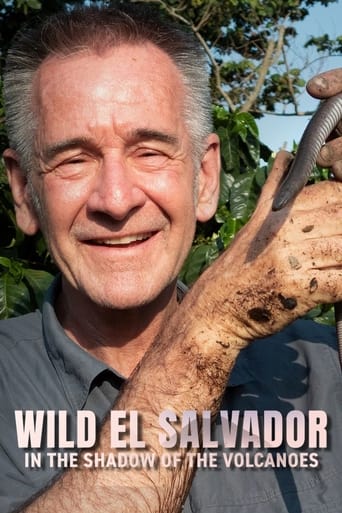
Join affable presenter Nigel Marven as he explores El Salvador, the volatile land of volcanoes with a colorful culture and natural history. Follow along as he climbs an active volcano near the capital San Salvador, comes face-to-face with a crocodile, cuddles a caecilian, fights fire with fire, dives deep into a volcanic lake, and discovers the Pompeii of Central America.
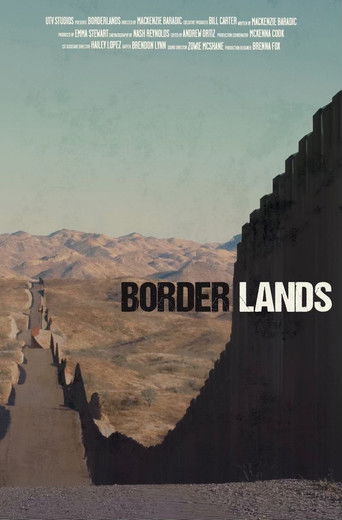
Fleeing the 1980 Civil War in El Salvador, Dora Rodriguez, among a group of twenty-five asylum seekers, were abandoned by their guide and left to fend for themselves in the relentless Sonoran desert of Arizona.
Produced by the Radio Venceremos System, chronicles the first decade of the guerrilla broadcaster that became a crucial communication tool for the FMLN during El Salvador’s civil war. Through archival footage, radio transmissions, testimonies, and scenes of daily life in liberated zones, the film traces the station’s military, political, and cultural role, from reporting on combat operations and peasant struggles to fostering literacy, music, and international solidarity. The documentary portrays Radio Venceremos not only as a strategic instrument of war, but as a symbol of resistance, collective organization, and revolutionary memory.
A production by Radio Venceremos in 1992. The documentary's central objective is to showcase Radio Venceremos' new role after the end of the armed conflict, portraying it as a radio station that would continue serving the needs of the Salvadoran people. The documentary includes some of Radio Venceremos' broadcasts during the Salvadoran peace process.
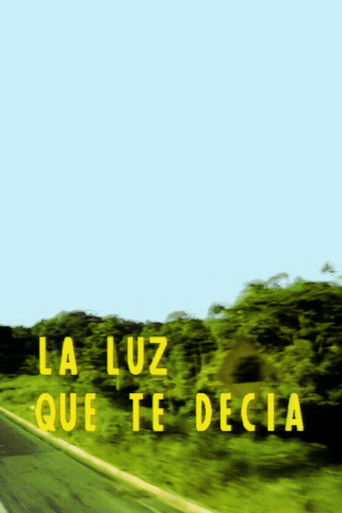
Filmed during the Salvadoran civil war, La luz que te decía documents the struggles of the country’s labor and trade union movement amid escalating political violence. Through strike footage, congress meetings, marches, and first-person testimonies, the film portrays a society marked by state repression, workers’ mobilization, and efforts to build national and international solidarity. The documentary pays particular attention to the strike of the National Water Authority workers (ANDA), featuring members of the SETA union who describe the causes of the protest, the repression they faced, and the survival strategies adopted during the conflict. Testimonies from other unions, grassroots organizations, and international labor groups broaden the film’s perspective beyond a single labor dispute.
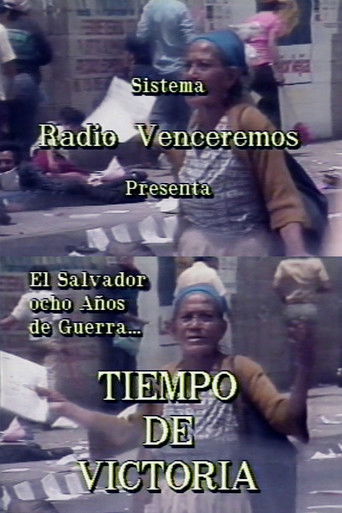
It documents the civil war in El Salvador, in its first 8 years, as well as the political movements, and the human rights violations that occurred.

This documentary examines the formation of labor unions in El Salvador and the systematic violations of workers’ rights that characterized the country during the 1980s. Through testimonies and on-the-ground footage, it exposes the climate of employer authoritarianism and repression faced by workers, situating these conflicts within a broader history of social unrest that dates back to the 1930s and re-emerged with intensity in the 1980s. The film also depicts how the guerrilla movement carried out campaigns of political and labor awareness among peasants and workers, encouraging collective organization and the defense of labor rights. Ultimately, the documentary reveals the “two faces” of El Salvador: on one side, state power embodied by the army and the police; on the other, the opposition represented by guerrilla forces and grassroots popular organizations.
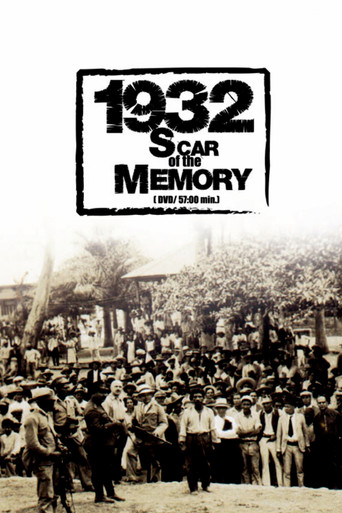
January 22, 1932. An unprecedented peasant uprising erupts in western El Salvador, as a group of Latino and indigenous peasants cut army supply lines, attack a military garrison, and take control over several towns. Retribution is swift. After three days, the army and militias move in and, in some villages, slaughter all males over age 12. Elsewhere, they summarily execute anyone suspected of having a link to the Communists. Over the next few weeks, 10,000 people are massacred.
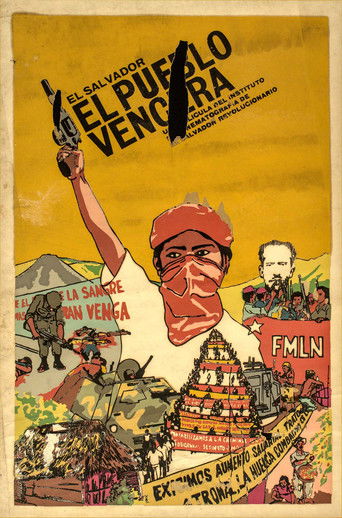
The battle of El Salvador and its revolutionary history, from the time of the Spanish conquest and colonization, to the insurgency of the 80s, approached by a Puerto Rican filmmaker immersed in the conflict. Depicts a host of F.M.L.N. guerrillas marching forth from Monte Alzaco, the spiritual home of Salvadoran resistance.
A meditation on the intersection of Afro-Caribbean and Indigenous American existence.
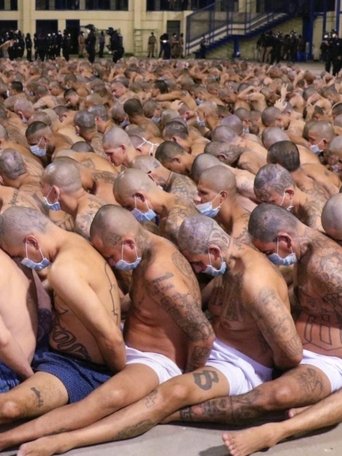
The documentary chronicles the social, political, and security transformation in El Salvador under the administration of President Nayib Bukele.